
Erasmus Mundus Joint Master’s Scholarships 2027 (Fully Funded)
The Erasmus Mundus Joint Master’s Scholarships allow students to study at multiple top European universities, which allows them to earn a degree recognized by all partner institutions. The duration of the programs is typically two years and involves studying in at least two different countries. Each year, over 300 scholarships are awarded across diverse fields like engineering, humanities, and environmental science.
The scholarship not only covers tuition and living expenses but also connects scholars to a global network of professionals and alumni. If you are interested, check out the available courses for international students in different institutions, such as the bachelor’s courses and Master’s courses for international students.
Erasmus Mundus Joint Master’s Scholarships Coverage
This government fully funded scholarship for international students covers the following:
-
Tuition Fees
-
Living Allowance
-
Visa Fees
-
Travel Costs
Erasmus Mundus Joint Master’s Scholarships Eligibility Criteria
To be eligible for Erasmus Mundus Joint Master’s Scholarships, you need to meet the following criteria:
- Students holding a bachelor's degree (first degree) or those in the last year of their bachelor degree or equivalent
- Students who are expected to graduate before the start of the Erasmus Master's degree
For detailed requirements, refer to the official eligibility page .
Eligible degree levels
Eligible programmes
Eligible nationalities
How to Apply
In this section, we'll provide a clear general overview of requirements and steps to guide you through the application process for Erasmus Mundus Joint Master’s Scholarships.
To apply for Erasmus Mundus Joint Master’s Scholarships, please follow these steps:
-
Choose your desired institution and program
-
Apply directly to the institution offering the desired program
Important Note: The application procedures and required documents for Erasmus Mundus Joint Master’s Scholarships may vary depending on your degree, program, nationality and other factors. For specific details regarding the requirements, kindly visit the official website of Erasmus Mundus Joint Master’s Scholarships.
Application Deadlines
Now that you’re familiar with the application procedure, it’s time to know the application dates! Knowing the dates for Erasmus Mundus Joint Master’s Scholarships will help you prepare early and it will also give you the time you need to put together a competitive application.
Application deadlines vary
The application deadlines for Erasmus Mundus Joint Master’s Scholarships vary. It’s important to review official guidelines on the official website or contact administrators for specific deadlines. Make sure to regularly check the Erasmus Mundus Joint Master’s Scholarships page for the latest and most accurate information on application deadlines.
Erasmus Mundus Joint Master’s Scholarships Eligible Institutions
The eligible institutions for Erasmus Mundus Joint Master’s Scholarships are listed below:
A
C
P
T
U
- University of Agriculture in Krakow
- University of Barcelona
- University of Bayreuth
- University of Bologna
- University of Catania
- University of Coimbra
- University of Copenhagen
- University of Crete
- University of Edinburgh
- University of Genoa
- University of Glasgow
- University of Leeds
- University of Liege
- University of Lille
- University of Lisbon
- University of Nottingham
- University of Patras
- University of Pau and the Adour Region
- University of Porto
- University of Roehampton
- University of Sheffield
- University of South-Eastern Norway
- University of Southern Denmark
- University of St Andrews
- University of Strasbourg
- University of Tartu
- University of the Algarve
- University of the Basque Country
- University of Toulouse III – Paul Sabatier
- University of Vaasa
- University of Valladolid
- University of West Attica
- University of Wolverhampton
- University of Wrocław
- University of York
- University of Zagreb
- Uppsala University
Erasmus Mundus Joint Master’s Scholarships Recipients
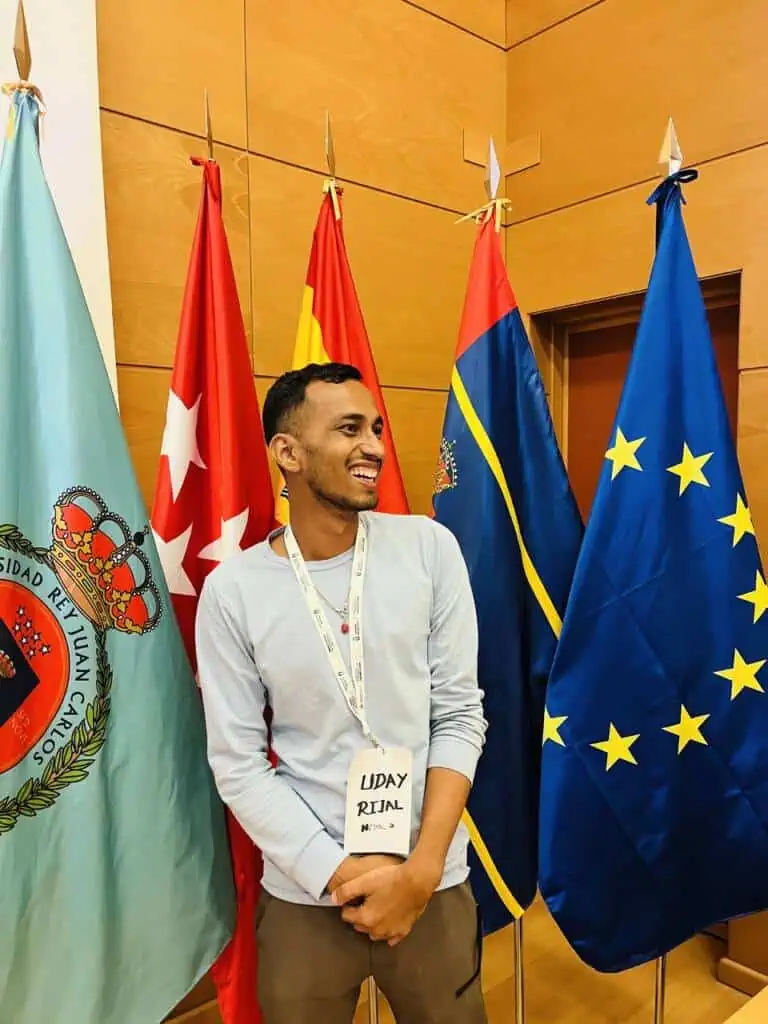
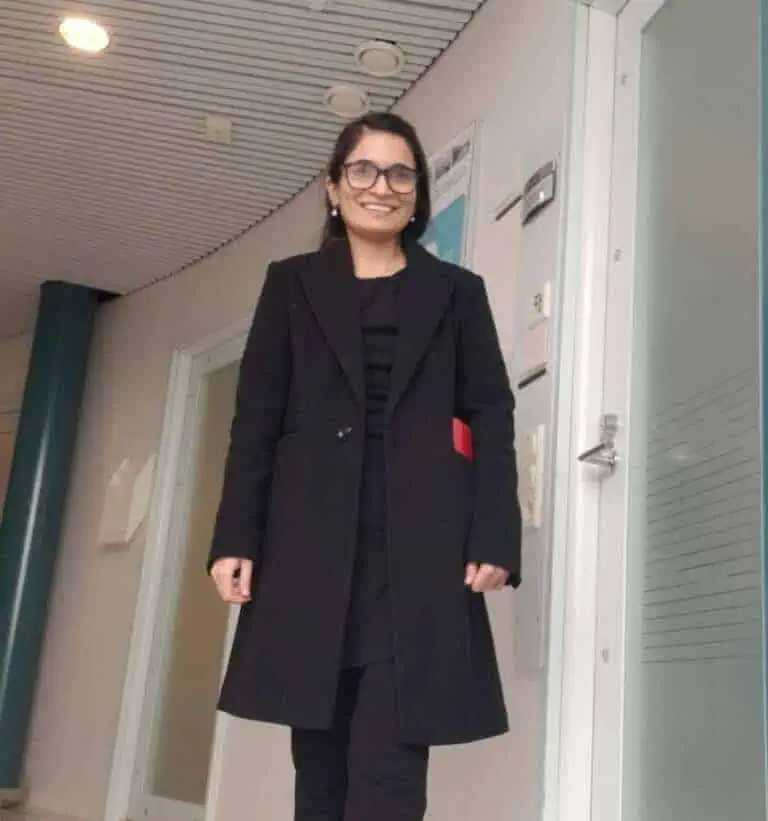
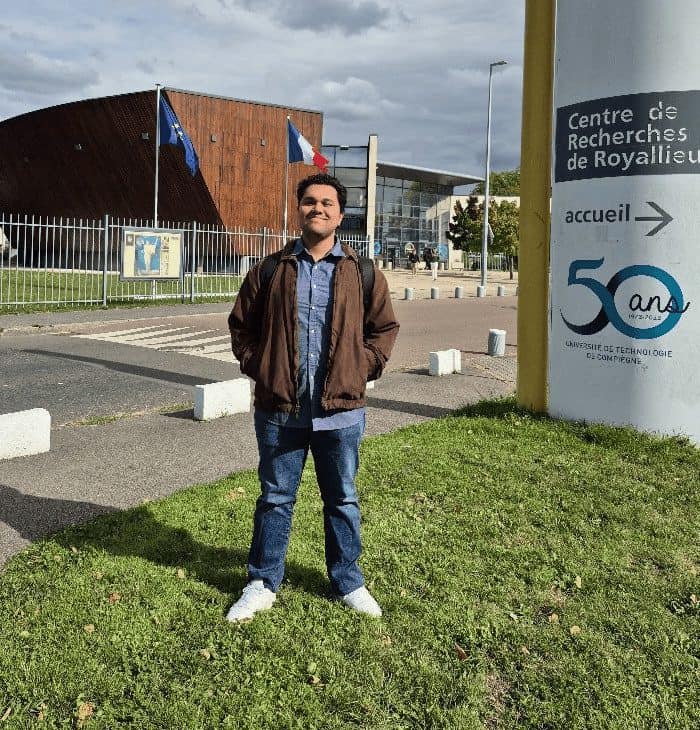
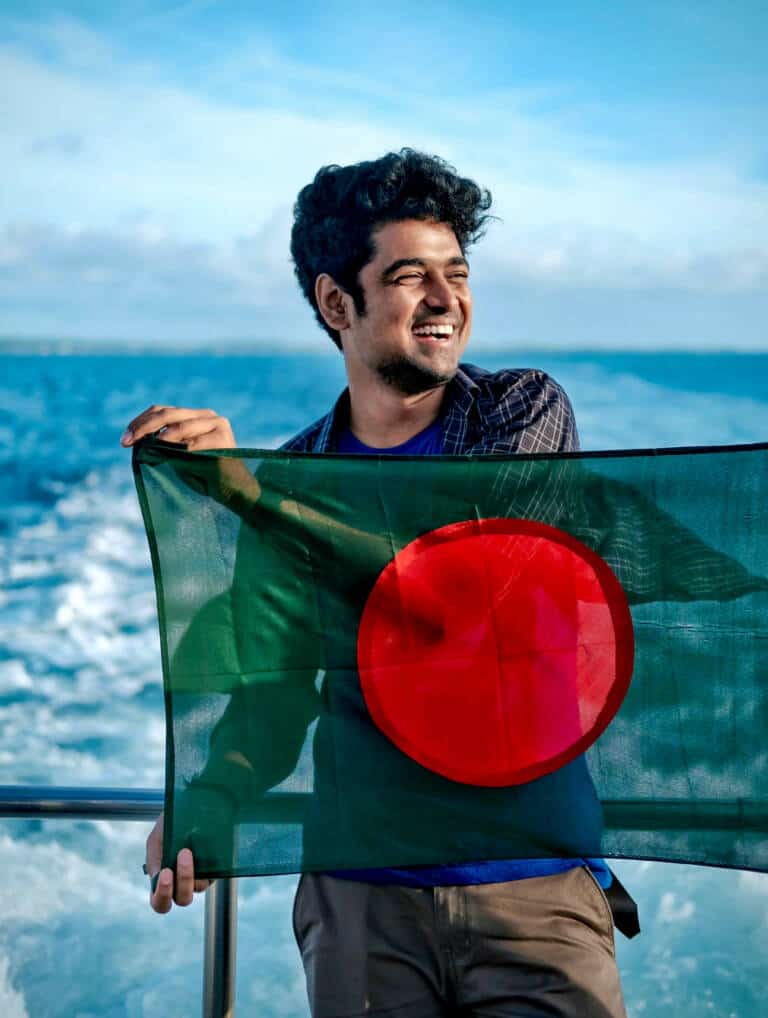
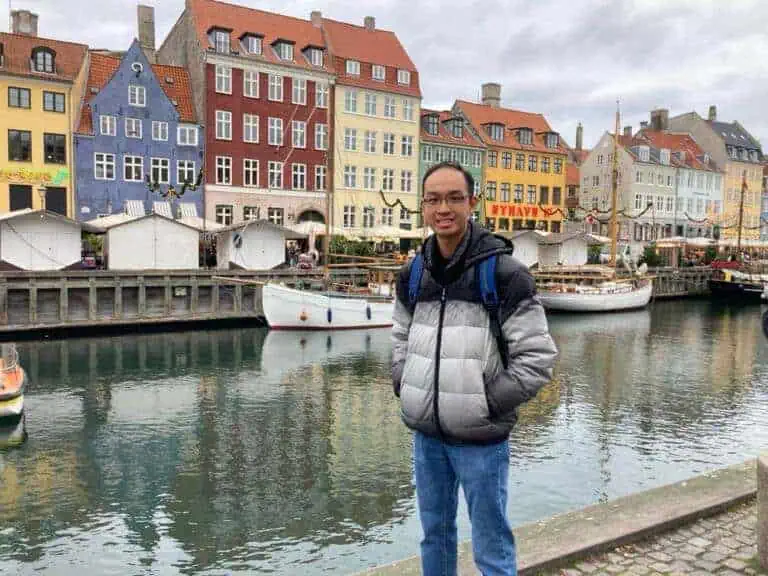
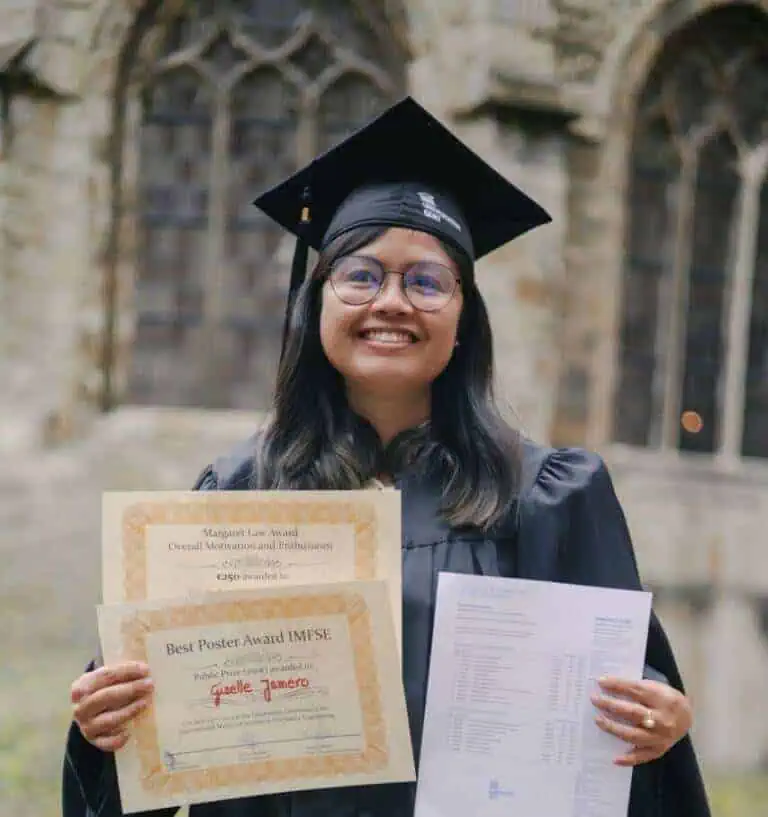
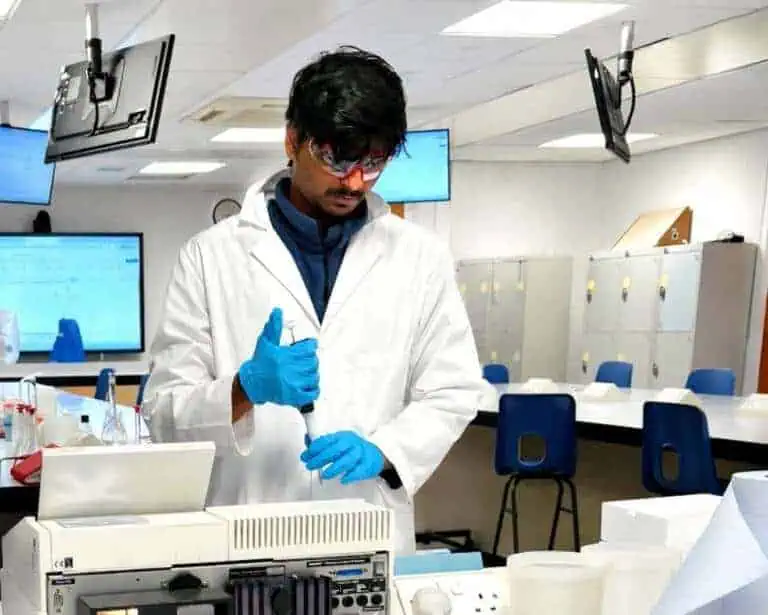
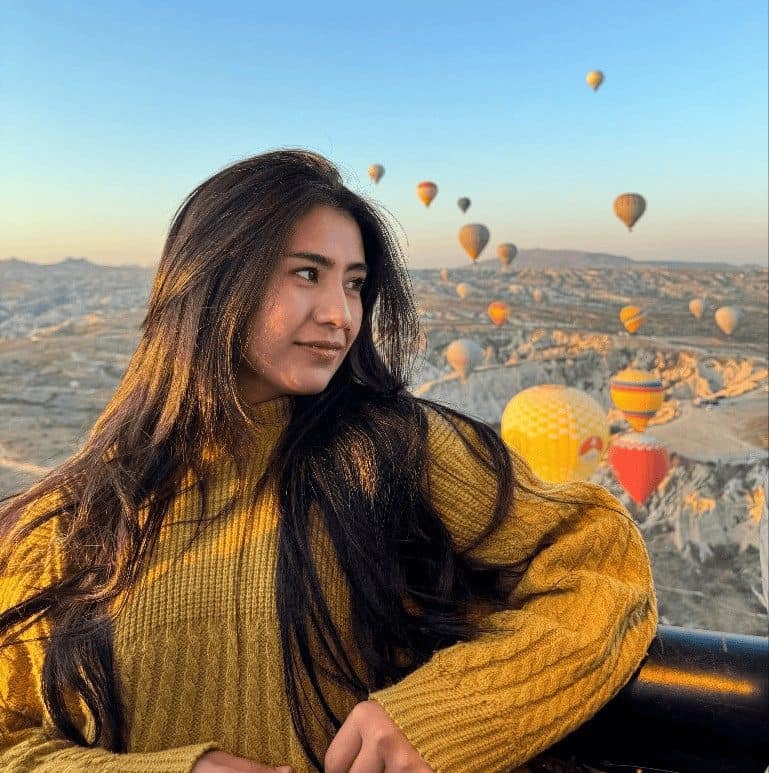
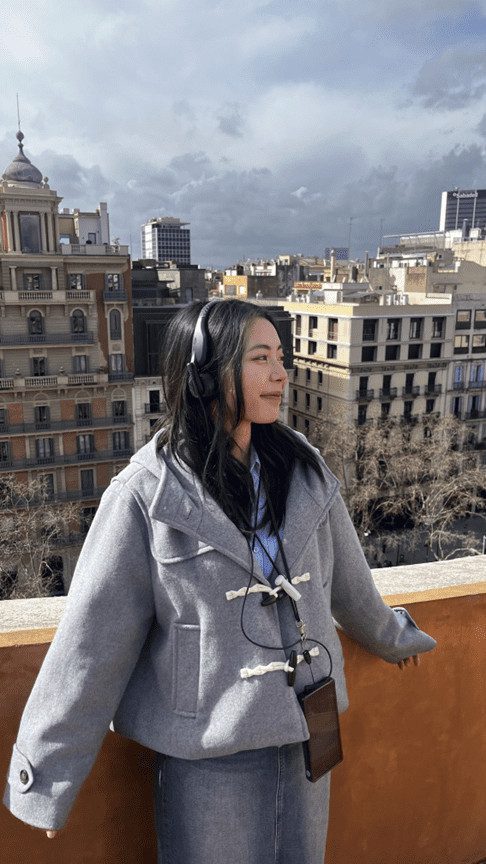
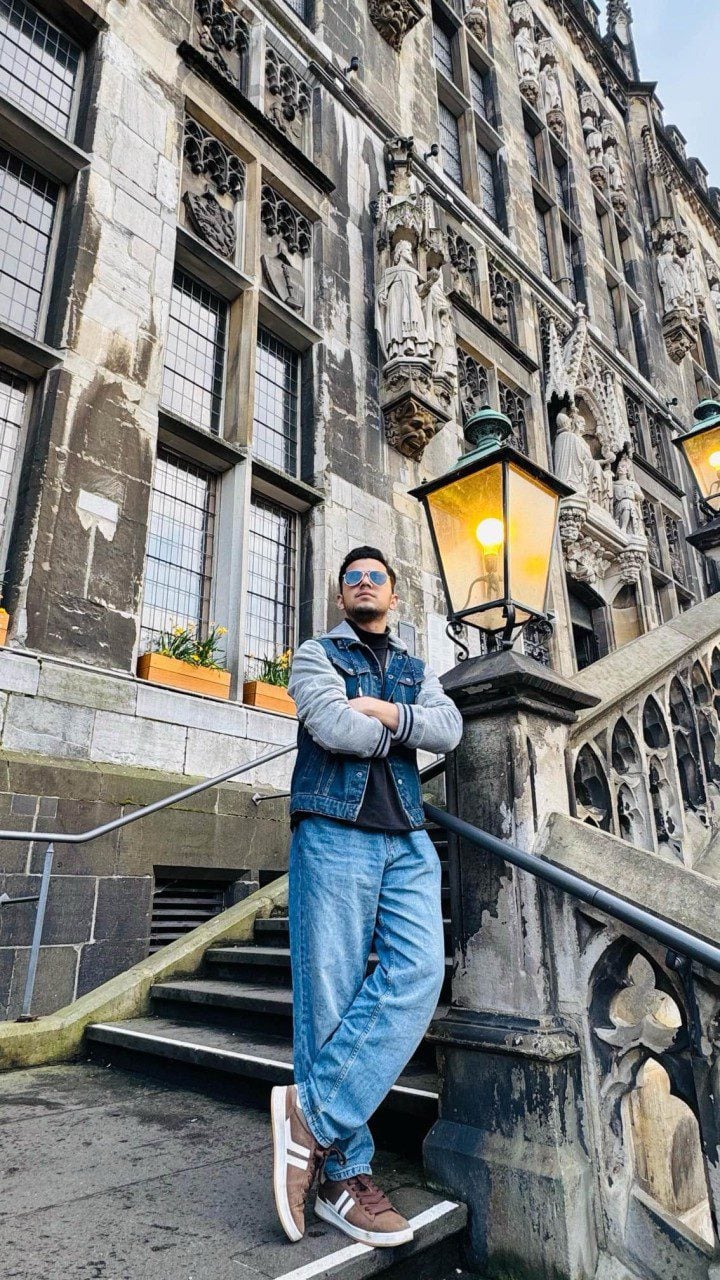
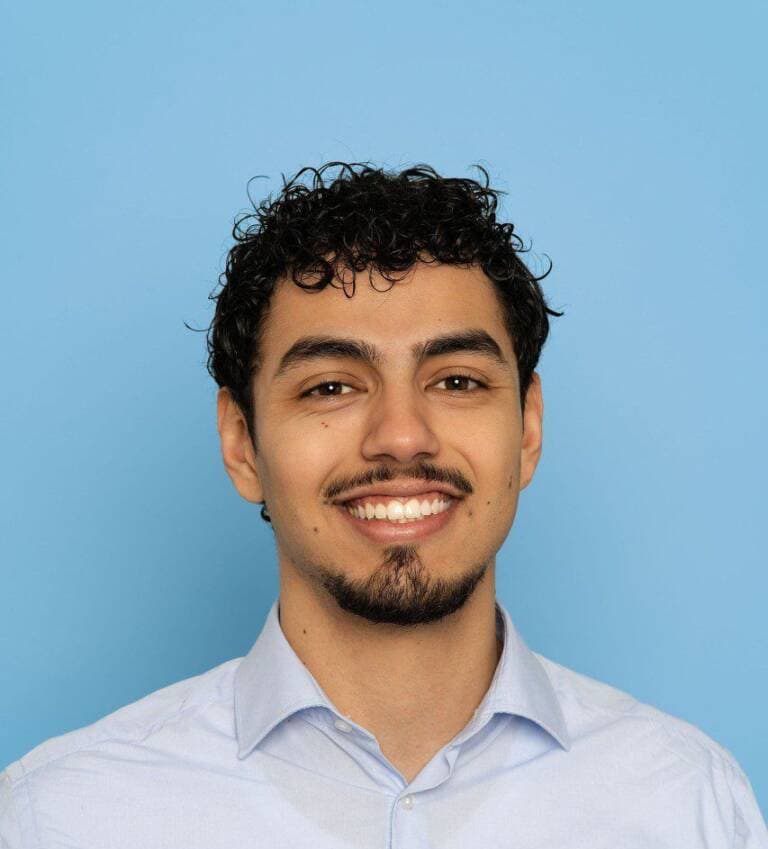
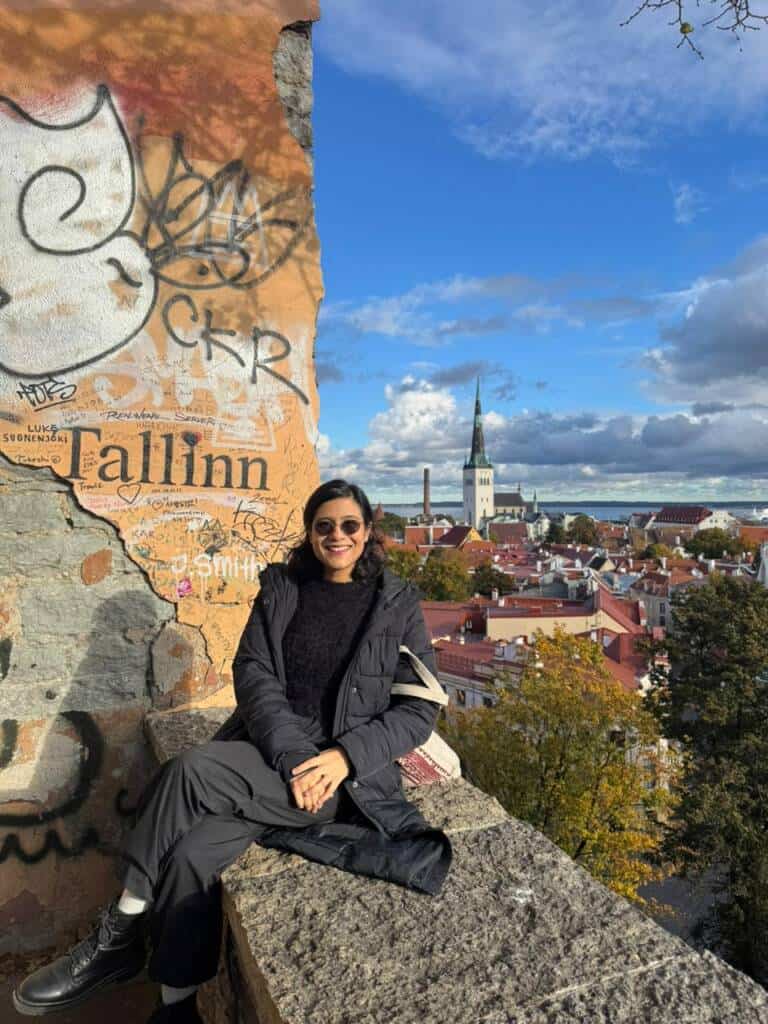
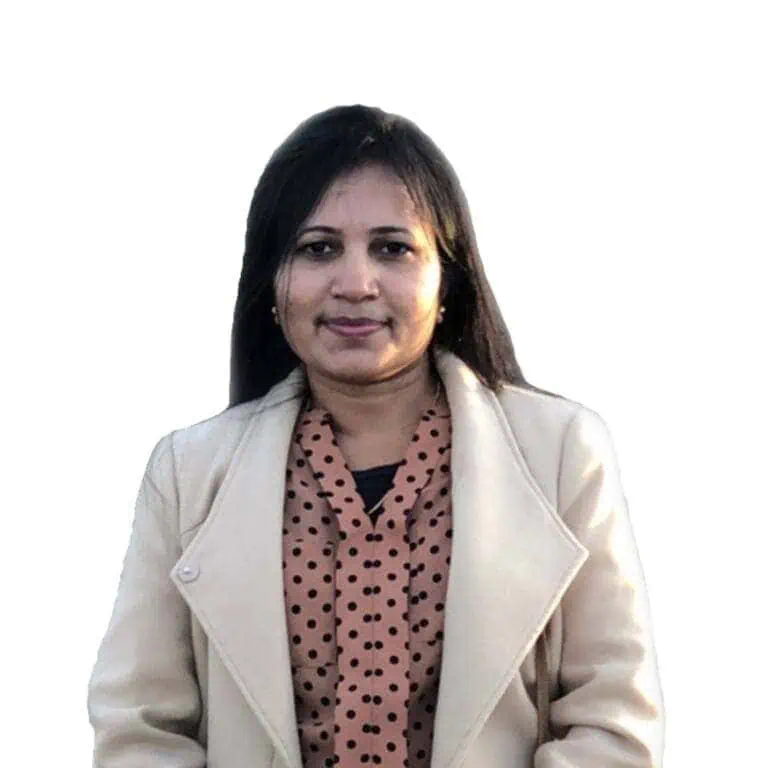
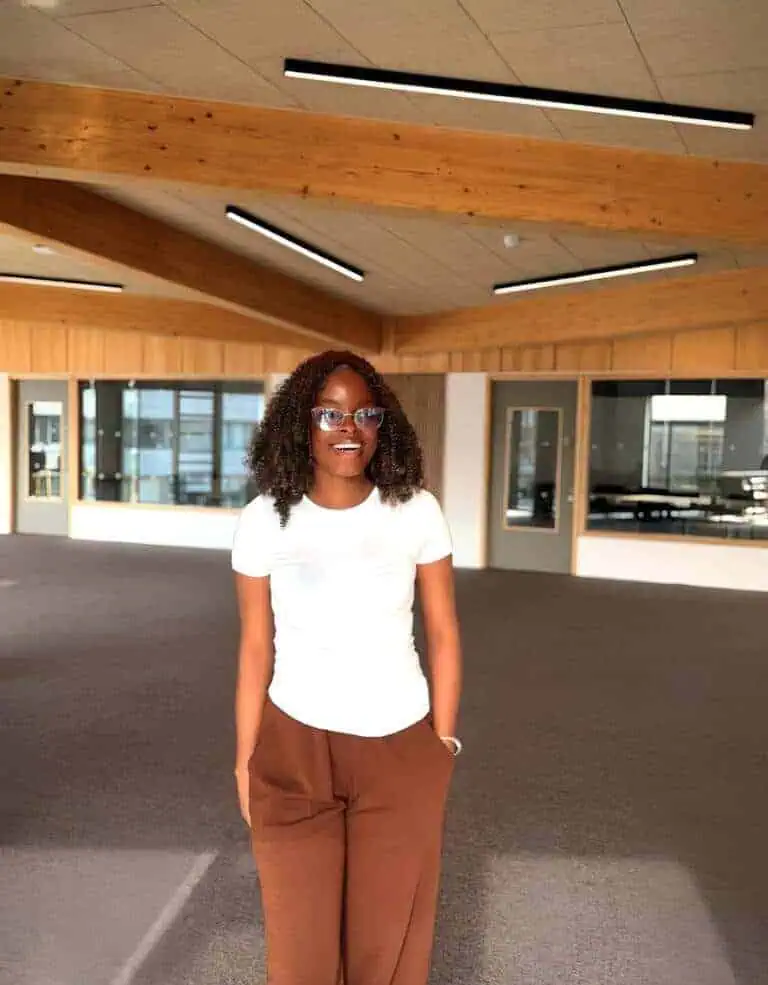
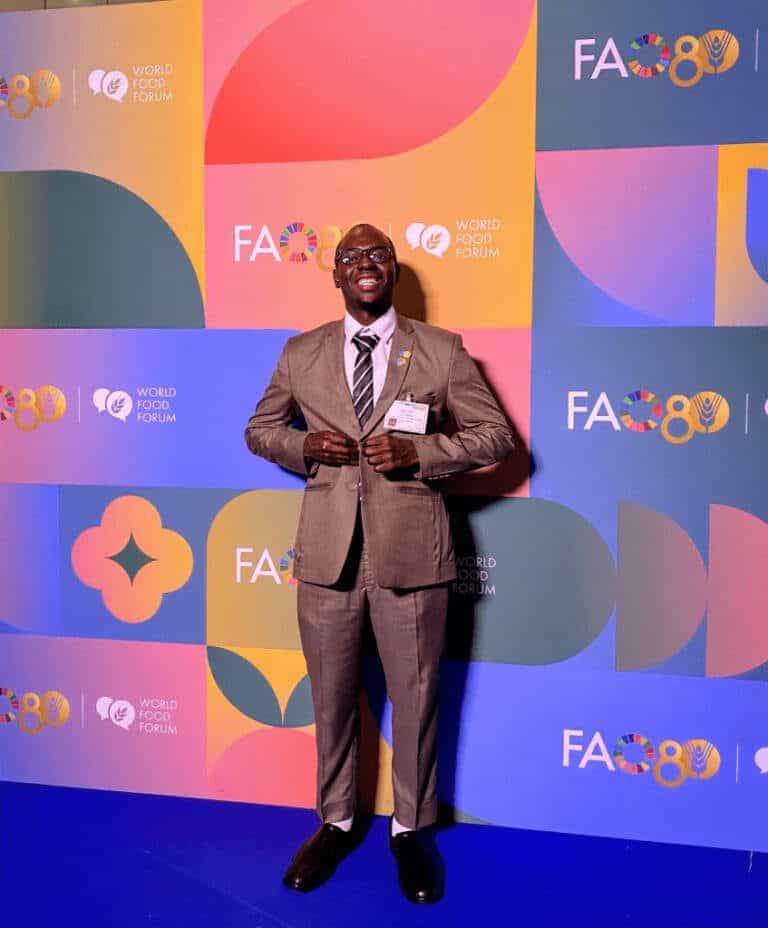
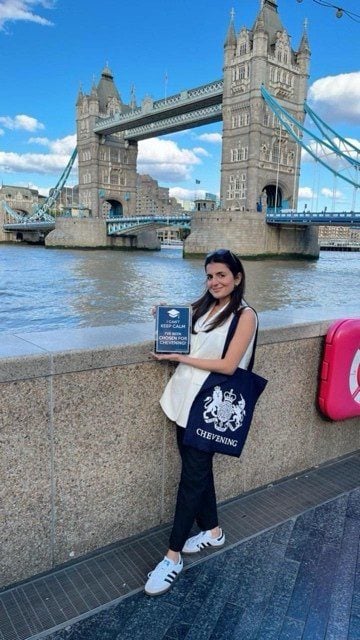
Meet students who have received Erasmus Mundus Joint Master’s Scholarships and learn how they secured their award.











Recipient Insights: Erasmus Mundus Joint Master’s Scholarships
The featured stories include 171 accounts of master’s study supported by Erasmus Mundus scholarships. Recipients describe joint programmes in the sciences, engineering, environment, health, education, public policy and humanities, with study across multiple host countries.
| Nationalities | Stories per nationality |
|---|---|
| Pakistani | 53 |
| Indian | 22 |
| Nigerian | 18 |
| Bangladeshi | 12 |
| Filipino | 8 |
| Indonesian | 7 |
| Mexican | 5 |
| Nepali | 4 |
| Ghanaian; Tanzanian | 3 each |
| Brazilian; Egyptian; Ethiopian; French; Kazakh; Uzbek | 2 each |
| Costa Rican; Cuban; Ecuadorian; Honduran; Hungarian; Jordanian, Palestinian; Libyan; Malaysian; Mongolian; Moroccan; Nicaraguan; Panamanian; Salvadoran; South African; Spanish; Sri Lankan; Turkish; Ugandan; Vietnamese | 1 each |
| Degree level | Stories | Subjects |
|---|---|---|
| Master’s | 171 | Applied ecohydrology; forestry; agriculture and plant breeding; marine and aquaculture sciences; biotechnology; chemistry and materials science; robotics; software engineering; cybersecurity; energy; mathematics and physics; public health; social work; psychology and linguistics; education; public policy; law and economics; sustainability; textile engineering. |
Funding Reported by Recipients
| Recipient and degree/program | Reported coverage |
|---|---|
| Nolitha Khungwayo — Master’s in Applied Ecohydrology | Tuition fees, travel costs and a €1,000 monthly allowance for the two-year programme. |
| Sandra Babu — Master’s in Biological and Chemical Engineering for a Sustainable Bioeconomy (BIOCEB) | Reported €49,000 over two years, covering tuition, visa expenses, travel and programme mobility, living expenses and installation costs. |
| Ana Abed León — Master’s in Membrane Engineering for Sustainable Development (MESD) | Tuition fees and a €1,400 monthly stipend. |
| Shilpi Kundu (2013–2015) — Master’s in Sustainable Forest and Nature Management (SUFONAMA) | Full tuition, €1,000 per month, €4,000 per year for travel and settlement, and insurance; reported total of €50,000 over two years. |
| Francisco (Kiko) Bautista — Master’s in Adult Education for Social Change | Full tuition waiver and €1,400 per month for two years. |
Examples of Featured Recipients’ Application Backgrounds
| Recipient and degree/program | Scholarship/application route | Reported background and preparation |
|---|---|---|
| Nolitha Khungwayo — Master’s in Applied Ecohydrology | Erasmus Mundus — Applied Ecohydrology | Environmental and Water Science bachelor’s, honours and master’s degrees at the University of the Western Cape; summa cum laude undergraduate result and an environmental NGO internship. |
| Sandra Babu — Master’s in BIOCEB | Erasmus Mundus — BIOCEB | Biotechnology bachelor’s at Kalasalingam Academy of Research and Education, CGPA 9.15/10, first rank and Gold Medal; industry-based thesis work at IIT Madras. |
| Nene Abayateye — Master’s in Management and Engineering of Environment and Energy (ME3+) | Erasmus Mundus — Management and Engineering of Environment and Energy (ME3+) | Mechanical Engineering bachelor’s, GPA 3.39/4.0, followed by three years in energy-sector work in Ghana and Burkina Faso. He connected this work to the programme in his application letter. |
| Laide Rasaki — Master’s in Plant Breeding, Genetics and Genomics (emPLANT+) | Erasmus Mundus — Plant Breeding, Genetics and Genomics (emPLANT+) | Agricultural Science degree, Animal Nutrition major, CGPA 4.75/5.0; an International Livestock Research Institute internship and genomics training. Essays were reviewed by four or five scholars. |
| Shihabur — Master’s in Engineering of Data-intensive Intelligent Software Systems (EDISS) | Erasmus Mundus — Engineering of Data-intensive Intelligent Software Systems (EDISS) | Computer Science and Engineering bachelor’s at North South University, CGPA 3.92/4.0 and summa cum laude; a conference paper and software-engineering experience with European clients. |
How Recipients Met Language Requirements
These accounts concern the recipients’ own programme applications. English-medium education and test exemptions were accepted in specific cases; other recipients took or submitted language tests.
| Language requirement route | Stories / total funded degree-study stories | Recipients and examples |
|---|---|---|
| IELTS taken or submitted | 30/171 | 7.0 (Daryl James Valdez); 7.5 (Francisco (Kiko) Bautista, Mira, and 2 others); 8.0 (Khedija, Motunrayo Ibiyo, Syed Nadeem Gillani); 8.5 (Shihabur); taken for the application (Abhimanyu Bhowmik, Adil Zia, and 19 others). |
| TOEFL taken for the application | 4/171 | TOEFL taken for the application (Ana Abed León, Cecilia María Hernández Castro, and 2 others). |
| PTE Academic taken for the application | 1/171 | PTE Academic taken for the application (Tayyab Tahir). |
| English-medium education accepted | 4/171 | English-medium education accepted (Ceren Güngör, Laide Rasaki, and 2 others). |
| IELTS/TOEFL exemption reported for her application | 1/171 | IELTS/TOEFL exemption reported for her application (Kesia Nyambele). |
| English C1, French B2 and German A2 certificates submitted | 1/171 | English C1, French B2 and German A2 certificates submitted (Nene Abayateye). |
| English proficiency accepted | 1/171 | English proficiency accepted (Bolanle Lizzy Bamidele). |
Application Timelines Reported by Recipients
| Recipient and degree/program | Application or scholarship route | Reported application timeline |
|---|---|---|
| Smarika Kafle — Master’s in Sustainable Drug Discovery | Erasmus Mundus — Sustainable Drug Discovery | Preparation began around October or November 2022; she took IELTS, assembled documents and submitted the application; scholarship confirmation arrived on April 1, 2023. |
| Yaneris Velasquez (2024–2026) — Master’s in Membrane Engineering for Sustainable Development (MESD) | Erasmus Mundus — Membrane Engineering for Sustainable Development (MESD) | In March 2024, she learned that she had passed the interview phase. In April 2024, she received programme acceptance and placement on the scholarship main list. |
| Afiya — Master’s in Soils and Global Change (IMSOGLO) | Erasmus Mundus — Soils and Global Change (IMSOGLO) | Spent December 2023 preparing for IELTS, took the test in January, and used the remainder of January to prepare documents and motivation and recommendation letters; subsequently selected for the 2024 cohort. |
| Pedro Leardin Silveira — Master’s in Bio & Pharmaceutical Materials Science (BIOPHAM) | Erasmus Mundus — Bio & Pharmaceutical Materials Science (BIOPHAM) | Described a December application deadline and April answers; his BIOPHAM selection involved an interview and an oral test. |
Interviews and Preparation Lessons
| Recipient and degree/program | Reported interview or preparation experience |
|---|---|
| Laide Rasaki — Master’s in Plant Breeding, Genetics and Genomics (emPLANT+) | After the first selection stage, she was invited to an interview. She held several mock interviews beforehand to clarify her understanding of the programme and her career goals. |
| Pedro Leardin Silveira — Master’s in Bio & Pharmaceutical Materials Science (BIOPHAM) | His selection involved both an interview and an oral test. |
| Yaneris Velasquez (2024–2026) — Master’s in Membrane Engineering for Sustainable Development (MESD) | She described the interview as a comfortable experience and explained her medium- and long-term goals during it. |
Teaching Language in Featured Joint Programmes
Saad Waseem described all EDISS courses as English-taught; Symrun Razaque reported English instruction for GEMMA in both Germany and Spain; Ana Abed León said all MESD courses were taught in English. Paula Vallarta described WE-TEAM instruction as primarily English.
What Recipients Pursued After Their Scholarship-Funded Studies
| Recipient | Scholarship-funded degree/program | Reported outcome or current status |
|---|---|---|
| Mohan Krishna Chowdry Avilineni | Master’s in Global Forestry | Current role: Head of Certification at Carboneg in Prague. |
| Shihabur | Master’s in Engineering of Data-intensive Intelligent Software Systems (EDISS) | Ongoing PhD and current role: Doctoral Researcher at Åbo Akademi University in Finland, supported through the MADNESS research project until the end of 2028. |
| Alphonsa Baby (2022–2024) | Master’s in Plant Health in Sustainable Cropping Systems | Ongoing study: PhD in plant biosecurity at James Cook University in Australia, supported by a Postgraduate Research Stipend Scholarship. |
| Davi Augusto Mattoso | Master’s in Theoretical Chemistry and Computational Modelling (TCCM) | Ongoing study: PhD as an MSCA researcher at Software for Chemistry and Materials B.V. in Amsterdam. |
| Olawale Quadri Ogunsola | Master’s in Groundwater and Global Change – Impacts and Adaptation (GroundwatCh) | Ongoing study: PhD in Environmental Science at the University of Toledo in the United States. |
| Ceren Güngör | Master’s in Bio & Pharmaceutical Materials Science (BIOPHAM) | After completing the master’s, started as a predoctoral researcher at IQS Chemical Institute of Sarria in Barcelona. |
| Francisco (Kiko) Bautista | Master’s in Adult Education for Social Change | Ongoing study: PhD in politics and international studies at the University of Wollongong in Australia. |
Other Offers in Featured Applicants’ Journeys
| Recipient | Reported alternative | Decision described in the story |
|---|---|---|
| Fiza Butt | Chinese Government Scholarship for a master’s at Dalian University of Technology, covering tuition and a monthly stipend. | Chose the Erasmus Mundus MESD award. |
| Talha Israr | Fully funded Fulbright Scholarship for a programme beginning in September 2025; Bestway Scholarship at the University of Kent worth £26,000. | Did not accept either alternative; pursued Erasmus Mundus Embedded Computing Systems. |
| Mukhlisa | $40,000 scholarship from Pennsylvania State University for graduate study. | Chose Erasmus Mundus Law and Economics; the Penn State award would still have left substantial tuition and living costs. |
| Mohammad Usman Imtiaz | University of Texas Medical Branch MS leading to PhD admission, with departmental funding opportunities. | Chose Erasmus Mundus Public Health in Disasters for its full funding, multidisciplinary curriculum and multi-country exposure. |
Applicants Who Declined This Scholarship
| Applicant and intended degree/program | Offer from Erasmus Mundus Joint Master’s Scholarships | Alternative chosen | Reason described in the story |
|---|---|---|---|
| Tomás Basile — Master’s in Quantum Technologies and Applied Mathematics | Both offers covered tuition and €1,400 per month for two years. | Master’s in Physics at the University of Copenhagen. | Preferred the Copenhagen programme and living in one city rather than moving each semester. |
| Davi Augusto Mattoso — Master’s in FAMEAIS | Fully funded EM-FAMEAIS Scholarship. | Erasmus Mundus master’s in Theoretical Chemistry and Computational Modelling (TCCM). | N/A |
| Oisereme Abulu — Master’s in Sustainable Aquaculture (ACES-STAR) | Partial funding for postgraduate study under ACES-STAR. | MSc in Sustainable Aquaculture at the University of Stirling under the Commonwealth Shared Scholarship. | The partial award did not cover the programme’s full costs. |
| Nivas — Master’s in Sustainable Aquaculture (ACES-STAR) | Partial scholarship with a tuition fee waiver. | MSc in Sustainable Aquaculture at the University of Stirling with the SAIC full-fee scholarship. | Living expenses and other study-abroad costs remained financially difficult. |
| Rajat Saxena — Master’s in Astrophysics and Space Sciences | Consortium fee waiver covering tuition, health insurance and CIMEA processing charges. | Physics studies at LMU Munich. | Wanted to keep options open in pure physics. |
What Erasmus Mundus Joint Master’s Scholars Say
Advice and reflections from scholars about the Erasmus Mundus Joint Master’s application process and programme.
"As a full-scholarship recipient receiving €1,400 monthly, I was able to live comfortably throughout my studies."
"Thanks to the Erasmus Mundus Scholarship, my tuition fees were fully covered, and I received a monthly stipend to support my living expenses."
"When I was preparing my application, I reached out to students who had already been accepted into the program for advice."
"I began by researching the universities and programs that aligned with my interests in sustainable agriculture, crop, and plant production."
"I am an Erasmus Mundus Master's graduate in Smart Systems Integrated Solutions (SSIs), with a focus on Microsystems, ASIC Design, and single-chip solutions."
Frequently asked questions
Common questions about Erasmus Mundus Joint Master’s Scholarships, eligibility, funding, and applications.
Yes. The award covers tuition fees, living allowance, visa fees, and travel costs. Recipient experiences also suggest that the funding is designed to support day-to-day living. According to Nomin, the scholarship “provides sufficient financial support to cover basic living expenses.”
Usually, yes. Erasmus Mundus Joint Master’s programs are typically two years long and involve study in at least two different countries, although the exact mobility path depends on the consortium. As Grishma Mehta explained, “Each semester is held in a different country.” Another example is Ali Hamza, who studied across Italy, Norway, and the Netherlands.
Eigible applicants are students who already hold a bachelor’s degree or are in the final year of their bachelor’s and will graduate before the master’s starts. In practice, having a relevant academic background can also strengthen your fit for a specific consortium.
Generally, applicants first choose a specific Erasmus Mundus program and then apply directly to the institution or consortium offering it. There is no one-size-fits-all application because each consortium can set its own process and requirements.
The application requirements vary by program and institution, so you should always check the exact consortium page. Still, recipient stories show a common pattern. Oluwakemi Dada listed an official undergraduate transcript, “proof of English proficiency,” an international passport, recommendation letters, a personal statement, and a CV. She also emphasized that she started early rather than waiting until the deadline.
Many Erasmus Mundus programs featured in Global Scholarships recipient stories are taught in English, but local language basics can still make daily life easier. Jamal Wadood said that “all courses were taught in English” in his program, while daily life in France and Greece still required some adaptation outside the classroom.
It is competitive, so applicants should focus on strong academics, clear program fit, polished documents, and early preparation. Anagha Anilkumar described Erasmus Mundus as “highly competitive and widely regarded as a prestigious opportunity.” Jamal Wadood also advises applicants to “develop a clear motivation statement.”
There are many degrees that are open to international students right now — find yours.

I would like to study in the public health or psychology please help with this please
Hello, check out Erasmus scholarship recipients who’ve gotten their degree in public health or psychology!
Can you help on this process please
I don’t provide personal consultation, but there are tons of resources available here. Check out the scholarship recipients stories to start!
Hi, Hyun,
I have a Masters degree. Can I still apply to da a second Masters under this scholarship? Thanks, Joseph
Yes it is possible as long as you haven’t received this scholarship before.
Hello dear, can someone with high school certificate apply .Therefore, if possible can you please me out.thank you
No, this is a Master’s degree, so you’ll need a Bachelor’s.
Hyun Lee, can you help someone with the application process? Master’s in Business Administration
Hyun Lee, can you help someone with the application process? Master’s in Business Administration