
University of Glasgow Scholarships for International Students 2027
University of Glasgow offers access to scholarships that can reduce tuition burden and sometimes support additional costs. Below are top options prioritized by funding level.
When reviewing university scholarships connected to University of Glasgow, these are often the first awards worth checking due to the typical scale of support. Global Impact Scholarship is usually considered fully funded, and typical coverage can include 100% of tuition fees and a yearly stipend of £15,000. A strong option is African Excellence Award which is full tuition and often covers full tuition fee waiver. World Changers Glasgow Scholarship is partially funded, and coverage often includes £5,000 discount on tuition fee for Undergraduate Students, £10,000 discount on tuition fee for College of Science and Engineering, college of medical, veterinary and life sciences, and college of social sciences students, and £7,000 discount on tuition fee for College of Arts and Humanities and College of Social Sciences. Global Leadership Scholarship is partially funded and typically covers an award of £10,000.
If you are building a wider scholarship strategy for University of Glasgow, external and government programs can be important additions. Here are a few to consider. Marie Skłodowska-Curie Actions is fully funded and typically covers living stipend, mobility allowance, and special needs, leave, and and/or family allowance (if applicable). PTDF Overseas Postgraduate Scholarship Scheme is commonly categorized as fully funded support, and coverage that often includes full tuition fees for approved programmes, research bench fees and where applicable, and return flights. With Saïd Foundation Scholarship, students may receive fully funded support, and coverage frequently includes full tuition, living and maintenance costs, and arrival allowance.
For more opportunities beyond these highlights, explore the scholarship listings below on this page.
University of Glasgow Scholarships for International Students
The scholarships at University of Glasgow can help fund your study expenses. There are currently 18 scholarships being offered to international students at the University of Glasgow, all with varying requirements, benefits, and application processes. We have compiled them in this list to help you find the scholarship that best fits you.
Graduate Scholarships
External Scholarships
There are many degrees that are open to international students right now — find yours.
University of Glasgow Admissions
Here are the official admission pages for University of Glasgow:
| Degree | Admissions Pages |
|---|---|
| Bachelor's | International Students Admissions Page |
| Master's | International Students Admissions Page |

University of Glasgow Application Deadlines
Tuition Fees at University of Glasgow for International Students
Indicative annual tuition fee ranges for international students at University of Glasgow. Exact fees vary by program, so always confirm the current cost on the university's official tuition fee pages.
| Degree Level | Typical Annual Range |
|---|---|
| Bachelor's Tuition | 26,580 – 31,800 GBP |
| Master's Tuition | 25,320 – 33,450 GBP |
Please note that tuition fees can vary based on the specific program you choose. For the most accurate and current fee information, consult the official tuition fee pages linked above.
University of Glasgow Scholarship Recipients
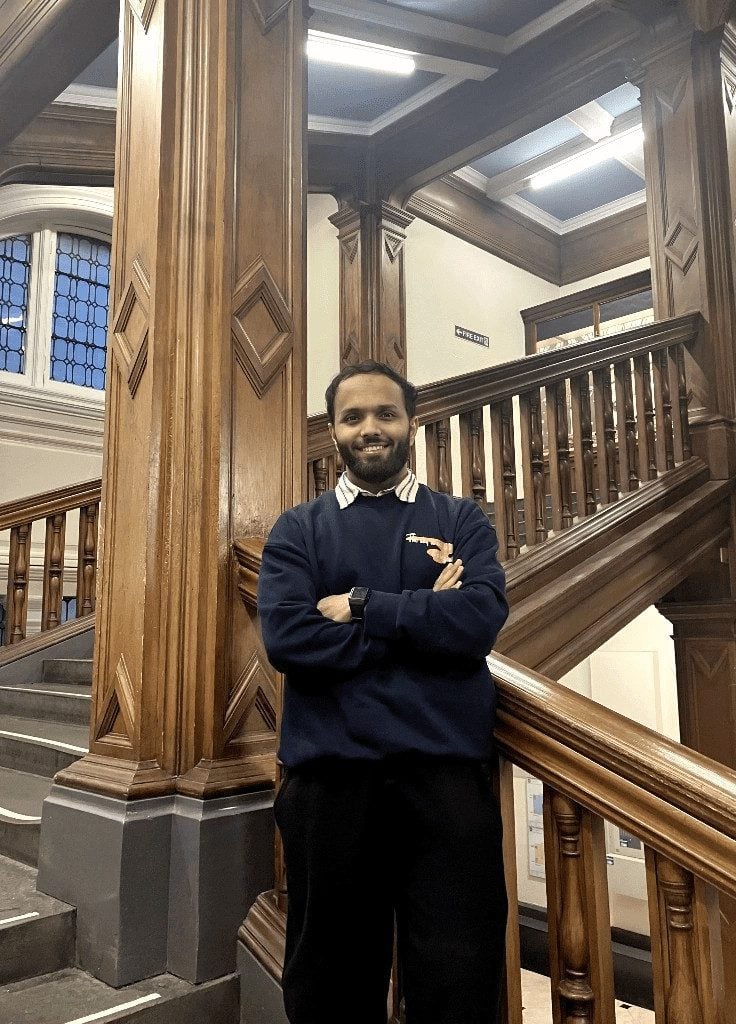
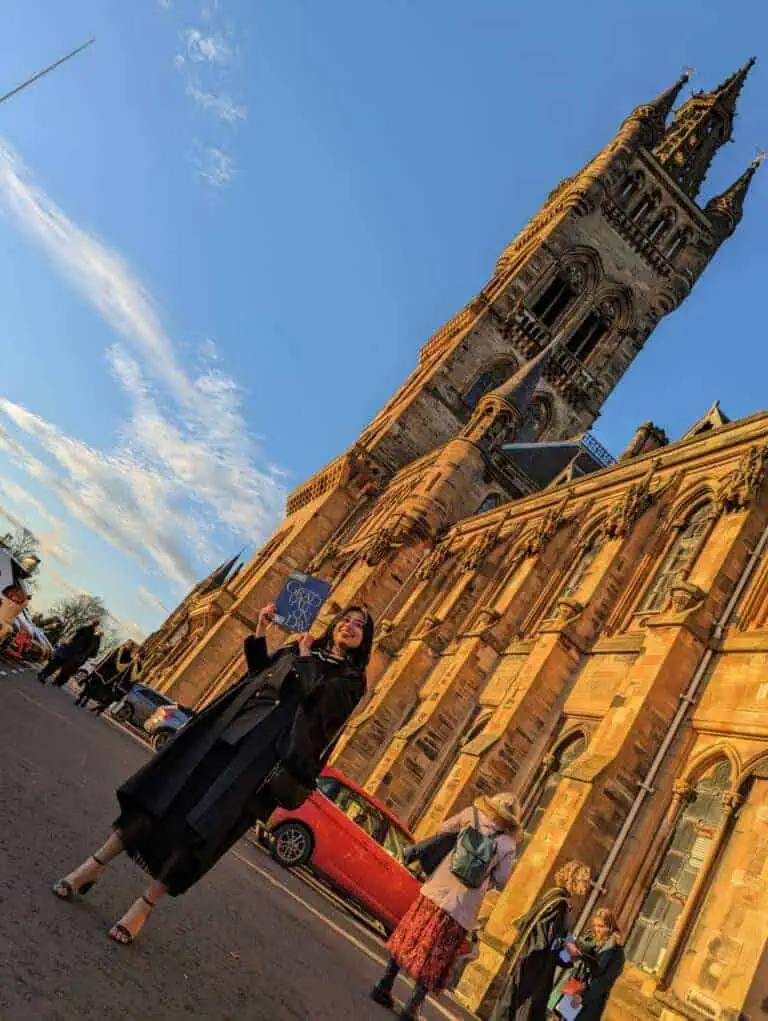
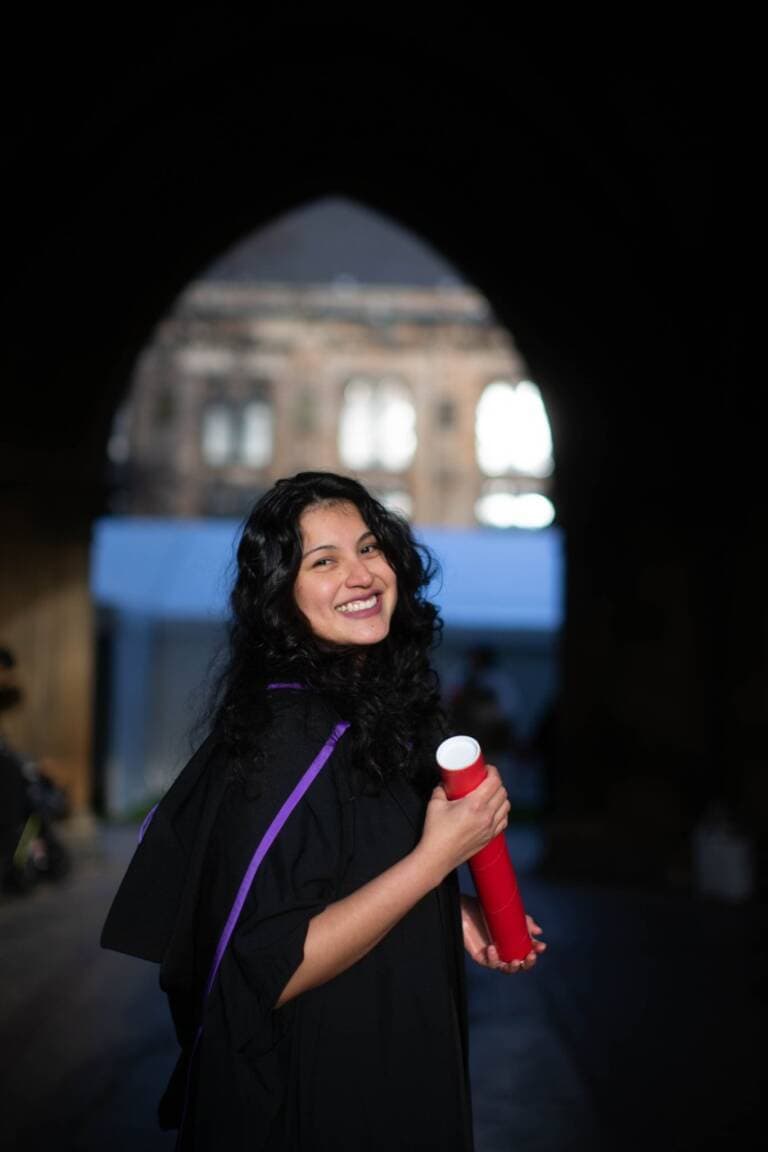
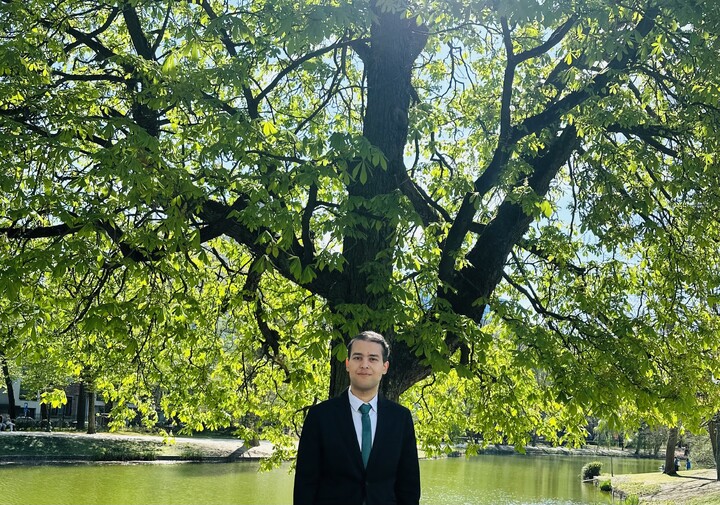
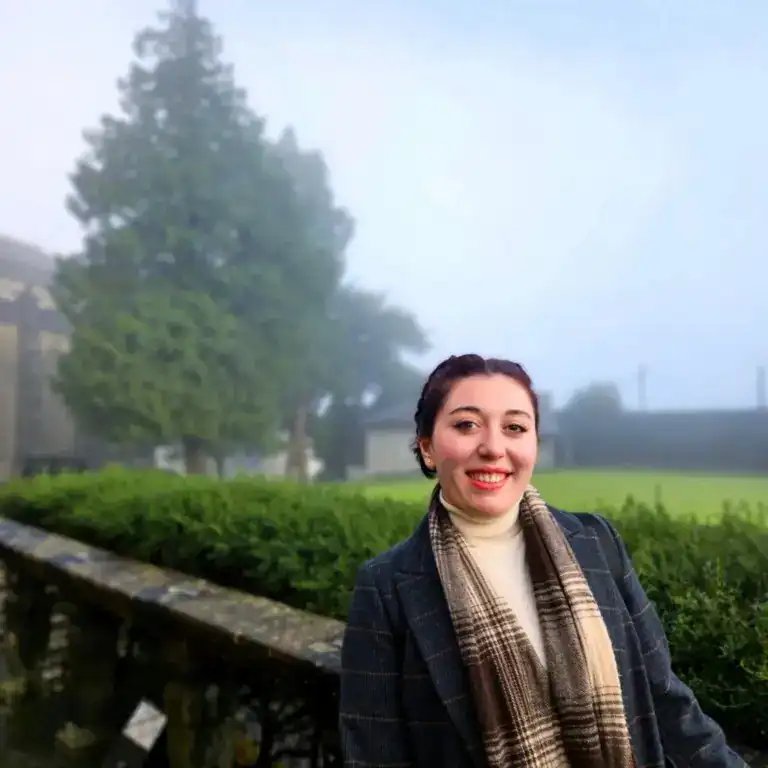
International students who received scholarships to study at University of Glasgow, documented by Global Scholarships.




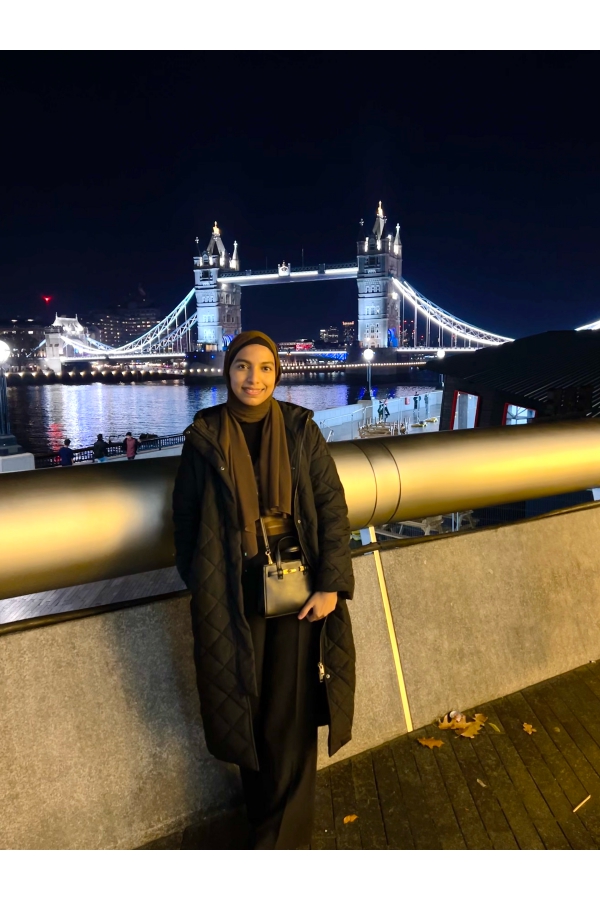
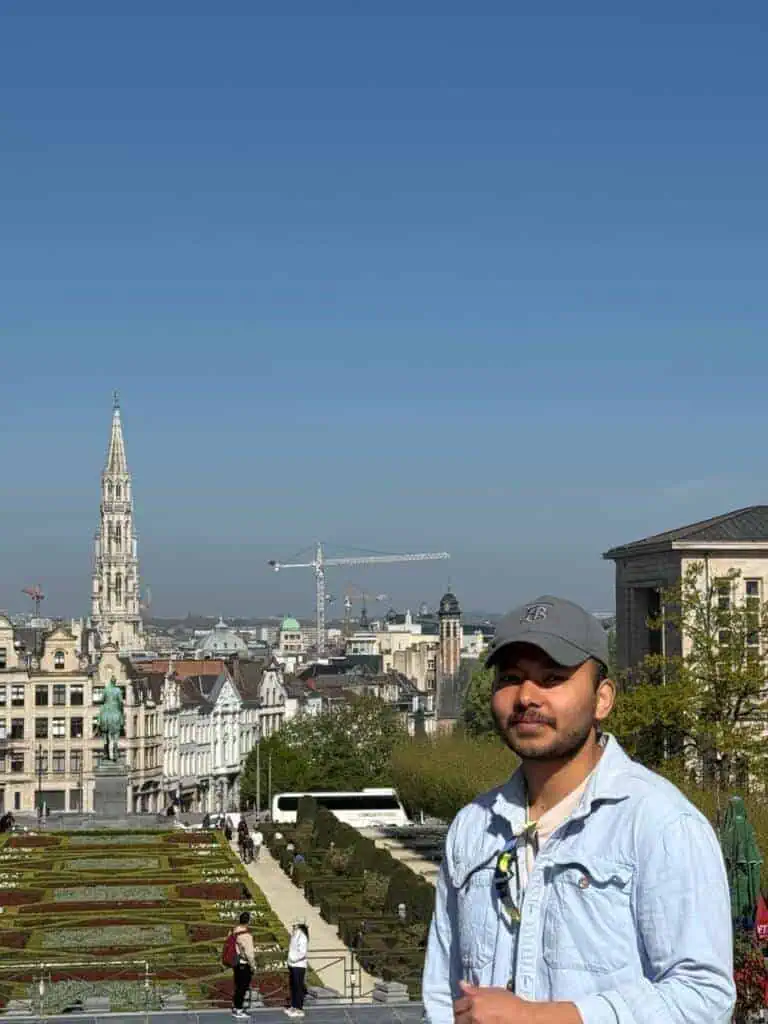
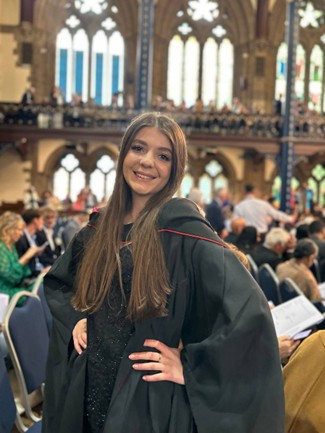

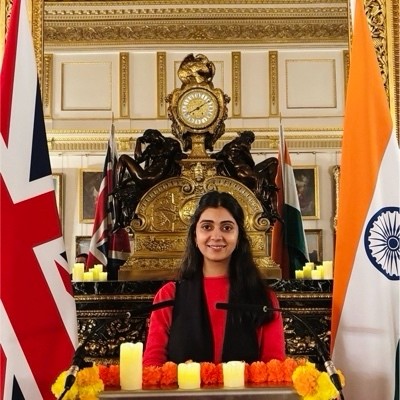


What Scholarship Recipients Say
Advice and insights from international students who successfully secured funding to study at University of Glasgow.
"It covers all tuition fees, health insurance, travel expenses, visa fees and provides you with a monthly stipend."
"Before applying, I spent a lot of time watching YouTube videos on past Chevening scholars and what made them successful in securing the scholarship."
"I decided to pursue a postgraduate degree in Sustainable Energy from the James Watt School of Engineering, University of Glasgow, United Kingdom."
"Transformational! I had the chance to work in advanced labs, learn techniques like protein production without cells, and collaborate with inspiring professors."
"1000/10! It was the best experience of my life! Lots of support from the university, lots of activities, clubs, and friends."
"It’s been an incredible journey of learning from excellent lecturers, attending insightful guest lectures and conferences, and connecting with both academic and professional communities."
Frequently asked questions
Common questions about scholarships, admissions, and studying at University of Glasgow.
Yes. The University of Glasgow lists a “UK Study Online Scholarship” that’s specifically for online undergraduate and postgraduate courses (and it’s open to UK, EU, and international students).
University of Glasgow scholarships span a wide mix of subjects, from STEM to social sciences and humanities, and many are available “in any discipline” at postgraduate level (depending on the scholarship rules).
STEM & Engineering: Afshan Ameer pursued Sustainable Energy in the James Watt School of Engineering, and Faria Marha completed an MSc in Infection Biology.
Business: Glasgow offers scholarships connected to business school programmes too (note: some Adam Smith Business School postgraduate programmes may have different application processes and fees than other programmes).
Humanities & Education: Erasmus Mundus joint programmes that include Glasgow can cover museum/heritage and adult education pathways; for example, Farzana Shaheen studied Education in Museums and Heritage with mobility that began in Glasgow, and Ana Huembes completed an international adult education joint master’s that includes the University of Glasgow.
Health, Public Health & “Medicine-adjacent” fields: GlobalScholarships recipients include Faith Opiyo (Public Health) and Yara Aleid (Global Mental Health).
Medicine (MBChB): International students are eligible to apply for undergraduate Medicine at Glasgow, but it’s extremely competitive and capacity-limited; Glasgow notes it “usually” has “between 20–25 places per year” for non-UK candidates, and requires UCAS plus additional steps (like UCAT).
Many University of Glasgow scholarships are open broadly to international applicants (and some to EU applicants), while others target specific regions/countries or specific external schemes (like UK government-funded awards).
The recipient stories on GlobalScholarships also show wide nationality coverage among students who studied at Glasgow: Abdullah Al Mahmud (Bangladesh), Faith Opiyo (Kenya), Mohammed Alshilwi (Libya), Yara Aleid (Syria), Khrystyna (Ukraine), Ana Huembes (Nicaragua), and Khedija (Pakistan).
It depends on your programme and your prior education, but many international applicants will need to prove English proficiency (via IELTS/TOEFL or another accepted route), especially if English isn’t your first language or your prior study doesn’t meet Glasgow’s waiver rules.
In real recipient experiences, some students did need IELTS even with substantial English background. Faria Marha says: “Despite having sat for GCSEs and A levels and having English as a medium of instruction, I did need to take an IELTS test.”
Yara Aleid also notes: “I also did the IELTS exam and got a high band in it, so I think that helped me get accepted.” And Mohammed Alshilwi describes receiving a conditional offer and then taking the English test so his offer became unconditional.
There isn’t one single minimum grade for all programmes; requirements vary by degree level and department (and competitive programmes can be far above the minimum). Scholarships can also impose higher academic thresholds than admissions alone.
In the GlobalScholarships recipient examples, students who studied at Glasgow came from a range of academic profiles: Mohammed Alshilwi lists a 3.0 GPA in his prior degree, Abdullah Al Mahmud lists a 3.60 GPA (master’s), and Khedija emphasises she “knew [she] would need a strong GPA,” ultimately reaching a 3.9 CGPA.
“Minimum eligibility” usually starts with meeting programme entry requirements and holding (or being on track to hold) the right degree for the level you’re applying to, plus meeting English requirements; beyond that, scholarships often reward academic excellence, fit with the programme, clear goals, and evidence of impact/leadership.
Recipients often stress the “story + fit” side, not just grades. Faria Marha describes what helped her application: “the combination of strong academics, meaningful research experience, clear career goals, and a heartfelt narrative.”
For scholarship-style essays, Yara Aleid says: “My essays were very personal and detailed,” and Faith Opiyo shares that “These stories are what I used to write my essays and conduct the interview.”
If you’re applying for joint/mobility scholarships (like Erasmus Mundus programmes that include Glasgow), independence and adaptability can matter too; Khedija notes that moving countries each semester “comes with its share of issues,” and she recommends the programme for people who are self-sufficient.
Exact documents vary by programme, but common requirements include academic transcripts/degree certificates, a personal statement (or statement of purpose), references (referees), CV/resume (often for postgraduate), proof of English proficiency (if required), and identification documents (passport/ID) where applicable.
Recipients repeatedly highlight the personal statement and references piece. Faria Marha says: “I focused on writing a strong personal statement that tied together my academic journey, research experience, and future goals,” and adds, “I also selected referees who could speak to both my academic ability and research potential.”
Yara Aleid similarly emphasises: “I prepared good personal statements and made sure to include as much details as possible.”
It depends on what you’re applying for. Glasgow’s international FAQ notes: Undergraduate applications are handled via UCAS (so fees follow UCAS rules), while postgraduate applications are generally free to submit except that “applications to Adam Smith Business School programmes carry a fee (see programme pages).”
There are many degrees that are open to international students right now — find yours.
About the Author: Hyun Lee


Please provide fully funded scholarship for LLM in UK . I will be graduating from undergraduate by March 2026. When should I start my LLM application?
Hello, you should look into Chevening Scholarships. There are people who’ve gotten LLM scholarships through Chevening. Most deadlines for September 2026 will be on November or December of 2025, so you can start accordingly.
Hi, please how can I get a fully funded undergraduate international scholarship to study at University of Glasgow
Hello, there is no fully funded undergraduate scholarships at the University of Glasgow. You should look into other scholarships in the UK.
Hi, please how can I get a fully funded undergraduate international scholarship to study at University of Glasgow. I am an offer holder.
Hello, Glasgow doesn’t offer a fully funded undergraduate scholarship. If you’ve already received an offer there and didn’t receive a scholarship, there’s not much options left. In fact, close to zero unfortunately. There are external scholarships available, but those are extremely small and have tons of competition. The best way to get a scholarship is at the institution itself.