
Chinese Government Scholarship 2027 (Fully Funded)
The Chinese Government Scholarship (CSC Scholarship) is a fully funded program by the Chinese Ministry of Education that supports international students at over 270 designated Chinese universities. It is available for undergraduate, master’s, and doctoral studies, with a focus on fostering academic collaboration and cultural exchange. The scholarship often includes a one-year Chinese language course for non-Chinese speakers and prioritizes fields that align with China’s development cooperation with partner countries.
If you are interested, check out the available courses for international students in different institutions, such as the bachelor’s courses and Master’s courses for international students.
Chinese Government Scholarship Coverage
This government fully funded scholarship for international students covers the following:
-
Tuition fees
-
Accommodation Fees
-
CNY 2,500 per month for undergraduate, CNY 3,000 for Master's and CNY 3,500 for Ph.D. students
-
CNY 400 to CNY 800 in medical insurance
Chinese Government Scholarship Eligibility Criteria
To be eligible for Chinese Government Scholarship, you need to meet the following criteria:
- International students in good health
- Excellent students holding a high school diploma with a maximum age of 25 (undergraduate applicants)
- Excellent students holding a bachelor's with a maximum age of 35 (Master's applicants)
- Excellent students holding a Master's with a maximum age of 40 (Ph.D. applicants)
- Pass the HSK (Level 3) when applying for a Chinese-taught (undergraduate Applicants)
- Pass the HSK (Level 4) when applying for a Chinese-taught (Postgraduate Applicants)
- Meet the university's eligibility criteria
For detailed requirements, refer to the official eligibility page .
Eligible degree levels
Eligible programmes
Eligible nationalities
How to Apply
In this section, we'll provide a clear general overview of requirements and steps to guide you through the application process for Chinese Government Scholarship.
To apply for Chinese Government Scholarship, please follow these steps:
-
Contact the designated university for admission documents
-
Contact an authorized application receiving agency for recommendation
-
Complete and submit the Application Form for Chinese Government Scholarship via the scholarship's platform
Important Note: The application procedures and required documents for Chinese Government Scholarship may vary depending on your degree, program, nationality and other factors. For specific details regarding the requirements, kindly visit the official website of Chinese Government Scholarship.
Application Deadlines
Now that you’re familiar with the application procedure, it’s time to know the application dates! Knowing the dates for Chinese Government Scholarship will help you prepare early and it will also give you the time you need to put together a competitive application.
Application deadlines vary
The application deadlines for Chinese Government Scholarship vary. It’s important to review official guidelines on the official website or contact administrators for specific deadlines. Make sure to regularly check the Chinese Government Scholarship page for the latest and most accurate information on application deadlines.
Chinese Government Scholarship Eligible Institutions
The eligible institutions for Chinese Government Scholarship are listed below:
A
B
- Beihang University
- Beihua University
- Beijing Film Academy
- Beijing Foreign Studies University
- Beijing Forestry University
- Beijing International Studies University
- Beijing Jiaotong University
- Beijing Language and Culture University
- Beijing Normal University
- Beijing Sport University
- Beijing University of Chemical Technology
- Beijing University of Chinese Medicine
- Beijing University of Posts and Telecommunications
- Beijing University of Technology
- Bohai University
C
- Capital Medical University
- Capital Normal University
- Capital University of Economics and Business
- Capital University of Physical Education and Sports
- Central Academy of Fine Arts
- Central China Normal University
- Central Conservatory of Music
- Central South University
- Central University of Finance and Economics
- Chang’an University
- Changchun University
- Changchun University of Chinese Medicine
- Changchun University of Science and Technology
- Changsha University of Science and Technology
- Chengdu University of Traditional Chinese Medicine
- China Academy of Art
- China Agricultural University
- China Foreign Affairs University
- China Medical University
- China Pharmaceutical University
- China Three Gorges University
- China University of Geosciences, Beijing
- China University of Mining and Technology
- China University of Petroleum-Beijing
- China University of Political Science and Law
- Chongqing Jiaotong University
- Chongqing Normal University
- Chongqing University
- Chongqing University of Posts and Telecommunications
- Communication University of China
D
E
F
G
H
- Hainan Normal University
- Hainan University
- Hangzhou Normal University
- Harbin Engineering University
- Harbin Institute of Technology
- Harbin Medical University
- Harbin Normal University
- Harbin University of Science and Technology
- Hebei Medical University
- Hebei Normal University
- Hebei University of Economics and Business
- Hebei University of Technology
- Hefei University
- Hefei University of Technology
- Heihe University
- Heilongjiang University
- Heilongjiang University of Chinese Medicine
- Henan University
- Henan University of Chinese Medicine
- Henan University of Technology
- Hohai University
- Huangshan University
- Huaqiao University
- Huazhong Agricultural University
- Huazhong University of Science and Technology
- Hubei University
- Hunan University
I
J
- Jiamusi University
- Jiangnan University
- Jiangsu Normal University
- Jiangsu University
- Jiangxi Normal University
- Jiangxi University of Finance and Economics
- Jilin Agricultural University
- Jilin International Studies University
- Jilin Normal University
- Jilin University
- Jinan University
- Jinzhou Medical University
L
N
- Nanchang HangKong University
- Nanchang University
- Nanjing Agricultural University
- Nanjing Medical University
- Nanjing Normal University
- Nanjing University
- Nanjing University of Aeronautics and Astronautics
- Nanjing University of Chinese Medicine
- Nanjing University of Information Science and Technology
- Nanjing University of Science and Technology
- Nanjing University of the Arts
- Nankai University
- Nanning Normal University
- Nantong University
- Ningbo University
- Ningbo University of Technology
- Ningxia Medical University
- Ningxia University
- North China Electric Power University
- North China University of Technology
- Northeast Agricultural University
- Northeast Electric Power University
- Northeast Forestry University
- Northeast Normal University
- Northwest A&F University
- Northwestern Polytechnical University
- Northwest Normal University
- Northwest University
S
- Shaanxi Normal University
- Shaanxi University of Chinese Medicine
- Shandong Normal University
- Shandong University
- Shandong University of Science and Technology
- Shandong University of Technology
- Shanghai Conservatory of Music
- Shanghai International Studies University
- Shanghai Jiao Tong University
- Shanghai Maritime University
- Shanghai Normal University
- Shanghai Ocean University
- Shanghai University
- Shanghai University of Finance and Economics
- Shanghai University of International Business and Economics
- Shanghai University of Political Science and Law
- Shanghai University of Sports
- Shanghai University of Traditional Chinese Medicine
- Shantou University
- Shanxi University
- Shanxi University of Traditional Chinese Medicine
- Shenyang Aerospace University
- Shenyang Jianzhu University
- Shenyang Ligong University
- Shenyang Normal University
- Shenyang University of Technology
- Shihezi University
- Sichuan International Studies University
- Sichuan University
- Soochow University
- South China Normal University
- South China University of Technology
- Southeast University
- Southern Medical University
- Southwestern University of Finance and Economics
- Southwest Jiaotong University
- Southwest University
- Southwest University of Political Science and Law
- Sun Yat-Sen University
T
- Taiyuan University of Technology
- The Central Academy of Drama
- Tiangong University
- Tianjin Foreign Studies University
- Tianjin Medical University
- Tianjin Normal University
- Tianjin University
- Tianjin University of Science and Technology
- Tianjin University of Technology
- Tianjin University of Technology and Education
- Tianjin University of Traditional Chinese Medicine
- Tongji University
- Tsinghua University
U
- University of Electronic Science and Technology of China
- University of International Business and Economics
- University of Jinan
- University of Science and Technology Beijing
- University of Science and Technology Liaoning
- University of Science and Technology of China
- University of Shanghai for Science and Technology
W
X
Y
Chinese Government Scholarship Recipients
Meet students who have received Chinese Government Scholarship and learn how they secured their award.



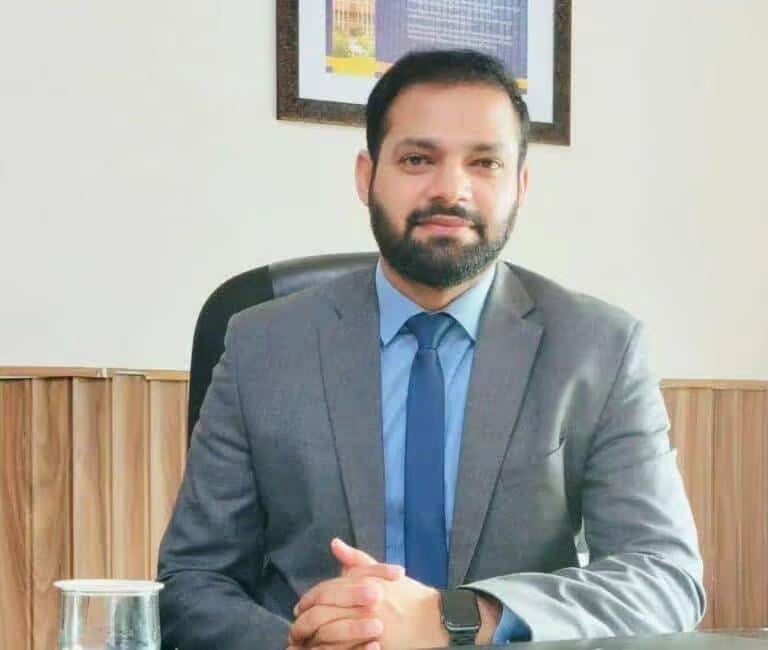
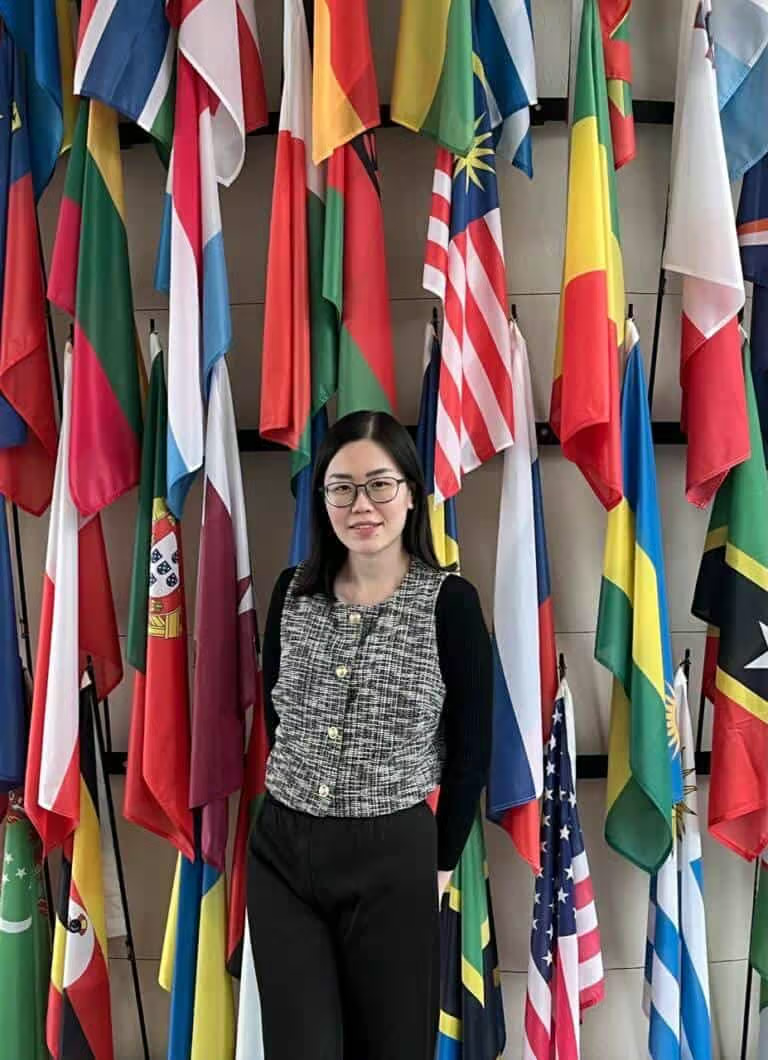
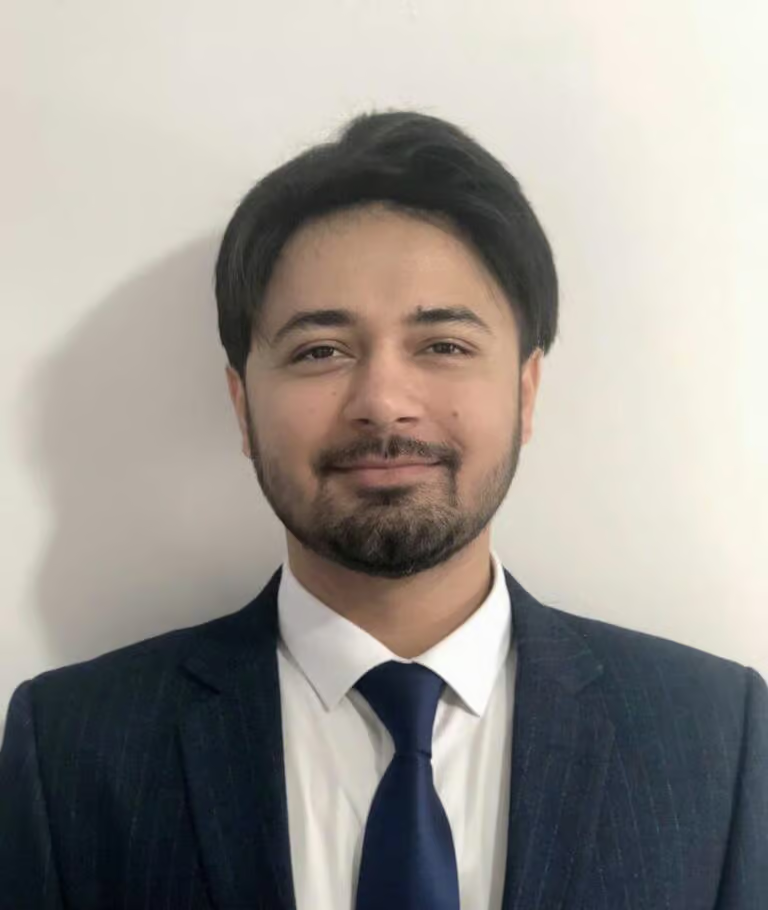
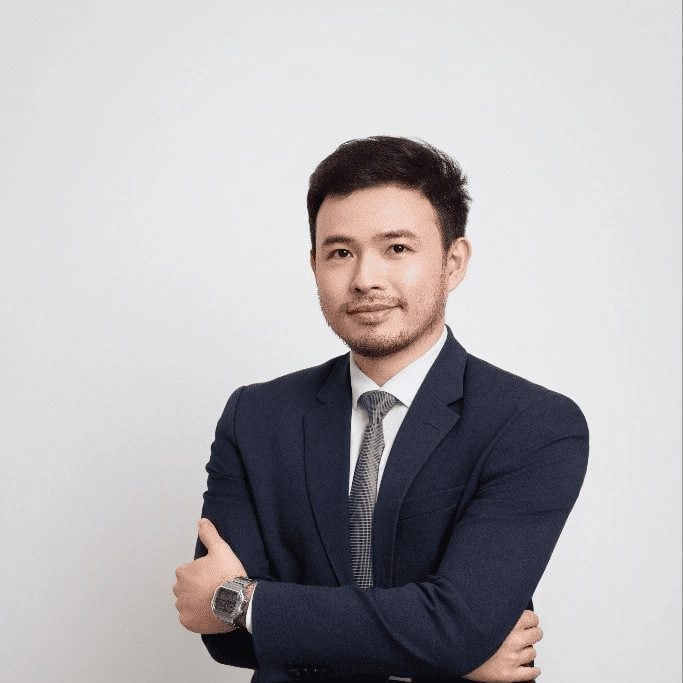







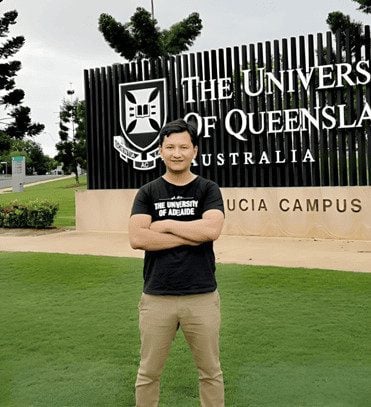


Scholarship Recipients and Their Study Backgrounds
These 31 published stories describe degree study supported by the Chinese Government Scholarship, including bilateral, university, Silk Road, ASEAN University Network and China-Africa Friendship routes.
| Nationalities | Stories per nationality |
|---|---|
| Pakistani | 14 |
| Bangladeshi, Indonesian | 3 each |
| Cambodian | 2 |
| Gambian, Indian, Jordanian, Nepali, Nigerian, Samoan, Serbian, Tanzanian, Turkish | 1 each |
| Degree level | Stories | Subjects |
|---|---|---|
| Bachelor’s | 2 | Biological Science; Chinese Language – Business Chinese |
| Master’s | 20 | Accounting; Chemistry; Control Science and Engineering; Ecology; Economics; Electronic Science and Information Engineering; Environmental Engineering; Environmental Science and Engineering; Food Science and Engineering; International Business and Cross-border E-commerce; International Finance and Investment; Journalism and Communication; Law; Pharmaceutics; Public Health (Maternal and Child Health); Software Engineering; Underwater Acoustic Engineering; World Economics (WTO studies); engineering |
| PhD | 8 | Economics; Electronic Science and Technology; Information and Communication Engineering; International Law; Library, Information and Archives Management; Microbiology; Power Engineering and Engineering Thermodynamics; Urban and Rural Planning |
Funding Reported by Recipients
| Recipient and degree/program | Reported coverage |
|---|---|
| Chang Jonathan — Bachelor’s in Biological Science at Harbin Normal University | Undergraduate education funded for five years. |
| Enes Karakaya (2018–2022) — Bachelor’s in Chinese Language – Business Chinese at Shanghai Normal University | Type A bilateral funding supported undergraduate study after Chinese-language preparation; he obtained approval for an additional language year. |
| Ushna — Master’s in Chemistry at Tianjin University | Full tuition waiver, CNY 3,000 monthly stipend and a CNY 700 monthly living allowance, totaling CNY 3,700 per month. |
| Dr. M. Amjad Iqbal (September 2017–July 2020) — Master’s in engineering at Nanjing University of Science and Technology | Reported CNY 110,000 in tuition coverage, CNY 22,500 for accommodation, CNY 99,000 in stipend payments across 33 months, and a CNY 36,000 research budget. |
| Fahim Faisal (from 2024) — Master’s in Control Science and Engineering at Harbin Engineering University | Tuition waiver, campus accommodation, CNY 800 annual medical insurance and a CNY 3,000 monthly living allowance. |
| Bijan Bhattarai — PhD in Economics at Peking University | Ministry of Finance route: tuition, first-year course books, lodging and RMB 3,500 per month. |
| Dr Mehran Idris Khan — PhD in International Law at Shandong University | Type B funding covered tuition, accommodation, medical insurance and a monthly stipend. Small project and conference grants were separate from the core award. |
| Sohaib Bin Altaf Khattak — PhD in Information and Communication Engineering at Harbin Institute of Technology | Full tuition, monthly living allowance, housing allowance and health insurance for the PhD. |
Examples of Featured Recipients’ Application Backgrounds
| Recipient and degree/program | Scholarship/application route | Reported background and preparation |
|---|---|---|
| Fahim Faisal (from 2024) — Master’s in Control Science and Engineering at Harbin Engineering University | University and scholarship applications | Electrical Engineering and Automation bachelor’s, GPA 2.96/4.00; Chinese-taught associate degree, GPA 3.89/4.00; interpreting, procurement, administration and team-management work with Chinese companies. Connected his study plan to Bangladesh’s energy needs. |
| Chhoeurm Phearun (2024 intake) — Master’s in International Business and Cross-border E-commerce at University of International Business and Economics | Silk Road Scholarship Program | BBA in Hospitality and Tourism Management, GPA 3.83/4.00; a second bachelor’s in English for Professional Communication, internships, volunteering and nearly three years in market research and monitoring and evaluation. |
| Md Rabbi Al Islam — Master’s in Underwater Acoustic Engineering at Harbin Engineering University | University and scholarship applications | Electronic and Information Engineering bachelor’s from Nanjing University of Posts and Telecommunications, GPA 3.31 and average 83.70%; technical certifications, projects and a focused underwater-acoustics research proposal. |
| Bijan Bhattarai — PhD in Economics at Peking University | Ministry of Finance / ISSCAD route | Finance degrees and almost six years in Nepalese banking, including financial-market research and work implementing a digital-payment solution. |
| Dr. Ousman Bajinka (2019–2023) — PhD in Microbiology at Central South University | Doctoral scholarship application | Master’s in Basic and Industrial Microbiology, earlier biological-sciences study, publications before the PhD and a research proposal aligned with the host’s expertise. |
| Dr Mehran Idris Khan — PhD in International Law at Shandong University | Type B route | Prior law degrees, a coherent interest in international and environmental law, early academic writing and direct contact with a prospective supervisor. |
How Recipients Met Language Requirements
| Language requirement route | Stories / total funded degree-study stories | Recipients and examples |
|---|---|---|
| IELTS | 4/31 | 5.5 (Dr. Md. Nurul Islam); 6.5 (Zohaib Ali); 7.5 (Stefan Pekić); IELTS taken for the application (Jessica Bella Setiawan). |
| TOEFL | 1/31 | TOEFL taken for the application (Dr. Ousman Bajinka). |
| English-medium education accepted | 5/31 | English-medium education accepted (Anees Ahmad, Dr Mehran Idris Khan, and 3 others). |
| School-issued English proficiency evidence | 1/31 | School-issued English proficiency evidence used for the application (Oluwaseyifunmi Valentina Oladipo). |
| Explicit English-test exemption at the host | 4/31 | English tests not required in the recipient’s application (Bijan Bhattarai, Fahim Faisal, and 2 others). |
| HSK used for the application | 2/31 | HSK 5, 238/300 (Fahim Faisal); HSK taken for the application (Jessica Bella Setiawan). |
| HSK before progression to the bachelor’s | 1/31 | HSK 5 after scholarship-funded language preparation (Enes Karakaya). |
Standardized Tests Reported by Featured Recipients
| Test | Stories reporting the test / total funded degree-study stories | Linked recipients and reported scores |
|---|---|---|
| GRE | 1/31 | GRE taken for the application (Dr. Ousman Bajinka). |
Application Timelines Reported by Recipients
| Recipient and degree/program | Application or scholarship route | Reported application timeline |
|---|---|---|
| Hendri Wibowo — Master’s in Accounting at Shihezi University | ASEAN University Network route | Described online registration and university choices, hard-copy submission to the AUN Secretariat, interview and recommendation; about four months from sending the hard copy through selection. |
| Fahim Faisal (from 2024) — Master’s in Control Science and Engineering at Harbin Engineering University | University and scholarship applications | Prepared documents several months before the deadline while working full time, completed an approximately 30-minute interview, and left his job in June 2024 after receiving the award. |
Interview Experiences Reported by Recipients
| Recipient and degree/program | Reported interview experience |
|---|---|
| Fahim Faisal (from 2024) — Master’s in Control Science and Engineering at Harbin Engineering University | During a roughly 30-minute interview, he discussed his work experience despite concern about his bachelor’s GPA. He believed his practical experience demonstrated his potential. |
| Syed Nadeem Gillani — Master’s in Environmental Science and Engineering at University of Science and Technology Beijing | Sent a professor his proposal, CV and transcript; an interview followed, then an unconditional acceptance letter supporting the scholarship application. |
| Bijan Bhattarai — PhD in Economics at Peking University | After his application and statement of purpose were approved, he travelled to Beijing for an in-person interview. |
Teaching Languages Reported by Recipients
| Recipient and degree/program | Reported teaching language |
|---|---|
| Fahim Faisal (from 2024) — Master’s in Control Science and Engineering at Harbin Engineering University | English lectures, assignments and thesis; campus administration and daily communication also involved Chinese. |
| Stefan Pekić — Master’s in Law at Shanghai Jiao Tong University | All classes in English, with a separate introductory Chinese course. |
| Dr Mehran Idris Khan — PhD in International Law at Shandong University | Courses and supervision primarily in English, alongside Chinese-language classes. |
| Haneen Ahmad (2021–2026) — PhD in Urban and Rural Planning at Tianjin University | Graduate study involved both English and Chinese, varying by course and academic activity. |
What Recipients Pursued After Their Scholarship-Funded Studies
| Recipient | Scholarship-funded degree/program | Reported outcome or current status |
|---|---|---|
| Chang Jonathan | Bachelor’s in Biological Science at Harbin Normal University | Worked as an environmental scientist at the Scientific Research Organization of Samoa, then completed a master’s in Community Climate Adaptation at Worcester Polytechnic Institute. |
| Enes Karakaya (2018–2022) | Bachelor’s in Chinese Language – Business Chinese at Shanghai Normal University | Pursued a master’s in East Asian Studies at Leiden University and moved from an internship into a full-time role with Huawei, working in marketing and partner ecosystem development in Europe’s energy sector. |
| Rahool Dembani (2017–2020) | Master’s in Software Engineering at Tianjin University | Co-founded AGRIDUNYA TECHNOLOGIES in Pakistan, then pursued doctoral research on privacy-preserving agricultural data technologies. |
| Iqra Tariq | Master’s in Journalism and Communication at Wuhan University | Doctoral researcher in Digital Marketing and Analytics at University of Eastern Finland. |
| Gulzeb Rajput (2017–2020) | Master’s in Environmental Engineering at Tianjin University | Worked in quality, health, safety and environment, with interests in sustainability and decarbonization. |
| Stefan Pekić | Master’s in Law at Shanghai Jiao Tong University | Qualified Serbian attorney running his own law office. |
| Reaksa (completed 2021) | Master’s in Economics at Capital University of Economics and Business | Began a career in Shanghai and later worked in technology consulting in Hong Kong. |
| Oluwaseyifunmi Valentina Oladipo | Master’s in Public Health at Peking University | After completing the programme remotely from Nigeria, worked as a nutritionist in a hospital within the Lagos State Health Service Commission. |
| Ushna | Master’s in Chemistry at Tianjin University | Starting PhD research at Forschungszentrum Jülich in Germany with HITEC/Helmholtz funding. |
| Dr. Md. Nurul Islam (completed 2024) | PhD in Library, Information and Archives Management at Nanjing University | Reported deputy-librarian and adjunct-faculty work in Bangladesh, research-fellow work in Thailand and a postdoctoral research role in Malaysia. |
| Dr. Ousman Bajinka (2019–2023) | PhD in Microbiology at Central South University | Returned as a Senior Lecturer and Researcher at University of The Gambia and completed a postdoc in China. |
| Bijan Bhattarai | PhD in Economics at Peking University | Worked with multilateral and bilateral institutions on economic and financial-sector research for evidence-based policymaking. |
| Dr Mehran Idris Khan | PhD in International Law at Shandong University | Associate Professor in the School of Law at University of International Business and Economics, researching and teaching international, environmental and maritime law. |
| Zahid Iqbal (completed 2025) | PhD in Electronic Science and Technology at Beijing University of Posts and Telecommunications | Postdoctoral researcher at Harbin Institute of Technology. |
| Sohaib Bin Altaf Khattak | PhD in Information and Communication Engineering at Harbin Institute of Technology | Postdoctoral fellow at Prince Sultan University in Riyadh. |
Other Offers in Featured Applicants’ Journeys
| Recipient | Reported alternative | Decision described in the story |
|---|---|---|
| Md Rabbi Al Islam — Master’s in Underwater Acoustic Engineering at Harbin Engineering University | CAS-ANSO Scholarship for an MBA at University of Science and Technology of China; Central South University scholarship for a master’s in Computer Science and Technology with RMB 2,500 monthly allowance. | Chose the Chinese Government Scholarship because he considered its opportunities and support better. |
| Stefan Pekić — Master’s in Law at Shanghai Jiao Tong University | Chinese University of Hong Kong admission and a partial tuition scholarship. | Studied in Shanghai; he distinguished the Hong Kong offer from his scholarship’s housing and living support. |
Applicants Who Declined This Scholarship
| Applicant and intended degree/program | Offer from Chinese Government Scholarship | Alternative chosen | Reason described in the story |
|---|---|---|---|
| Umar Nawaz — Master’s in Transportation Engineering at Southeast University | Full tuition, lodging, medical insurance and a living allowance. | Aalto University scholarship for a master’s in Building Technology. | N/A |
| Fiza Butt — Master’s study at Dalian University of Technology | Tuition and a monthly stipend. | Erasmus Mundus Joint Master's Scholarships | N/A |
| Wirdah Kaif — Master’s in Public Administration at Huazhong University of Science and Technology | A fully funded master’s scholarship offer. | Australia Awards Scholarships for a Master of Public Policy and Management at University of Melbourne. | N/A |
| Muhammad Talha Ahmed — Master’s in Public Health in China | A fully funded scholarship offer. | Erasmus+ EC2U joint master’s in Lifelong Wellbeing and Healthy Ageing. | Comprehensive coverage, mobility funding and multi-country exposure. |
| Zulfiqar Ali — PhD study at Tsinghua University | A doctoral scholarship offer. | ACARP scholarship at University of Adelaide | Supervisor and research goals. |
| Ushna — PhD study at Tsinghua University | Full tuition, CNY 3,500 monthly stipend and CNY 1,000 monthly living allowance. | HITEC/Helmholtz-funded PhD research at Forschungszentrum Jülich. | N/A |
| Mohsin Ali — PhD study in China | A PhD scholarship offer. | Commonwealth PhD Scholarships at Swansea University | The university and supervisor’s research group closely matched his topic in AI-based sustainable concrete. |
| Buhari Lawan Muhammad — PhD study at Huazhong Agricultural University | Full tuition, a stipend and accommodation. | Global Korea Scholarship (GKS) for PhD study in South Korea. | N/A |
What Chinese Government Scholars Say
Advice and reflections from scholars about the Chinese Government application process and programme.
"This fully funded scholarship covers all aspects of my academic journey, including tuition fees, accommodation, health insurance, and a monthly stipend of 3,000 RMB."
"This prestigious scholarship provides comprehensive financial support, covering not only tuition fees but also accommodation and living expenses."
"Do not mass-email professors. Identify 3-5 potential supervisors whose work genuinely excites you and tailor each communication to them specifically."
"Start early – research programs deeply and understand their core objectives."
"Academically, not knowing Chinese will not be an issue, but learning the basics is highly recommended for daily life and cultural integration."
"I also received a China Scholarship Council (CSC) award for my undergraduate studies, which funded my education in China for 5 years"
Frequently asked questions
Common questions about Chinese Government Scholarship, eligibility, funding, and applications.
Yes. The Chinese Government Scholarship overview describes it as a fully funded scholarship, and the recipient stories consistently describe full support. According to Md Rabbi Al Islam, it “covers all aspects of my academic journey”
The award commonly covers tuition, accommodation, health insurance, and a monthly living stipend. For example, Gulzeb Rajput said his scholarship covered tuition, health insurance, and residence, while Eric Tianto described it as providing “comprehensive financial support.”
The general overview lists bachelor’s, master’s, and PhD study levels. In practice, the exact route matters. Many recipient stories in this category are for master’s and PhD study, but Eric Tianto received the Chinese Government Scholarship under the Belt and Road Undergraduate Scholarship for a bachelor’s degree at Sun Yat-sen University. Applicants should therefore check the exact scheme attached to their target university and program.
Many recipients on Global Scholarships studied in English-taught programs. Gulzeb Rajput said, “My classes were conducted in English,” and Stefan Pekić said, “All classes were conducted entirely in English.” That said, not knowing Mandarin can still make daily life harder. Gulzeb noted that “understanding the native language can be helpful,” while Stefan added that “Google Translate was my best friend.”
It depends on the university and whether the program is English-taught or Chinese-taught. Gulzeb Rajput said IELTS was not initially required for his program, although requirements later changed. Chhoeurm Phearun explained that for her English-taught master’s, HSK was not required, but she still needed proof of English proficiency. By contrast, Eric Tianto said that for his Chinese-taught program, “a minimum HSK 4 was required.”
The overview page lists core documents such as the application form, passport scan, highest education certificate, academic transcripts, and language certificate. Recipient stories suggest that a strong personal statement, study plan, CV, research fit, and recommendation letters also matter a lot. Iqra Tariq emphasized her “Letter of Motivation (LOM) and Statement of Purpose (SOP),” while Md Rabbi Al Islam highlighted the importance of “strong recommendation letters.”
The general overview says applicants should contact the university, contact the relevant receiving agency, and submit the scholarship application through the official platform. In recipient stories, this often looks like a dual application process. Muhammad Shoaib described applying through “the CSC portal and the university portal,” which is a useful general model for many applicants.
Not always, but several recipients describe it as a major advantage. Gulzeb Rajput said he was “reaching out to professors via email” to secure acceptance letters. Muhammad Shoaib also explained that an “acceptance or consent letter” can significantly strengthen a scholarship application, even if it is not strictly mandatory.
Yes. Recipient stories repeatedly describe it as prestigious and competitive. Md Rabbi Al Islam called it “one of the most prestigious and competitive scholarships,” and his advice to applicants was to “start early and research thoroughly.”
The deadlines vary by institution and scholarship route. In other words, there is no single universal deadline that fits every Chinese Government Scholarship route.

There are many degrees that are open to international students right now — find yours.

Leave A Comment