
Australian Graduate Research Training Program (AGRTP) Scholar Francisco (Kiko) Bautista from the Philippines Shares His Journey of Securing a Fully Funded PhD at the University of Wollongong, Australia
University: University of Wollongong
Degree: PhD in Politics and International Studies
Previous Education: AB in Communication Research, Polytechnic University of the Philippines; MA in Philippine Studies, University of the Philippines Diliman; Joint MEd in Adult Education for Social Change, University of Glasgow, University of Malta, Tallinn University, and Open University of Cyprus
Scholarship: Australian Graduate Research Training Program (AGRTP) Scholarship – Full Funding (Full Tuition Waiver for 3.5 Years, AUD 36,000 Annual Allowance)
Other Offered Scholarships (if any): Erasmus Mundus Scholarship – Full Funding (Full Tuition Waiver, EUR 1,400 Monthly Stipend)
Social Media
LinkedIn: linkedin.com/in/isko1901/
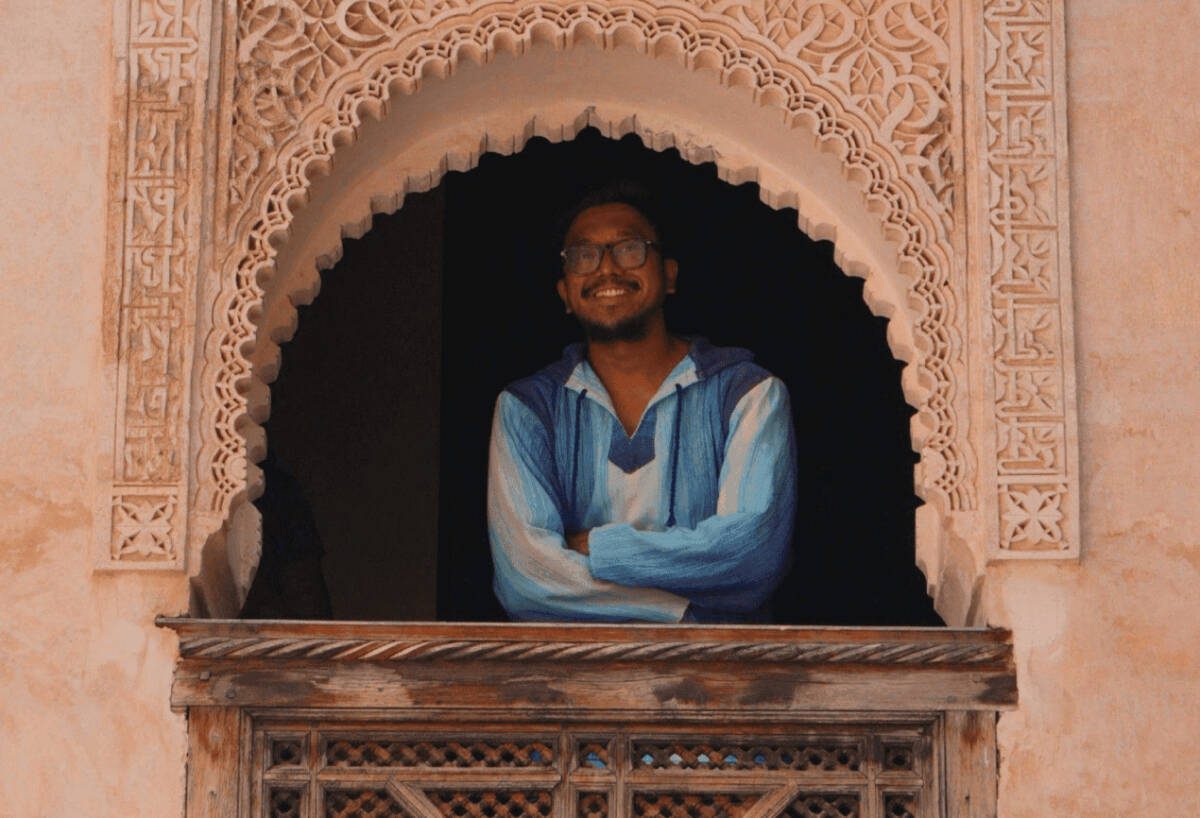
The Journey
I am Francisco (Kiko) Bautista from the Philippines, currently doing a PhD in politics and international studies at the University of Wollongong in Australia. As someone who really enjoys learning and appreciates the complementarity of different subjects, I have pursued academic degrees and majors in various fields. I have an AB degree, major in communication research, from the Polytechnic University of the Philippines in Manila, where I graduated cum laude. This was followed by an MA in Philippine studies, with a minor in philosophy, from the University of the Philippines Diliman, and a joint MEd in adult education for social change (summa cum laude) through a consortium of four European institutions: the University of Glasgow, the University of Malta, Tallinn University, and the Open University of Cyprus.
Prior to my PhD studies, I have worked in different capacities as a journalist, researcher, and civil servant in my home country, the Philippines. I chose politics as a graduate pursuit because my previous work experiences and the academic theses I wrote for my previous degrees all seemed like individual puzzle pieces that, when fit together, create an overall picture of how political actors behave in certain institutional and historical contexts.
Australian Graduate Research Training Program Details
I am fortunate to have received an Australian Graduate Research Training Program (AGRTP) scholarship, which includes a full tuition waiver for 3.5 years and an allowance of around AUD36,000 per annum. This is a national award provided by the Australian Department of Education and Training. For my master’s studies in Europe, I was a recipient of the prestigious Erasmus Mundus scholarship, which included a full tuition waiver and a monthly stipend of EUR1,400 for two years.
Educational Background
My undergraduate studies in the Philippines were preparatory for my eventual foray into graduate scholarship applications. In my country, we have an inverse grading system where 1.0 is considered the highest and 5.0 is failed. I was a nerdy student back then, but I strived to balance hard work and fun for a worthwhile university experience. I got a final average of 1.6, which was enough for me to graduate cum laude. For my master’s studies at UP, I earned a final average of 1.3, which I believe was what secured me an Erasmus Mundus scholarship.
As I said, I have very eclectic academic interests. Majoring in communication research for my undergrad made me appreciate the intersection of the humanities (through media studies), social science, and statistics. Getting a professional career after college allowed me to grasp the practical application of theory. This, and my volunteer work for nonprofit organisations, influenced my decision to study abroad and pursue a master’s in adult education. There, I learned the more practical process of curriculum-making and how it connects to the educational agenda of government institutions and civil society. My desire to pursue a PhD in politics and international studies was driven by a deeper yearning to have a real impact in my country’s policymaking by stressing the importance of popular participation, inasmuch as the leaders’ reception by the public ultimately defines their continued legitimacy.
Did You Take Any Standardized Tests? If So, How Did You Prepare for Them?
I was not required to take an English-language exam for my PhD, being a graduate of a British university for my second master’s. However, for my Erasmus Mundus application, an IELTS score of 6.5 overall, with no sub-test (reading, listening, writing, speaking) below 5.5 or 6.0 was required. For this exam, I managed to get a 7.5. During that time, I remember having limited resources, but I compensated by utilising online tools like IELTS review apps that are available for free. I was also lucky that my testing centre in Manila, run by the British Council, held a free one-day review course as preparation for the exam. I took this opportunity very seriously.
How Did You Prepare to Apply for the Australian Graduate Research Training Program?
Preparing early on in your academic career is key to scholarship success. I was a very diligent student in my undergrad, but I also took time to get involved in extracurricular activities that focused on my leadership skills and advocacy. I notice that many young people are discouraged from applying for graduate studies abroad because they feel that coming from lesser-ranked institutions would diminish their profile and decrease their chances. We need to change that mindset. While studying in prestigious universities offers an advantage, they can also be highly competitive environments where standing out can be a challenge. I believe in turning a supposed weakness into a strength. Many of these institutions are value for money, and they provide opportunities for more personalised mentorship. This would allow you to hone your leadership skills and build your profile early on.
For PhD applications, research is a crucial skill to develop. It rests on the idea that you can contribute something valuable to the production of knowledge. Apart from showing your academic and leadership potentials, you need to demonstrate a viable future impact for your research. Browsing university websites to identify prospective supervisors will lead you to their profiles to see how your project aligns with theirs. Do not hesitate to introduce yourself, but devote some time to preparing a thorough proposal before sending it. If they are interested, they will help you tailor your proposal according to the taste of the admission or scholarship panel. Some of them will reject your proposal but are generous enough to recommend another professor. This is how I met my current supervisor.
What Do You Think Made Your Application Stand Out?
I believe that my PhD application stood out because I devoted more time to preparing my proposal so that it would be taken seriously by a prospective supervisor. I was also receptive of comments from peers who were doing PhDs and I took constructive feedback seriously, demonstrating that I am capable of conceptualising a project and executing it. I have also managed to turn my academic papers in my master’s studies into journal articles, which boosted my résumé. Finally, I made an effort to highlight my previous academic performance, awards, and volunteering experience in my profile.
What Advice Would You Give Those Looking to Apply for a Similar Scholarship?
Believe in yourself, be humble, accept criticisms, and do not overthink your project.
Want to submit your
scholarship journey?
Submit Your Story Here!
More Scholarship Recipients
My name is Ian Cawich. I’m a proud Belizean, specifically from a small northern town called Orange Walk, which serves as t .... Read more
My name is Miguel Felipe Arévalo Castiblanco, and I'm originally from Colombia. I'm currently a PhD candidate in Electrical .... Read more
My name is Brendon Munashe Mahere, and I am from Zimbabwe. I graduated from Al Akhawayn in 2024 with a BSc in Engineering an .... Read more
Leave A Comment