
How Mashhood Shahid Awan, a Pakistani Scholar, Secured a Fully Funded Master’s in Transportation Engineering at Southeast University Through the Chinese Government Scholarship
University: Southeast University
Degree: Master’s in Transportation Engineering
Previous Education: Bachelor’s in Civil Engineering, UET Peshawar (First Division, 2025)
Scholarship: Chinese Government Scholarship – Full Tuition, University Accommodation, Medical Insurance, and RMB 3,000 Monthly Living Stipend
LinkedIn: Mashhood Shahid Awan
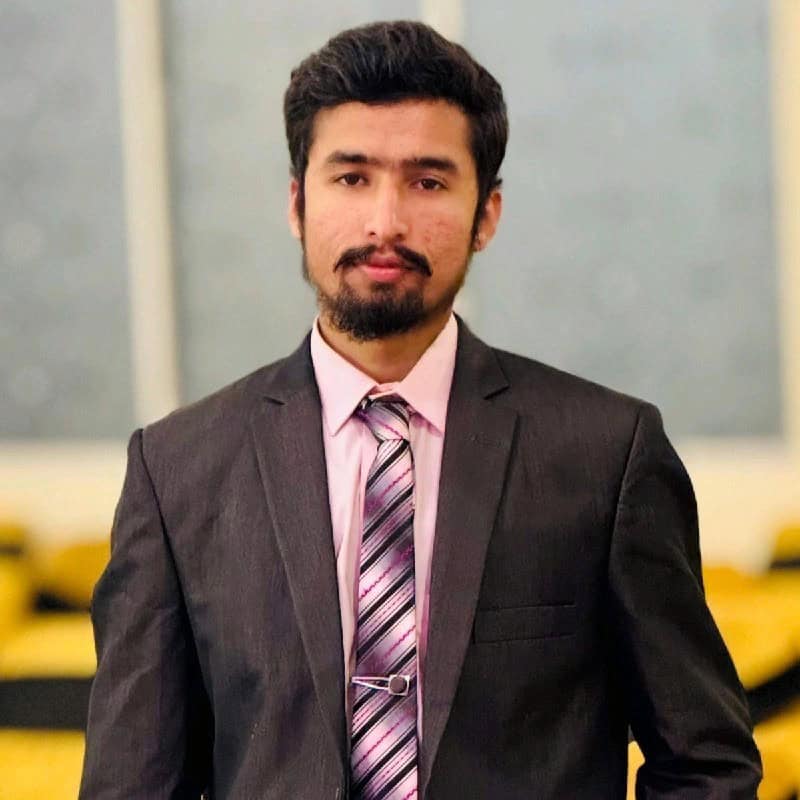
The Journey
My name is Mashhood Shahid Awan, and I am from Khyber Pakhtunkhwa (KPK), Pakistan. I hold a Bachelor's degree in Civil Engineering from the University of Engineering and Technology (UET), Peshawar, Main Campus, one of Pakistan's leading engineering universities.
I am currently pursuing a Master's degree in Transportation Engineering at Southeast University (SEU), China, as a Chinese Government Scholarship (CSC) recipient.
I chose Transportation Engineering because it is closely related to my undergraduate field of Civil Engineering. I am particularly interested in expanding my knowledge of intelligent transportation systems, smart traffic management, and modern transportation infrastructure. I see this specialization as an opportunity to build on my civil engineering background while developing expertise in the future of transportation.
Chinese Government Scholarship Details
I received the Chinese Government Scholarship (CSC), Type B, to pursue my Master's degree in Transportation Engineering at Southeast University, China.
The scholarship is fully funded and covers full tuition fees, university accommodation, comprehensive medical insurance, and a monthly living stipend of RMB 3,000.
Other Admission Offers
Apart from my CSC scholarship at Southeast University, I also applied for Master's admission at two German universities: the University of Stuttgart and TU Dresden. I received admission offers from both institutions. However, these were admission offers rather than scholarship awards. Due to personal reasons, I decided not to pursue them.
Educational Background
I completed my Bachelor's degree in Civil Engineering from the University of Engineering and Technology (UET), Peshawar, Main Campus, in 2025, graduating with First Division.
My final-year project was titled “Structural Health Monitoring of Bridges Using BIM-Enabled Digital Twins.” The project focused on integrating Building Information Modeling (BIM) with structural health monitoring to explore how digital twin technology can be used to monitor bridge conditions. We used wireless sensors to collect structural vibration data and Python for data analysis, alongside Revit and Dynamo for BIM-based visualization.
This research experience developed my interest in digital technologies, infrastructure monitoring, and intelligent transportation systems, motivating me to pursue further studies in Transportation Engineering.
How Did You Prepare to Apply to Southeast University?
I primarily used official university websites and scholarship portals to explore available opportunities and gather information about admission requirements and funding options.
I also contacted professors directly to learn more about potential research opportunities and academic interests. I managed the entire application process independently, from researching universities to preparing and submitting my applications.
My university selection was mainly based on my academic and research interests, particularly in Civil and Transportation Engineering and related emerging technologies.
Did You Take Any Standardized Tests?
I did not take standardized English proficiency tests such as IELTS or TOEFL. Instead, I applied using a Medium of Instruction (MOI) certificate issued by my previous university, confirming that my Bachelor's degree was taught in English.
How Did You Prepare to Apply for the Chinese Government Scholarship?
I prepared my application by carefully reviewing the university's admission requirements and scholarship guidelines available on official websites. I arranged my academic documents according to the university's requirements and completed the necessary notarization procedures based on the respective country's requirements.
For my study plan and research proposal, I sought guidance from senior students and my undergraduate professors, particularly in aligning my proposed research direction with my academic interests.
I also contacted professors directly through email to explore potential research opportunities and discuss academic compatibility. Additionally, I focused on preparing a strong CV and a well-structured study plan to present my academic background, research interests, and future goals.
How Is Your Experience at Southeast University?
My experience at Southeast University has been amazing so far. Being selected to study at a university whose Transportation Engineering discipline is ranked 4th globally and 1st in China is truly overwhelming and a great source of motivation.
It is an exciting opportunity to learn in such a strong academic environment, interact with talented students and researchers, and further develop my knowledge in Transportation Engineering. I am grateful to be part of this academic community and look forward to making the most of my time here.
How Do You Rate Southeast University Academically?
As I have only recently started my Master's studies at Southeast University, I believe it is too early for me to give a comprehensive evaluation of its academic environment. However, I have high expectations and am optimistic about the learning and research opportunities ahead. I look forward to gaining valuable academic and research experience throughout my studies.
How Does Southeast University Support International Students?
So far, my experience with the university's support staff has been very positive. They are helpful and supportive, particularly in assisting international students with their transition into university life.
Another positive aspect is the presence of diverse international student communities, which provide opportunities to interact with people from different cultural backgrounds, build connections, and share experiences. The university environment also offers opportunities to develop language skills and learn more about Chinese culture.
What Is the Language of Instruction?
My Master's programme in Transportation Engineering at Southeast University is taught in English. My academic coursework and lectures are conducted in English, making the programme accessible to international students from different backgrounds.
What Did You Pursue After the Chinese Government Scholarship?
After receiving the Chinese Government Scholarship, I focused on preparing for my move to China and beginning my Master's studies at Southeast University. Before joining SEU, I had gained practical experience in the civil engineering and construction industry, which helped me develop a better understanding of real-world engineering challenges.
Currently, my primary focus is on my Master's degree in Transportation Engineering. Alongside my coursework, I am interested in exploring research opportunities, particularly in intelligent transportation systems, structural health monitoring, BIM, and digital twins. I hope to use this opportunity to strengthen my academic and research capabilities and prepare for future contributions to the engineering field.
Would Students Face Academic Difficulties Without Knowing Mandarin?
In terms of academics, students enrolled in English-taught programmes should not face significant language barriers in their studies. However, daily life in China is a different experience. Chinese is essential for everyday communication, including shopping, transportation, dealing with local services, and interacting with people outside the university.
I would strongly recommend that international students learn at least basic Chinese before or after arriving in China. It makes daily life considerably easier and helps them adapt to the local culture and environment.
What Do You Think Made Your Application Stand Out?
I believe the strongest aspect of my application was the alignment between my academic background, research interests, and proposed field of study. Having a Bachelor's degree in Civil Engineering, I was able to build a clear academic connection with Transportation Engineering.
My final-year project, titled “Structural Health Monitoring of Bridges Using BIM-Enabled Digital Twins,” helped me develop an interest in modern engineering technologies and intelligent infrastructure systems. I also focused on preparing a well-structured study plan that reflected my research interests and future academic goals.
Additionally, I took an independent approach to the application process, researched universities thoroughly, and contacted professors directly to explore research opportunities. I believe this combination of academic relevance, research direction, and genuine motivation strengthened my application.
What Would You Have Done Differently If You Were Going Through the Process Again?
Looking back, I would have started contacting professors much earlier in the application process to establish academic connections and explore research opportunities in advance.
I would also have started learning Chinese before arriving in China. Although my programme is entirely English-taught, knowing Chinese is extremely important for everyday communication and adapting to life in the country.
These are two important lessons I would keep in mind if I were going through the process again.
What Advice Would You Give Those Looking to Apply for a Similar Scholarship?
My advice to future scholarship applicants is to start early, do thorough research, and remain consistent throughout the application process. Explore university websites and official scholarship portals to understand the admission criteria, available funding opportunities, and documentation requirements.
I would particularly encourage students to contact professors early, identify research areas that genuinely interest them, and prepare a well-structured study plan that aligns with their academic background and future goals.
Do not rely entirely on consultants. Take ownership of your applications, communicate directly with universities, and make sure all documents meet the required standards.
Most importantly, do not limit yourself to a single university or country. Explore different opportunities, remain patient, and do not get discouraged by rejections. Every application is a learning experience, and persistence can eventually open the right doors.
My final advice is to believe in your potential, stay consistent, and never hesitate to pursue opportunities beyond your comfort zone.
Want to submit your
scholarship journey?
Submit Your Story Here!
More Scholarship Recipients
My name is Toheeb Lekan Jolaosho, and I am from Lagos, Nigeria. I am a marine ecologist and interdisciplinary researcher wor .... Read more
- Australia
- Austria
- Canada
- Emory University
- Environmental Science
- Erasmus Mundus Scholarship
- Fully Funded Scholarships
- Marine Science
- Master's Scholarships
- McGill University
- Netherlands
- Nigerian Nationality
- Nord University
- Norway
- Ph.D. Scholarships
- Spain
- United States
- Universidad de Las Palmas de Gran Canaria
- University of Alabama
- University of Groningen
- University of Melbourne
- University of Notre Dame
- University of Vienna
My name is Madison Fitzpatrick, and I am from the Bay Area, California. I studied International Security and Conflict Resolu .... Read more
My name is Dr Simon Okomo Aloo. I am a Kenyan interdisciplinary food and biomedical scientist working at the intersection of .... Read more
- Australia
- Australian Government Research Training Program (RTP) Scholarship
- Biology
- Brain Korea 21 (BK21) Fellowship
- Food Science
- Fully Funded Scholarships
- Global Korea Scholarship
- Kangwon National University
- Kenyan Nationality
- Master's Scholarships
- Monash Graduate Scholarship
- Monash University
- Ph.D. Scholarships
- South Korea
- University of Wollongong
Leave A Comment