
Ministry of Finance Scholarship Scholar Bijan Bhattarai from Nepal Shares Their Journey of Securing a Fully Funded PhD at the Peking University, China
University: Peking University
Degree: Doctoral Degree in Economics
Previous Education: Bachelor’s in Finance, Delhi University; Master’s in Finance, Tribhuvan University
Scholarship: Ministry of Finance Scholarship under the Chinese Government Scholarship Program – Comprehensive Funding (Tuition Fees, First-Year Course Books, Lodging, RMB 3,500 Monthly Stipend)
Social Media
The Journey
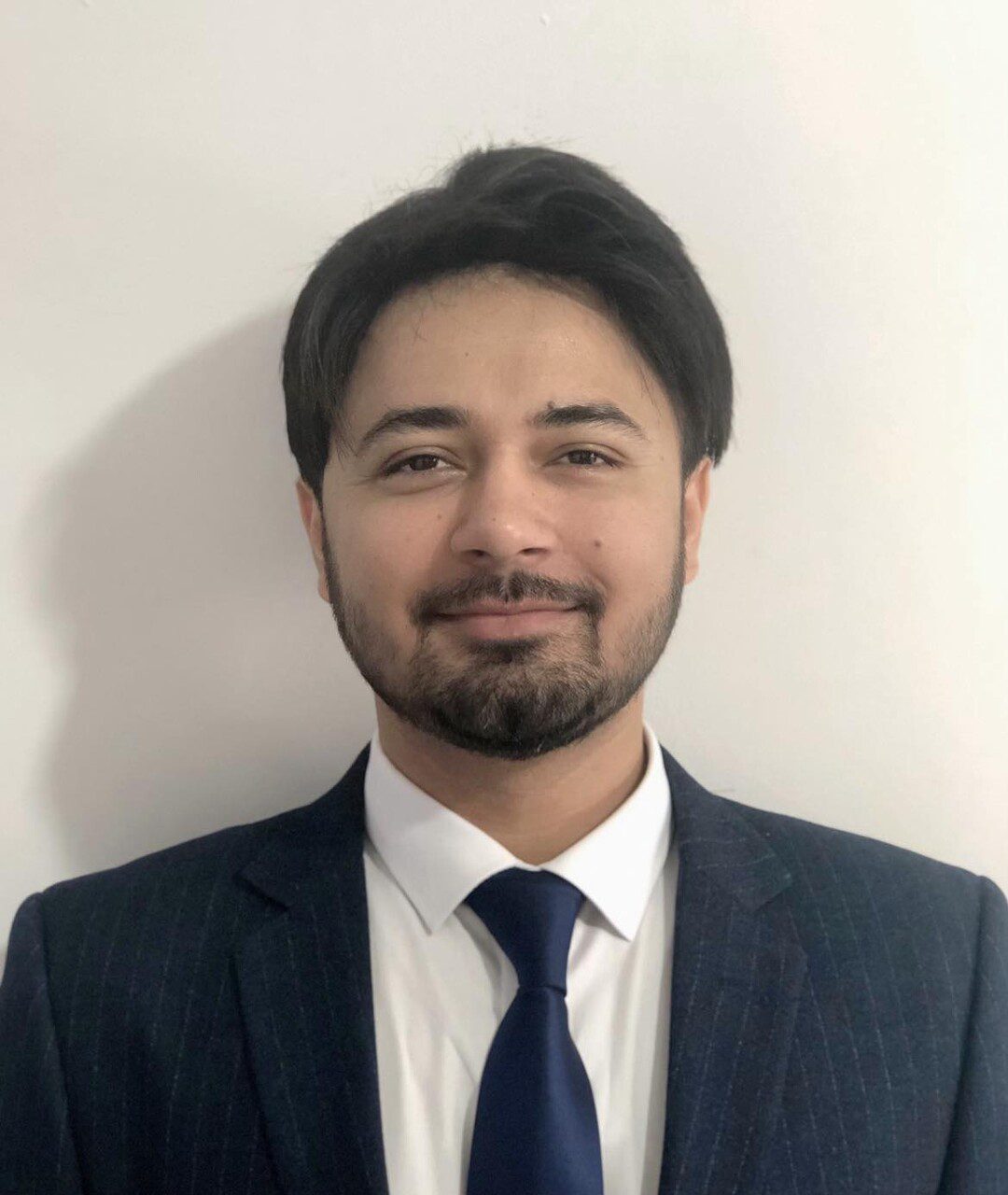
My name is Bijan Bhattarai, and I am from Kathmandu, Nepal. I have an academic and professional background in economics, finance, and policy research. Over the years, I have been involved in analytical work related to financial systems, insurance, economic policy, and development issues in Nepal. My work often focuses on areas such as financial sector performance, risk management, MSME development, and broader economic policy analysis.
I pursued the Doctoral Degree in Economics at Peking University from the Institute of South-South Cooperation and Development (ISSCAD) in the National School of Development (NSD) to deepen my understanding of economic systems and to build the analytical skills needed to address complex development challenges. My doctoral studies allowed me to explore economic and financial issues in greater depth, particularly those affecting developing economies like Nepal. I was motivated to continue my education because I wanted to contribute to evidence-based policymaking and strengthen institutional and financial frameworks that support sustainable economic growth.
Through my academic training and professional experience, I aim to bridge research and practice by applying rigorous analysis to real-world policy and financial sector challenges.
Scholarship Details
The scholarship I received was the Ministry of Finance Scholarship under the Chinese Government Scholarship program to pursue a Doctoral Degree in Economics at Peking University. The scholarship provided comprehensive financial support for my studies. It covered my tuition fees, course books for the first year, and lodging. In addition, I received a monthly stipend of RMB 3,500 to support my living expenses during the duration of the program. Share the details about the scholarship you received, including the institution name, scholarship name, and the amount.
Educational Background
I have a bachelor's degree from Delhi University and a master's degree from Tribhuvan University. While I majored in Finance at the undergraduate and graduate levels, I started working in the Nepalese banking sector, where I spent almost 6 years. While working in the bank, I used to conduct various research related to the financial market and new products. I was also fortunate to research and lead the implementation of a digital payment solution for the bank. These experiences had cultivated in me a desire to pursue a doctoral degree, to learn the necessary tools required to enhance my research skills.
How Did You Find Information About Chinese Government Scholarship and Peking University?
I first learned about the PhD program at Peking University through a family friend who was working at a think tank in Nepal. Interested in the opportunity, I proactively reached out to the institution to express my interest in pursuing the program and sought additional information online. However, as this was the inaugural intake of the program, publicly available information was limited. Therefore, I primarily relied on the official prospectus shared with me via email, which provided detailed insights into the program structure, requirements, and expectations.
Did You Take Any Standardized Tests? If So, How Did You Prepare for Them?
At the time of my application, I was not required to submit any standardized test scores, such as TOEFL or IELTS, for admission into the program. However, I understand that applicants are now required to demonstrate English language proficiency through such tests. While I did not personally take these exams, I ensured that my prior academic background and communication skills were sufficient to meet the program’s requirements.
How Did You Prepare to Apply for the Chinese Government Scholarship?
The application process consisted of three main steps. First, I prepared a Statement of Purpose (SOP), where I clearly outlined my motivation for pursuing a PhD and identified potential research areas I wished to explore for my dissertation.
Second, I completed the online application, which involved submitting all required academic documents, credentials, and formally applying for the scholarship.
Finally, shortlisted candidates were invited for an in-person interview in Beijing. Upon approval of my application and SOP, I traveled to Beijing to attend this final stage of the selection process.
How is Your Experience at Peking University?
I had an incredibly enriching experience at the institution, both academically and personally. Studying under world-class faculty and engaging with peers from diverse international backgrounds created a highly stimulating learning environment. This exposure not only deepened my intellectual capacity but also broadened my perspectives, allowing me to absorb knowledge at a much greater scale. Overall, the experience significantly contributed to my growth as a researcher and as an individual.
How Do You Rate Peking University Academically?
As part of the first cohort to graduate from the program, I had the unique opportunity to witness its evolution and growth over time. Academically, I would rate the institution very highly. The program is thoughtfully designed to combine strong theoretical foundations with practical applications, enabling students to understand how academic concepts translate into real-world contexts.
I particularly value this balanced approach, where academic rigor remains at the core, but learning extends beyond classroom lectures through applied experiences and broader engagement. This integration of theory and practice makes the program both comprehensive and highly relevant.
How Does Peking University Support International Students?
International students are very well supported by the institution. From the moment you arrive in Beijing, there are systems in place to ensure a smooth transition and comfortable settlement. The faculty and administrative staff are approachable and proactive, regularly interacting with students and checking on their academic progress and overall well-being. This supportive environment helps international students adapt quickly and feel welcomed throughout their time at the institution.
Are Your Classes Conducted in English or Mandarin?
The classes are conducted entirely in English, which makes the program accessible to international students and facilitates effective learning in a diverse academic environment.
What Did You Pursue After the Chinese Government Scholarship?
After completing the scholarship, I pursued a career focused on research and evidence generation. I have worked with several multilateral and bilateral institutions, contributing to the development of evidence that supports effective policymaking. My work has primarily involved analyzing economic and financial sector issues and translating research findings into actionable policy insights.
Would Potential Students Have Any Problems Not Knowing Mandarin?
I did not encounter any academic difficulties due to not knowing the native language. Since the program is conducted entirely in English, it allows international students to fully engage with the coursework, faculty, and academic resources without language barriers.
What Do You Think Made Your Application Stand Out?
I believe it was a combination of factors that made my application stand out rather than any single element. Strong letters of recommendation played an important role in highlighting my academic and professional capabilities. Additionally, my Statement of Purpose clearly articulated my motivation, research interests, and long-term goals. Finally, performing well in the interview was crucial, as it provided an opportunity to demonstrate my communication skills, clarity of thought, and overall suitability for the program.
What Would You Have Done Differently if You Were Going Through the Process Again?
There is nothing I would have done differently if I were to go through the process again. I am satisfied with how I prepared and approached each stage of the application, and I believe it reflected my abilities and intentions appropriately at the time.
What Advice Would You Give Those Looking to Apply for a Similar Scholarship?
Studying in China is a unique and enriching experience. Initially, international students may find it challenging to adjust to the new environment, including differences in culture, language, food, and social norms. However, once you settle in, you begin to appreciate the depth of learning opportunities and the richness of the experience, both academically and personally.
From an application perspective, I would advise prospective applicants to prepare all required documents well in advance. It is also important to carefully track deadlines and follow the overall application timeline to avoid last-minute stress. I would strongly recommend not delaying the application process and ensuring that everything is completed in a timely and organized manner. Additionally, maintaining a clear line of communication, whether with faculty members, admissions staff, or alumni, can be very helpful in gaining guidance and clarity throughout the process.
Want to submit your
scholarship journey?
Submit Your Story Here!
More Scholarship Recipients

My name is Anna Nana Agyeiwaa Mensah, a professional nurse from Ghana. My interest in Global Health grew out of my experienc .... Read more
My name is Ratul Chakraborty, and I am from Bangladesh. My background is interdisciplinary, actually. Before coming to Germa .... Read more
My name is Mabel Zuñiga. I am a graduate student from Panama pursuing a Master’s degree in Public Policy at the Universit .... Read more
Leave A Comment