
How Sajid Aziz, a Pakistani Scholar, Secured a Fully Funded Master’s in Civil Engineering at Tianjin University Through the Chinese Government Scholarship
University: Tianjin University
Degree: Master’s in Civil Engineering
Previous Education: BEng in Civil Engineering, Shenyang Jianzhu University (2012–2016; CGPA: 3.5/4.0)
Scholarship: Chinese Government Scholarship – Tuition, Accommodation, Medical Insurance and RMB 3,000 Monthly Stipend; 2017–2019
Other Offered Scholarships: Presidential PhD Scholarship at Zhengzhou University – Tuition, Accommodation, Insurance and RMB 3,500 Monthly Stipend (Joined 2019; Later Discontinued); SJZU International Student Scholarship for Excellent Academic Achievements, Third Prize (2015, Received During Bachelor’s Studies); Tianjin University CSC PhD in Geotechnical Engineering – Tuition, Accommodation, Insurance and RMB 3,500 Monthly Stipend (2023; Declined for Family and Professional Responsibilities)
LinkedIn: Sajid Aziz
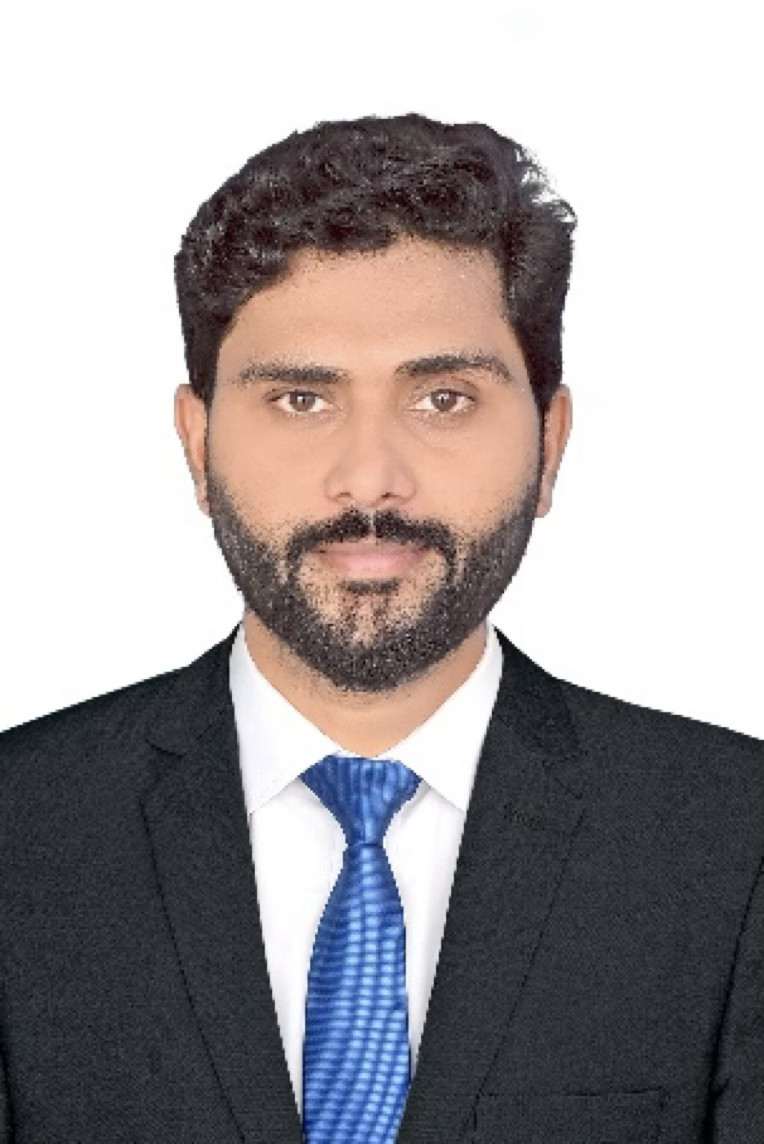
The Journey
My name is Sajid Aziz, and I am from Pakistan. I am a Civil Engineer with an academic background in Civil Engineering and international experience in the engineering and construction industry.
I completed my bachelor’s degree in civil engineering from Shenyang Jianzhu University (SJZU), China, and subsequently earned my master’s degree in civil engineering from Tianjin University, China, in 2019.
My interest in Civil Engineering, particularly infrastructure development, construction technology and geotechnical engineering, motivated me to pursue higher education. I wanted to strengthen my technical knowledge, gain international academic exposure and develop the skills necessary to contribute to major engineering projects.
Studying in China provided me with an excellent opportunity to achieve these goals while experiencing a different culture and academic environment.
Chinese Government Scholarship Details
I received the Chinese Government Scholarship (CSC) to pursue my master’s degree in civil engineering at Tianjin University, China.
It was a fully funded scholarship that covered:
- Full tuition fees.
- University accommodation.
- Comprehensive medical insurance.
- A monthly living stipend of RMB 3,000.
The scholarship provided me with the financial support necessary to focus on my studies and research without the burden of tuition fees and accommodation expenses.
I am very grateful to the Chinese Government and Tianjin University for providing me with this opportunity.
Other Offered Scholarships
Yes. Apart from the Chinese Government Scholarship, I received two additional fully funded PhD scholarship opportunities from Chinese universities.
Zhengzhou University, China (2019)
After completing my Master's degree, I received a Presidential fully funded Scholarship from Zhengzhou University to pursue a PhD in Civil Engineering.
The scholarship offered the following benefits:
- Full tuition fee waiver.
- University accommodation.
- Comprehensive medical insurance.
- Monthly stipend of RMB 3,500.
I joined the university in 2019. However, the COVID-19 pandemic began in early 2020, and I had to return to Pakistan. Following the closure of international borders, I continued my studies online and completed three semesters remotely.
Eventually, due to the prolonged uncertainty surrounding the reopening of international borders, I decided to pursue professional opportunities instead.
- Tianjin University, China (2023)In 2023, I applied again to Tianjin University for a PhD in Geotechnical Engineering and was fortunate to receive another fully funded CSC scholarship.
The scholarship provided benefits similar to my previous PhD scholarship, including full tuition coverage, accommodation, medical insurance, and a monthly stipend of RMB 3,500.
However, due to family responsibilities and the need to provide financial support to my family, I decided to continue my professional career rather than pursue further studies. It was a difficult decision, but I felt it was the right one at that stage of my life.
- In 2015, I was awarded the Third Prize of the SJZU International Student Scholarship for Excellent Academic Achievements.
Educational Background
My academic journey in Civil Engineering began in China, where I completed both my Bachelor's and Master's degrees.
Bachelor's Degree:
- Degree: Bachelor of Engineering in Civil Engineering.
- University: Shenyang Jianzhu University (SJZU), China.
- Duration: 2012–2016.
- Graduation date: 1 July 2016.
- CGPA: 3.5/4.0.
During my undergraduate studies, I maintained good academic performance.
Master's Degree:
- Degree: Master of Science in Civil Engineering.
- University: Tianjin University, China.
- Duration: 2017–2019.
- Graduation date: 15 June 2019.
- Scholarship: Chinese Government Scholarship (CSC).
My undergraduate education provided me with a strong foundation in structural engineering, construction materials, geotechnical engineering, and other core civil engineering subjects. This academic foundation helped me successfully pursue postgraduate studies and develop my research interests.
How Did You Prepare to Apply to Tianjin University?
I started by researching Chinese universities offering postgraduate programmes in Civil Engineering. I focused on universities with strong engineering departments, research facilities, and scholarship opportunities for international students.
I also considered the university's academic reputation, programme structure and research environment before deciding where to apply.
How Did You Find Information About the Chinese Government Scholarship and Tianjin University?
I explored university websites, scholarship announcements and the Chinese Government Scholarship information portal. I also researched different universities offering scholarships to international students.
Official university websites and the CSC portal were particularly useful in understanding admission requirements, available programmes, and application procedures.
Did You Take Any Standardized Tests? If So, How Did You Prepare for Them?
No, I did not take IELTS, TOEFL, GRE, or any other standardized English proficiency test for my admission. My admission was based on an English Proficiency Certificate issued by my previous university, confirming that I had sufficient English language proficiency to pursue my studies in an English-medium programme.
How Did You Prepare to Apply for the Chinese Government Scholarship?
I carefully reviewed the admission and scholarship requirements of Tianjin University.
I applied directly to Tianjin University for admission and also completed the application through the Chinese Government Scholarship online application portal.
I focused on presenting my academic qualifications, previous educational achievements, and relevant supporting documents.
My undergraduate academic record, including my CGPA of 3.5/4.0 and the academic excellence award I received in 2015, supported my application.
My advice is to carefully follow the instructions provided by both the university and the scholarship authority. Applicants should ensure that all required documents are accurate, complete, and submitted before the deadlines.
How Is Your Experience at Tianjin University?
My experience at Tianjin University was excellent and remains one of the most memorable periods of my academic life.
The professors were highly cooperative, supportive, and knowledgeable. The university provided a very good research environment for international students, allowing us to learn, explore new ideas, and develop our technical capabilities.
I particularly appreciated the international academic environment, where students from different countries could interact, exchange knowledge and learn from one another.
My experience was so positive that, even after completing my Master's degree, I applied again to Tianjin University in 2023 for a PhD in Geotechnical Engineering. Fortunately, I received another fully funded scholarship from the university.
How Do You Rate Tianjin University Academically?
I would rate Tianjin University very highly academically.
The university has a strong academic reputation, experienced professors, excellent research facilities, and a supportive learning environment.
What impressed me most was the combination of theoretical knowledge and research-oriented learning. Students have opportunities to develop their academic knowledge while working on research problems under the guidance of experienced professors.
My personal experience was very positive, and I would certainly recommend Tianjin University to international students interested in engineering and other technical disciplines.
How Does Tianjin University Support International Students?
My experience with Tianjin University was very positive in this regard.
The university provided international students with accommodation and access to academic facilities. The professors and relevant university staff were cooperative and supportive.
The international student environment also made it easier to interact with students from different cultural and educational backgrounds.
Overall, I found the university welcoming and supportive of international students.
Were Your Classes Conducted in English or Mandarin?
Both my Bachelor's and Master's degree programmes were conducted in English.
This was particularly helpful because I could concentrate on my academic studies without initially needing advanced Chinese language proficiency.
However, living in China also encouraged me to learn the local language. Over time, I developed my Chinese communication skills and achieved HSK Level 4.
Would International Students Have Academic Problems Without Knowing Mandarin?
In my experience, international students can successfully pursue English-medium programmes in China without being fluent in Chinese.
Since my Bachelor's and Master's programmes were conducted in English, I did not face major academic difficulties due to the language barrier.
However, learning basic Chinese is highly recommended. It makes everyday life easier, helps students communicate with local people and provides a better understanding of Chinese culture.
I personally believe that learning the local language is an added advantage for international students, even when their academic programmes are taught in English.
What Did You Pursue After the Chinese Government Scholarship?
After completing my Master's degree in 2019, I received the Presidential Scholarship from Zhengzhou University for a PhD in Civil Engineering.
I joined the programme, but the COVID-19 pandemic disrupted my plans. After returning to Pakistan, I continued my studies online for three semesters. Due to the prolonged uncertainty surrounding international travel and university reopening, I eventually decided to enter the professional engineering field.
I joined PowerChina, a Chinese engineering and construction company, in Pakistan. Later, I was transferred to an international project in Laos, where I worked on the 600 MW Monsoon Wind Power Project.
After completing my assignment in Laos, I received another professional opportunity with China Energy Engineering Corporation (CEEC) in Saudi Arabia.
Currently, I am working in Saudi Arabia on the Qassim-2 1,980 MW Combined Cycle Gas Turbine (CCGT) Independent Power Plant project.
Looking back, my educational journey in China played an important role in shaping my professional career and opening doors to international engineering opportunities.
What Do You Think Made Your Application Stand Out?
I believe several factors contributed to the success of my scholarship applications.
- First, I maintained a good academic record throughout my undergraduate studies, graduating with a CGPA of 3.5/4.0.
- Second, receiving the Third Prize of the SJZU International Student Scholarship for Excellent Academic Achievements in 2015 demonstrated my commitment to academic performance.
- Third, my academic background was closely related to my intended postgraduate field. Having a Bachelor's degree in Civil Engineering provided a strong foundation for pursuing a Master's degree in the same discipline.
- Finally, I believe that having a clear academic direction, meeting the university's requirements and submitting a complete application were important factors.
What Would You Have Done Differently If You Were Going Through the Process Again?
If I were applying again, I would start preparing even earlier.
I would spend more time researching professors, their research interests, and ongoing projects to identify opportunities that closely match my academic interests.
I would also strengthen my research proposal and academic profile, improve my Chinese language skills earlier, and explore more scholarship opportunities.
One important lesson I learned is that students should not focus only on securing admission. They should also think about their long-term academic and professional goals.
What Advice Would You Give Those Looking to Apply for a Similar Scholarship?
My advice to prospective students is to believe in themselves and explore the opportunities available in China.
Based on my personal experience, I would suggest the following:
- Research universities carefully: Do not apply randomly. Identify universities that offer programmes related to your academic background and future interests.
- Maintain a good academic record: Your CGPA and academic achievements can play an important role in scholarship applications.
- Check official scholarship requirements: Always refer to the official university and CSC websites to understand the eligibility criteria, required documents, and application deadlines.
- Prepare your documents in advance: Academic transcripts, degree certificates, recommendation letters, and English proficiency certificates should be prepared carefully.
- Contact potential supervisors: For research-based postgraduate programmes, identifying professors whose research interests match yours can be helpful.
- Apply to multiple suitable opportunities: Do not depend entirely on one university or scholarship. Explore different institutions and available funding opportunities.
- Learn basic Chinese: Even if your programme is taught in English, learning Chinese will make your life in China much easier and more enjoyable.
Most importantly, do not give up if your first application is unsuccessful. Stay motivated, improve your academic profile, and continue exploring opportunities.
My own journey taught me that international education can create opportunities that extend far beyond the classroom. Receiving the Chinese Government Scholarship was not just financial support for my education; it was an opportunity to experience a new culture, build international connections, and develop a career that eventually took me from China to Pakistan, Laos, and Saudi Arabia.
I hope my experience encourages other students, particularly those from Pakistan and other developing countries, to explore international scholarship opportunities and work towards their academic dreams.
Want to submit your
scholarship journey?
Submit Your Story Here!
More Scholarship Recipients
My name is Amílcar Mário Furtado Quinta, and I am an Angolan corporate lawyer and university lecturer from Luanda, Angola. .... Read more
Hi, I am Ali from Karachi, Pakistan. I am currently studying Physics at University College London, where I am enrolled in an .... Read more
My name is Viengsavanh Xaychaleune (Vern) from Lao PDR. I currently serve as the Cluster Marketing and Communications Manage .... Read more
Leave A Comment