
Chevening Scholarship Scholar Md Jahedul Islam from Bangladesh Shares His Journey of Securing a Fully Funded Master's at the University of Birmingham, United Kingdom
University: University of Birmingham
Degree: Master of Public Health (MPH) in Global Health
Previous Education: BSS in Anthropology, University of Chittagong; MSS in Anthropology, University of Chittagong; Postgraduate Diploma in Project Management
Scholarship: Chevening Scholarship – Fully Funded (Tuition Fees, Monthly Living Allowance, Travel Costs, Additional Grants and Allowances)
Social Media
LinkedIn: linkedin.com/in/md-jahedul-islam-mss-pgd-b7b7a41ab/
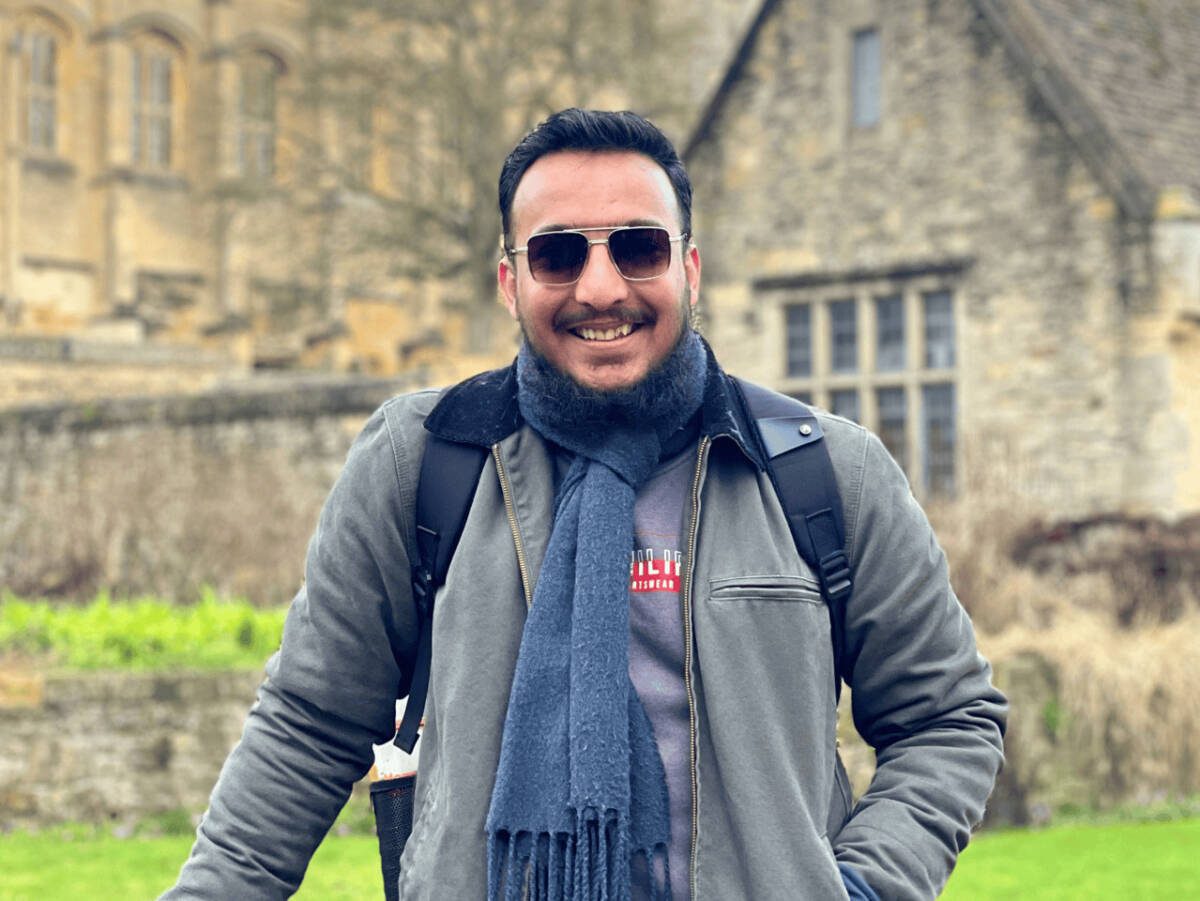
The Journey
My name is Md Jahedul Islam, and I am from Bangladesh. I come from a background in Anthropology, but over time, my academic and professional journey has evolved into the field of Public Health.
From early in my career, I was deeply interested in understanding how social, cultural, and environmental factors shape health outcomes. This curiosity led me to work in public health research at BRAC James P Grant School of Public Health, where I was involved in several national and multi-country research projects focusing on health systems and service delivery.
I am currently pursuing a Master of Public Health (MPH) in Global Health at the University of Birmingham as a Chevening Scholar (2025-26). I chose this field because I want to bridge the gap between human experiences and data-driven public health solutions, particularly in low- and middle-income countries like Bangladesh.
My journey has not been straightforward. There were moments of uncertainty, self-doubt, and challenges in navigating competitive scholarship processes. However, through persistence, continuous learning, and a clear vision of contributing to public health systems, I kept moving forward.
Chevening Scholarship Details
I am a recipient of the Chevening Scholarship, funded by the UK Government’s Foreign, Commonwealth, and Development Office (FCDO). This is a fully funded scholarship that supports one year of postgraduate study in the UK. The scholarship covers:
- Full tuition fees
- Monthly living allowance
- Travel costs
- Additional grants and allowances
Beyond financial support, Chevening also provides access to a global network of professionals and leaders, which is one of its most valuable aspects.
Educational Background
I completed both my BSS and MSS in Anthropology from the University of Chittagong, Bangladesh. My academic training helped me develop a strong understanding of human behavior, social systems, and cultural contexts. In addition, I completed a Postgraduate Diploma in Project Management, which strengthened my skills in planning, implementation, and managing development projects.
Professionally, I have worked for over five years as a public health researcher at BRAC James P Grant School of Public Health and BRAC NGO in Bangladesh. My work has focused primarily on qualitative research, including interviews, thematic analysis, and implementation research in healthcare settings. Each step of my academic and professional journey has built on the previous one. Anthropology gave me the lens to understand people and communities, while my research experience allowed me to apply that understanding to real-world public health challenges. This combination prepared me well for advanced study in global health.
How Did You Prepare to Apply to the University of Birmingham?
I spent considerable time researching universities and programmes that aligned with my career goals. I carefully reviewed course structures, modules, and faculty expertise to ensure a strong fit. I focused on preparing a compelling personal statement that clearly connected my academic background, professional experience, and future goals. Rather than using a generic approach, I tailored my application to reflect why the University of Birmingham was the right place for my academic and professional development.
How Did You Find Information About the Chevening Scholarship and University of Birmingham?
I relied on multiple sources, including:
- Official Chevening and university websites
- LinkedIn and alumni networks
- Previous scholarship recipients
- Professional connections and mentors
Learning from people who had already gone through the process was especially helpful in understanding expectations and preparing effectively.
Did You Take Any Standardized Tests? If So, How Did You Prepare for Them?
English proficiency test. I prepared by:
Yes, I took the
- Practising with mock tests regularly
- Focusing on writing and speaking skills
- Using online resources and sample questions
- Maintaining consistency over time
How Did You Prepare to Apply for the Chevening Scholarship?
Preparing for the Chevening Scholarship was one of the most demanding and reflective processes I have gone through. It was not something I approached casually; it required months of structured effort, self-evaluation, and continuous improvement.
First, I invested a significant amount of time understanding what Chevening actually looks for. I carefully studied the scholarship’s core values - leadership, networking, and a clear career vision - and realised that it is not just about academic excellence, but about impact and influence. This changed how I approached my application entirely.
Second, I worked extensively on my four essays: leadership, networking, studying in the UK, and career plan. Writing these essays was not a one-time task. I went through multiple drafts, constantly refining them to make sure they were not generic. I focused on using real, concrete examples from my professional experience in public health research, showing not only what I did, but what impact I created. At times, it was challenging to translate years of experience into concise and compelling stories, but that process helped me understand my own journey more clearly.
Third, I actively sought feedback. I shared my essays with mentors, colleagues, and previous scholars, and incorporated their critical feedback. Sometimes this meant rewriting entire sections, which was frustrating, but it significantly improved the quality of my application.
Fourth, I prepared seriously for the interview stage. I treated it as equally important as the written application. I practised answering questions on my leadership experiences, career goals, and why I chose the UK. I also worked on how to present my ideas clearly and confidently under pressure. This preparation helped me stay composed and authentic during the actual interview.
Finally, consistency and persistence played a huge role. Balancing a full-time professional role while preparing for Chevening was not easy. There were moments of self-doubt and uncertainty, but I stayed committed to the process. I kept revisiting my goals and reminding myself why I started.
Looking back, Chevening was not just an application process for me; it was a journey of self-discovery. It forced me to think deeply about my leadership, my network, and the long-term impact I want to create in public health.
How is Your Experience at the University of Birmingham?
My experience so far has been enriching and challenging. The UK education system encourages independent learning, critical thinking, and active participation, which has helped me grow both academically and professionally.
How Do You Rate the University of Birmingham Academically?
The University of Birmingham offers a strong academic environment with a focus on both theoretical knowledge and practical application. The diverse student body and experienced faculty provide a global perspective on public health issues.
How Does the University of Birmingham Support International Students?
The university provides various support services for international students, including academic guidance, career support, and well-being services. There are also student communities and networks that help create a supportive environment.
What Do You Think Made Your Application Stand Out?
I believe a few factors contributed to my success. First, I had a clear and realistic career vision focused on improving public health systems in Bangladesh. Second, my professional experience in research demonstrated practical impact and commitment. Third, I used authentic storytelling in my essays, sharing real experiences rather than generic ideas.
What Would You Have Done Differently if You Were Going Through the Process Again?
If I could go through the process again, I would: Start even earlier, seek more feedback from previous scholars, and apply to more opportunities.
What Advice Would You Give Those Looking to Apply for a Similar Scholarship?
First, start early and give yourself enough time to prepare a strong application. Second, be authentic. Share your real experiences and motivations. Third, focus on impact. Show what you have done and what you aim to achieve. Fourth, understand the values of the scholarship and align your application accordingly. Finally, stay persistent. Rejections are part of the journey, but consistency and determination will eventually lead to success.
Want to submit your
scholarship journey?
Submit Your Story Here!
More Scholarship Recipients
My name is Shah Hussain, and I am from Khyber Pakhtunkhwa, Pakistan. I completed my Bachelor’s in Psychology at the Univer .... Read more
I am June from the Philippines. I am an educator for Social Sciences and Humanities. I recently earned my Master in Southeas .... Read more
Hi, my name is Abdul Hafeez, and I come from a small town called Nasirabad in Sindh, Pakistan. Currently, I am pursuing a ma .... Read more
Leave A Comment