
DAAD Study Scholarship Scholar Julia Stepanova from Russia Shares Her Journey of Securing a Fully Funded Master's at the Kiel University, Germany
University: Kiel University
Degree: M.Sc. in Medical Life Sciences with a focus on Oncology
Previous Education: M.D. degree from Sechenov University, Moscow
Scholarship: DAAD Study Scholarship – Master Studies in Germany – Monthly Stipend (Living Expenses and Study-Related Costs)
Social Media
LinkedIn: linkedin.com/in/julia-stepanovaa/
The Journey
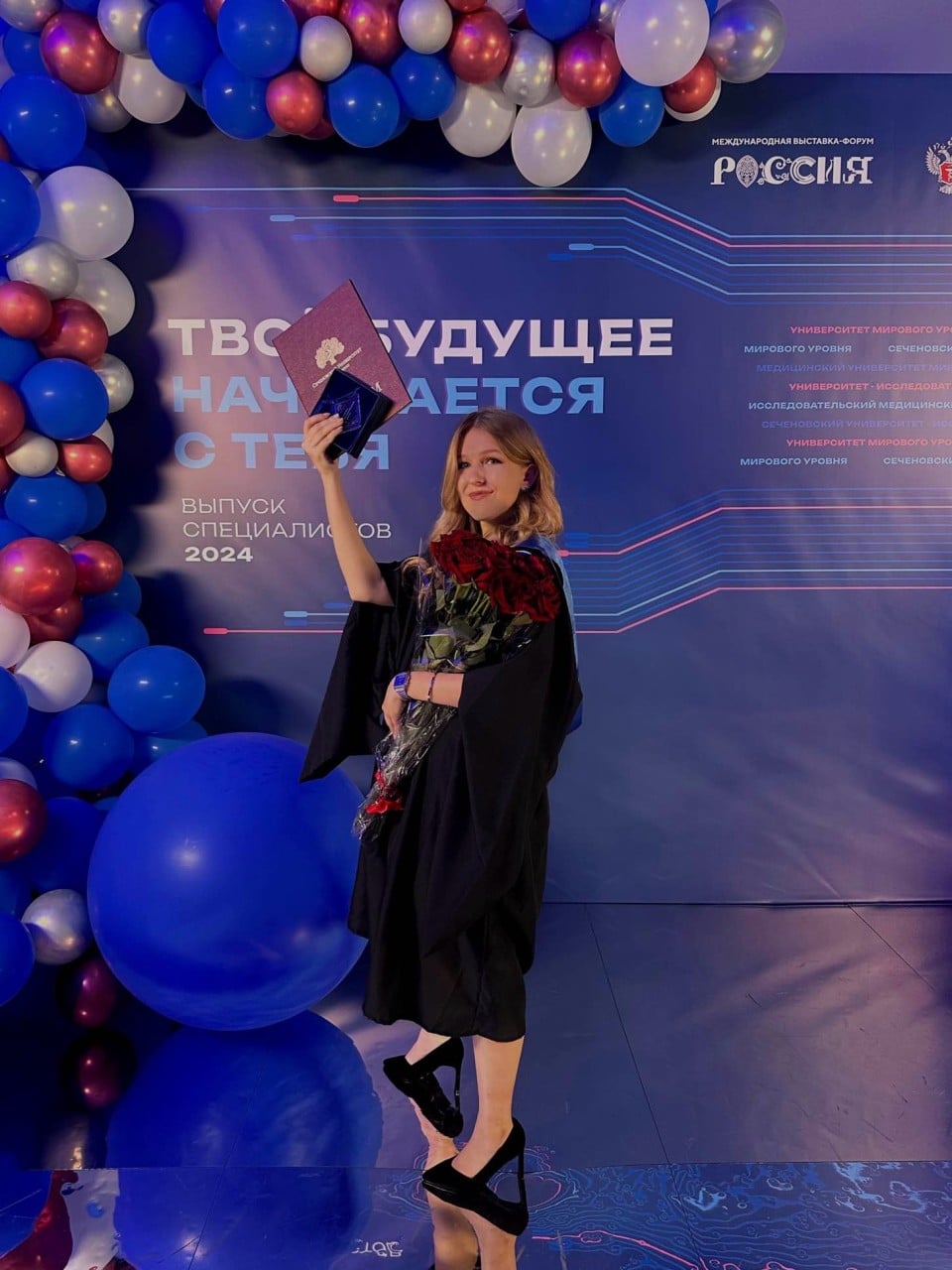
My name is Julia Stepanova, and I am originally from Russia. I am currently pursuing an M.Sc. in Medical Life Sciences with a focus on Oncology at Kiel University.
Before moving to Germany, I graduated with distinction as a Medical Doctor from Sechenov University in Moscow. During my studies, I became deeply interested in molecular medicine and oncology, especially its translational approach.
I decided to continue my education abroad because I wanted to gain international research experience and study in a highly interdisciplinary scientific environment. Germany stood out to me because of its strong biomedical research infrastructure, research-oriented education system, and accessibility for international students.
My long-term goal is to work in translational oncology and contribute to the development of personalized medicine.
DAAD Study Scholarship Details
I was awarded the DAAD Study Scholarship for Master's Studies in Germany, which supports international students pursuing graduate studies at German universities.
- Institution: CAU (Kiel University)
- Scholarship: DAAD Study Scholarship – Master's Studies in Germany
- Amount: Monthly stipend provided by DAAD to cover living expenses and study-related costs
Receiving this scholarship was a life-changing opportunity because it allowed me to continue my education internationally and fully focus on my academic and research development.
Were You Offered Any Other Scholarships?
I previously received the Increased Academic Excellence Scholarship at Sechenov University during my medical studies due to strong academic performance.
Educational Background
I graduated with distinction from Sechenov University with an M.D. degree. My GPA was 4.75/5.00.
During my studies, I actively participated in research projects in oncology, pathology, and translational medicine. My academic background combined both clinical medicine and laboratory research, which prepared me well for research-oriented master’s programs abroad.
I worked in several research and clinical environments, including:
- preclinical oncology research with murine tumor models,
- digital pathology and AI-assisted cancer diagnostics,
- histology and immunohistochemistry,
- oncology clinical trial workflows and pharmacovigilance.
I also co-authored scientific publications and presented research at international conferences in the Netherlands, Hungary, and Russia.
Outside academics, I organized scientific conferences and journal clubs and supervised student scientific groups, which helped me develop leadership and communication skills.
How Did You Prepare to Apply to Kiel University?
I spent a significant amount of time researching university websites, scholarship databases, DAAD resources, and student experiences online. I also looked carefully into program structures, research focus areas, faculty interests, and language requirements. For me, choosing a university was not only about rankings but also about whether the program aligned with my interests in oncology, molecular medicine, and translational research. I also read many scholarship success stories from previous international students, especially from my country with similar background, which helped me better understand the application process and made it feel more achievable.
Did You Take Any Standardized Tests? If So, How Did You Prepare for Them?
Yes, I took IELTS and achieved an overall score of 7.0. To prepare, I practiced academic English consistently, especially scientific reading and writing.
Since my field involves extensive research work and scientific literature analysis, reading papers in English became one of the best forms of preparation.
How Did You Prepare to Apply to the DAAD Scholarship?
I also practiced writing essays and solving mock exams during a special training course for IELTS to improve time management during the test. To pass the exam, I had to fly to another country because in Russia, since 2022, it’s not possible to pass international exams, unfortunately. My exam was in Tashkent, Uzbekistan, and it was very nice to combine the exam with a vacation.
I focused heavily on preparing strong and authentic application materials. I spent a lot of time working on my motivation letters and explaining not only my academic achievements, but also my long-term goals and personal motivation for studying abroad.
I tried to show that my interest in science and medicine was consistent throughout my academic journey through research, publications, presentations, and extracurricular academic activities.
At the same time, I learned that scholarship applications are not only about grades. Committees also evaluate motivation, resilience, initiative, leadership potential, and the ability to contribute to international academic communities.
One important thing I learned is that preparation takes much longer than expected. Collecting documents, recommendation letters, translations, language certificates, and application materials requires a lot of organization and time management. Also, DAAD deadlines are very early compared to other scholarships, so it’s very important to begin preparation in advance. I started to prepare for my IELTS exam and thought about documents in the summer when the deadline was in October. And one year before, I also knew which relevant experience in research I had to gain to show my expertise and desire to get this scholarship and continue my studies and career abroad.
A Personal Part of My Scholarship Journey
One important thing I want to mention is that my journey was not straightforward or perfect. At first, I received the DAAD scholarship, which felt unreal and incredibly motivating. However, despite receiving the scholarship support, in the final rounds of interviews after passing cv screening and online exams, I was not admitted to my original target universities in Munich and Heidelberg because of the extremely high competition. Some of the programs had around 1,200 applicants for only 25–30 places.
At that moment, it was emotionally very difficult. I started doubting myself and honestly thought that maybe I would have to stay in Russia and give up on my plans to study in Germany. After investing so much effort into applications, exams, motivation letters, and interviews, rejection felt devastating.
But looking back now, I think this became one of the most important moments in my journey because I decided not to give up. Instead of stopping after the first unsuccessful admissions cycle, I continued searching for opportunities and applied again – this time to Kiel University for the summer semester rather than the winter semester I had originally planned for.
What I appreciate deeply is that the DAAD committee strongly supported me throughout this process. They believed in my potential and agreed to postpone the start of my scholarship by one semester instead of canceling it. That support meant a lot to me personally because it showed that scholarship committees are not only evaluating grades and achievements – they also see the person behind the application.
Eventually, after weeks of preparation, I was admitted, and now I can honestly say that persistence mattered just as much as academic qualifications.
I think many applicants only see “successful” stories online and assume that everything happened smoothly for scholarship recipients. In reality, many international students experience rejection, uncertainty, and moments of disappointment before finding the right opportunity.
How is Your Experience at Kiel University?
My experience in Germany has been extremely valuable both academically and personally.
The academic system encourages independence, critical thinking, and active participation. I especially appreciate the strong focus on research and interdisciplinary collaboration.
Studying in an international environment also exposed me to different scientific perspectives and allowed me to meet students and researchers from many different countries.
How Do You Rate Kiel University Academically?
I would rate the institution highly academically because of its research-oriented approach, modern facilities, and strong emphasis on independent scientific thinking.
Students are encouraged not only to memorize information but also to critically analyze scientific literature, participate in discussions, and engage with ongoing research.
For someone interested in biomedical sciences and oncology research, this environment is extremely motivating.
How Does Kiel University Support International Students?
The university provides support through international offices, orientation programs, student organizations, and administrative guidance for international students.
There are also opportunities for language courses and integration activities, which help students adapt to life in Germany both academically and socially.
Although moving abroad can still feel overwhelming at times, having institutional support makes a major difference.
Is the Institution Free for Medical Life Sciences? If You Had to Pay Semester Fees, How Much Was It?
In Germany, public universities are generally tuition-free for many degree programs, including mine.
However, students still pay a semester contribution fee, which usually covers administrative costs and public transportation. The fee was approximately €250–350 per semester.
Are Your Classes Conducted in English or German?
My program is conducted primarily in English, which makes it accessible for international students.
However, learning German is still very important for everyday life, internships, networking, and integration into society outside the university environment.
Would Potential Students Have Any Problems Not Knowing German?
Academically, students can study successfully in English-language programs without being fluent in German.
However, knowing at least basic German makes daily life significantly easier and helps with communication, bureaucracy, and social integration.
What Do You Think Made Your Application Stand Out?
In scientific research environments, English is widely used, especially in biomedical sciences.
I believe my application stood out because it combined strong academic performance with extensive practical and research experience.
During my studies, I worked in both clinical and research settings in oncology, molecular pathology, and translational medicine. I had experience in:
- preclinical oncology research,
- digital pathology and AI-assisted cancer diagnostics,
- scientific writing and publications,
- conference presentations,
- experience both in academia in industry as well as clinical rotations
- and leadership activities such as organizing scientific conferences and supervising student research groups.
I also think my application demonstrated consistency and genuine long-term commitment to science and medicine rather than isolated achievements.
Most importantly, I tried to be authentic in my motivation letters and explain not only what I had already achieved, but also why I genuinely wanted to continue developing in biomedical research internationally.
What Would You Have Done Differently if You Were Going Through the Process Again?
If I were going through the process again, I would probably start preparing even earlier and apply to a wider range of programs and scholarships from the beginning.
I would also spend more time networking with current students and alumni because their advice can be incredibly valuable during the application process.
Another important lesson was understanding that rejection is a normal part of international applications. Sometimes, extremely competitive admissions decisions are not a reflection of your abilities or potential.
What Advice Would You Give Those Looking to Apply for a Similar Scholarship?
My biggest advice would be: do not underestimate yourself, and do not wait until you feel “perfect” to apply.
Many students believe they are not competitive enough, but scholarships are not awarded based only on grades. Motivation, consistency, initiative, resilience, and authenticity matter a lot.
Start preparing early, stay organized, and tailor each application carefully to the specific scholarship and program.
I would also strongly recommend gaining experience outside regular coursework – whether through research projects, conferences, volunteering, leadership activities, or scientific organizations. These experiences help demonstrate who you are beyond academic transcripts. Also, some additional courses, schools, especially in international settings, will help a lot to succeed.
And finally, do not give up after rejection. My own journey included setbacks and uncertainty before I finally reached my goal. Persistence can be just as important as talent or academic achievements. Recently, I’ve seen a video with a very good quote by actress Kerry Washington, which explores her concept of “pragmatic dreaming,” and with it, I want to finish my story and wish all luck to future scholars: “You pray to catch the bus, and then you run as fast as you can. You can’t pray to catch the bus and stroll down the street, right?… So I try to do both. And then, you know, rejection is God’s protection. It’s mine, it’s not.”
Want to submit your
scholarship journey?
Submit Your Story Here!
More Scholarship Recipients
My name is Shah Hussain, and I am from Khyber Pakhtunkhwa, Pakistan. I completed my Bachelor’s in Psychology at the Univer .... Read more
I am June from the Philippines. I am an educator for Social Sciences and Humanities. I recently earned my Master in Southeas .... Read more
Hi, my name is Abdul Hafeez, and I come from a small town called Nasirabad in Sindh, Pakistan. Currently, I am pursuing a ma .... Read more
Leave A Comment