
Chevening Scholarship Scholar Shameer Ramdin from Mauritius Shares His Journey of Securing a Fully Funded Master's at the Brunel University London, United Kingdom
University: Brunel University London
Degree: MSc Sustainability, Entrepreneurship and Design
Previous Education: Mechanical Engineering; Distinction
Scholarship: Chevening Scholarship – Fully Funded (Tuition Fees, Living Allowance, Travel Support, and Related Expenses)
Other Offered Scholarships: Mandela Washington Fellowship at the University of Iowa (Business)
Social Media
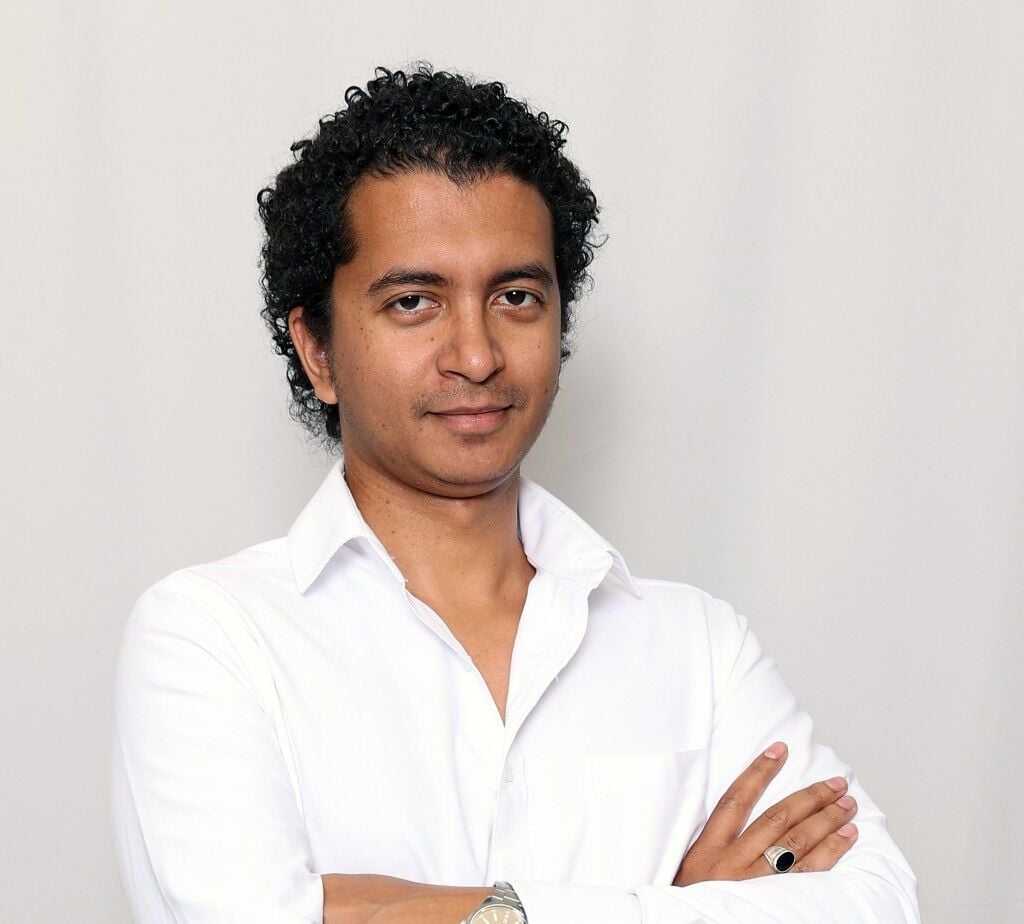
The Journey
My name is Shameer Ramdin, and I am from Mauritius, a small island developing state in the Indian Ocean. My academic and professional journey has always been shaped by a deep interest in sustainability, climate issues, entrepreneurship, and the role of innovation in solving complex social and environmental challenges.
I have a background in Mechanical Engineering, but over time, I became increasingly interested in sustainability, particularly how products, systems, and communities can be redesigned to respond to climate change and environmental pressures. This led me to pursue a Master’s degree in Sustainability, Entrepreneurship, and Design at Brunel University London. I chose this field because I wanted to combine technical knowledge, entrepreneurial thinking, and sustainability practice to create real-world impact, especially for communities in Africa and small island states like Mauritius.
Chevening Scholarship Details
I received the Chevening Scholarship to pursue my Master’s degree in Sustainability, Entrepreneurship, and Design at Brunel University London in the United Kingdom.
Chevening is a fully funded scholarship programme supported by the UK Government. It covered the major costs of my studies, including tuition fees, living allowance, travel support, and other related expenses.
- Institution: Brunel University London
- Scholarship: Chevening Scholarship
- Programme: MSc Sustainability, Entrepreneurship and Design Scholarship amount: Fully funded scholarship package.
Were You Offered Any Other Scholarships?
The Chevening Scholarship was the main scholarship I received and accepted for my postgraduate studies.
Educational Background
Before my Master’s degree, I studied Mechanical Engineering. This gave me a strong foundation in systems thinking, problem-solving, design, and technical analysis. Engineering trained me to look at problems structurally and practically, which became very useful when I later moved into sustainability and entrepreneurship.
My academic background helped me apply for a programme like Sustainability, Entrepreneurship, and Design because it showed that I already had the technical foundation needed to understand how products, systems, and infrastructure work. At the same time, my professional and entrepreneurial experiences helped demonstrate that I was not only interested in theory but also in applying knowledge to real challenges.
I had also co-founded start-ups and worked on projects involving innovation, human-centred design, project management, and social impact. These experiences strengthened my application because they showed leadership, initiative, resilience, and a clear commitment to solving problems in my community and beyond.
GPA/academic result: Distinction
How Did You Prepare to Apply to Brunel University London?
My preparation was not only about choosing a university. It was about understanding the kind of person I wanted to become and the kind of work I wanted to contribute to after my studies.
I first reflected deeply on my interests, strengths, and long-term goals. I knew that I wanted to work at the intersection of sustainability, entrepreneurship, and innovation, so I looked for programmes that would allow me to combine these areas instead of studying them separately.
I also spent time researching different universities, programme structures, modules, and career outcomes. I paid close attention to whether the programme was practical, interdisciplinary, and relevant to the challenges I wanted to address. Brunel University London stood out because the MSc Sustainability, Entrepreneurship and Design programme aligned very well with my interests in climate issues, product life cycles, innovation, and sustainability-driven enterprise.
How Did You Find Information About the Chevening Scholarship and Brunel University London?
I found information through a combination of online research, official scholarship websites, university websites, and by reading about the experiences of previous scholarship recipients. For Chevening, the official website was very helpful because it clearly explained the eligibility criteria, application process, required essays, timelines, and expectations.
I also looked at the profiles of past scholars and tried to understand what made their stories strong. This helped me realise that a scholarship application is not just about academic results. It is also about leadership, purpose, clarity, and the ability to show how the opportunity will help you contribute to your country or wider region.
Did You Take Any Standardized Tests? If So, How Did You Prepare for Them?
For my application, I took the IELTS Standardised test.
How Did You Prepare to Apply for the Chevening Scholarship?
Preparing for the scholarship took time, reflection, and several rounds of writing. I had to think carefully about my leadership journey, my career goals, and why studying in the UK would help me create impact after returning home.
For Chevening, the essays were very important. I prepared by reflecting on four main areas: leadership, networking, studying in the UK, and career plans. I tried to make sure that my application was personal and honest. Instead of writing what I thought the selection committee wanted to hear, I focused on telling my real story: where I came from, what I had done, what challenges I had faced, and what I hoped to contribute in the future.
I also reviewed my essays many times. I asked myself whether each answer showed evidence, not just ambition. For example, if I said I was a leader, I made sure to explain where I had demonstrated leadership. If I said I cared about sustainability, I explained how my studies, work, and entrepreneurial experiences connected to that goal.
How is Your Experience at Brunel University London?
My experience at Brunel University London was very valuable. The programme helped me think more critically about sustainability, innovation, and entrepreneurship. It gave me the space to connect my engineering background with broader questions around climate change, product design, business models, and social impact.
Studying in the UK also exposed me to a very diverse academic environment. I had the opportunity to learn from lecturers, classmates, and professionals with different backgrounds and perspectives. This helped me grow not only academically, but also personally and professionally.
How Do You Rate Brunel University London Academically?
I would rate Brunel University London positively from an academic perspective, especially because the programme was interdisciplinary and practical. It encouraged students to think beyond one field and to understand sustainability as something connected to design, entrepreneurship, systems, and society.
For someone interested in sustainability and innovation, this kind of academic environment is very helpful because real-world challenges are rarely solved through one discipline alone. The programme allowed me to build a wider perspective and to think more strategically about how sustainability can be applied in different contexts.
How Does Brunel University London Support International Students?
As an international student, I found that being in a diverse university environment was helpful. There were systems and services available to support students academically and socially, and there were opportunities to connect with people from different countries.
For future applicants, I would recommend actively using the support systems available at the university. Do not wait until you are struggling. Reach out early, ask questions, attend orientation activities, and build relationships with classmates, lecturers, and student support teams.
What Did You Pursue After the Chevening Scholarship?
After the scholarship, I continued building my work around entrepreneurship, sustainability, media, and social impact. I remained involved in start-up and organisational development work, including my work with Minority Africa, where I contributed to growth, partnerships, and projects focused on marginalised communities.
The scholarship also strengthened my interest in climate issues and sustainability. It helped me think more seriously about my long-term academic and professional path, including my interest in pursuing doctoral research connected to sustainability, knowledge systems, and social impact.
In 2023, I was also selected for the Mandela Washington Fellowship, where I joined the Business and Entrepreneurship track at the University of Iowa. That experience further strengthened my leadership, entrepreneurship, and networking journey.
What Do You Think Made Your Application Stand Out?
I think my application stood out because it had a clear story. I was not applying for a scholarship simply because I wanted to study abroad. I had a clear connection between my past experiences, my chosen programme, and my future goals.
My engineering background showed technical ability. My start-up experience showed initiative, resilience, and leadership. My interest in sustainability showed purpose. Together, these elements helped create a coherent application.
I also think honesty mattered. I tried to show both achievements and lessons learned. One of my start-ups did not survive beyond three years, partly because of the impact of COVID-19, but that experience taught me important lessons about leadership, bootstrapping, team formation, human-centred design, project management, marketing, finance, and resilience. I believe scholarship committees value applicants who can reflect meaningfully on both success and failure.
Looking Back, Would You Have Done Anything Differently During Your Time in the Program?
If I were going through the process again, I would start even earlier. Scholarship applications require time, reflection, and careful writing. It is very difficult to produce strong essays if you rush the process.
I would also speak to more previous scholars before applying. Their advice can help you understand the process more clearly and avoid common mistakes.
Finally, I would document my achievements and experiences more systematically. Many applicants have strong stories, but when the time comes to write, they struggle to remember specific examples, dates, outcomes, and impact. Keeping a record of leadership experiences, projects, challenges, and results can make the application process much easier.
What Advice Would You Give Those Looking to Apply for a Similar Scholarship?
My advice is to begin with self-reflection before you begin writing. Ask yourself: Why do I want this scholarship? Why this programme? Why this country? Why now? And how will this opportunity help me contribute after I complete my studies?
Do not write generic answers. A strong scholarship application should feel personal, specific, and purposeful. Use real examples from your life. Show evidence of leadership, not just ambition. Explain your challenges, but also show what you did with those challenges.
I would also advise applicants to research the scholarship very carefully. Understand its values, its expectations, and the kind of candidates it supports. For Chevening, leadership, networking, academic readiness, and a clear career plan are very important.
Most importantly, do not disqualify yourself before applying. Many people look at prestigious scholarships and assume they are not good enough. But scholarships are not only for people with perfect profiles. They are for people with purpose, potential, commitment, and a clear vision for impact.
Want to submit your
scholarship journey?
Submit Your Story Here!
More Scholarship Recipients
My name is Shah Hussain, and I am from Khyber Pakhtunkhwa, Pakistan. I completed my Bachelor’s in Psychology at the Univer .... Read more
I am June from the Philippines. I am an educator for Social Sciences and Humanities. I recently earned my Master in Southeas .... Read more
Hi, my name is Abdul Hafeez, and I come from a small town called Nasirabad in Sindh, Pakistan. Currently, I am pursuing a ma .... Read more
Leave A Comment