
Global Korea Scholarship Scholar Alfin Mohammad Abdillah from Indonesia Shares His Journey of Securing a Fully Funded Master's at Daegu University, South Korea
University: Chungnam National University
Degree: PhD in Medical Science (Energy Metabolism and Metabolic Diseases)
Previous Education: Master of Biotechnology from Daegu University; Bachelor of Science in Chemistry with a specialization in Biochemistry from Bandung Institute of Technology (ITB)
Scholarship: Global Korea Scholarship (GKS)from the National Institute for International Education (NIIED)
Other Offered Scholarships (if any): BK21 Funding and Professor Scholarship/Support – Partial Funding (Monthly Graduate Research Support, Amount Varies); 2026 Yuhan Foundation Scholarship – Partial Funding (KRW 10 Million for One Year); POSCO Scholarship from the POSCO Foundation – Full Funding (Full Tuition and KRW 1 Million per Month for Up to Three Years)
Social Media
LinkedIn: https://www.linkedin.com/in/alfin-mohammad-abdillah/
The Journey
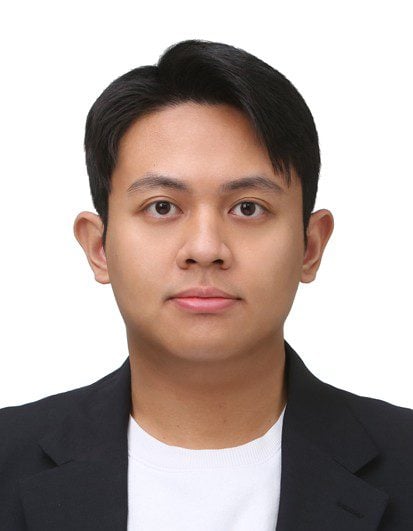
My name is Alfin Mohammad Abdillah, and I am from Indonesia. I am currently a PhD student at Chungnam National University, College of Medicine, majoring in Medical Science with a focus on Energy Metabolism and Metabolic Diseases. Before starting my PhD, I completed a Master of Biotechnology at Daegu University and a Bachelor of Science in Chemistry with a specialization in Biochemistry at Bandung Institute of Technology (ITB). My academic journey has gradually shifted from chemistry and biotechnology to biomedical and metabolic disease research, which is why I decided to pursue further education in this field. I wanted to build a stronger research background that could connect fundamental science with human health and disease.
Global Korea Scholarship (GKS) Details
I received the Global Korea Scholarship (GKS) from the National Institute for International Education (NIIED), South Korea, which supported my graduate study in Korea during my master’s program from 2021 to 2024. The scholarship covered the major costs of studying abroad and played an important role in allowing me to pursue my Master of Biotechnology at Daegu University.
For my current PhD studies at Chungnam National University, my studies are mainly supported through a combination of BK21 funding and professor scholarship/support. In Korea, this type of funding is commonly provided to graduate students who conduct research under a professor’s research project. The amount varies depending on the university, laboratory, and research funding situation. In general, the average support is around KRW 1.3 million per month for master’s students and KRW 1.7 million per month for PhD students, although it can be higher and may reach up to KRW 3 million per month under Korean government regulations for graduate student support. In many cases, tuition is not always separated from this funding, so students often need to prepare tuition from their monthly support. However, some universities or laboratories offer additional partial or full tuition support separately.
In addition, I was also awarded the 2026 Yuhan Foundation Scholarship, which provided me with KRW 10 million for one year. This scholarship was especially meaningful because it shows that, even after entering graduate school with professor-based funding, students in Korea may still apply for additional external scholarships from foundations or companies.
Were You Offered Any Other Scholarships?
Yes. Before continuing at my current university and with my current professor, I was also accepted into the POSCO Scholarship program by the POSCO Foundation. This scholarship covered full tuition and KRW 1 million per month for up to three years of study. However, because I was accepted to my current university and research professor, I decided not to continue with that scholarship.
In addition to that, I also received the Yuhan Foundation Scholarship (2026), which provided KRW 10 million for one year. Beyond these, there are also various external scholarships in Korea for currently enrolled graduate students, especially those already studying under professor-based or BK21-type funding. Examples include scholarships supported by private foundations or companies, such as the Yuhan Foundation, and other opportunities sometimes available through organizations such as Samsung, Hyundai, Daewoong, and others. The availability and conditions may vary each year, university, and program.
Educational Background
My educational background started with a Bachelor of Science (Honors) in Chemistry, specializing in Biochemistry, at Bandung Institute of Technology (ITB), where I graduated with a GPA of 3.34/4.00. My bachelor’s thesis focused on the production optimization of insulin aspart precursor in Pichia pastoris X-33, which gave me strong laboratory training in biochemistry and molecular biology. After that, I pursued a Master of Biotechnology at Daegu University, where I graduated with a GPA of 4.00/4.00. My master’s research focused on thermogenesis and metabolic regulation, especially the role of capsaicin in the adipocyte-muscle axis. This combination of chemistry, biochemistry, and biotechnology prepared me well for my current PhD research in metabolic diseases.
How Did You Find Information About Global Korea Scholarship (GKS) and Daegu University?
To prepare for applying to institutions, I first tried to identify universities and laboratories that matched my academic background and long-term research interests. I was particularly interested in programs related to biotechnology, metabolism, biochemistry, and biomedical science. I also paid attention to the research output of potential supervisors and whether the institution had a strong environment for international students and research training. Over time, I learned that choosing an institution is not only about rankings, but also about research fit, mentorship, and available opportunities. My academic background and research experiences helped me identify programs where I could contribute meaningfully. This included experience in molecular biology, metabolic research, laboratory work, and later research roles in Korea and Indonesia.
Did You Take Any Standardized Tests? If So, How Did You Prepare for Them?
I found information about scholarships and institutions mainly through university websites, scholarship announcements, and online resources. I also spent time reviewing each institution’s academic programs, research strengths, and available funding opportunities before deciding where to apply.
For the language requirement, I took the TOEIC. My native language is Indonesian, and I did not take any special English tutoring classes. Instead, I prepared independently through self-study and online practice tests. I chose TOEIC because it is more affordable than other English tests and is still widely accepted by many Korean institutions. On my first attempt, I scored 780, and on my second attempt, I improved my score to 855. This experience taught me that consistent self-study can be effective, even without formal tutoring.
How Did You Prepare to Apply for the Global Korea Scholarship (GKS)?
To prepare for the scholarship application itself, I focused on building a clear and consistent story in my application. I made sure my academic background, research experiences, and future goals were connected. I also highlighted my laboratory and research experience, including my bachelor’s and master’s theses, publications, presentations, and research work in biotechnology and metabolic science. In addition, I tried to show that I was serious about both academic development and long-term contribution to research. My preparation was not only about submitting documents, but also about understanding why I wanted to study in that field and how the scholarship would help me grow.
How is Your Experience at Daegu University?
My experience at the institution has been very meaningful. Studying in Korea has allowed me to grow not only academically but also personally. I have been able to work in active research environments, collaborate with different people, and continue building my research profile through publications, conference presentations, and awards. I believe this experience has helped me become more independent, adaptable, and focused as a researcher. My current PhD work continues to deepen my interest in metabolic disease and translational biomedical research.
How Do You Rate Daegu University Academically?
Academically, I would rate the institution highly because it has provided me with strong research opportunities, a serious academic environment, and access to supervisors and projects that align with my interests. My research training in Korea has helped me move from a chemistry and biotechnology background into more advanced biomedical and metabolic disease research. This progression has been very valuable for my long-term academic goals.
How Does Daegu University Support International Students?
In my experience, Korea also provides meaningful support for international students, although there can still be challenges in adjusting to a new academic and social environment. Support from scholarship programs, university systems, laboratories, and student communities can make a big difference. I have also been active in student and organizational activities, including the Indonesian Student Association in Korea, which helped me build community and leadership experience while studying abroad.
Are Your Classes Conducted in English or Korean?
My program is not a fully international program, although some courses are taught in English. In graduate school, many research-related activities can also be handled in English. However, Korean is still useful for coursework, communication, and administrative matters. Since I had one year of Korean language study, taking classes in Korean has not been a great difficulty for me. I believe students can adapt successfully even if they are not fluent at first, but learning basic Korean in advance is a great advantage.
What Did You Pursue After the Global Korea Scholarship (GKS)?
After receiving scholarship support, I continued pursuing research and further study. I completed my master’s degree, continued building my research record through publications and conferences, and then moved forward into my current PhD program in Medical Science. My career path has consistently remained research-oriented, with a strong interest in metabolism, mitochondrial biology, and disease mechanisms.
Would Potential Students Have Any Problems Not Knowing Korean?
Yes, I believe students may face some difficulties if they do not know the local language. In South Korea, English is not always widely spoken, so Korean is very important for daily life, communication, and feeling comfortable in the academic environment. Even if students can manage some academic work in English, knowing Korean helps a lot with adapting to the local community and overall student life.
What Do You Think Made Your Application Stand Out?
I think what made my application stand out was the combination of academic consistency, research experience, and clear motivation. My background shows a progression from chemistry to biotechnology to medical science, and throughout that journey I consistently worked on research-related activities. I also had hands-on experience in different laboratories, publications, conference participation, and a strong record of awards and achievements. I believe this showed both commitment and potential.
What Would You Have Done Differently if You Were Going Through the Process Again?
If I were going through the process again, I would probably prepare even earlier and organize my application materials more strategically from the beginning. I would also spend more time tailoring each application and clearly explaining not only my past achievements but also my future research direction. Looking back, I think early preparation and a well-focused personal story can make a big difference.
What Advice Would You Give Those Looking to Apply for a Similar Scholarship?
My advice for students applying for a similar scholarship is to start early, research the institution carefully, and build a strong connection between your academic background, your current interests, and your future goals. Do not focus only on grades. Research experience, leadership, persistence, and a clear sense of purpose are also very important. I would also encourage applicants to seek feedback from mentors and seniors, because small improvements in documents can make a big difference. Most importantly, be honest about your story and show why this opportunity matters to you.
Want to submit your
scholarship journey?
Submit Your Story Here!
More Scholarship Recipients
My name is Shah Hussain, and I am from Khyber Pakhtunkhwa, Pakistan. I completed my Bachelor’s in Psychology at the Univer .... Read more
I am June from the Philippines. I am an educator for Social Sciences and Humanities. I recently earned my Master in Southeas .... Read more
Hi, my name is Abdul Hafeez, and I come from a small town called Nasirabad in Sindh, Pakistan. Currently, I am pursuing a ma .... Read more
Leave A Comment