
Chilean Science Initiative Fulbright Award Scholar Rudy Utzschneider from United States Shares Her Journey of Securing a Fully Funded Research Grant at the Universidad Autónoma de Chile, Chile
University: Universidad Autónoma de Chile
Degree: Nine-Month Fulbright Research Grant in Extremophile Research
Previous Education: First Class Honours BSc Applied Medical Science, University College London; MSc Biotechnology, Brown University
Scholarship: Chilean Science Initiative Fulbright Award – Funding (Airfare, Relocation Support Fee, Monthly Living Costs for Nine Months)
Social Media
LinkedIn: linkedin.com/in/rudyutzschneider/
The Journey
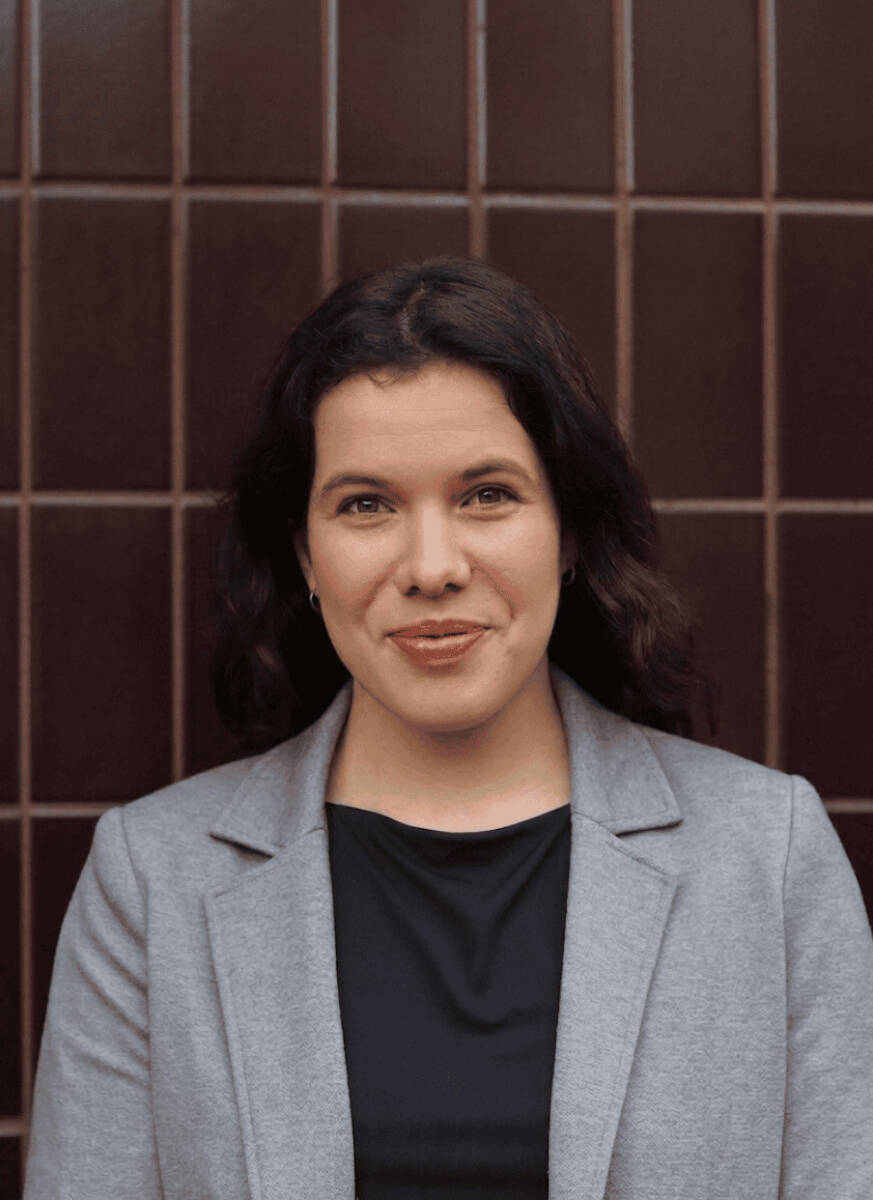
Hello! My name is Rudy Utzschneider. I was born in Germany, but raised in a small town in central MA, USA. I enjoy running, hiking, rock climbing, skiing, sailing, and all things outdoors! After graduating from my local state high school, Algonquin Regional High School, in 2020 I attended University College of London where I received a First Class Honours BSc Applied Medical Science degree. After my three years of undergrad, I was hoping to address the business deficit in my toolkit by applying to Masters of Biotech programs which offer science and industry classes. I accepted an offer to study at Brown University and lived in Providence RI from September 2023 through May 2025. In the final year of my Master’s I was applying both to jobs in Biotechnology Consulting firms and an array of research programs as well. That brings me to where I am today living and studying in Talca, Chile for my nine-month Fulbright research grant!
Chilean Science Initiative Fulbright Award Details
I was awarded the Chilean Science Initiative Fulbright Award covering airfare and living costs associated with conducting research in Chile for nine months. The US Fulbright Program was established in 1946 to bring about mutual understanding through international education and cultural exchange. US students are invited to apply to research or study in various countries around the world, and vice versa international students can apply to stay in the US.
This research grant is open, meaning you have to design your own project in order to apply. I was inspired by Christopher E Mason’s lecture at the 2023 European Society for Human Genetics Conference where he shared recent findings from the Space X Inspiration 4 mission. Even in low orbit spaceflight, there were a number of genetic changes observed that give insights into potential weaknesses and health challenges that humans may face when traveling further afield. Based on this premise, I wanted to design a project that would address these known changes, as well as offer proactive solutions for anticipated challenges as well. There are a number of ways to go about addressing such a question though I settled on studying extremophiles. Extremophiles are broadly defined as organisms which have adapted to live in harsh environments. My thought was that extremophiles may express unique proteins or genes which offer protection against high UV exposure, anaerobic conditions, various pressure gradients etc.
The key with the Fulbright application is that you must justify your selected country as the best, and in some cases the only, place where your research can be conducted. Chile is the obvious choice. The Atacama Desert in the north is one of the driest places on Earth and has a soil composition high in perchlorates, the closest to that on Mars. For this reason, extremophiles residing in the Atacama Desert present a unique analogue for this context.
I wrote my application including the Statement of Grant Purpose, Personal Statement and Supplements. I reached out to a number of institutions in the area but was met with the most enthusiasm by Universidad Autónoma de Chile in the Aparna Banerjee PhD FuncPoly Laboratory.
I received notice of my acceptance in May 2025 and received the terms of the grant shortly after. I was paid $2000 for airfare, $500 for a relocation support fee, then $1370 for each month of my grant. As the Chilean school year starts in March, I had 8 months to plan and start saving additional funds to support my project.
Were You Offered Any Other Scholarships?
N/A. I also applied to the Explorer’s Club grant fund and the additional $20,000 National Geographic/Fulbright partnership fund but was unsuccessful.
Educational Background
-First Class Honours BSc Applied Medical Science, University College London (4.0 GPA Equivalent).
My time in undergraduate was my first instance living far away from home and learning to adapt to a new country. At just 18 I had to learn how to open a bank account, get a British phone number, find housing in London and so many other life skills that bolstered my confidence and reinforced my independence. What’s more, UCL is an incredibly international school with over 60% of students coming from outside the UK. This meant I was able to meet so many unique individuals and learn a lot more about the world. The new friendships I made and places I was able to visit (London is of course an excellent travel hub with easy and affordable connections to the rest of Europe) sparked an appreciation for countries near and far as well as a deep interest in living abroad.
-MSc Biotechnology, Brown University (4.0 GPA)
During my graduate studies, I was independent in a new way. When planning my master’s thesis, my PI explained the details of his grant funding being that it broadly covered investigations related to APOE4 Alzheimer’s Disease. He then gave me the complete responsibility of identifying a target system and designing a mouse experiment. I had never been given this much flexibility and though it was scary at first, I learned a lot about experimental design, asking scientific questions, and creating a manageable workload. My final project was aimed at studying pericyte cell response to capillary stalling in murine APOE4 Alzheimer’s Disease Related Dementia. I paired OCT imaging from my PI’s, Johngwan Lee PhD, lab along with TPM imaging from Christopher Moore PhD’s lab, and behavioral testing to verify the model.
How Did You Find Information About Chilean Science Initiative Fulbright Award and Universidad Autónoma de Chile?
The Fulbright Program was one that I had always heard of but knew little about. There have been references made in several popular television programs, posters in my schools, etc. When it came time to apply for the next step after masters, I decided to go to the Fulbright program page to learn more. In particular, this page about historical acceptance data was very useful.
Once I realized the application timeline, I contacted the Brown Fulbright Program advisor to schedule a meeting. Owing to the historical ties between Brown and the Fulbright program, the school has invested in a full-time grant advisor who reviews your essays, arranges for a consultation meeting with a Brown alumnus working in the field, and provides a host of contacts as needed. It goes without saying, having a designated advisor is a huge advantage. That said, of 184 students from Brown who applied to Fulbright in the same year, 2025-2026, only 41 of us received awards.
How Did You Prepare to Apply for the Chilean Science Initiative Fulbright Award?
See above. In addition, I drafted my essays well in advance giving time for close friends and professors to help me revise as needed. I also maintained contact with my host university throughout the whole application process. We had an initial virtual meeting together to discuss my proposed idea, then I also shared a draft with them, Professor Banerjee made recommendations and edits as needed before I submit the application. That’s to say, to guarantee a quality application, you should start planning 6-3 months before the due date.
How is Your Experience at Universidad Autónoma de Chile?
I moved to Chile at the end of February 2026 and I am writing this review now at the end of May 2026, just three months later. This means I still have over 70% of my experience remaining. I love living here in Chile, it has been wonderful!
As it relates to work, the FuncPoly lab is an international team which certainly makes the adjustment to Talca a lot easier. As Talca is a smaller Chilean city with just over 250,000 inhabitants, there aren’t a lot of foreigners here. In my lab a lot of individuals speak English so if there is a word I don’t know or when my brain is tired at the end of the day, I can switch languages pretty easily and reach an understanding.
Universidad Autónoma is a private institution with additional campuses in Santiago and Temuco. The campus in Talca is super modern with recently refurbished outdoor green spaces featuring ping pong tables, foosball (taca-taca) tables, cafes, and well-equipped classrooms. The school is well connected to the wider educational network and has a number of partnerships with other Chilean Universities.
Additionally, outside of the lab everyone is incredibly friendly and welcoming. I have been invited on camping trips, to birthday parties, graduations, you name it! The slower pace of life means people are generally more patient with the time it may take to translate etc.
How Does Universidad Autónoma de Chile Support International Students?
The Universidad Autónoma has a designated international support team directed by Camila Bravo Órdenes. Camila kindly picked me up from the airport in Santiago and has offered me a whole host of support throughout my stay here. Though most other international students are staying at the Santiago campus, myself and the other exchange student from Columbia are in Talca owing to the special areas of focus at the campus here. We have become friends and even hosted a line dancing night together!
Are Your Classes Conducted in English or Spanish?
Yes! All classes are taught in Chilean/Andean-Spanish (I say that because the accents and vocabulary are quite distinct from Spanish! It is a beautiful language with lots of influence from Quechua). I am taking two classes while I am here to gain an understanding for the learning strategies and pace of Chilean university level biology courses. I am just about to finish one course in Cell Biology and Histology. Then after the winter break in July, will begin a course in Microbiology.
What Did You Pursue After the Chilean Science Initiative Fulbright Award?
I have accepted a job offer to go into Life Science Consulting after the completion of my Fulbright. I will be based out of Boston MA and I am so excited to experience a fast-paced, project-based environment. I hope that this job will give me more experience at various parts of the biotech pipeline from ideation to post-market surveillance. There is a lot to learn!
Would Potential Students Have Any Problems Not Knowing Spanish?
To apply for a research grant in Chile, having an intermediate level of Spanish speaking abilities was a prerequisite. Though I think modern technology would help you out day-to-day, speaking the language would support a more fulfilling experience.
What Do You Think Made Your Application Stand Out?
I think my application stood out because it was addressing a modern science focus which is a current priority within the Chilean government. It is important when selecting a topic that you do so not just for self-sulfillment purposes but also to give back to the field. Though my original idea was quite lofty, I was able to collaborate with local teams and adjust my proposal to address higher research priorities. As the saying goes, “they won’t care how much you know, until they see how much you care”. Be patient, be proactive, and most importantly be creative to bring your ideas to life.
Looking Back, Would You Have Done Anything Differently During Your Time in the Program?
Though my application process was generally smooth, I encountered various points of criticism along the way. It is so important to learn and grow from the advice you receive. At the same time, it is also important to take some things with a grain of salt. One of my reviewers said, quite simply, “this proposal is naive”. She was absolutely right! It was one of the first times I had designed my own projects and the proposal made that clear. I was aware that the Fulbright review committee did not necessarily include scientists, so I wrote my application in layman's terms. Additionally, I was trying to ‘sell’ the idea and make astro genetics appear sexy (a silly thing to admit out loud, though that is the truth). To receive funding for a grant, you need to make the potential applications clear and do so in a way that makes the research sound interesting. Though this works on investors and business minded folk, scientists don’t buy it. Instead they want credibility, actionable data, and clear planning.
Specifically, I proposed that the extremophile genes I would identify in this project could be applied to humans to improve fitness in space. Though this is certainly an eventual aim, the science and ethics it would take to use these genes in humans will last years if not decades. Therefore, glazing over details and advertising my scientific research project in such a way can be seen as superficial or unserious. This reviewer is a very very very well established scientist who herself is an expert in so many areas of space biology. She gave me this advice with all the best intentions in mind, that as a scientist, the proposal appeared farfetched, unrealistic, and unfocused. While I completely understand where she is coming from, my proposal was just for a literature review. A feasible end product for any research timeline and any focus. In my opinion, sometimes you need to show the bigger picture in order to justify your small piece of the puzzle getting there.
To be absolutely clear: do not lie in your proposal. Do not state skills beyond your abilities or resources beyond your means. What I am saying is that you may need to be creative with how you describe your idea and consider your audience. The Fulbright review committees include a selection of US officials for the first round then a selection of individuals from the host country for the second round. That’s who you need to be thinking about when writing.
Overall, I am so incredibly grateful for all the guidance I received throughout the application process. I incorporated so many suggestions and learned from, though did not use many others as well. My advice here would be a) take things with a grain of salt, and b) learn from experts in the field. If you can, reach out through LinkedIn to people that have a lot of experience early on in your project design. Doing so will make sure you propose both the appropriate workload and the right direction of focus.
Finally as it relates to preparation for the start of my grant, I wish I had committed to engaging with more Chilean media before my arrival here. Understandably there are a lot of cultural references that go over my head because I didn't grow up watching shows like Los 80 or listening to Violetta Parra and Los Jaivas. Though I am learning more and more everyday, I could have and probably should have been even more intentional about learning prior.
What Advice Would You Give Those Looking to Apply for a Similar Scholarship?
Be explicit and be specific. If you are applying for the Fulbright Grant and your application has holes in it, the reviewers will detect it early. Be clear and concise about what you are trying to do. Show that you already possess the skills needed, and that the equipment required is already available and functioning as needed. Finally, you must demonstrate that the project you propose can only be done in the country you are applying to.
Additionally, know the stats! A lot of my friends applied to countries with lower acceptance rates. For example in 2025 the UK received upwards of 1252 Fulbright applications for 50 available spots, a 4% acceptance rate. Meanwhile, Chile received 35 applications and gave 12 awards, a 34% acceptance rate. This data is public. It is your job to do the math and to know your odds. See here: https://us.fulbrightonline.org/study-research-eta-statistics
Want to submit your
scholarship journey?
Submit Your Story Here!
More Scholarship Recipients
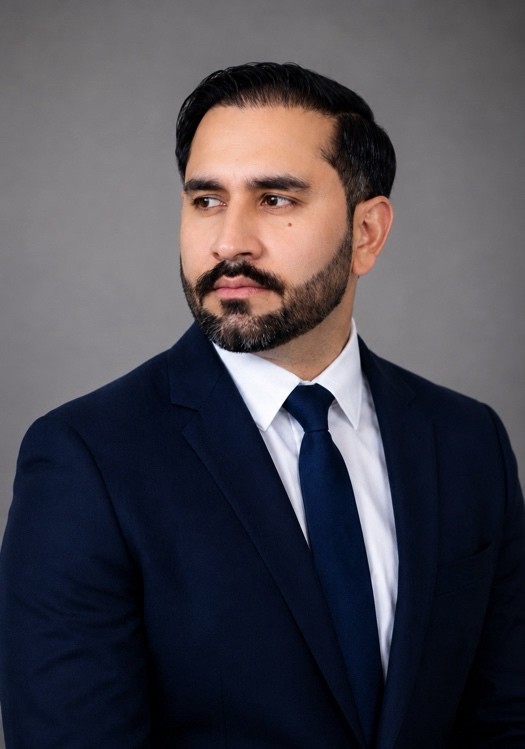
My name is Shah Hussain, and I am from Khyber Pakhtunkhwa, Pakistan. I completed my Bachelor’s in Psychology at the Univer .... Read more
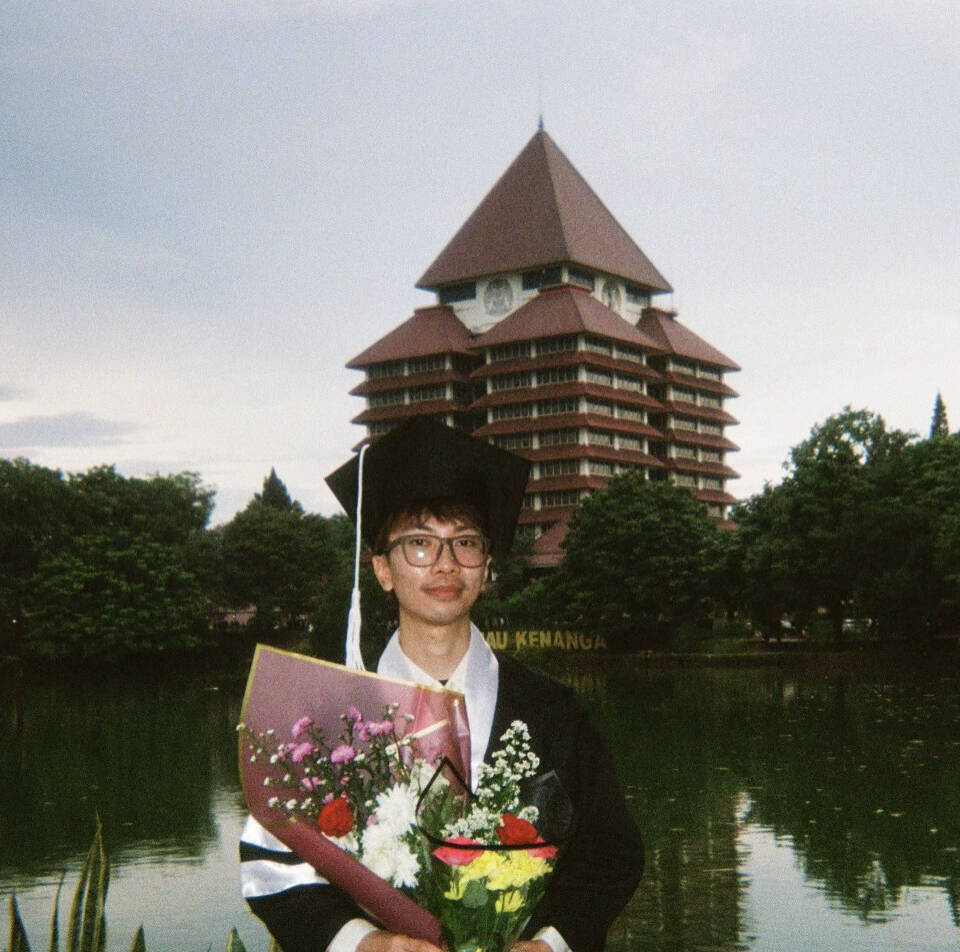
I am June from the Philippines. I am an educator for Social Sciences and Humanities. I recently earned my Master in Southeas .... Read more
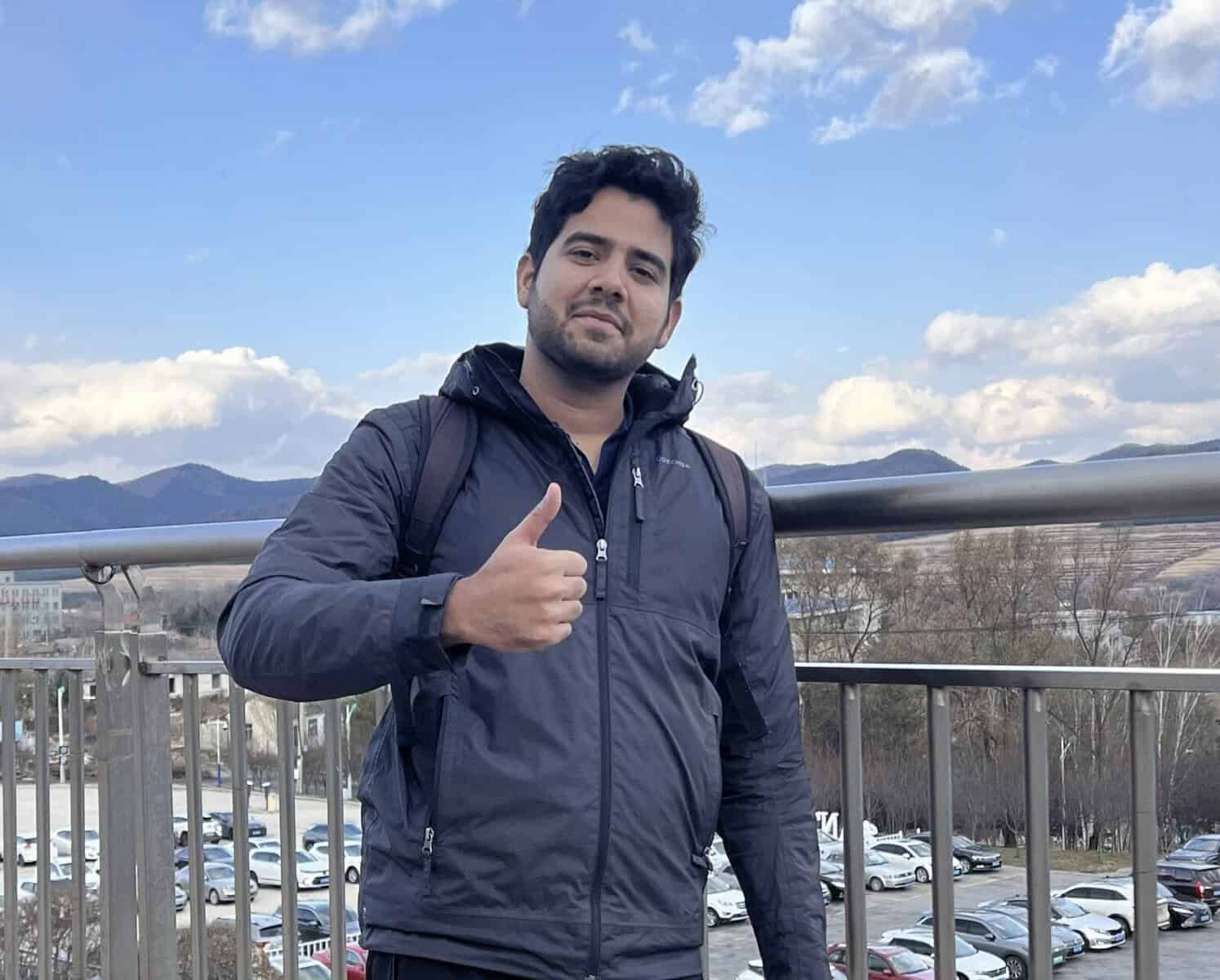
Hi, my name is Abdul Hafeez, and I come from a small town called Nasirabad in Sindh, Pakistan. Currently, I am pursuing a ma .... Read more
Leave A Comment