
Marie Skłodowska-Curie Actions Scholarship Scholar Nabodit Bhattacharya from India Shares Their Journey of Securing a Fully Funded PhD at the Warsaw-4-PhD Doctoral School, Poland
University: Warsaw-4-PhD Doctoral School
Degree: PhD in Epigenetics and Chromatin Biology
Previous Education: Bachelor’s in Biotechnology, Chemistry, and Zoology from CHRIST University, Bengaluru, India; Master of Science in Bioinformatics and Biotechnology from the Institute of Bioinformatics and Applied Biotechnology (IBAB), Bengaluru, India
Scholarship: Marie Skłodowska-Curie Actions (MSCA) Doctoral Candidate Fellowship – Funding (3 Years, Mobility Allowance, Extra Allowance for Dependents, Travel and Accommodation for Meetings, Training, Conferences, and Secondments)
Social Media
The Journey
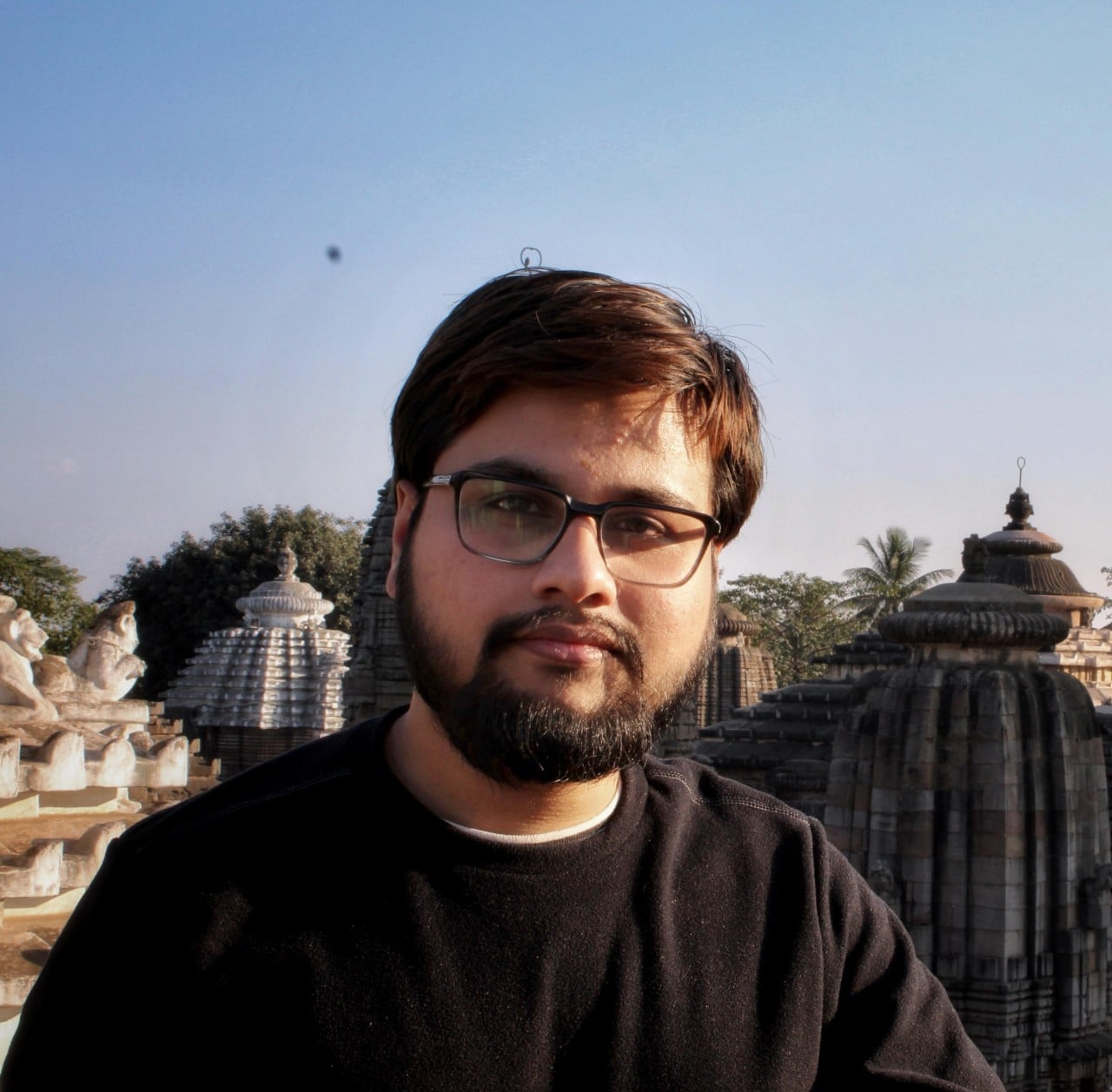
My name is Nabodit Bhattacharya, and I am from India, where I pursued my formal education and scientific training. I am currently an MSCA Doctoral Candidate within the chrom rare Doctoral Network. My host institution is in Warsaw, Poland, where I conduct my research at one of the Dioscuri Centres of Scientific Excellence, an initiative supported by the Max Planck Society. I am embedded within the Warsaw-4-PhD Doctoral School for the completion of my PhD degree.
My expertise in genetic engineering, combined with my interest in addressing research questions in the field of epigenetics and chromatin biology, motivated me to pursue opportunities that integrate technical expertise with fundamental biological research. Being part of the MSCA Doctoral Network has provided a unique platform for interdisciplinary training, international collaborations, scientific secondments, and professional networking, alongside advanced research. Altogether, these experiences have significantly contributed to my scientific and professional development and have strengthened my aspiration to build a career as an independent scientist
Marie Skłodowska-Curie Actions Details
I was selected as a Doctoral Candidate within the chrom_rare consortium funded under Marie Skłodowska-Curie Actions (MSCA), Horizon 1.2, European Union. My fellowship is for a duration of 3 years. It also includes Mobility allowance, Extra allowance for dependents, and covers all costs, including travel and accommodation expenses for attending meetings, training, conferences, and secondments.
Educational Background
My first degree was a triple-major Bachelor’s programme in Biotechnology, Chemistry, and Zoology from CHRIST University, Bengaluru, India. I subsequently pursued a Master of Science in Bioinformatics and Biotechnology from the Institute of Bioinformatics and Applied Biotechnology (IBAB), Bengaluru, India. The interdisciplinary curriculum at IBAB provided rigorous training in both wet-lab and computational biology, enabling me to develop a versatile scientific skill set.
During my Master’s thesis project, I gained hands-on experience with advanced gene-editing technologies and related molecular biology techniques. Following the completion of my degree, I continued this work during a short tenure as a Research Assistant at IBAB, where I further contributed to the development of my thesis project.
My academic training and early research experience equipped me with a strong combination of technical expertise and scientific understanding, positioning me well for the research career I envisaged for myself.
Throughout my university education, I was less focused on achieving high grades and more committed to building strong conceptual foundations and cultivating a broad understanding of the life sciences through extensive reading and self-driven learning.
How Did You Find Information About Marie Skłodowska-Curie Actions and Warsaw-4-PhD Doctoral School?
I primarily prepared for applications by actively tracking opportunities posted on platforms such as EURAXESS and LinkedIn. In addition, guidance from my mentors and colleagues played an important role in helping me identify suitable research groups and establish contact with Principal Investigators (PIs).
In my experience, building an a priori rapport with prospective supervisors and developing a professional network are crucial aspects of the application process, especially for research-oriented doctoral positions. Meaningful scientific discussions with PIs before applying often help candidates better understand the research environment and align their interests with the objectives of the laboratory or consortium.
Did You Take Any Standardized Tests? If So, How Did You Prepare for Them?
I took the IELTS examination during my Master’s studies and obtained an overall band score of 8.5. I did not undertake any extensive preparation apart from reviewing the official preparation material provided by IELTS. Since my education from primary school onward was conducted in English, I was already comfortable with academic reading, writing, listening, and communication in the language.
How Did You Prepare to Apply for the Marie Skłodowska-Curie Actions?
I invested significant time in building a CV that accurately reflected my technical skills, research exposure, and scientific interests. Rather than preparing a generic application package, I tailored my cover letter for each position I applied to. I also dedicated considerable effort to writing cold emails to Principal Investigators (PIs) and establishing rapport with supervisors, offering projects within specific PhD programmes.
Another important aspect of my preparation was ensuring that my referees were mentors and professors who knew me closely and could provide strong, detailed, and personalized recommendation letters in support of my application. Equally important was having a clear vision of why I wanted to pursue a PhD and the broader scientific questions I hoped to explore during my doctoral training. I made sure that the skills and experiences highlighted in my CV were aligned with the type of research project I intended to pursue during my PhD.
While drafting my cover letters, I consciously avoided repeating information already presented in my CV. Instead, I approached the cover letter as a narrative of my academic and research trajectory, explaining how my experiences, decisions, and motivations shaped my long-term scientific ambitions.
Would Potential Students Have Any Problems Not Knowing Polish?
At a surface level, not knowing the native language of the country does not usually create major academic difficulties, especially in international research institutes and universities where English is commonly used as the primary language of scientific communication. Most institutions also provide administrative support for bureaucratic processes that may involve the local language.
However, over time, making an effort to learn the local language can significantly improve day-to-day life. It reduces dependence on translation applications, makes routine interactions easier, and helps international students connect more naturally with local people and culture. Learning the language also fosters a stronger sense of belonging within society and provides a deeper understanding of the country’s cultural and social environment. Beyond the practical benefits, it can also be a rewarding personal experience and an opportunity to acquire a valuable new skill.
What Do You Think Made Your Application Stand Out?
I believe my application stood out because of the advanced technical skill set I had acquired through my academic training and research experience. In particular, my exposure to both wet-lab biology and computational biology provided me with an interdisciplinary profile that aligned well with modern research in molecular biology, genetics, and epigenetics.
What Would You Have Done Differently if You Were Going Through the Process Again?
If I were going through the application process again, I would invest more time and effort into preparing the slide decks used during interviews and presentations. Since interviews for PhD positions often involve discussing previous research experiences and scientific motivation, presenting information in a clear, structured, and visually effective manner can make a strong impression.
I would also prepare myself more thoroughly for broader and more generic interview questions in addition to technical and scientific discussions. While scientific competence is important, interview panels are often equally interested in understanding a candidate’s motivations, long-term goals, ability to work collaboratively, adaptability, and overall perspective toward research and academic life.
What Advice Would You Give Those Looking to Apply for a Similar Scholarship?
Having reviewed several cover letters from colleagues applying to PhD positions, I noticed that many candidates focus excessively on demonstrating their understanding of the research topics pursued by a laboratory. In my opinion, a strong cover letter should instead communicate broader aspects such as the applicant’s scientific interests, how those interests align with the research group’s objectives, and how the applicant’s existing skills and experiences make them a suitable candidate for the position.
I would also strongly advise students to continuously strengthen their fundamental concepts. In science, many technical and research-oriented questions can be approached effectively when the underlying fundamentals are clear and well understood. A strong conceptual foundation often matters more in the long term than memorizing highly specialized details.
Another important point is not to hesitate when applying for opportunities. The academic and research environment is undoubtedly competitive, but applicants should not become discouraged by that reality. At the same time, it is equally important to maintain the quality of applications rather than applying indiscriminately. Thoughtful, well-prepared applications are far more valuable than a large number of generic submissions.
Finally, once selected for a position, it is important to honestly ask oneself whether the research project and expectations of the PhD align with one’s interests, motivation, and long-term aspirations. A PhD is a demanding and long-term commitment, and a genuine interest in the research area plays a crucial role in sustaining motivation throughout the journey.
Want to submit your
scholarship journey?
Submit Your Story Here!
More Scholarship Recipients
My name is Shah Hussain, and I am from Khyber Pakhtunkhwa, Pakistan. I completed my Bachelor’s in Psychology at the Univer .... Read more
I am June from the Philippines. I am an educator for Social Sciences and Humanities. I recently earned my Master in Southeas .... Read more
Hi, my name is Abdul Hafeez, and I come from a small town called Nasirabad in Sindh, Pakistan. Currently, I am pursuing a ma .... Read more
Leave A Comment