
How I Secured a Fully Funded Master's at University of Central Florida, USA Through the Fulbright Scholarship
University: University of Central Florida (UCF), USA
Degree: Master’s in Computer Vision
Previous Education: Undergraduate degree in Electrical Engineering, National University of Sciences and Technology (NUST), Islamabad, Pakistan — CGPA: 3.76
Scholarship: Fulbright Scholarship – Fully Funded (Tuition, Health Insurance, Airfare, Visa Processing, Settling-in Allowance, Equipment Allowance, Monthly Stipend)
Other Offered Scholarships (if any): UCF Tuition Waiver – $26,500
Social Media
LinkedIn: linkedin.com/in/yusraahmed02/
The Journey
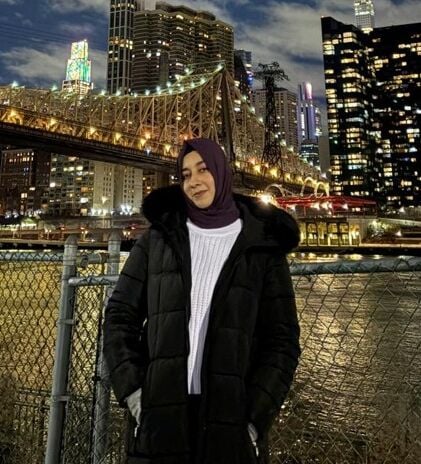
My name is Yusra Ahmed, and I am an Electrical Engineer from Pakistan. I completed my undergraduate studies at the National University of Sciences and Technology (NUST), one of the country's leading institutions, and I am currently pursuing a Master’s degree in Computer Vision at the University of Central Florida (UCF), USA.
I initially chose Electrical Engineering because I wanted to keep my options open and explore different areas of technology. During my sophomore year, however, the rapid rise of machine learning and artificial intelligence sparked a strong interest in AI. By then, switching majors was not practical, so I completed my Electrical Engineering degree while intentionally preparing myself for a future in AI.
Looking back, discovering AI later was a blessing. It wasn't a path I followed by default; it was one I consciously chose after exploring different fields. That decision gave me a strong sense of purpose and motivation and ultimately led me to pursue graduate studies in Computer Vision, where I am working on developing intelligent systems that create meaningful real-world impact.
Fulbright Scholarship Details
I am a recipient of the Fulbright Scholarship of the USA, where I am pursuing a Master’s in Computer Vision at the University of Central Florida. This scholarship is fully-funded, which means it pays for my tuition, health insurance, airfare, visa processing, settling-in allowance, equipment allowance, and a generous monthly stipend for my living expenses. This amounts to around $96,000 for 2 years. In addition, I have also received a $26,500 tuition waiver from UCF.
Educational Background
I earned my undergraduate degree in Electrical Engineering from the National University of Sciences and Technology (NUST), Islamabad, Pakistan, graduating with a CGPA of 3.76.
I owe a great deal to NUST for helping shape my scholarship journey. Being surrounded by ambitious students who were preparing for fully funded scholarships years in advance motivated me to think bigger about my own goals. Once I decided to pursue a future in AI, the university provided plenty of opportunities to build the right foundation, whether through relevant coursework, elective and minor subjects, or hands-on experience in research labs. These experiences played a significant role in preparing me for graduate studies and ultimately securing the Fulbright Scholarship.
How Did You Find Information About the Fulbright Scholarship and the University of Central Florida (UCF)?
Google, ChatGPT, and repeat! Since I knew I wasn't ready to pursue a PhD yet, my search was focused on fully funded Master's programs. There aren't too many of them anyway, so the first step was identifying the scholarships I was eligible for and researching their requirements.
Once I had my list, I created a spreadsheet to track deadlines, eligibility criteria, required documents, and test requirements. Staying organized early on made the application process much more manageable later.
My biggest piece of advice is to always rely on the official scholarship and university websites for information. Search engines and AI tools are great for discovering opportunities, but the official sources provide the most accurate, up-to-date, and reliable guidance when it comes to preparing and submitting your application.
Did You Take Any Standardized Tests? If So, How Did You Prepare for Them?
IELTS: I scored an overall Band 8.0, and one thing I learned is that IELTS is not an exam you can fully prepare for in a few weeks. While you can certainly familiarize yourself with the test format and expectations, strong performance is largely built over time through consistent exposure to the English language.
If you are considering international studies, my advice is to start early: read regularly, learn new vocabulary and expressions, and make a conscious effort to use them in everyday conversations. Small improvements made consistently over the years add up significantly.
For my preparation, I studied with a friend, and that turned out to be one of the most valuable parts of the process. We reviewed each other's speaking and writing responses, provided honest feedback, and helped identify areas for improvement. Having someone to practice with not only keeps you accountable but also makes the preparation much more enjoyable. I also made extensive use of YouTube resources and the official IELTS preparation materials provided upon registration for the exam.
GRE: The GRE was a requirement for my Fulbright Scholarship application, so I dedicated significant time to preparing for it and ultimately scored 324 (Verbal: 154, Quantitative: 170).
The GRE is definitely a challenging exam and requires consistent preparation, especially if you have been away from standardized testing for a while. For my preparation, I used GregMat, which I highly recommend. The structured study plans, practice questions, and test-taking strategies were incredibly helpful throughout the process.
For students applying to STEM programs, I would particularly emphasize the importance of excelling in the Quantitative section, as a strong score can strengthen your application significantly. My biggest advice is not to underestimate the preparation time required. GRE preparation is a marathon, not a sprint, start early, stay consistent, and give yourself enough time to practice and improve.
How Did You Prepare to Apply for the Fulbright Scholarship?
The day the Fulbright Scholarship for 2025 was announced, I immediately reviewed the requirements and remembered rushing to my dad to discuss whether I should take the GRE. With his encouragement, I registered for the exam that very same day. To be fair, I have learned that the best motivation to study is often paying the registration fee and seeing the exam date on your calendar!
Beyond test preparation, I spent a lot of time learning from previous Fulbright scholars. I read countless success stories on Facebook and Instagram, joined online communities, and even reached out to scholars directly to ask what they believed mattered most in the application process. Almost all of them pointed to the essays.
About a month before the deadline, I started working seriously on my Personal Statement and Study/Research Objectives. One challenge was deciding what information belonged to each essay while ensuring they still told one coherent story. The breakthrough came when I gained complete clarity about what I wanted to study and, more importantly, how I planned to use that knowledge after returning to Pakistan. Once that vision became clear, writing the essays became much easier, and I believe that clarity ultimately became one of the strongest aspects of my application.
How is Your Experience at the University of Central Florida (UCF)?
My experience at UCF has been incredibly rewarding, both academically and personally. Beyond the classroom, I have had the opportunity to experience American college life firsthand, from campus events and student organizations to the collaborative and interactive learning environment that is common in U.S. universities.
One of the most meaningful aspects of my journey has been meeting students from all over the world. As a Fulbright scholar, I see cultural exchange as an important part of the experience. I have enjoyed sharing Pakistani culture, traditions, and perspectives with friends from different countries, while also learning about their cultures in return. These interactions have broadened my worldview and made my time in the United States much more enriching than just earning a degree.
How Do You Rate the University of Central Florida (UCF) Academically?
I would rate UCF very highly academically. The Computer Vision program is supported by the Center for Research in Computer Vision (CRCV), a well-known research center working on cutting-edge problems in AI, machine learning, robotics, and image understanding. The combination of strong coursework, active research, and access to experienced faculty has made for a highly rewarding academic experience.
How Does the University of Central Florida (UCF) Support International Students?
UCF provides excellent support for international students, both through university resources and a vibrant student community. There are numerous organizations and societies that regularly host events designed to help international students connect, build friendships, and feel at home on campus.
I particularly want to appreciate groups such as the Pakistani Student Association (PSA) and the Muslim Student Association (MSA), which organize cultural, social, and religious events throughout the year. As an international student, having these opportunities to connect with people from diverse backgrounds while also staying connected to my own culture has made the transition to life in the United States much smoother and more enjoyable.
What Did You Pursue After the Fulbright Scholarship?
I am still on the scholarship, with one year left until I get my Master’s degree.
What Do You Think Made Your Application Stand Out?
If I had to guess, I would say the strongest part of my application was the clarity of purpose reflected in my essays. Many Fulbright scholars I spoke to emphasized that having a clear vision for what you plan to do after returning to Pakistan is one of the most important aspects of the application. I spent considerable time thinking about the problems I wanted to work on and how the knowledge gained through my Master's degree would help me contribute back home, along with what practical steps I would take.
As a result, my essays were not just about my past achievements; they presented a clear roadmap for my future goals. I believe that clarity helped make my application more compelling and coherent.
In addition, my academic profile was strong overall, with a good undergraduate record and a perfect Quantitative score of 170 on the GRE. Since I was switching fields, I believe relevant coursework and projects in AI helped strengthen my application, too.
Looking Back, Would You Have Done Anything Differently During Your Time in the Program?
If I were going through the process again, I would start my GRE preparation much earlier. I registered for the exam only about two months in advance, during a period when I was also juggling semester exams, my final-year project, and several other commitments. While I was fortunate to achieve a strong score, the preparation period was far more stressful than it needed to be. Looking back, I think starting earlier would have allowed me to prepare more systematically and with much less pressure.
Another thing I would do differently is spend more time refining my Statement of Purpose from the very beginning. After receiving several rejections, I realized that the main weakness in my earlier applications was a lack of clarity regarding my goals and research interests. Looking back, I believe that if I had reached that level of clarity earlier, a lot of the scholarships that rejected me might have viewed my application differently. The experience taught me that a strong Statement of Purpose is not just about showcasing achievements; it is about clearly communicating your vision, motivation, and future goals.
Lastly, I would also try to get more research experience, maybe a few publications, during my undergraduate studies to strengthen my application.
What Advice Would You Give Those Looking to Apply for a Similar Scholarship?
- My biggest piece of advice is to take ownership of your application process. We live in an era where information is more accessible than ever. Scholarship requirements, deadlines, eligibility criteria, and application procedures are all available on official websites and can be easily discovered through search engines and AI tools. Before asking others for basic information, invest time in doing your own research.
- When you do reach out to seniors or previous scholarship recipients, use their time wisely. Instead of asking questions that can be answered online, ask about the aspects that are harder to find on a website: what made their application stand out, how they approached their essays, and what they learned from the process.
- Another important lesson is to understand the mission of the scholarship you are applying for. Every scholarship has its own priorities. For example, Fulbright places significant emphasis on how applicants plan to use their education to contribute to their home country after graduation. Once you understand what a scholarship values, you can present your experiences and goals in a way that aligns with that mission.
- Most importantly, develop clarity about your future goals. A vague applicant will almost always write a vague application. If you are not sure what you want to study, why you want to study it, or what you hope to do afterward, it becomes very difficult to convince someone else. Clarity was one of the most important lessons I learned throughout my own application journey.
- Finally, use AI wisely. It can be an incredible tool for brainstorming, research, and refining ideas, but it should not write your essays for you. The strongest essays are personal, authentic, and reflective of your own voice. Admissions committees read thousands of applications, and they can quickly tell the difference between a genuine story and a generic essay. Read successful Statements of Purpose, seek feedback from trusted mentors and peers, and revise your essays multiple times.
- And remember: no application is perfect. If one part of your profile is weaker, strengthen another. A lower CGPA can sometimes be balanced by strong research experience, leadership, professional achievements, or excellent standardized test scores. Focus on building the strongest overall profile possible rather than chasing perfection in a single area.
Want to submit your
scholarship journey?
Submit Your Story Here!
More Scholarship Recipients
My name is Shah Hussain, and I am from Khyber Pakhtunkhwa, Pakistan. I completed my Bachelor’s in Psychology at the Univer .... Read more
I am June from the Philippines. I am an educator for Social Sciences and Humanities. I recently earned my Master in Southeas .... Read more
Hi, my name is Abdul Hafeez, and I come from a small town called Nasirabad in Sindh, Pakistan. Currently, I am pursuing a ma .... Read more
Leave A Comment