
How I Secured a Fully Funded Master's at TU Dortmund University and the University of the Philippines, Germany and the Philippines Through the DAAD Development-Related Postgraduate Courses Scholarship
University: TU Dortmund University and the University of the Philippines
Degree: Master of Science in Regional Development Planning (SPRING Programme)
Previous Education: Bachelor’s in Government and International Relations at Universidad Externado de Colombia
Scholarship: DAAD Development-Related Postgraduate Courses Scholarship – Full Funding (Master’s Programme, Monthly Living Allowance, Health and Social Insurance, International Travel, and Thesis Field Research)
Other Offered Scholarships: DAAD Carlo Schmid Scholarship – Internship Support at the United Nations World Food Programme Bolivia Country Office
Social Media
LinkedIn: linkedin.com/in/katherine-coronadomejia/
The Journey
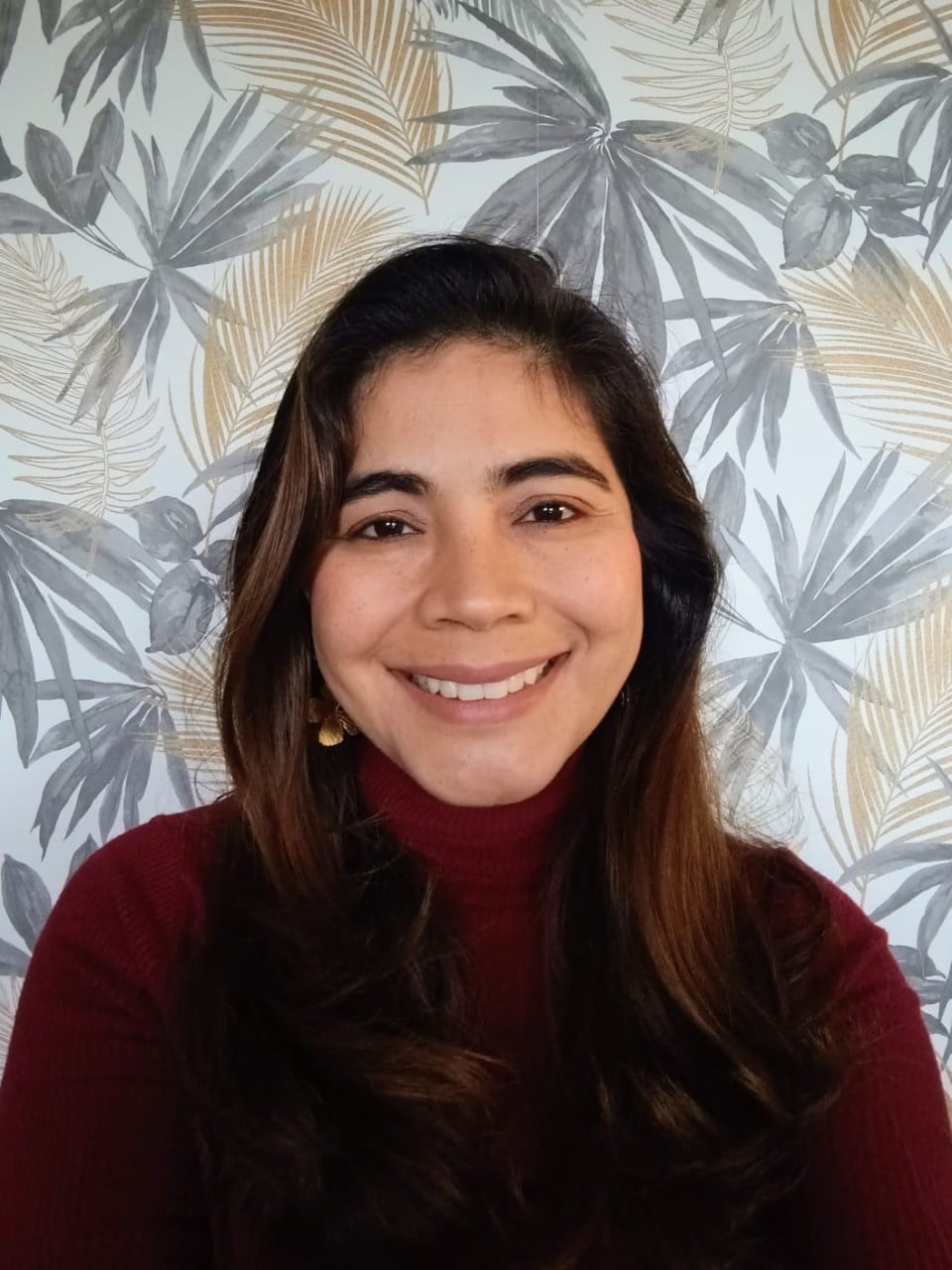
My name is Katherine Coronado Mejia, and I am from Colombia. I hold a bachelor’s degree in Government and International Relations.
Throughout my personal and professional journey, I have always been passionate about serving others and finding ways to contribute to their well-being according to their priorities, needs, and specific contexts.
My professional experience has allowed me to work in several interconnected areas, including migration, conflict and peacebuilding, women’s empowerment and gender equality, local development, and intercultural work with Indigenous Peoples, Afro-descendant communities, and local communities. I have also worked on sustainable forest management, climate change, and the protection of Mother Earth.
Across these areas, my work has focused primarily on project management, fundraising, and the development of strategic partnerships.
I pursued the Master of Science in Regional Development Planning, also known as the SPRING Programme. The degree was jointly awarded by TU Dortmund University in Germany and the University of the Philippines in Quezon City, the Philippines.
I was particularly interested in the programme because of the connection it created between geospatial and territorial planning and the formulation and implementation of development programmes in both the public and social sectors.
I was also attracted by its international and interdisciplinary approach. The programme connected different regions of the world and encouraged students to consider diverse perspectives, priorities, challenges, and realities.
DAAD EPOS Details
I received a scholarship from the German Academic Exchange Service, known as DAAD, through its Development-Related Postgraduate Courses programme.
The scholarship supported my studies from 2014 to 2016.
It covered the master’s programme and provided a monthly allowance for accommodation, food, and living expenses. It also included health and social insurance, international travel from Colombia to my study locations, and financial support for the field research required for my final thesis.
Were You Offered Any Other Scholarships?
I was also awarded the DAAD Carlo Schmid Scholarship for the period from September 1, 2016, to February 28, 2017.
This scholarship supported an internship at the United Nations World Food Programme Bolivia Country Office.
The internship gave me an important opportunity to continue developing my professional experience after completing my master’s degree.
Educational Background
Before pursuing my master’s degree, I completed a Bachelor’s degree in Government and International Relations at Universidad Externado de Colombia in Bogotá, Colombia, from 2002 to 2008.
Although my undergraduate degree was not specifically focused on architecture or traditional territorial planning, it gave me a strong understanding of public policy, governance, international cooperation, social development, and the political and institutional factors that influence communities and territories.
My professional background also helped me understand development challenges from a comprehensive perspective. Before applying for the scholarship, I had worked with populations experiencing different forms of vulnerability, including victims of armed conflict and forced displacement.
I had also gained experience in food security, migration, climate-related risks, conflict, and social development. These experiences prepared me to approach regional development planning not only as a technical field, but also as a process that must respond to people’s needs, rights, cultures, and realities.
How Did You Prepare to Apply to TU Dortmund University?
Did You Take Any Standardized Tests? If So, How Did You Prepare for Them?
I found information about the programme and the scholarship online.
I was searching for a programme that would allow me to expand my knowledge of development beyond the fields in which I had already worked. I was especially interested in learning more about territorial planning and understanding how development challenges are addressed in different regions and contexts.
At that time, LinkedIn was not yet widely used as it is today. Therefore, I mainly relied on the websites of the universities and DAAD, as well as Facebook and direct communication with former students.
I contacted alumni whenever possible to learn more about their experiences and obtain practical advice about the programme and the application process.
I took the IELTS examination and received an overall score of 7.0.
To prepare, I practised English and reviewed examples of the types of exercises and questions included in the examination. I also prepared in English for possible interviews related to the programme and scholarship.
How Did You Prepare to Apply for the DAAD EPOS?
At the time of my application, I was working with the United Nations World Food Programme in Colombia, and much of my work took place in the field. Balancing my professional responsibilities with the preparation of the application was not easy.
However, I received significant support from my colleagues. They shared suggestions and recommendations based on their own experiences and encouraged me throughout the process.
I searched online for examples and guidance on preparing application documents. I also contacted former students and reviewed information directly from the university and DAAD websites.
For my references, I reached out to former colleagues and supervisors who knew my work and professional commitment. They provided advice and supported my application with recommendation letters.
One of the most important lessons from this process was the value of having a strong support network. Preparing a competitive scholarship application does not have to be an individual process. The guidance, encouragement, and feedback of colleagues, supervisors, alumni, friends, and other trusted people can make a meaningful difference.
How is Your Experience at TU Dortmund University?
My experience at both universities was excellent.
The professors and academic staff were highly knowledgeable, and I learned a great deal from them. At the same time, I felt that my professional experience allowed me to contribute meaningfully to classroom discussions and group activities.
Studying at two universities, one in Germany and one in the Philippines, was particularly valuable. It allowed me to learn from two very different contexts and to observe how development and planning challenges are addressed according to the capacities, priorities, institutions, and realities of each place.
The programme was not only academically enriching; it was also one of the most transformative personal experiences of my life.
How Do You Rate TU Dortmund University Academically?
I would rate the programme very highly from an academic perspective.
Its greatest strengths were its interdisciplinary approach, international environment, and ability to connect theory with real development challenges. The programme encouraged students to examine regional development from technical, social, political, cultural, and environmental perspectives.
The opportunity to study in Germany and the Philippines also meant that we were not exposed to only one model of development or planning. We were encouraged to compare contexts and recognize that solutions must be adapted to the needs, resources, cultures, and priorities of each territory.
How Does TU Dortmund University Support International Students?
One of the most important forms of support was the international community created through the programme and the DAAD scholarship.
The scholarship made it financially possible for me to participate by covering essential academic and living costs, travel, insurance, and thesis-related field research.
The relationships among students were also an essential source of support. We came from countries across Africa, Asia, South America, and Europe. Together, we created a community in which we learned from one another, navigated cultural differences, and supported each other academically and personally.
Are Your Classes Conducted in English or German?
The programme was conducted in English.
What Did You Pursue After the DAAD EPOS?
After completing my master’s degree, the DAAD Carlo Schmid Scholarship allowed me to undertake an internship with the United Nations World Food Programme in Bolivia, where I gained additional international professional experience.
Afterward, I worked in Colombia on peacebuilding projects with victims of the armed conflict and former combatants. This work was carried out through local, intercultural, and gender-responsive approaches.
I later had the opportunity to work in Panama for a foundation that promoted the empowerment of Indigenous women in different countries across Mesoamerica. In that role, I worked as a programme manager.
I have also continued working in strategic partnership management and fundraising to support social organizations in initiatives related to community development, climate action, environmental protection, and the protection of Mother Earth.
I currently reside in France.
Would Potential Students Have Any Problems Not Knowing German?
Not really. In Germany, many people speak English and are generally very supportive of international students. Since the entire academic programme was taught in English and the university had a highly international environment, it was easy to communicate in class, interact with professors and fellow students, and access the necessary academic materials.
English was also the main language of communication among students in the programme, which made it easier to build relationships, collaborate on assignments, and participate fully in academic and social activities.
In addition, the DAAD scholarship offered me a one-month introductory German course before the academic programme began. This was very helpful for learning basic expressions and managing everyday situations while living in the country. Although knowing German was not necessary for academic success, learning some basic German made daily life easier and helped me adapt to the local environment.
What Do You Think Made Your Application Stand Out?
I believe one of the factors that made my application stand out was that I did not come from a traditional architecture or territorial-planning background.
My experience was centred on managing social and development projects at the territorial level and responding to the needs of populations facing different forms of vulnerability, including victims of armed conflict.
My background allowed me to bring an integrated understanding of vulnerability. I had worked on issues involving food security, forced displacement, climate-related impacts, war, migration, and the risks experienced by affected communities.
I believe the selection committee also valued the perspective I could contribute to the group. International and interdisciplinary programmes benefit from having participants with different academic disciplines, professional experiences, and ways of understanding development.
Rather than seeing my nontraditional background as a disadvantage, I presented it as an opportunity to enrich the programme and learn how to connect social development experience with regional and territorial planning.
What Would You Have Done Differently if You Were Going Through the Process Again?
Honestly, I would not change anything significant about the experience.
It was one of the best experiences of my life because it allowed me to grow not only academically, but also personally and professionally. It was my first major personal and professional exposure to the wider world.
Living and studying with scholarship recipients and students from Africa, Asia, South America, and Europe allowed me to see the world through different perspectives. I learned about different cultures, contexts, ways of understanding life, and approaches to overcoming challenges.
At the same time, I discovered that, despite our differences, we were united by a similar feeling and objective: the desire to contribute to a better world.
In the end, we became a family. More than ten years later, many of us are still in contact. Our WhatsApp group remains active, and we meet whenever circumstances allow. Recently, I received a visit from a friend from Indonesia whom I met through the DAAD scholarship.
What Advice Would You Give Those Looking to Apply for a Similar Scholarship?
Take the risk and apply.
Sometimes, we do not fully recognize the value of who we are, what we have accomplished, and the experiences we can contribute. We may believe that we are not ready or that other applicants are more qualified.
Do not reject yourself before the selection committee has the opportunity to evaluate your application.
Scholarships such as those offered by DAAD can provide extraordinary support for professional, academic, and personal growth. Even when the process appears competitive, it is worth making the effort.
My second piece of advice is to build and use your support network. Contact former students, colleagues, supervisors, professors, and people who have completed similar processes. Ask them for advice, feedback, and recommendations. Their experience can help you prepare a stronger and more authentic application.
My third piece of advice is to communicate clearly how your previous experiences connect with the programme, even when your academic or professional background is not the most traditional one. A different background can be an important strength if you explain the perspective and value you will bring.
Finally, enjoy the programme as a complete experience. Do not focus only on academic achievement. Take advantage of the opportunity to meet people, experience different cultures, visit new places, and build meaningful relationships.
The friendships, perspectives, and personal growth that come from an international scholarship can be just as valuable as the degree itself.
Want to submit your
scholarship journey?
Submit Your Story Here!
More Scholarship Recipients
My name is Shah Hussain, and I am from Khyber Pakhtunkhwa, Pakistan. I completed my Bachelor’s in Psychology at the Univer .... Read more
I am June from the Philippines. I am an educator for Social Sciences and Humanities. I recently earned my Master in Southeas .... Read more
Hi, my name is Abdul Hafeez, and I come from a small town called Nasirabad in Sindh, Pakistan. Currently, I am pursuing a ma .... Read more
Leave A Comment