
Global Korea Scholarship (GKS) Scholar, Kwesi Quansah from Ghana Shares His Journey of studying MA Economics at Gangneung-Wonju National University, South Korea.
Designated University: Gangneung-Wonju National University
Degree: Master of Economics
Language School: Dongseo University
Previous University: University of Ghana
Previous Degree: BSc Economics
Scholarship: Global Korea Scholarship (GKS), formerly the Korean Government Scholarship Program (KGSP) – Fully Funded Scholarship (Full Tuition, Monthly Stipend (900,000 Korean won), Book and Research Allowance, Settlement Allowance, Round Trip Airfare, Free Korean Language Training, Health Insurance Coverage)
Other Offered Scholarships: Korea-Ghana Association (KOGA) Scholarship for Ghanaian Scholars, Gangneung-Wonju National University Professors’ Scholarship, Gangneung Solol Catholic Church Scholarship for University Students
Social Media
LinkedIn: linkedin.com/in/kaquansah/
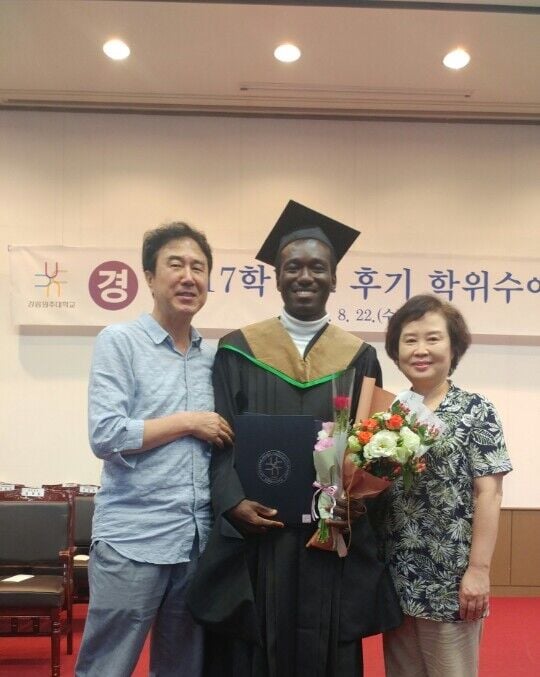
The Journey
Kwesi Quansah is from Ghana and holds a Bachelor of Arts degree in Economics from the University of Ghana. In 2015, I was awarded the prestigious Global Korea Scholarship (formerly known as the Korean Government Scholarship Program, KGSP). Through the scholarship, I first undertook Korean language training at Dongseo University in Busan, before progressing to Graduate School at Gangneung-Wonju National University (GWNU). After successfully passing the Test of Proficiency in Korean (TOPIK II) with Level 4, I began my MA degree in Economics in 2016 and graduated in 2018.
My decision to pursue an MA in Economics was driven by a strong passion for economic development and public policy. At the time, I sought to acquire advanced analytical and research skills that would enable me to contribute meaningfully to Ghana’s economic growth and development through evidence-based research and policy analysis. I was also motivated by a desire to support capacity building by mentoring and training the younger generation, while contributing to the formulation and implementation of sound economic policies that can accelerate sustainable development in Ghana, across Africa, and on the globe.
Global Korea Scholarship Details
I received the Global Korea Scholarship (GKS), formerly known as the Korean Government Scholarship Program (KGSP), in 2015. The scholarship first sponsored my Korean language training at Dongseo University in Busan. After successfully passing the Test of Proficiency in Korean (TOPIK II) with Level 4, I proceeded in 2016 to pursue a Master’s degree in Economics at Gangneung-Wonju National University, where I graduated in 2018.
The scholarship provided comprehensive financial support, including full tuition coverage, a monthly living stipend, settlement allowance, health insurance, Korean language training support, book and research allowances, as well as round-trip airfare. These benefits enabled international students like me to focus fully on academic work and research without the significant financial burden often associated with studying abroad.
At the time, the GKS application process had two admission tracks: the Embassy Track and the University Track. Based on the recommendation of a friend, Dr. Dan Quansah, who introduced me to the scholarship opportunity, I applied through the University Track. Under this route, applicants apply directly to a Korean university rather than through the Korean embassy in their home country. In my case, I applied directly to Gangneung-Wonju National University. Applicants are first evaluated and nominated by the university, after which final selection and approval are conducted by the National Institute for International Education (NIIED) under the Korean government.
The University Track is highly competitive because applicants are assessed not only on academic performance but also on research potential, personal statements, study plans, and recommendation letters. One major advantage of this track is the opportunity for applicants to communicate directly with faculty members or departments before applying, which can help align research interests with the university’s academic programs.
Being selected as a GKS scholar in 2015 was a life-changing opportunity for me. Beyond receiving graduate education in South Korea, the experience allowed me to learn the Korean language, gain international academic and research exposure, experience a new culture, and build lasting professional and global networks that continue to shape my academic and professional journey today.
Educational Background
My educational background in economics provided a strong academic foundation that prepared me for graduate studies and research in development and public policy. I obtained a Bachelor of Arts degree in Economics from the University of Ghana, where I developed a deep interest in economic development, policy analysis, and quantitative research. During my undergraduate studies, I gained training in microeconomics, macroeconomics, econometrics, statistics, mathematical economics, and development economics, which helped me understand the economic challenges facing developing countries such as Ghana. My undergraduate education also strengthened my analytical thinking, problem-solving abilities, and research skills, all of which became essential in preparing me for advanced studies abroad. Specifically, I was also privileged to have an early start of my undergraduate degree with mathematical training in my first and second years at the University of Ghana, and took courses in algebraic structures, discrete mathematics, calculus, linear programming, vectors, and geometry.
After receiving the Global Korea Scholarship in 2015, I undertook Korean language training at Dongseo University and successfully obtained TOPIK Level 4 proficiency before beginning my Master of Economics degree at Gangneung-Wonju National University in 2016. Studying in South Korea exposed me to a rigorous academic environment and broadened my understanding of global economic development and policy issues. My graduate studies further enhanced my research capacity, data analysis skills, and understanding of economic policy formulation. The combination of my academic background in Ghana and international graduate training in South Korea equipped me with the knowledge and perspective needed to contribute meaningfully to economic research, policy development, and capacity building in Africa.
How Did You Prepare to Apply to Gangneung-Wonju National University?
How Did You Find Information About Scholarships and Gangneung-Wonju National University?
My preparation for applying to Gangneung-Wonju National University was largely guided by both personal mentorship and independent research. I was fortunate to have a friend, Dr. Dan Quansah, who had been awarded the Global Korea Scholarship in 2014, a year before my own application. At the time, he was already studying at Dongseo University, had passed TOPIK II with Level 4, and was preparing to start Graduate School at Seoul National University. He played a critical role in guiding me through the entire application process. He provided practical insights based on his own experience, helped me understand the competitiveness of the scholarship, and emphasized the importance of preparing a strong and well-structured application dossier.
Beyond general guidance, he supported me in refining key application documents such as my motivation letter and statement of purpose. He also advised me to include additional supporting elements that were not explicitly required but could strengthen my application and better communicate my academic potential and research interests. In addition to this mentorship, I conducted my own online research to better understand the university, the scholarship requirements, and the broader study environment in South Korea. This combination of mentorship and independent preparation helped me develop a more competitive and well-informed application package.
Did You Take Any Standardized Tests? If So, How Did You Prepare for Them?
I did not take any standardized tests, such as IELTS, TOEFL, GRE, or TOPIK, at the time of my application, as they were not mandatory requirements for my specific application route under the Global Korea Scholarship. However, I was aware that such tests could strengthen an application and potentially provide a competitive advantage in the selection process.
Instead, I submitted an English Proficiency Certificate issued by the Language Study Centre at the University of Ghana. This document served as formal evidence that my undergraduate education was conducted in English and that I was adequately prepared to undertake academic work in an English-medium international environment.
How Did You Prepare to Apply for the Global Korea Scholarship?
The application process for the Global Korea Scholarship was both rigorous and highly competitive, requiring careful preparation and strong attention to detail. I ensured that all required documents were thoroughly completed, accurate, and well-structured to clearly reflect my academic background, motivation, and future goals.
The core application package included a study plan, a self-introduction (which served as both a statement of purpose and motivation letter), a medical assessment form, two recommendation letters, and the signed pledge form. I paid particular attention to the coherence and quality of my written documents, ensuring that my academic interests and long-term objectives were clearly articulated. Throughout the process, I was highly meticulous and reviewed each document multiple times before submission, as even minor errors or inconsistencies could negatively affect the strength of an application in such a competitive selection process.
Are Your Classes Conducted in English or Korean?
Most of my coursework at Gangneung-Wonju National University was conducted in Korean. Approximately 95% of my classes were delivered in Korean, with only about 5% in English. This meant that I completed assignments, read academic materials, prepared presentations, and sat for examinations largely in Korean. Despite the initial difficulty, I was fortunate that my master’s thesis was written in English, which allowed me to express my research more comfortably in academic writing.
Although studying in Korean was challenging, it became an important part of my academic growth, as it significantly strengthened my reading, writing, speaking, and listening skills in the language. The learning environment was also very supportive. Most professors were approachable and willing to assist international students when needed, which made the transition more manageable. In particular, my academic experience was shaped by guidance from faculty such as Professor Emeritus Hwang Won-Gyu and Dr. Ahn Woo-Chul, among others. In addition, the International Student Office at the university played a key supportive role throughout my studies. The designated officer in charge of GKS students, Ms. Yunhee Lim, was especially helpful and provided consistent administrative and personal support during my time in Korea.
What Did You Pursue After the Global Korea Scholarship?
After completing the Global Korea Scholarship, I returned to Ghana in line with the goals outlined in my study plan, with the intention of contributing to the vision that motivated my application for the scholarship. However, after some reflection and practical assessment of my long-term objectives, I realized that I needed additional training and advanced skills to fully pursue my academic and professional aspirations in economics and policy research.
As a result, I enrolled in a second master’s degree at Central Michigan University in 2020, where I also worked as a Graduate Research and Teaching Assistant in the Department of Economics. After completing my studies, I transitioned into the industry and joined Amazon as an Area Manager in Operations in Waldorf, Maryland. While working in industry, I continued to pursue my academic interests and subsequently began a PhD in Public Policy at the University of North Carolina at Charlotte, where I work as a Graduate Teaching and Research Assistant and am involved in teaching Managerial Economics.
Would Potential Students Have Any Problems Not Knowing Korean?
The academic challenges that potential students may face without prior knowledge of Korean largely depend on the individual’s background, preparation, and the specific environment of the university. In my experience, there was a mix of students entering Korea with varying levels of Korean proficiency. Some students arrived already fluent due to preparatory Korean language programs offered in their home countries, while others, including myself, began the program with little or no prior knowledge of the language.
For this reason, the Global Korea Scholarship provides a mandatory one-year Korean language training program before students begin their degree studies. This period is essential for building foundational proficiency and helping students adjust to life in Korea. However, from my personal experience, while this training is very helpful, it is not always sufficient for the academic demands of graduate-level coursework. The Test of Proficiency in Korean (TOPIK) level achieved during this stage equips students with useful communication skills for daily life and social integration, but academic Korean, especially in specialized fields such as economics can be significantly more advanced and technical.
In the early stages of my graduate studies at Gangneung-Wonju National University, I encountered many discipline-specific Korean terms that were not covered during language training. This made lectures challenging at times, as I often had to rely on tools like translation applications to fully understand technical concepts presented in class. Although this period was initially stressful, it also became a valuable learning experience that gradually improved my language proficiency and academic adaptation.
Overall, studying in Korea without prior language knowledge can be challenging, especially at the beginning. However, it is manageable with commitment and consistent effort. Students should not expect the system to fully adjust to them; rather, they must actively engage in learning the language and adapting to the academic environment. With persistence, the process becomes highly rewarding both academically and personally.
What Do You Think Made Your Application Stand Out?
I believe my application stood out primarily because of the clarity and purposefulness of the documents I submitted, particularly in how I articulated my motivation for pursuing graduate studies. I was intentional about clearly communicating not only why I wanted to study economics, but also how the knowledge and skills I would gain would be applied toward contributing to the development of my home country, Ghana.
In addition, I emphasized my long-term vision of becoming a bridge between Korea and my home country through academic and professional collaboration. I positioned myself as someone who would serve as a representative and partner of both my host university and the Korean government, contributing to meaningful impact after completing my studies. Overall, I sought to demonstrate that the investment in my education would generate broader returns beyond the individual level, benefiting both Ghana and the wider global community through research, policy engagement, and knowledge sharing.
What Would You Have Done Differently if You Were Going Through the Process Again?
If I were to go through the process again, I would invest more time in learning the Korean language before arriving in South Korea to begin my studies. From my experience, early language preparation makes a meaningful difference in both academic adjustment and long-term opportunities after graduation.
In particular, I have observed that students who are already proficient in Korean tend to adapt more quickly to academic life and access a wider range of professional opportunities after completing their studies. Strong proficiency in speaking, writing, and comprehension not only improves classroom performance but also enhances employability in Korea’s job market. Therefore, I would prioritize building a stronger foundation in the language beforehand to ease the transition and maximize both academic and career outcomes.
What Advice Would You Give Those Looking to Apply for a Similar Scholarship?
For students considering applying for a similar scholarship, my first advice is to develop a clear understanding of what the program entails and what studying in a different cultural and academic environment truly involves. Having this awareness helps applicants mentally and emotionally prepare for the realities of studying abroad, including cultural adjustment, academic pressure, and unexpected challenges that may arise during the transition.
Secondly, I strongly recommend early preparation in the Korean language before arriving in South Korea. While language training is provided through the scholarship program, having prior exposure significantly reduces the initial learning curve and makes academic and social adaptation much smoother. In many cases, preparation ahead of time creates a stronger foundation for success once the program begins.
Finally, I would encourage prospective applicants to remain determined and resilient throughout the entire journey. Studying abroad comes with challenges, but success requires persistence, discipline, and a strong mindset. A willingness to adapt, endure difficulties, and remain focused on long-term goals is essential for thriving in such a competitive and demanding academic environment.
Want to submit your
scholarship journey?
Submit Your Story Here!
More Scholarship Recipients
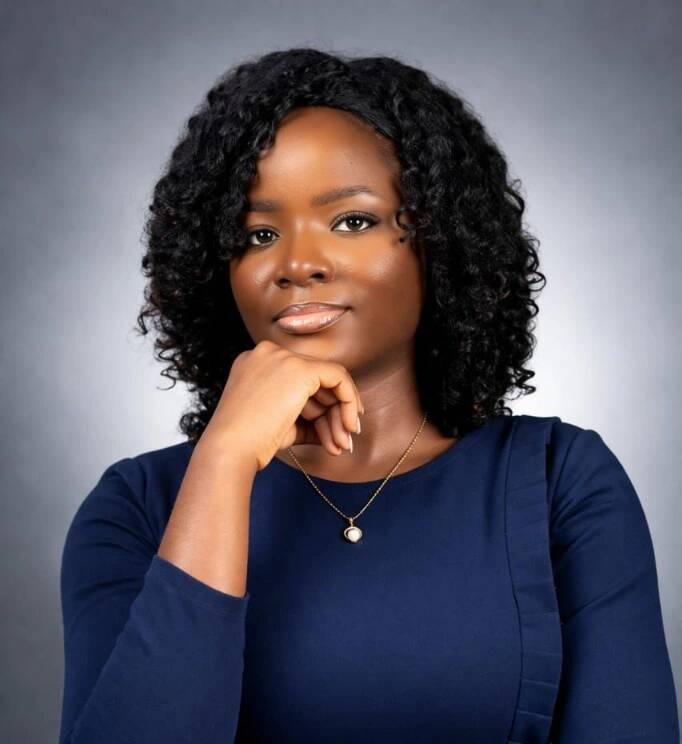
My name is Anna Nana Agyeiwaa Mensah, a professional nurse from Ghana. My interest in Global Health grew out of my experienc .... Read more
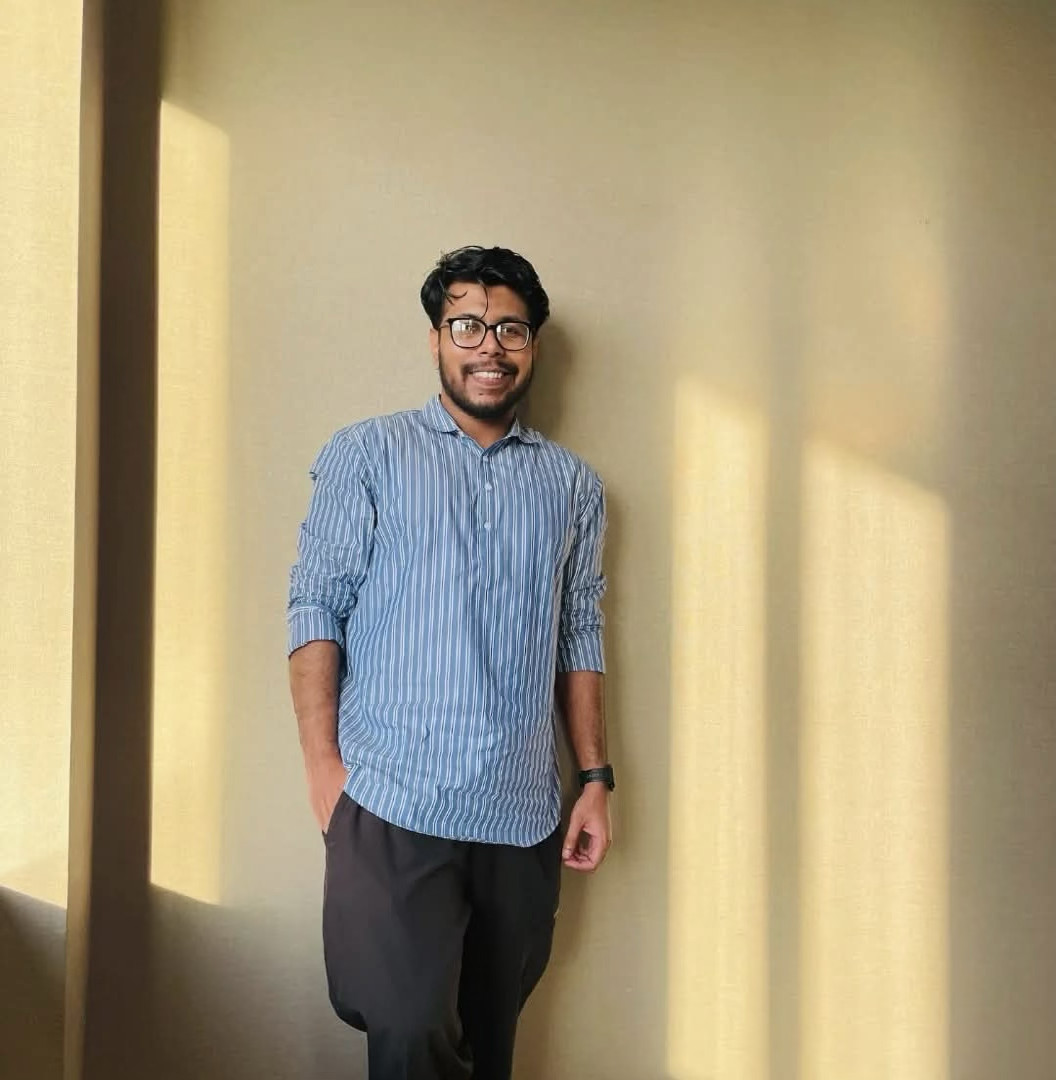
My name is Ratul Chakraborty, and I am from Bangladesh. My background is interdisciplinary, actually. Before coming to Germa .... Read more
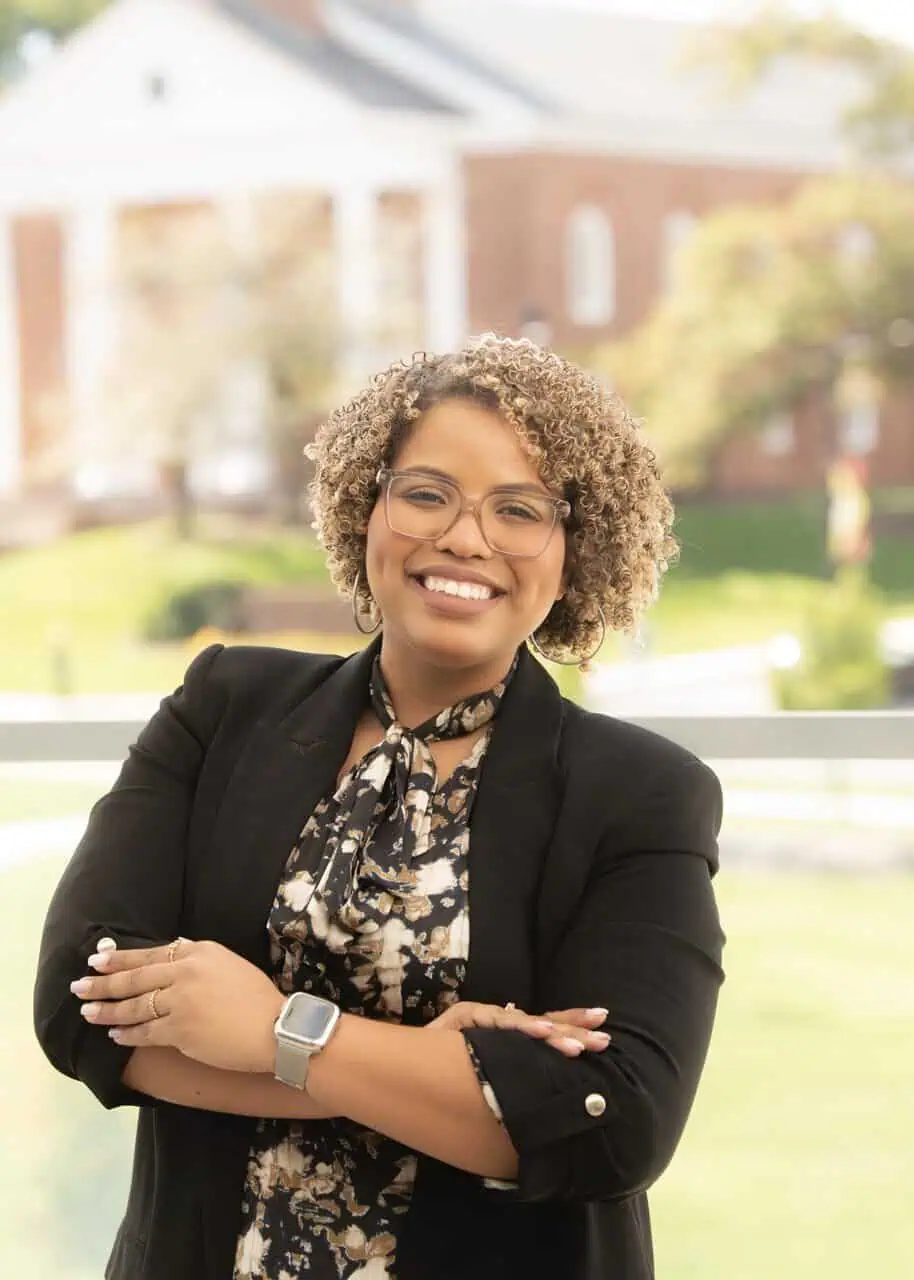
My name is Mabel Zuñiga. I am a graduate student from Panama pursuing a Master’s degree in Public Policy at the Universit .... Read more
Leave A Comment