
Friedrich-Ebert-Stiftung Doctoral Scholarship Scholar Júlia de Freitas Sampaio from Brazil Shares Her Journey of Securing a Fully Funded PhD at the Humboldt University of Berlin, Germany
University: Humboldt University of Berlin
Degree: PhD in Social Sciences
Previous Education: Master’s degree in Social Development, University Paul-Valéry Montpellier 3; BA in Social Sciences, Federal University of Rio Grande do Sul (UFRGS)
Scholarship: Friedrich-Ebert-Stiftung (FES) Doctoral Scholarship – (Living Expenses, Conference Attendance Support)
Other Offered Scholarships (if any): DAAD Scholarship – Funding Not Specified (Short-term Doctoral Transition Support); Japan Society for the Promotion of Science (JSPS) Scholarship – Funding Not Specified (Three-month Research Stay in Tokyo)
Social Media
LinkedIn: linkedin.com/in/j%C3%BAlia-de-freitas-sampaio-85153b117/
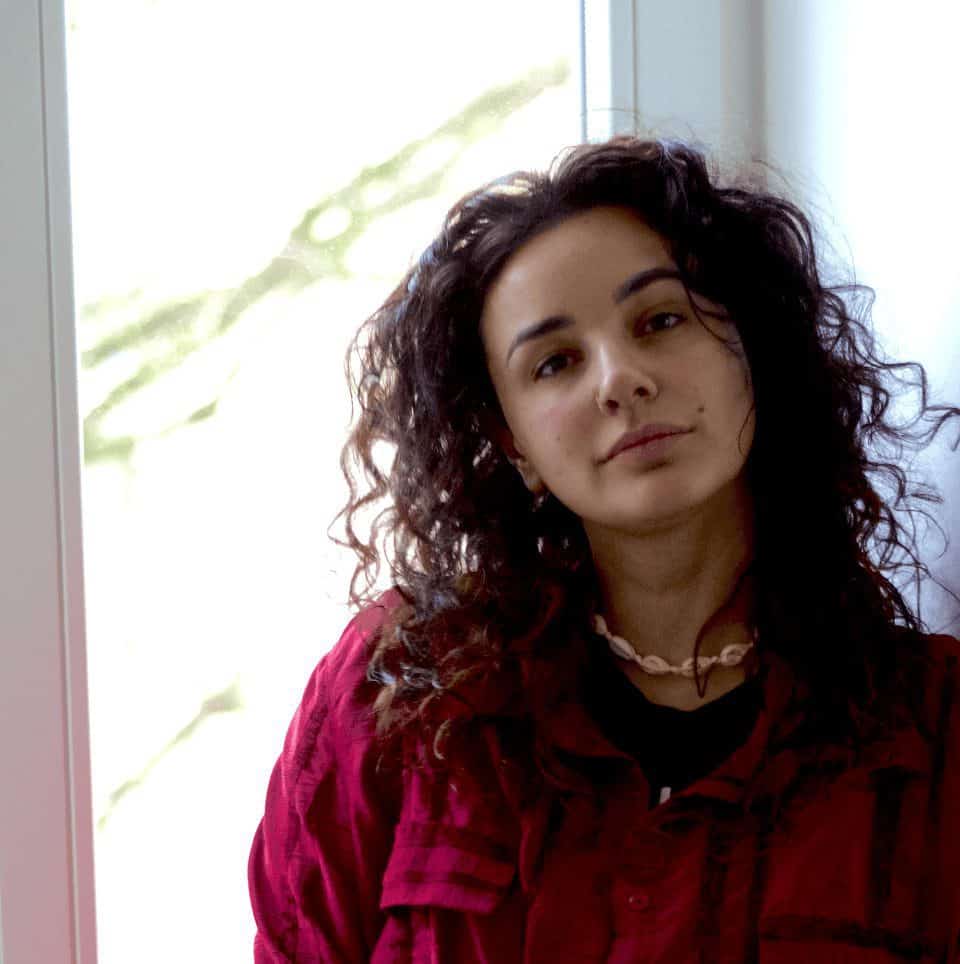
The Journey
My name is Júlia de Freitas Sampaio, and I am originally from Brazil. I am currently working as a postdoctoral researcher at the University of Luxembourg in the Department of Geography. My main research interests are regarding inequality (re)productions in services and infrastructure access, with a particular focus on how those might affect disaster risk reduction in extreme weather events.
I hold a PhD in social sciences from the Humboldt University of Berlin, Germany. Before that, I did a Master's degree in social development from the University Paul Valery in France and a BA in social sciences at the Federal University of Rio Grande do Sul (UFRGS) in Brazil. What motivated me to pursue further education was trying to understand why society is the way it is and how we can create a more inclusive one.
Friedrich-Ebert-Stiftung Details
During my doctoral studies at Humboldt University of Berlin, I was awarded the Friedrich-Ebert-Stiftung (FES) doctoral scholarship, which gave me financial support for my PhD research. The scholarship covered living expenses and allowed me to dedicate myself to my research. They also supported me financially to attend conferences. Before being awarded the FES scholarship, I was awarded a DAAD scholarship. Although this funding was for a relatively short period, it played an important role in supporting my transition into doctoral studies and gave me the time and stability needed to prepare a strong application for the Friedrich-Ebert-Stiftung scholarship. The DAAD funding was a crucial stepping stone in my academic journey in a new country.
Were You Offered Any Other Scholarships?
Yes. In addition to the DAAD and Friedrich-Ebert-Stiftung scholarships, I was awarded a scholarship from the Japan Society for the Promotion of Science (JSPS) during my PhD. This funding enabled me to spend three months in Tokyo, Japan.
Educational Background
I have a Bachelor's degree in Social Sciences from the Federal University of Rio Grande do Sul (UFRGS) in Brazil and a Master's degree in Social Development from the University of Paul-Valéry Montpellier 3 in France. I later completed my PhD at Humboldt University of Berlin in Germany, and I currently work as a Postdoctoral Researcher at the University of Luxembourg in Luxembourg.
My academic background has always been interdisciplinary, combining sociology, development studies, and environmental research. My methods have also been mixed; I experiment with many different traditions to try to learn a bit from all of them. My grades were not good for most of my life. It is a myth that you have to be a straight-A student to be a researcher. As I started finding myself in what I wanted to do, my grades improved a lot. But there was a lot of trial and error in the path. And a lot of rejection.
How Did You Find Information About Friedrich-Ebert-Stiftung and Humboldt University of Berlin?
Mostly by researching online. Both through broad searches on Google and through known foundations, such as the websites of JSPS, DAAD, etc. Some institutions also have a page listing scholarships and foundations, so as I found new pages I just added them to my own list. If I am actively looking for scholarships, I list everything I want to apply for and their deadlines so I can create a chronogram.
How Did You Prepare to Apply for the Friedrich-Ebert-Stiftung?
This is the same for both institutions and scholarships.
One of the most important things I learned is to read application calls carefully and repeatedly. The calls often include specific concepts, priorities, and keywords that applicants are expected to address. Understanding what an institution is looking for is essential, and naming their priorities with the same wording/same keywords can help reviewers see that you are aligned with their priorities.
Being a good match overall is also important, both for your application and for your experience. Whenever possible, I try to contact researchers or staff at the host institution before applying. This helps me understand whether there is a good fit between my research interests and those of the institution. This also helps me understand better the expectations of the program and how I can contribute to it. Even if an opportunity looks amazing on paper, sometimes the synergy between you and the host is not good, which can make it into an unpleasant experience for everyone involved.
When it comes to preparing the application, I try to be as precise as possible. Rather than using broad language, I focus on clearly explaining what I want to do, how I will do it, when I will do it, and who I plan to work with. I try to use as few words as possible and make every sentence count. And I name everything I can. If you plan to partner with a different lab or with an NGO, tell which one, who your contact point is there, how they will support you, why they are relevant, etc.
I also believe it is important to be honest about the limitations of a project. No research project is perfect, and every methodology has weaknesses. Instead of ignoring these challenges, I try to address them directly and explain how I would respond if difficulties arise. Having a contingency plan shows that you have thought carefully about the practical realities of the research and that you are prepared to adapt when necessary. This helps with feasibility, as a prepared researcher is more likely to deliver what they promised.
Finally, I spent a great deal of time refining my research proposals, and I asked for feedback from colleagues and friends. I always ask someone from a different field to read my project; if they cannot understand it, then I need to rewrite. Reviewer commissions are often formed by people from different backgrounds, and it is important that they can all understand what you want to do. This external feedback often helped me identify weaknesses that I had overlooked and to improve the clarity of my applications.
What Did You Pursue After the Friedrich-Ebert-Stiftung?
After my Ph.D. I started a postdoc at the University of Luxembourg. I plan to stay in academia, and I would like to become a Professor one day.
Would Potential Students Have Any Problems Not Knowing German?
In France, yes, knowing French was important. In Germany, I could get by without German, but I was in Berlin, which is more international. The same goes for Japan, but I was in Tokyo.
What Do You Think Made Your Application Stand Out?
I think there were three main things that made me stand out: social relevance, interest in building a long-term relationship with the host institution/country, and precision. A lot of foundations and institutions right now seem to be interested in impact beyond academia, so explicitly showing the social impact of your project can help increase its relevance. Many funding bodies also want to know how their investment will pay out in the long run, so rather than presenting research as an isolated project, I try to show how collaboration can continue beyond the funding period. Finally, I try to be as precise as possible. In my applications, I try to clearly explain my objectives, methodology, timeline, and expected outcomes without using vague language or unnecessary adjectives. I specify what I plan to do, when I will do it, and with whom I intend to work, and I name all people/organizations/methods involved. I usually include detailed timelines and try to make every word intentional. In the age of AI, I think precision and specificity are becoming increasingly important. Reviewers read many applications, and clear, concrete proposals are often much more convincing than generic ones with fancy words that in the end do not add much to the text.
Looking Back, Would You Have Done Anything Differently During Your Time in the Program?
If I were starting again, I would spend much more time researching institutions before applying. Early in my academic career, I received many rejections because I did not fully understand what different institutions were looking for or how to present myself effectively. Precision is so important, and I did not know that for the longest time.
Looking back, I can see that I underestimated the importance of precision and institutional fit. Understanding an institution's priorities, research culture, and expectations can make a significant difference. I would also have sought more feedback on my applications and research proposals at an earlier stage.
What Advice Would You Give Those Looking to Apply for a Similar Scholarship?
Do not give up because of rejection.
I have been rejected from far more opportunities than I have received. In fact, I am probably rejected from more than 90% of the positions, scholarships, and grants that I apply for. Of course, rejection is disappointing, and it affects me emotionally just like it affects everyone else. But I try not to interpret rejection as evidence that I am not a good candidate. Instead, I try to learn from each experience. Whenever possible, I ask for feedback, identify areas for improvement, and apply again. Sometimes I reapply to the same institution or foundation, and sometimes I look for other opportunities that are a better fit.
There are many excellent candidates competing for a limited number of positions, so being rejected does not mean you are not qualified, talented, or deserving. I think that persistence is one of the most important qualities in academia. Keep improving your applications, keep learning from the process, and keep trying. The right opportunity may take time, but it only takes one successful application to change your career.
Want to submit your
scholarship journey?
Submit Your Story Here!
More Scholarship Recipients
My name is Shah Hussain, and I am from Khyber Pakhtunkhwa, Pakistan. I completed my Bachelor’s in Psychology at the Univer .... Read more
I am June from the Philippines. I am an educator for Social Sciences and Humanities. I recently earned my Master in Southeas .... Read more
Hi, my name is Abdul Hafeez, and I come from a small town called Nasirabad in Sindh, Pakistan. Currently, I am pursuing a ma .... Read more
Leave A Comment