
My Fulbright Scholarship Journey: From Pakistan to The Ohio State University
University: The Ohio State University
Degree: Ph.D. in Language, Education, and Society
Scholarship: Fulbright Foreign Student Scholarship
Other Offered Scholarships: Teaching Excellence and Achievement (TEA) Program – Fellowship (Six-week Fellowship at University of Northern Colorado); Australia Awards Scholarship
Social Media
The Journey
Long before I became a Fulbright scholar, I had learned that obstacles do not disappear simply because we wish them away. Living with visual impairment taught me that dreams require preparation, perseverance, and a commitment to serving others. Those lessons eventually carried me from a classroom in Pakistan to The Ohio State University.
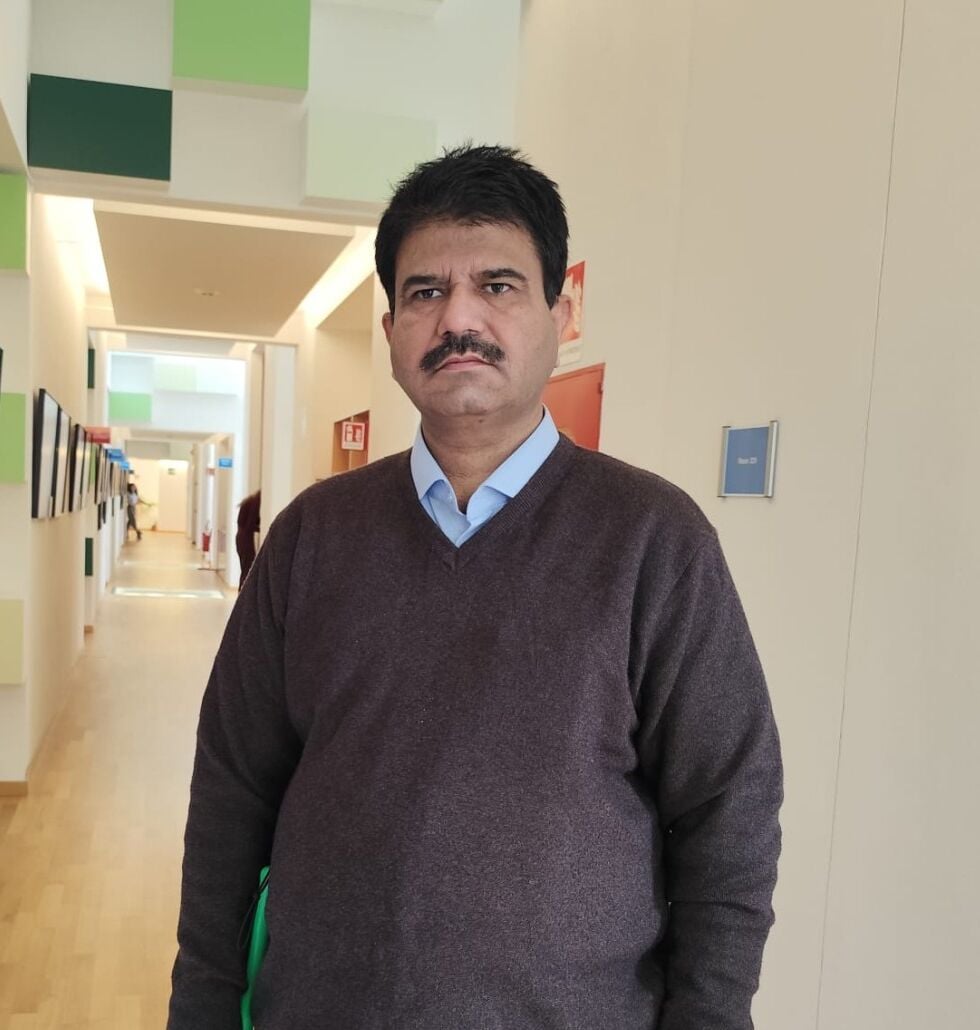
My name is Dr. Ishtiaq Ahmed, and I come from Pakistan. I am an English teacher, special educator, university professor, disability inclusion consultant, researcher, and advocate for inclusive education. I am also a person with visual impairment. Far from limiting my aspirations, my disability shaped my worldview and strengthened my determination to ensure that children and young people from marginalized communities have access to quality and inclusive education.
For more than fifteen years, I taught English at the secondary school level in Pakistan. Beyond teaching, I mentored students in literary competitions, coached English declamation teams, and actively participated in school administration and co-curricular activities. Yet, despite the fulfillment that teaching brought me, I increasingly found myself asking deeper questions. Why do children with disabilities continue to face barriers to learning? Why are educational opportunities still unequal? And how can research contribute to meaningful social change?
These questions were not merely academic. Living with visual impairment has given me firsthand experience with exclusion, inaccessible environments, and the importance of support systems. Rather than discouraging me, those experiences strengthened my commitment to disability inclusion and educational equity.
Although I had already completed four postgraduate degrees and accumulated more than fifteen years of professional experience, I felt that my journey of learning was far from complete. I wanted to acquire the knowledge, research skills, and international perspective necessary to contribute to educational reform and disability-inclusive policies in Pakistan and other developing countries. My goal was never simply to earn another degree. I wanted to become a stronger advocate for those whose voices are often unheard.
The Fellowship That Changed My Life
My first exposure to international education came in 2013 when I was selected for the prestigious Teaching Excellence and Achievement (TEA) Program sponsored by the U.S. Department of State. The six-week fellowship at the University of Northern Colorado introduced me to innovative teaching practices and allowed me to interact with educators from different countries.
More importantly, it was during this program that I first learned about the Fulbright Scholarship. At the time, pursuing a Ph.D. in the United States seemed like a distant dream. However, my experience as a TEA Fellow expanded my horizons and convinced me that international education could equip me with the tools needed to address the challenges facing children with disabilities in Pakistan.
Looking back, the TEA Program marked the beginning of my international academic journey.
A year later, I was fortunate to receive another major opportunity when I was awarded the Australia Awards Scholarship. Although I was deeply honored by this recognition, I eventually chose to pursue the Fulbright Program because its interdisciplinary approach and research opportunities aligned more closely with my long-term goals.
Receiving the TEA Fellowship, the Australia Awards Scholarship, and ultimately the Fulbright Scholarship was not a matter of luck. Rather, these opportunities reflected years of teaching, professional service, and a genuine commitment to educational equity.
Preparing for Fulbright
After returning from the United States, I began preparing for the Fulbright application long before the deadline. I attended information sessions, consulted alumni, studied the requirements carefully, and refined my research interests.
Preparing for standardized tests presented additional challenges. Because of my visual impairment, the GRE quantitative section—with its graphs, mathematical symbols, and geometrical figures—was particularly demanding. There were moments when the process felt overwhelming, but I refused to allow those challenges to define my potential. Through perseverance and determination, I completed the required examinations and continued moving forward.
At the same time, I worked to ensure that my application told a coherent story. I did not want to present a list of accomplishments. Instead, I wanted the selection committee to understand how my experiences as a teacher, special educator, and advocate for children with disabilities had shaped my research interests and future aspirations.
One lesson I learned from the process is that scholarship committees look beyond grades and test scores. They seek individuals whose lives demonstrate commitment, leadership, and the potential to make meaningful contributions to society. A personal statement is important, but it gains credibility only when supported by years of consistent effort and service.
From Pakistan to The Ohio State University
In 2015, I was awarded the Fulbright Foreign Student Scholarship, funded by the U.S. Department of State and administered by the United States Educational Foundation in Pakistan (USEFP). I began my doctoral studies in Language, Education, and Society at The Ohio State University.
Studying at Ohio State was transformative. I had the privilege of learning from distinguished faculty members and collaborating with scholars from around the world. The university's commitment to accessibility and inclusion enabled me to participate fully as a student with visual impairment. The academic environment encouraged critical thinking, independent inquiry, and interdisciplinary collaboration.
More importantly, my years at Ohio State deepened my understanding of disability studies and educational equity. They reinforced my belief that inclusive education is not simply a matter of policy; it is a matter of justice.
Returning Home
After completing my Ph.D. in 2020, I returned to Pakistan because I believed that the knowledge I had acquired should benefit my own community. I resumed teaching and later served as an Assistant Professor of Special Education at the University of Education, Lahore. I have also worked with organizations such as UNICEF and have focused on disability inclusion, teacher professional development, STEM education for children with disabilities, and educational research.
My work continues to be driven by the same purpose that inspired me to pursue doctoral studies: removing barriers and creating opportunities for those who have historically been excluded.
Lessons for Future Scholars
If my journey has taught me anything, it is that scholarships are rarely won by a brilliant essay alone. They are the culmination of years of preparation, service, and commitment to a cause larger than oneself.
For aspiring scholars, my advice is simple:
Start early. Build a strong academic and professional profile. Seek mentors and learn from others. Choose research topics that address real societal needs. Focus on impact rather than prestige. Most importantly, remain authentic.
Selection committees do not simply look for perfect grades. They look for people whose lives demonstrate leadership, resilience, and a desire to make a difference.
My visual impairment never defined the limits of my aspirations. Instead, it strengthened my resolve and enriched my perspective. My commitment to serving vulnerable communities was instrumental in receiving the TEA Fellowship, the Australia Awards Scholarship, and ultimately the Fulbright Scholarship.
To aspiring scholars and persons with disabilities everywhere, I offer this message:
Your background, your disability, or your circumstances do not determine the limits of your potential. Dream boldly, prepare diligently, and serve selflessly. The world needs your talents, your ideas, and your leadership.
Want to submit your
scholarship journey?
Submit Your Story Here!
More Scholarship Recipients
My name is Shah Hussain, and I am from Khyber Pakhtunkhwa, Pakistan. I completed my Bachelor’s in Psychology at the Univer .... Read more
I am June from the Philippines. I am an educator for Social Sciences and Humanities. I recently earned my Master in Southeas .... Read more
Hi, my name is Abdul Hafeez, and I come from a small town called Nasirabad in Sindh, Pakistan. Currently, I am pursuing a ma .... Read more
Leave A Comment