
Global Leader Fellowship Scholar Amal Varghese from India Shares His Journey of Securing a Fully Funded Master's at the Yonsei University, South Korea
University: Yonsei University
Degree: Master’s in Economics
Previous Education: Bachelor’s (Honors) in Economics, Ramjas College, University of Delhi
Scholarship: Global Leader Fellowship – Full Funding (Admission Fees, Tuition Fees for Four Semesters, Living Stipend of KRW 3,000,000 per Semester)
Other Offered Scholarships: Humanities and Social Sciences Scholarship, Korea University
Social Media
LinkedIn: linkedin.com/in/amalvarghese13/
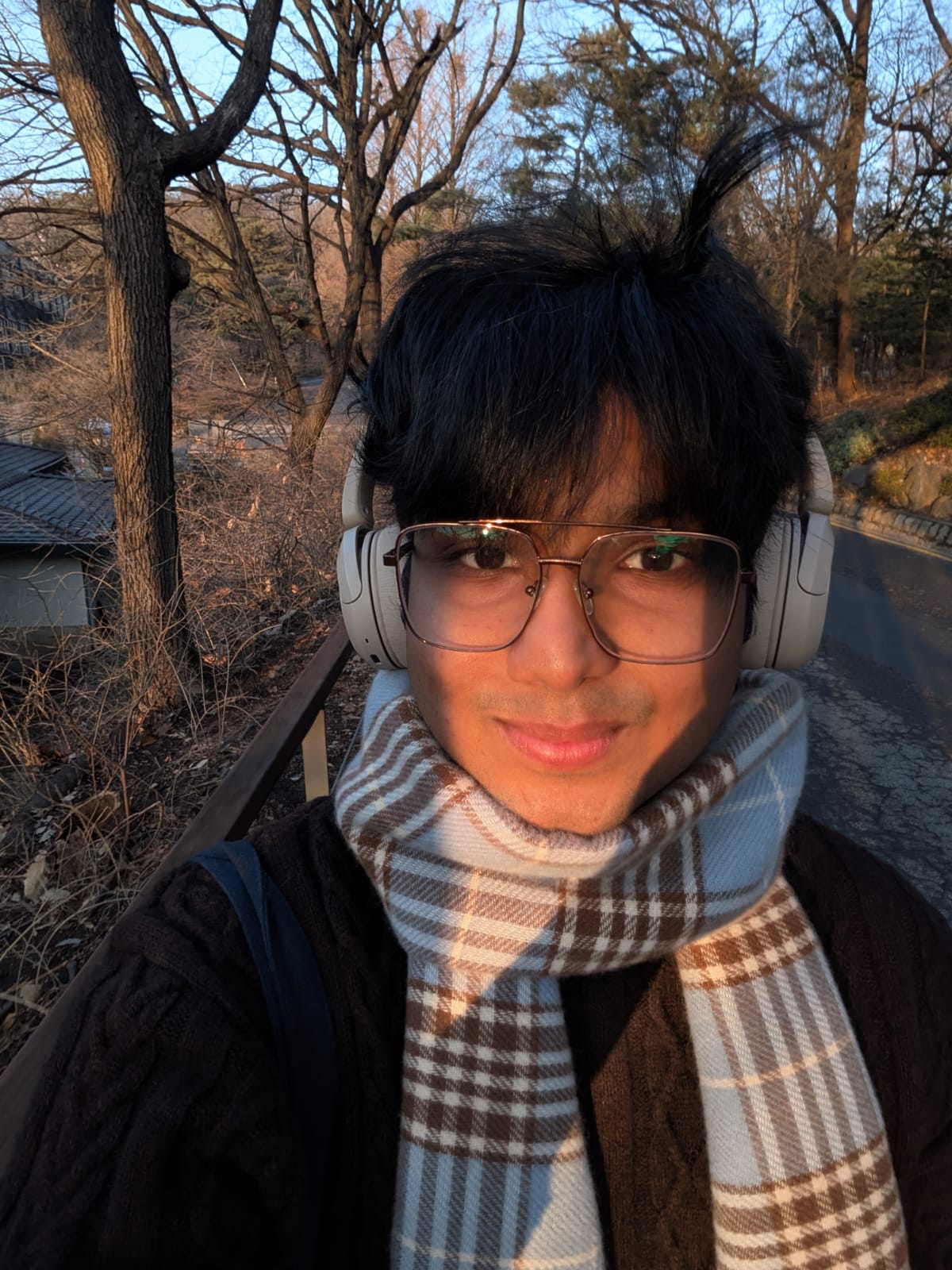
The Journey
Hello! My name is Amal Varghese. I was born and raised in Kerala, India. After schooling, I completed my Bachelor’s (Honors) in Economics from the University of Delhi. I have always liked academia, so a master’s was a natural decision for me.
Economics, in my view, is a field where you get a little of everything. It can be both science and art at the same time. We use scientific methods to answer some profound questions that affect the daily lives of almost everyone. Also, career-wise, I believe a degree in economics offers multiple and diverse options beyond academia and policy circles, especially if we continue to upskill ourselves.
Currently, I am a master’s student at Yonsei University, South Korea.
Global Leader Fellowship Details
I am a recipient of the Global Leader Fellowship. It covers my admission fees and tuition fees for four semesters. Additionally, it includes a living stipend of 3 million Korean won every semester. The amount and duration may vary depending on university norms, the department, and the program enrolled in.
Were You Offered Any Other Scholarships?
I was also accepted to Korea University with the Humanities and Social Sciences Scholarship. I chose Yonsei because it offered a more favourable scholarship, and also because of its edge over KU when it comes to the international student community.
Educational Background
I completed my undergraduate Bachelor’s (Honors) in Economics at Ramjas College, University of Delhi. Unlike a BA program, a BA (Hons) program does not have a major-minor structure. We study a single subject in relatively greater depth. I secured 8.38/10.0 as my final GPA, which converts to 3.77/4.00 according to WES iGPA.
During my undergraduate years, I had the opportunity to take up multiple research roles, both as a researcher and as a reviewer. One of the defining moments that shaped my decision to pursue a master’s was the South Asian Economics Students Meet (SAESM), which is in collaboration with the World Bank. If you are a South Asian student reading this, I hope this is a nice opportunity to look out for!
During my undergraduate studies, I wrote two papers, published one in an undergraduate research journal, and presented one at SAESM, where I also won Best Paper. I was also the Editorin-Chief of the undergraduate research journal, Ramjas Economic Review.
I think, more than just GPA, these were the factors that helped me in my application. I did worry a lot about the B+s in my transcript. So even though I did not have a perfect GPA by elite academic standards, I was able to compensate for it through my co-curricular and extracurricular experiences.
How Did You Find Information About Global Leader Fellowship and Yonsei University?
I did not enroll in any career programs or bureaus. I did my own research through LinkedIn, Reddit, YouTube videos of students abroad, official university websites, and by connecting with people from my country or alumni from my college who were working or studying abroad.
Did You Take Any Standardized Tests? If So, How Did You Prepare for Them?
I did take the IELTS exam and scored an 8.0 band. I did not take any coaching. I simply referred to the official IELTS website and materials for reading, writing, and listening. My preparation period spanned two weeks, and I used a free app to practice speaking.
How Did You Prepare to Apply for the Global Leader Fellowship?
Speaking from the perspective of economics, I would say research papers and research roles are a huge plus. After that comes academic and co-curricular merit, which includes awards for paper presentations, conferences, GPA-based awards, and similar achievements.
I also made sure to stay in touch with professors, because recommendation letters play a huge role. At the same time, I tried not to overlap too much between my CV and SOP. I made a point of doing deep homework on the institution I was applying to.
I did not mention a professor’s name or work just for the sake of it. Instead, I tried to show that I had genuinely researched the place and to personalize my academic story and my connection with the institution. It did not need to be very big; even subtle links worked well.
How is Your Experience at Yonsei University?
My experience so far has been very good, honestly much better than expected. Coming from India to Korea means a lot of changes, from how classes are held to how research is done and the tools used for research. Yonsei has offered a welcoming and safe research environment, and I felt comfortable as an international student. Of course, there are some issues when it comes to language, but academically that is not a major problem.
Are Your Classes Conducted in English or Korean?
Every semester, out of the total courses, almost half are offered in English. But this varies a lot from department to department.
Would Potential Students Have Any Problems Not Knowing Korean?
It depends on the department of your choice. Fortunately, the Economics Department offers a lot of courses in English, but that may not be the case for other departments. Also, even if a department offers English courses, it is highly advisable to check the course catalogue carefully during the application process to see whether the courses and the related subjects in your area of interest are taught in English.
The only drawback could be that you may not be eligible for a large number of TA roles if you are not well versed in Korean, but that also depends from department to department.
What Do You Think Made Your Application Stand Out?
I would say my experience as Editor-in-Chief of Ramjas Economic Review. To clarify, this was not a magazine or a college article. It is an ISSN-certified journal made solely for undergraduate economics researchers and run by students, with oversight from professors within and outside India. I believe it is unusual for a student to engage in such solid academic reviewing experience. I also think certain subtle personal details in my SOP and my recommendation letters helped strengthen my application.
Looking Back, Would You Have Done Anything Differently During Your Time in the Program?
I would have spent more time and effort on coding and math during undergrad so that I could devote less time in mastering them in my master’s.
What Advice Would You Give Those Looking to Apply for a Similar Scholarship?
I would say your profile determines your chances, but the final decision is not solely determined by how good your profile is. It also depends on how suitable your profile is with respect to what the university is looking for. Most of us spend a lot of time trying to show how strong our profile is during the application process. However, I think the more important task is to show why our experiences, interests, and goals make us a good fit for the program. In my experience, suitability often matters as much as, if not more than, the absolute strength of a profile. Cheers!
Want to submit your
scholarship journey?
Submit Your Story Here!
More Scholarship Recipients
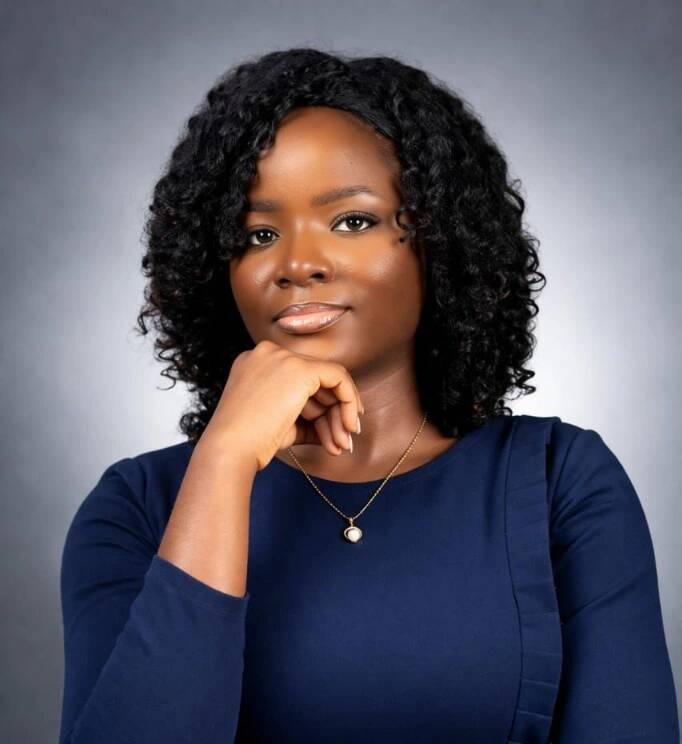
My name is Anna Nana Agyeiwaa Mensah, a professional nurse from Ghana. My interest in Global Health grew out of my experienc .... Read more
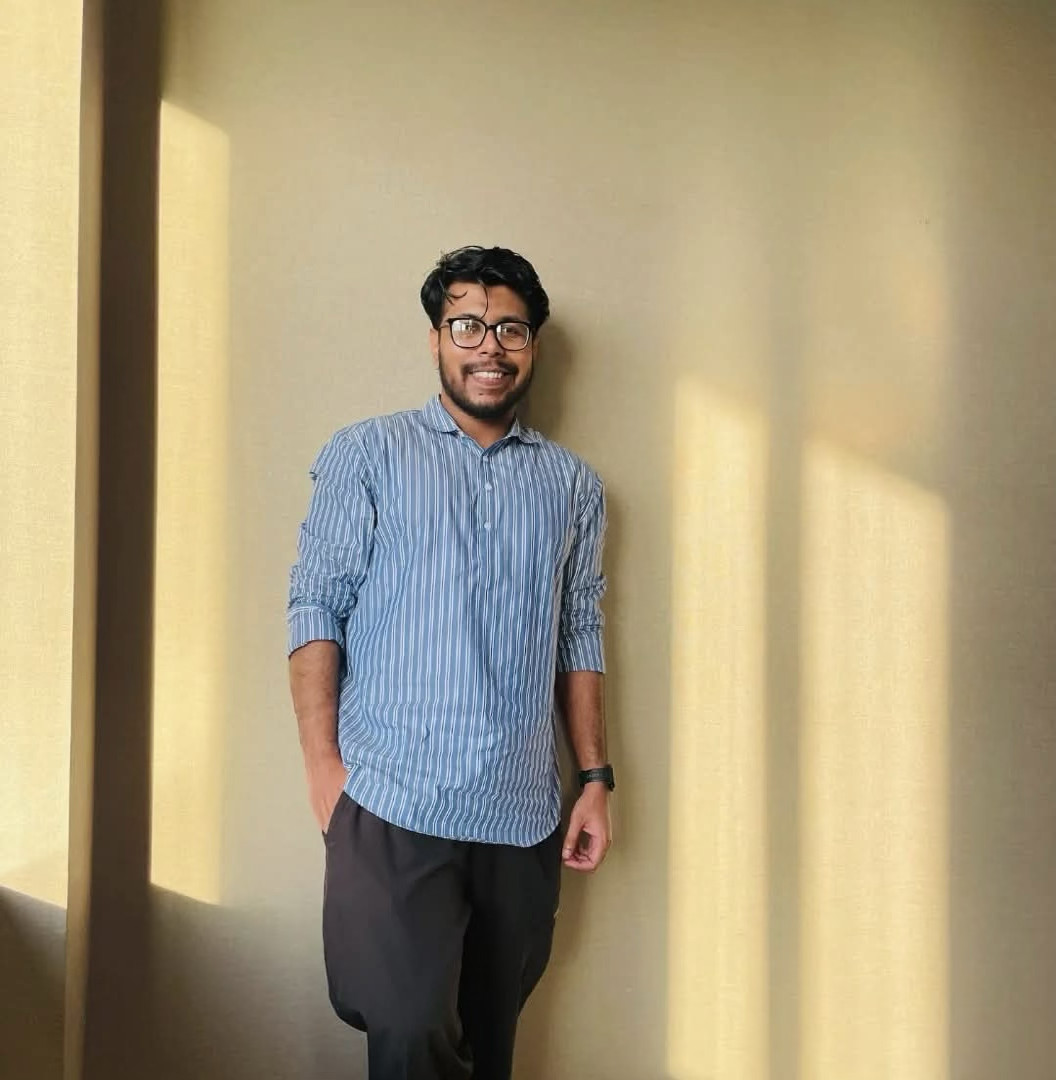
My name is Ratul Chakraborty, and I am from Bangladesh. My background is interdisciplinary, actually. Before coming to Germa .... Read more
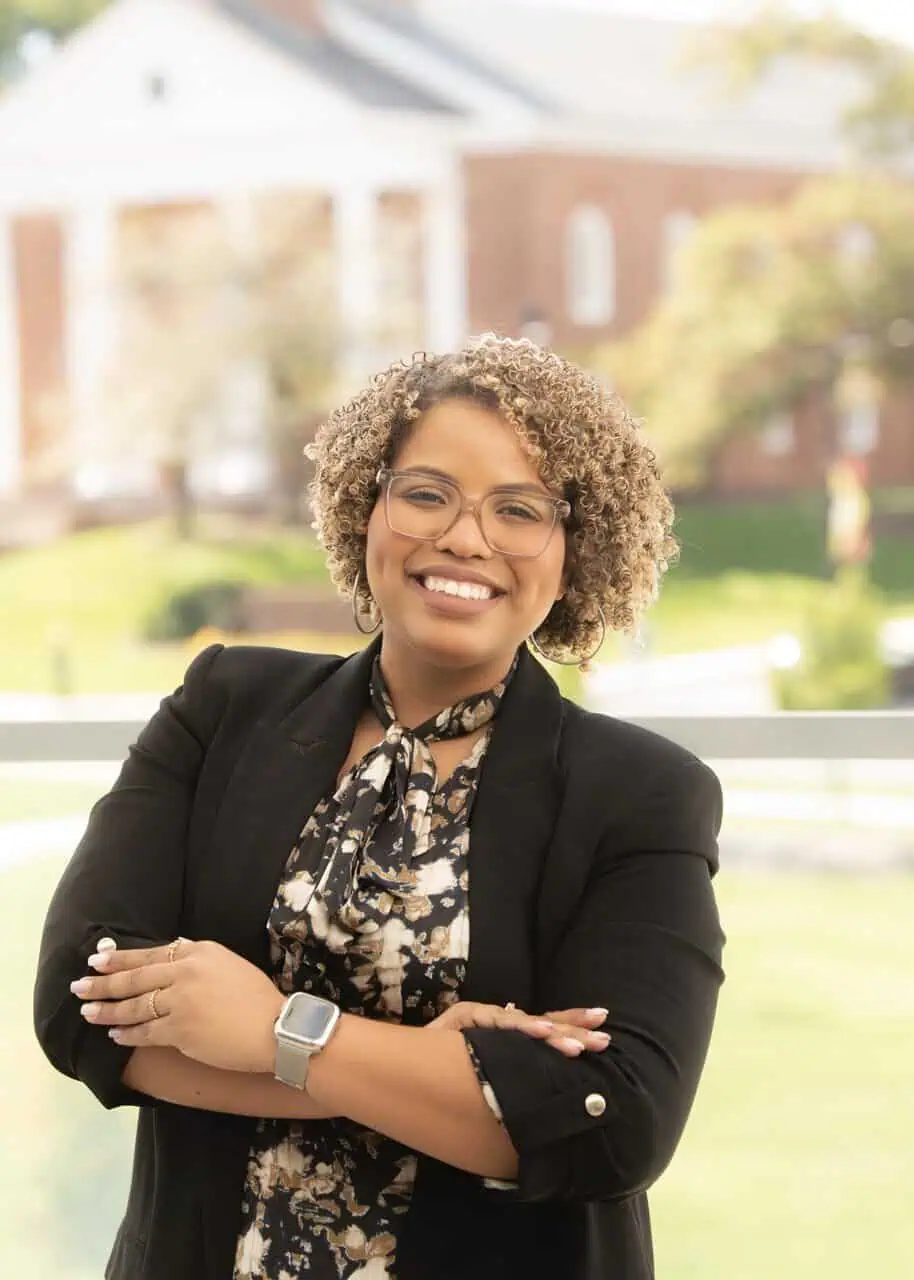
My name is Mabel Zuñiga. I am a graduate student from Panama pursuing a Master’s degree in Public Policy at the Universit .... Read more
Leave A Comment