
Australia Awards and Chevening Scholar Zahoor Ahmed from Pakistan Shares His Journey of Studying Development Studies and Social Policy at the University of Melbourne and LSE
University: University of Melbourne, Australia / London School of Economics and Political Science (LSE), United Kingdom
Degree: Master of Development Studies (Melbourne) / MSc in International Social and Public Policy (LSE)
Previous Education: BBA (IT), Bachelor of Business Administration in Information Technology Management.
Scholarship: Australia Awards Scholarship (Master’s at Melbourne) – Fully Funded (tuition, living stipend, health insurance) / Chevening Scholarship (MSc at LSE) – Fully Funded (tuition, living stipend, health insurance, flights)
Social Media
LinkedIn: linkedin.com/in/zahoor-ahmed-0106386a/
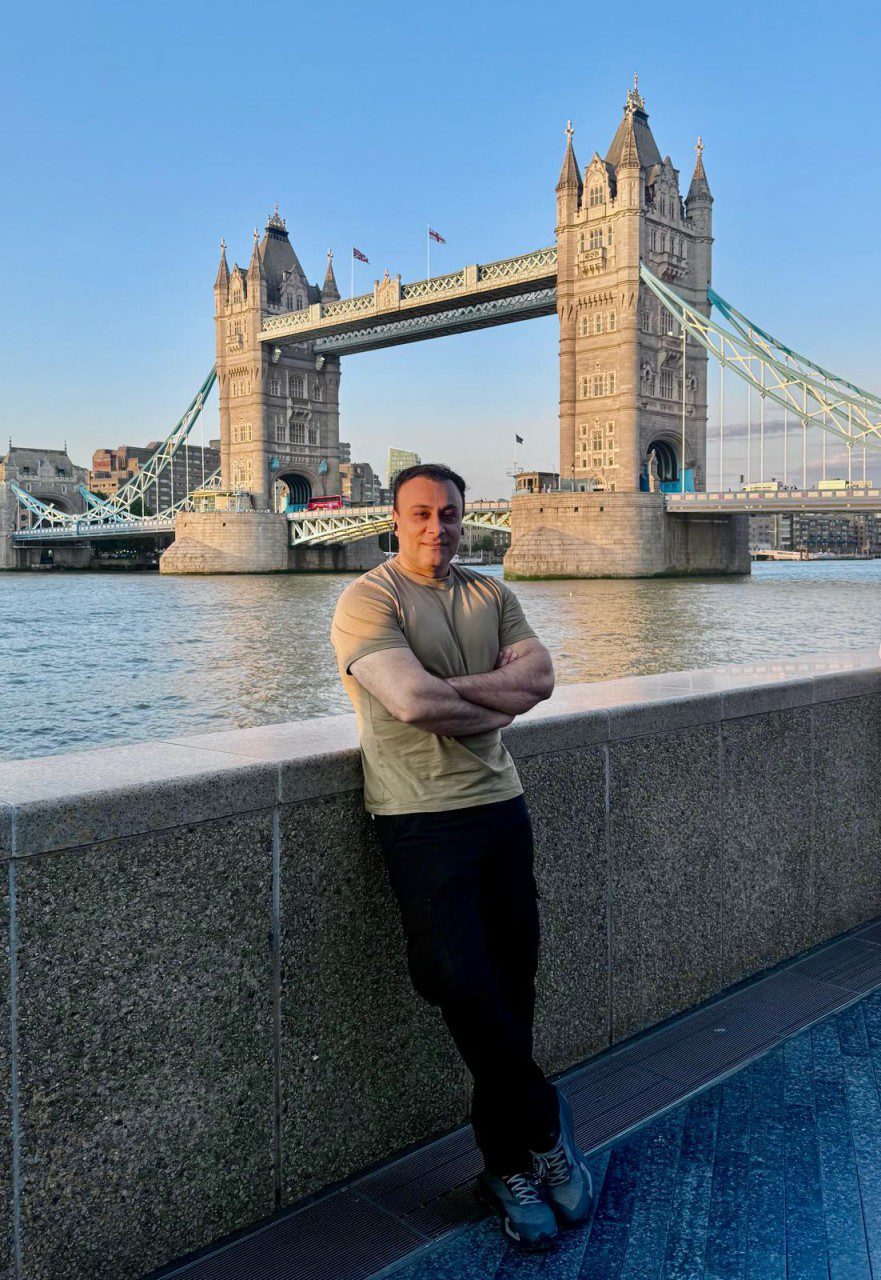
The Journey
My name is Zahoor Ahmed, and I come from Balochistan, which is geographically the largest province of Pakistan, yet often one of the least understood in terms of its development challenges. I belong to a district (Pishin) bordering Afghanistan, where I grew up closely witnessing the realities of displacement, poverty, and resilience among refugee communities. Living among Afghan refugees during my formative years deeply shaped my worldview. It cultivated in me a natural inclination toward humanitarian work, social justice, and development practice long before I formally understood these as academic disciplines.
My professional journey began with an international NGO working in humanitarian response, followed by roles with various national organizations and government departments focused on education, governance, and community development. Through these experiences, I was exposed to both the operational realities of development work and the institutional structures that shape it. I witnessed firsthand the persistent gap between policy formulation and on-the-ground implementation. This realization convinced me that while practical field experience is invaluable, influencing sustainable and systemic change requires a strong academic foundation.
Motivated by this understanding, I pursued a Master of Development Studies at the University of Melbourne under the Australia Awards Scholarship (formerly AusAID). This academic experience provided me with theoretical depth, analytical tools, and a global perspective on development practice. It strengthened my ability to critically examine governance systems, policy design, and institutional effectiveness.
After completing my degree, I returned to professional practice with renewed clarity and purpose. Over time, I had the opportunity to work closely with federal and provincial government departments, including through my engagement with the United Nations Development Programme (UNDP) on initiatives aligned with the Sustainable Development Goals (SDGs). In this role, I supported policy alignment, budgeting reforms, monitoring frameworks, and innovation mechanisms through the lens of the SDGs. Working at the policy interface further deepened my interest in systemic reform and strengthened my desire to expand my expertise in social and public policy.
Building on both my academic foundation and practical policy experience, I later pursued an MSc in International Social and Public Policy at the London School of Economics and Political Science (LSE) under the Chevening Scholarship. This second phase of advanced study allowed me to critically analyze welfare systems, governance models, and global social policy debates at a more sophisticated level, reinforcing my long-term commitment to contributing to evidence-based policymaking and development reform.
Australia Awards and Chevening Scholarships Details
Both universities are globally ranked and academically rigorous institutions, and both scholarships provide comprehensive financial support, covering tuition fees, health insurance, and a living stipend sufficient to maintain a dignified student life. However, beyond financial support, what made these scholarships transformative was the exposure, networks, and leadership opportunities they offered.
How is (was) Your Experience at the University of Melbourne and the London School of Economics and Political Science (LSE)?
My experience in Australia was particularly enriching. The Australia Awards Scholarship was not only generous but also deeply supportive in its structure. It allowed flexibility during semester breaks, enabling scholars to travel or visit home during off-study periods, while the monthly stipend would still come into their accounts. In Melbourne, the scholarship support staff actively facilitated networking events and cross-cultural engagements among scholars from different countries. During my time at the University of Melbourne, I was elected President of the Australia Awards Scholarship Community, representing scholars from more than 20 countries for one year. This leadership role provided me with the opportunity to coordinate with scholars from diverse countries, organize events, and represent student concerns to the scholarship administration. I worked closely with the Scholarship Student Advisor, who provided full institutional and funding support (for events, etc.). This experience significantly strengthened my leadership, communication, and cross-cultural management skills.
The Australia Awards program, at the time I applied, also provided extensive pre-departure academic preparation. All scholars from Pakistan attended a week-long academic orientation at Lahore University of Management Sciences (LUMS), where we were trained in academic writing, avoiding plagiarism, and basic statistical skills. This preparation eased the transition into the Australian academic system and ensured scholars felt confident rather than overwhelmed upon arrival.
At the London School of Economics and Political Science (LSE), the academic environment was intellectually intense and analytically rigorous. The MSc in International Social and Public Policy challenged me to examine development through structural, institutional, and comparative lenses. Classroom discussions included students from diverse professional and national backgrounds, enriching debates on welfare systems, governance models, inequality, and policy reforms. The exposure broadened my analytical capacity beyond operational project implementation toward systemic thinking.
How Did You Prepare to Apply to the Australia Awards and the Chevening Scholarships?
Another distinctive feature of the Australia Awards process was its holistic assessment of candidates. Although IELTS was required, the selection panel considered overall communication skills and potential. Due to extensive fieldwork commitments while working with Save the Children (INGO), I was initially unable to achieve my desired IELTS score. However, during the interview, the panel assessed my communication skills and offered me the opportunity to undertake a two-month pre-mandatory academic English course in Australia before commencing university studies. I accepted the offer, and this additional preparation proved invaluable. It reflected the scholarship's commitment to investing in potential rather than relying solely on standardized test scores.
In contrast, the Chevening Scholarship follows a different model. Candidates are selected conditionally and must independently secure an unconditional offer from a UK university before the scholarship is finalized. This process requires strategic university selection and strong independent application skills. While Australia Awards supported the entire admission process, including IELTS funding at that time, Chevening required greater self-management and proactive coordination with universities.
For Chevening, my first university preference was the University of Oxford. However, upon deeper reflection, I realized that the MSc in International Social and Public Policy at LSE offered a broader and more analytically rigorous curriculum aligned with my long-term interests in governance, social policy, and development systems. Looking back, I might have chosen a similarly broad program at Oxford instead of a narrower degree option. This taught me a valuable lesson: university prestige is important, but academic alignment with your career vision is far more critical.
Securing both the Australia Awards and Chevening Scholarships was not a result of luck. It was the outcome of persistence, reflection, and continuous improvement. More than a decade earlier, I had applied for the Fulbright Scholarship but was unsuccessful. At that time, my professional experience was comparatively limited, and my application essays did not effectively communicate my impact, despite the fact that I passed the GRE test, getting the required score. However, that rejection became a turning point rather than a setback.
I realized that scholarship writing is an art. Strong experiences alone are not sufficient; the ability to articulate them strategically makes the difference. Over time, I refined my writing approach by linking my professional experiences directly with the scholarship's objectives and my proposed field of study. I adopted the STAR method (Situation, Task, Action, Result) to structure my essays. Instead of making general claims about leadership or impact, I presented specific examples, measurable outcomes, and reflective insights. This clarity and coherence strengthened my narrative and demonstrated both leadership and strategic thinking.
Furthermore, authenticity in my applications is very important. Scholarship panels can distinguish between generic statements and genuine personal journeys. My preparation for international scholarships was gradual and strategic rather than rushed. Over the years, I learned that successful applications require more than strong academic grades; they demand clarity of purpose, alignment with long-term goals, and a demonstrated record of leadership and impact.
How Did You Find Information About Scholarships and Institutions?
When researching scholarships and institutions, I relied extensively on official scholarship websites, university program pages, alumni networks, and webinars. I carefully studied course structures, module descriptions, faculty expertise, and research focus areas. Rather than selecting a university based purely on global rankings, I examined whether the curriculum genuinely aligned with my professional trajectory in governance, development policy, and sustainable development implementation.
What Do You Think Made Your Application Stand Out?
Reflecting on what made my application stand out, I believe several elements were decisive:
First, clarity of purpose. My application did not present higher education as a personal achievement goal but as a strategic step toward contributing to development policy and governance reforms in Pakistan. Second, evidence-based leadership. Rather than stating that I was a leader, I demonstrated leadership through concrete examples, coordinating with government departments, supporting SDG alignment processes, leading student associations, and facilitating stakeholder collaboration. Third, resilience. I openly acknowledged earlier setbacks, such as my unsuccessful Fulbright attempt, and showed how I learned from that experience. Scholarship committees value a growth mindset and perseverance.
What Would You Have Done Differently if You Were Going Through the Process Again?
If I were to go through the process again, I would refine my university selection strategy further. While prestige is influential, program depth and intellectual fit are more important. For example, although my first preference for Chevening was Oxford, I later realized that program specificity matters significantly. Future applicants should not assume rejection before applying. Universities seek capable and motivated students. Self-rejection is often the biggest barrier.
What Advice Would You Give Those Looking to Apply for a Similar Scholarship?
For those aspiring to apply for similar scholarships, my advice is straightforward: do not lose hope after rejection. Treat each unsuccessful attempt as data for improvement. Reflect, revise, and reapply.
Align your proposed field of study clearly with your previous experience and long-term goals. Scholarship panels look for coherence, not randomness. Avoid generic statements. Instead of writing, "I am passionate about development," explain a specific situation where you addressed a development challenge and what measurable outcome resulted. Research programs thoroughly. Mention specific modules, faculty interests, or academic approaches that align with your objectives. Demonstrate that you have carefully examined the course structure and understand why that degree is the right fit. Maintain originality. Write in your own voice. Overly polished but impersonal essays lack impact. Authenticity is powerful.
Finally, remember that scholarships are not only academic awards; they are investments in leadership potential. Show how you intend to contribute beyond your own career advancement to your community, your country, and the global development agenda.
My journey from Balochistan (district Pishin) to institutions such as the University of Melbourne and the London School of Economics demonstrates that opportunities are accessible when preparation meets purpose. Think high, prepare well, and leave it to the Almighty Allah; your hard work will always give you the desired results. All the best.
Want to submit your
scholarship journey?
Submit Your Story Here!
More Scholarship Recipients

Hi! My name is Davi Augusto Mattoso, and I am originally from Brazil. I have a Bachelor's in Chemistry from the Federal Univ .... Read more

Hello, my name is Manasi, and I am from India. I completed my Bachelor’s degree in Civil Engineering from Dr. Babasaheb Am .... Read more

Hi, I am Malik Nauman Rauf, currently a Master's in Aerospace Engineering student and a Fulbright Scholar at Georgia Institu .... Read more
Leave A Comment