
How I Secured a Fully Funded PhD at Bielefeld University, Germany Through the DFG-Funded Research Associate Position
University: Bielefeld University
Degree: PhD in Social Anthropology
Previous Education: Bachelor of Arts in Political Science, Indira Gandhi National Open University; Master of Arts in Political Science, Centre for Political Studies, Jawaharlal Nehru University; MPhil in Political Science, University of Delhi
Scholarship: DFG-Funded Research Associate and Doctoral Researcher Position – Employment-Based Doctoral Funding (65% TV-L E13 Salary Scale, Approx. €1,900 Monthly Salary, Social-Security Benefits, Fieldwork and Academic Conference Support)
Social Media
LinkedIn: linkedin.com/in/vidyasagar-sharma/
The Journey
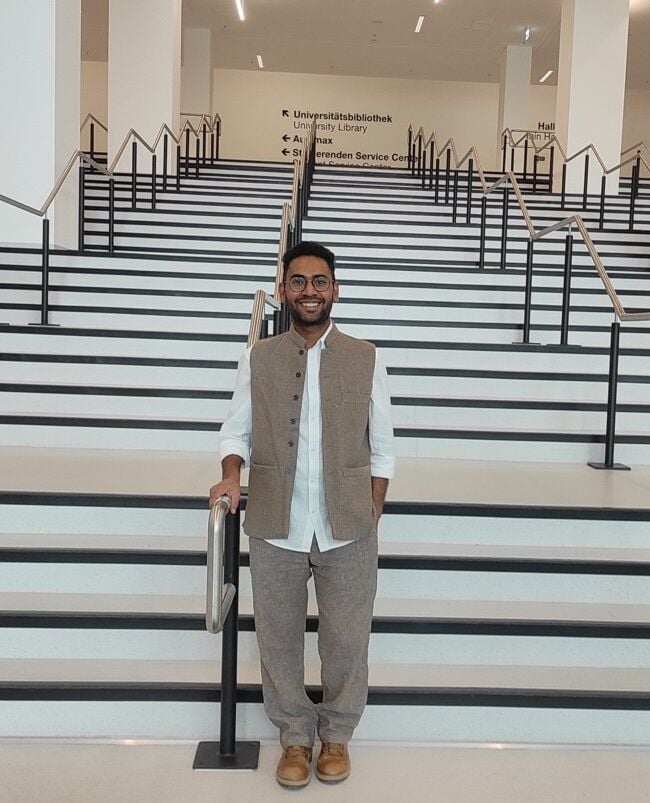
My name is Vidyasagar Sharma, and I am originally from Bihar, India. I am currently pursuing a PhD in Social Anthropology at the Faculty of Sociology, Bielefeld University, Germany. My academic journey has been shaped by a sustained interest in caste, education, belonging, and social justice. My doctoral dissertation, titled Reading as Resistance: Study Circles and the Everyday Politics of Belonging on a University Campus in India, examines how collective reading practices and study circles help marginalized students negotiate caste, institutional exclusion, academic freedom, and belonging within universities. I decided to pursue doctoral research because I wanted to understand universities not simply as places where formal education takes place, but also as social and political spaces. Universities can reproduce inequality, but they can also create possibilities for solidarity, critical thinking, and social transformation. My own educational experiences and previous research encouraged me to investigate these questions through ethnographic research.
DFG-Funded Research Associate and Doctoral Researcher Position Details
My doctoral funding at Bielefeld University was not a conventional scholarship. I was appointed as a Research Associate in a research project funded by the German Research Foundation, commonly known as the DFG.
My doctoral funding at Bielefeld University was not a conventional scholarship. I was appointed as a Research Associate in a research project funded by the German Research Foundation, commonly known as the DFG.
Institution: Bielefeld University, Germany
- Funding organization: German Research Foundation, Deutsche Forschungsgemeinschaft, or DFG
- Position: Research Associate and Doctoral Researcher
- Project: Navigating Universities: Student Aspirations, Boundaries, and Transformations in India and the Philippines
- Funding period: April 2023 to March 2026
- Employment level: 65% of the German public-sector TV-L E13 salary scale
- Amount: Approx. 1900 Euro
As this was an employment-based doctoral position, I received a monthly salary rather than a scholarship stipend. The position also included the social-security benefits associated with employment in Germany, such as health insurance, pension contributions, and unemployment insurance. The funding enabled me to conduct long-term ethnographic fieldwork in India between February 2024 and April 2025. It also supported my participation in academic conferences, workshops, and collaborative research activities.
Educational Background
My academic journey has developed gradually across several institutions and disciplines. I completed my Bachelor of Arts in Political Science at the Indira Gandhi National Open University between 2011 and 2014. I subsequently completed a Master of Arts in Political Science at the Centre for Political Studies, Jawaharlal Nehru University, between 2015 and 2017. This program gave me a strong theoretical foundation in political thought, Indian politics, social inequality, and research methods. From 2018 to 2021, I pursued an MPhil in Political Science at the University of Delhi. My dissertation was titled Changing Contours of Caste in Urban Spaces: A Case Study of Delhi. Through this project, I conducted fieldwork in peripheral localities of Delhi and examined caste-based spatial segregation and exclusion.
In 2021-2022, I participated in the Urban Fellows Programme at the Indian Institute for Human Settlements in Bengaluru. My research there examined space, belonging, and the everyday learning experiences of students coming from marginal social and geographical locations. My background in political science prepared me to understand questions of power, caste, inequality, democracy, and institutions. My MPhil fieldwork and Urban Fellows research introduced me to qualitative and ethnographic methods. Together, these experiences helped me move towards social anthropology and prepared me to develop a doctoral project grounded in long-term ethnographic research.
How Did You Prepare to Apply to Bielefeld University?
My preparation involved identifying institutions and researchers whose academic interests were closely aligned with my research questions. Rather than applying solely on the basis of university rankings, I carefully considered the research project, supervisors, department, and intellectual environment. I examined whether my previous work on caste, belonging, education, and marginality could contribute meaningfully to the proposed research project.
I prepared the following materials carefully:
- An academic CV presenting my education, research experience, fieldwork, and publications.
- A focused statement explaining my research interests and motivation.
- A clear account of how my previous research relates to the advertised doctoral project.
- Academic writing samples demonstrating my research and analytical abilities.
- Strong letters of recommendation from my former research supervisors for my work.
- Evidence of research-method training and independent fieldwork experience.
I also studied the work of the project leader and potential supervisors to demonstrate a genuine intellectual connection between my experience and the project's objectives.
How Did You Find Information About the DFG-Funded Research Associate and Doctoral Researcher Position and Bielefeld University?
I found information through my MPhil supervisor. I also regularly followed calls for doctoral positions, fellowships, workshops, and research projects. Academic networks and conversations with faculty, colleagues, and mentors were also very important. They helped me understand which opportunities matched my research profile and how doctoral recruitment worked in different countries. One important lesson is that applicants should search for both scholarships and funded doctoral employment positions. In Germany, many PhD researchers are funded through salaried positions within research projects rather than through scholarships. Searching only for the word “scholarship” may therefore cause applicants to overlook suitable opportunities.
Did You Take Any Standardized Tests? If So, How Did You Prepare for Them?
Standardized tests such as the SAT, ACT, GRE, and GMAT were not central to my doctoral application.
How Did You Prepare to Apply for the DFG-Funded Research Associate and Doctoral Researcher Position?
Because the funding was attached to a research position, the application process was similar to applying for an academic job. I carefully read the project description and identified the connections between the project and my previous research. I did not submit a generic application. Instead, I explained how my experience in researching caste, spatial exclusion, belonging, and higher education could contribute to the project. I prepared by revisiting my previous research, reviewing relevant academic literature, and thinking carefully about how I would conduct ethnographic fieldwork. I was also prepared to discuss methodological challenges, research ethics, field access, and the project's broader academic significance. During the process, I tried to communicate both competence and intellectual openness. I demonstrated that I already had relevant research experience and was prepared to learn from supervisors, project colleagues, and the interdisciplinary environment at Bielefeld University.
How is Your Experience at Bielefeld University?
My experience at Bielefeld University has been academically enriching and intellectually transformative. The university provided me with an interdisciplinary environment in which I could engage with social anthropology, sociology, political science, education studies, and South Asian studies. I benefited from close supervision, research colloquia, workshops, and discussions with doctoral researchers and senior academics. The position also gave me an opportunity to undertake extensive ethnographic fieldwork in India and to develop my dissertation through sustained engagement with students, study circles, and university life.
I participated in conferences in Germany and other countries, organized academic events, and developed publications based on my research. These experiences helped me grow not only as a doctoral researcher but also as a member of a broader academic community. Like many international researchers, I had to learn to navigate German administrative procedures, residency regulations, insurance systems, and institutional bureaucracy. These processes can initially feel complicated, but support from colleagues and university offices can make them more manageable.
How Do You Rate Bielefeld University Academically?
I rate Bielefeld University very highly academically, particularly in sociology, social anthropology, and interdisciplinary social science research. One of its major strengths is the opportunity to engage across disciplinary boundaries. My project could not have been understood adequately from only one disciplinary perspective. The university allowed me to combine anthropological fieldwork with political sociology, higher-education research, and debates about inequality and belonging. The quality of supervision, research seminars, and international academic networks has been particularly valuable. At the same time, the quality of a doctoral experience also depends on the specific supervisor, research group, and departmental environment. Applicants should therefore investigate the individual program and supervisor rather than relying solely on a university's general reputation.
How Does Bielefeld University Support International Students?
Bielefeld University has services for international students and researchers, including its International Office and Welcome Center. These offices can assist with matters such as arrival, registration, residence documentation, and general orientation. My colleagues and academic supervisors also provided important forms of practical and intellectual support. Nevertheless, international students should be prepared to take the initiative. German administrative systems can involve multiple offices, documents, and deadlines. It is important to maintain organized records, ask questions when instructions are unclear, and begin residence or visa-related procedures well in advance.
Is the Institution That You Are Studying at Free for the PhD in Social Anthropology? If You Had to Pay Semester Fees, How Much Was It?
As a doctoral researcher at a German public university, I did not pay conventional tuition fees for my PhD program. However, students normally pay a semester contribution. This is not the same as tuition. It usually contributes to student services and may include benefits such as access to public transport. During my enrolment, the semester contribution was approximately 333 euros. The exact amount may vary from one semester to the next, so future students should consult the university’s official information. Because I held a salaried research position, my primary funding came through my employment contract rather than through student financial aid.
Are Your Classes Conducted in English or German?
My doctoral research, academic writing, supervision, and most of my professional communication were conducted primarily in English. German was not required for writing my dissertation or participating in most academic research activities. However, German is extremely helpful for everyday life, housing, health insurance, communication with government offices, and long-term professional integration. International students can manage academically in many English-language research environments, but learning German significantly improves the overall experience of living and working in Germany.
What Did You Pursue After the DFG-Funded Research Associate and Doctoral Researcher Position?
After my DFG-funded research position ended in March 2026, I continued working towards completing my PhD dissertation. I have also been developing journal articles, book chapters, and public scholarship based on my research. My work has appeared in academic and public platforms, and I have presented my research at conferences and workshops in Germany, Denmark, Switzerland, the United Kingdom, India, and the Philippines. My longer-term aim is to continue in research and higher education, particularly in social anthropology, sociology of education, and South Asian studies. I am interested in developing comparative research on reading cultures, belonging, and inequality in educational institutions.
Would Potential Students Have Any Problems Not Knowing the Native Language?
In an English-language doctoral program, not knowing German does not necessarily create serious academic difficulties. It is possible to participate in supervision, conferences, academic writing, and many research activities in English. However, the situation may differ depending on the program, department, and research topic. Students should confirm the language expectations before applying. Outside academic work, limited German can create challenges in dealing with local authorities, landlords, health services, and administrative correspondence. I would therefore recommend learning at least the basics of German before arriving and continuing to study the language while living in Germany. German may also become important for employment after graduation, especially for jobs outside highly international academic environments.
What Do You Think Made Your Application Stand Out?
I believe several aspects of my profile strengthened my application. First, there was a clear connection between my previous research and the doctoral project. My earlier work had already examined caste, marginality, spatial exclusion, belonging, and higher education. Second, I had practical experience conducting qualitative fieldwork. I demonstrated an understanding of the ethical, emotional, and methodological demands of working with marginalized communities. Third, my academic journey showed intellectual development. I moved from political science towards interdisciplinary and anthropological research while maintaining a coherent interest in inequality, institutions, and social justice. Fourth, I had experience beyond formal degree programs. My participation in the Urban Fellows Programme, policy-research internship, academic writing, and public scholarship demonstrated initiative and engagement with broader social questions. Finally, I tried to present an application that was specific, honest, and closely aligned with the research project. I did not attempt to appear as though I already knew everything. Instead, I showed what I could contribute and what I hoped to learn.
Looking Back, Would You Have Done Anything Differently During Your Time in the Program?
I would begin preparing earlier and develop a more systematic application strategy. I would create a spreadsheet of positions, scholarships, deadlines, required documents, and potential supervisors. I would also contact current doctoral researchers to understand the working environment and expectations of specific projects. I would learn more in advance about the distinction between scholarship-funded and employment-funded PhD positions. Understanding salary structures, taxes, health insurance, contract duration, and residence-permit implications is very important when comparing opportunities. I would also start learning German before moving to Germany. Although English was sufficient for my academic work, German would have made administrative and everyday matters easier from the beginning. Finally, I would remind myself not to measure my journey against applicants who had access to greater institutional resources, international exposure, or academic networks. Applicants come from unequal circumstances, and success does not always follow a linear path.
What Advice Would You Give Those Looking to Apply for a Similar Scholarship?
My first piece of advice is to develop a clear understanding of your own research interests. Applicants should be able to explain why a particular question matters to them and how their previous experiences have prepared them to investigate it. Second, do not send the same application to every place. Tailor your application to the institution, supervisor, and research project. Show that you have read the call carefully and understand what the position requires. Third, treat your previous experiences as meaningful, even when they come from institutions or backgrounds that are not internationally well known. Fieldwork, community engagement, independent writing, and personal encounters with inequality can all become important intellectual resources when presented thoughtfully. Fourth, seek feedback on your CV, proposal, statement, and writing sample. Mentors and peers can identify unclear arguments and help you communicate your strengths more effectively. Fifth, apply to several suitable opportunities. Rejection is a normal part of academic life and does not necessarily mean that an applicant lacks ability. Funding availability, project fit, and institutional priorities also influence selection. Finally, applicants from marginalized or first-generation backgrounds should not assume that international academic spaces are beyond their reach. The process can be difficult and unequal, but a coherent research profile, careful preparation, persistence, and supportive academic networks can create possibilities.
Want to submit your
scholarship journey?
Submit Your Story Here!
More Scholarship Recipients
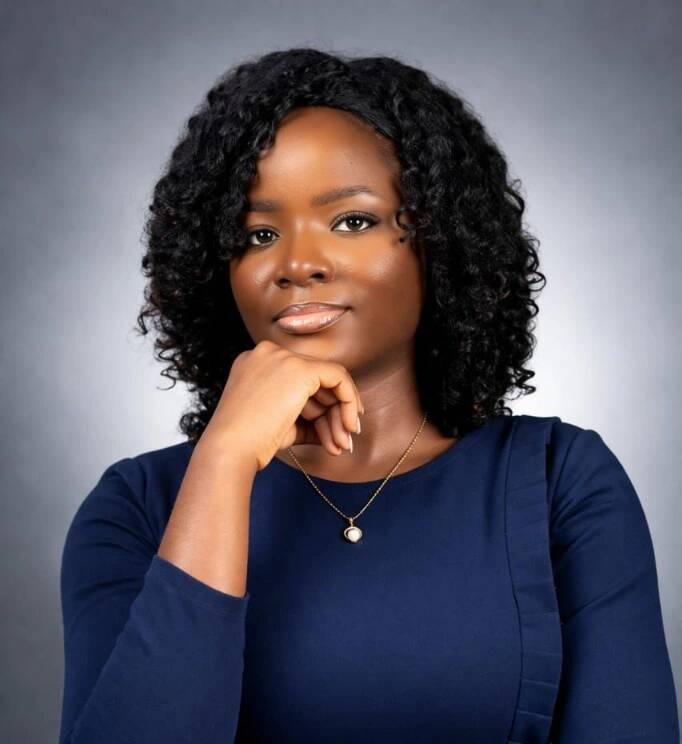
My name is Anna Nana Agyeiwaa Mensah, a professional nurse from Ghana. My interest in Global Health grew out of my experienc .... Read more
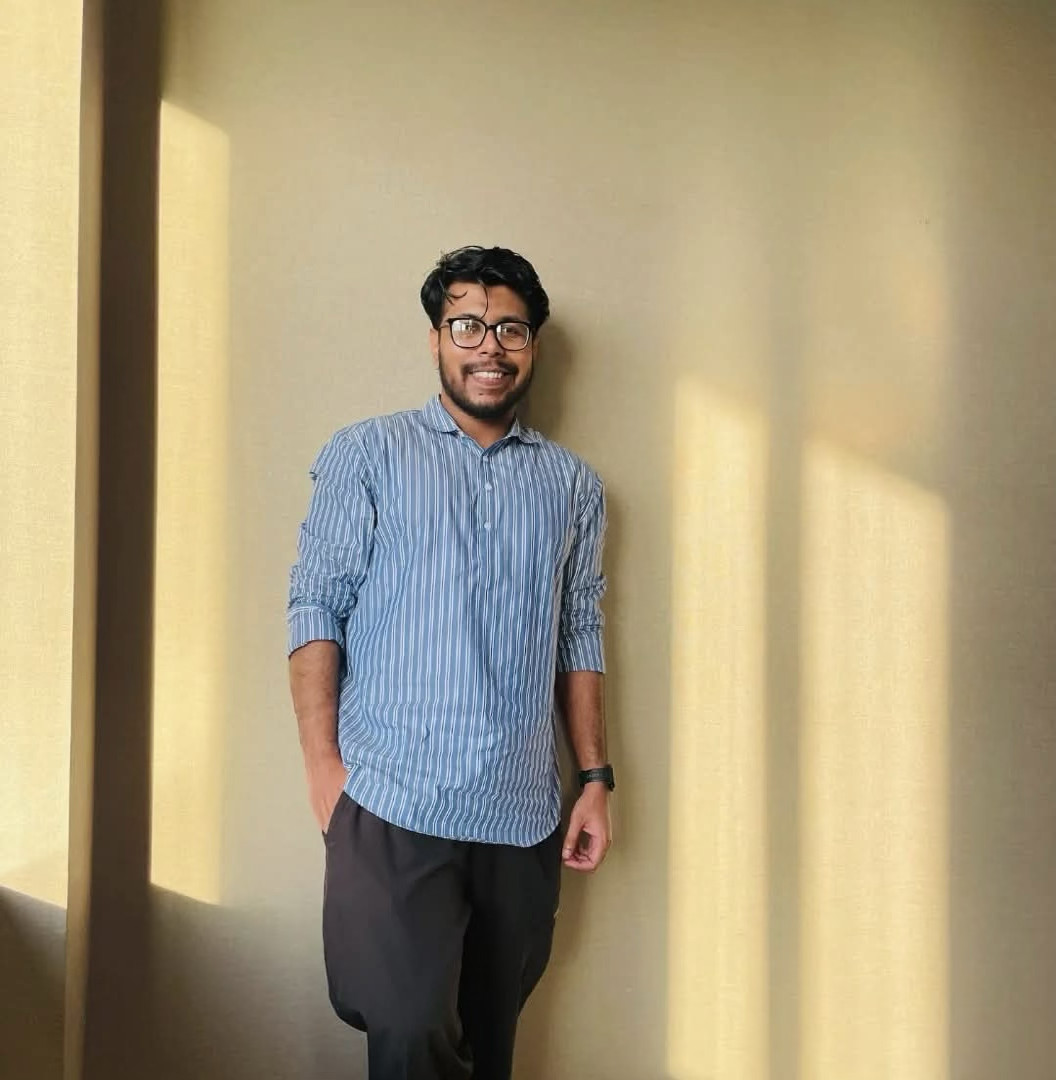
My name is Ratul Chakraborty, and I am from Bangladesh. My background is interdisciplinary, actually. Before coming to Germa .... Read more
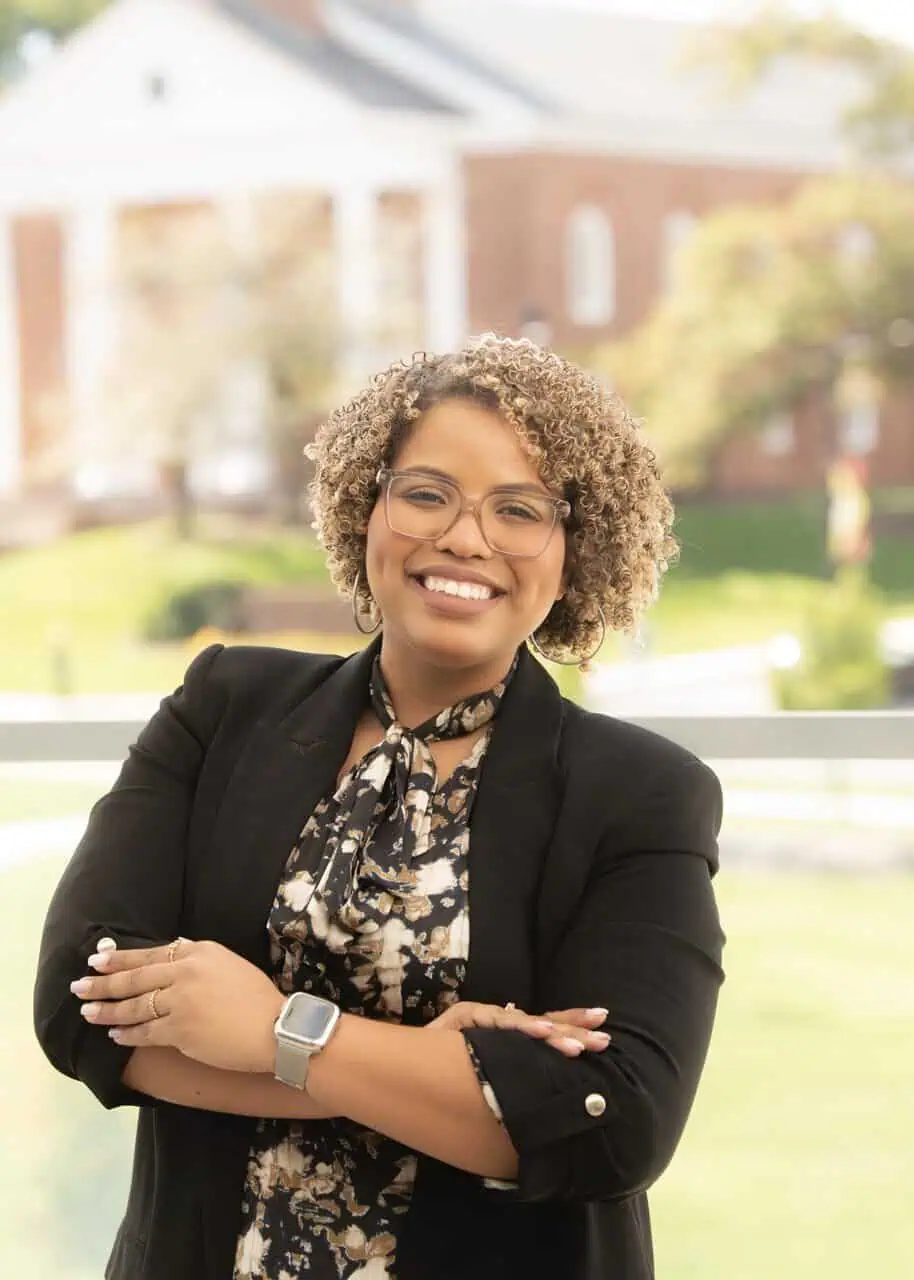
My name is Mabel Zuñiga. I am a graduate student from Panama pursuing a Master’s degree in Public Policy at the Universit .... Read more
Leave A Comment