
Chinese Government Scholarship Recipient, Stefan Pekić from Serbia, Shares His Journey of Pursuing an LL.M. in International Trade Law at Shanghai Jiao Tong University, China
University: Shanghai Jiao Tong University, China
Degree: LL.M. in International Trade Law
Previous Education: Master’s in Law – Serbia (Average 9.8/10); Bachelor’s in Law – Faculty of Law, Serbia (Average 8.7/10)
Scholarship: Chinese Government Scholarship (China Scholarship Council) – Fully Funded (tuition, accommodation, and monthly living allowance of approximately 3,000 RMB)
Other Offered Scholarships: Partial Scholarship – Chinese University of Hong Kong; Serbian Government Scholarship for Talented Students (€5,000 per year for two years)
Social Media
LinkedIn: linkedin.com/in/pekic/
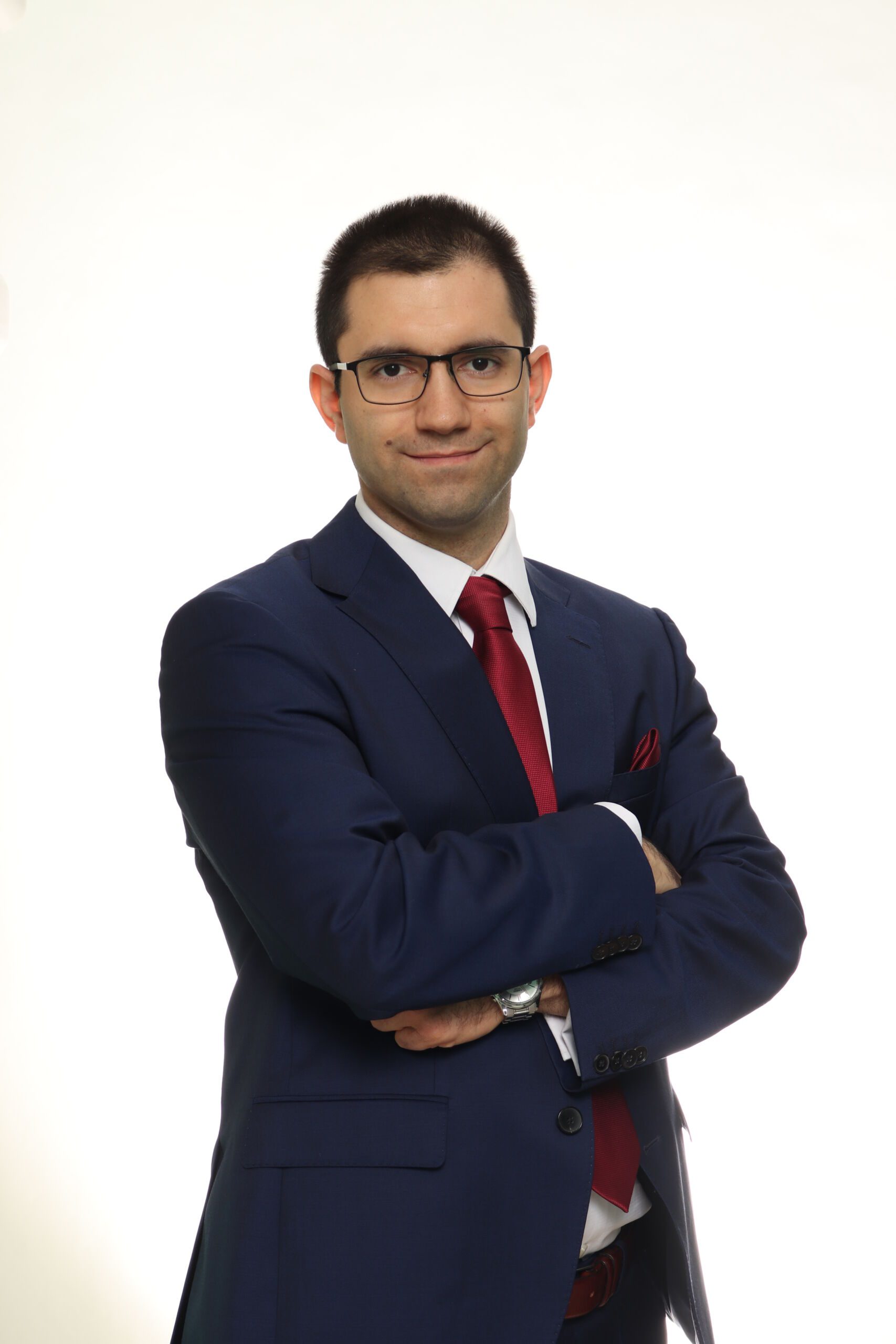
The Journey
My name is Stefan Pekić. I am from Novi Sad, Serbia, and I am an attorney at law qualified in Serbia. I have been running my own law office for almost five years.
I completed my bachelor’s degree and my first master’s degree in Serbia. After that, I pursued a second master’s degree (LL.M.) in Shanghai, at Shanghai Jiao Tong University.
I decided to pursue this education because I am particularly interested in international trade law, as well as in trade and business cooperation between China and Serbia.
Chinese Government Scholarship Details
For my studies in Shanghai, I received a scholarship from the China Scholarship Council, which is a governmental body responsible for awarding scholarships to international students.
Under this scholarship:
- The full tuition fee was covered — I did not pay anything to the university.
- I received a housing allowance, sufficient to cover accommodation in a mid-quality student dormitory.
- I also received a monthly living allowance, which was approximately 3,000 RMB per month.
While I do not recall the exact figures today, these amounts fully covered my basic living expenses during my studies in China.
Were You Offered any Other Scholarships?
I also applied to the Chinese University of Hong Kong, where I was admitted and awarded a partial scholarship. That year, only three scholarships were granted in total, and one full scholarship was split between two candidates: me and another applicant. This scholarship covered tuition fees only, without accommodation or living expenses.
In addition, I applied for studies in London and for the Chevening Scholarship, funded by the British government. I was not awarded the Chevening scholarship, but the application process itself was a valuable experience.
Serbian Government Scholarships: During my studies abroad, I also received a scholarship from the Government of Serbia for talented students studying overseas. I was awarded this scholarship twice, once for each academic year, and the amount was approximately €5,000 per year.
Educational Background
Bachelor’s degree: Faculty of Law, Serbia
– Average grade: 8.7 / 10
First master’s degree (Serbia):
– Average grade: 9.8 / 10
How Did You Prepare to Apply to Institutions?
I learned about the Chinese scholarship opportunity from a close friend who was pursuing a PhD in Beijing under the same scholarship scheme. After that, I conducted my own research online and studied the application requirements in detail.
My preparation process for China was very similar to my applications for the UK and Hong Kong:
- Letters of recommendation
- Motivation letters
- CV
- Academic transcripts
I also completed the IELTS exam, which was required for all of these applications. I achieved an overall score of 7.5.
How Did You Prepare to Apply to the Scholarship?
I prepared for scholarship applications by drafting individual motivation letters for different universities, collecting my academic transcripts, and obtaining recommendation letters from professors and employers. I then organized all of this documentation into a coherent application package and had it officially translated into English by a court-certified translator.
In parallel, I prepared for the IELTS exam. Although I already spoke English at a high level, standardized tests have their own logic and structure, so targeted preparation was necessary. I did all of this while working full-time, which made the entire process quite demanding.
My goal was to strengthen and present my CV in the best possible way to increase my chances of both admission and receiving a scholarship.
One of the main difficulties I encountered was communication with the Chinese institutions. Very often, I sent emails without receiving responses. I even contacted the embassy at one point, but communication frequently felt one-sided.
At a certain stage, I genuinely believed that I would not receive any scholarship. However, at the very last moment, I received confirmation, which made the outcome even more rewarding.
Because of this experience, my key recommendation to applicants is not to lose hope. Perseverance is essential. I would even say that one needs to be stubborn in a positive sense. When applying to Chinese institutions, one must be prepared for uncertainty and delays, but also understand that this is usually not due to bad intentions; rather, it reflects a different communication culture.
How is (was) Your Experience at the Institution?
My experience at Shanghai Jiao Tong University was extremely positive.
The university has a campus located very close to the city center, which makes everyday life in Shanghai comfortable and enjoyable. Academically, I particularly liked the teaching approach, which focused heavily on:
- discussion during lectures, and
- writing research papers at the end of each semester.
The system was not based on rote memorization, which suited me very well. The institution is academically well-organized and maintained, and there is a clear reason why it is ranked so highly in global university rankings.
The university and the China Scholarship Council provided excellent support to international students. I genuinely believe that this scholarship is among the best in the world, as it fully covers tuition and also provides accommodation and a living allowance that is actually sufficient to live on; something that is very rare globally.
Are Your Classes Conducted in English or the Country’s Native Language?
All classes were conducted entirely in English, so a lack of Chinese language skills did not pose any academic difficulty. We also had an introductory Chinese language course once a week, which was, realistically, not enough to master the language, but it was a good cultural introduction.
The biggest challenge was outside the classroom: daily life, scheduling, shopping, and administration, since most people do not speak English. At that time, Google Translate was my best friend. Despite this, the overall quality of life was very good.
What Do You Think Made Your Application Stand Out?
I believe several factors contributed to the success of my application.
At the time, in 2018, many Western students did not seriously consider China as a destination for postgraduate studies, which I think is a mistake. Chinese universities are excellent, and their scholarships are very competitive.
What I believe truly distinguished my application was my belief in China as a country of the future, which I explicitly expressed in my motivation letter. I also emphasized the importance of the Belt and Road Initiative, particularly for Serbia, which plays a strategic role in Southeast Europe. Combined with my prior academic results, this likely strengthened my application.
What Would You Have Done Differently if You Were Going Through the Process Again?
If I were going through the process again, academically, I would not change much. However, I would focus far more on out-of-school activities.
Many universities , especially in the West, place significant value on:
- volunteer work,
- NGO involvement,
- social or political engagement.
These activities demonstrate who you are in practice, what you believe in, and what causes you care about. At the time, I had relatively few such activities because I was focused almost exclusively on academic performance.
If I could go back, five years before applying, I would actively engage in volunteer work and NGOs related to causes I believe in; not just to write about them, but to live them.
What Advice Would You Give Those Looking to Apply for a Similar Scholarship?
My main advice to future scholarship applicants is:
- build a strong and diverse CV,
- include volunteer work, NGOs, and social engagement,
- understand that many scholarships are government-funded, and that governments often care about values, outlook, and long-term alignment.
If your personal values and interests align with the country or institution offering the scholarship, and you can demonstrate that through real-life engagement, your chances will significantly improve.
Above all, be persistent, patient, and resilient. The process can be unpredictable, but the result can be life-changing.
Want to submit your
scholarship journey?
Submit Your Story Here!
More Scholarship Recipients
My name is Mona Perlingeiro, and I am from São Paulo, Brazil. São Paulo is the Brazilian city with the largest number of m .... Read more
I am Ludmille Lyvert, and I am from Haiti. I hold a master’s degree in Women’s Studies, and I am currently a Ph.D. stude .... Read more
My name is Leisha Ravindra Babu, and I am from India. I am currently a Global Korea Scholarship (GKS) scholar completing my .... Read more
Leave A Comment