
How I Secured a Fully Funded Master’s at Brandeis University, United States Through the Fulbright Foreign Student Program
University: Brandeis University
Degree: Master’s in Conflict Resolution and Coexistence
Previous Education: Bachelor’s in English Language and Literature at the University of Kirkuk; Master’s in Applied Linguistics at the University of Nottingham
Scholarship: Fulbright Foreign Student Program – Full Funding (Tuition Fees, Health Insurance, Accommodation, Living Expenses)
Other Offered Scholarships: Human Capacity Development Program (HCDP) Scholarship – Full Funding (Tuition Fees, Accommodation, Living Allowance); Nuffic Scholarship – Full Funding (Intensive Training in Conflict, Rule of Law and Local Security at The Hague Academy for Local Governance)
Social Media
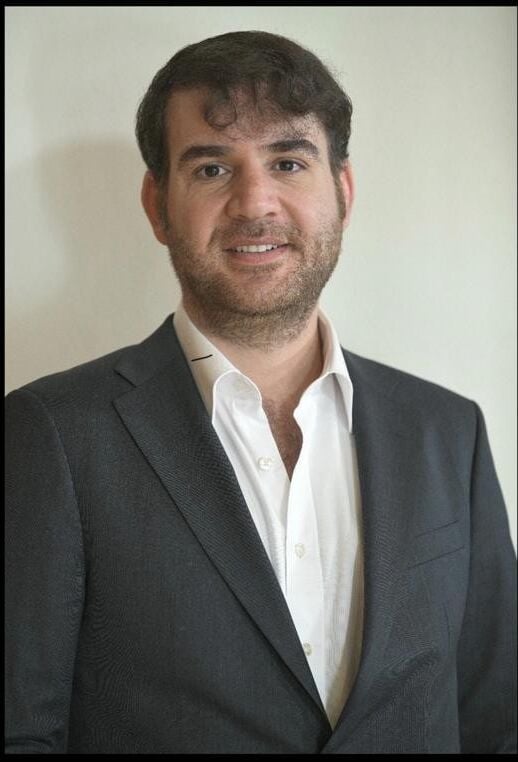
The Journey
My name is Khogir Wirya, and my academic and professional interests center on conflict dynamics, governance, and peacebuilding in Iraq. I was born and raised in Kirkuk, a city rich in oil and home to an ethnically and religiously diverse population. Kirkuk is in northern Iraq and has long been one of the country’s most politically sensitive areas, as its administrative status remains disputed between the federal government of Iraq and the Kurdistan Regional Government (KRG).
I hold an MA in applied linguistics from Nottingham University. I pursued this degree back in 2013 as a continuation of my BA in English Language in Kirkuk. My interest in the English language and learning began at an early age. English fascinated me from my first years in primary school, largely because of a teacher named Galawezh. In one of our first classes, she took us to the schoolyard and taught us through games, using kitchen utensils to introduce English words for everyday objects. That experience stayed with me and shaped my early love for the English language.
To do the MA at Nottingham University, I was awarded the Human Capacity Development Program (HCDP) of the Ministry of Higher Education and Scientific Research of the KRG. The scholarship was designed to enable top undergraduates to pursue graduate studies abroad.
After completing my MA, I returned to Iraq at a time of severe political instability and conflict, particularly following the emergence of the self-proclaimed Islamic State (IS or Daesh). Around this period, the Middle East Research Institute (MERI) was established. MERI's mission was to produce evidence-based research and policy analysis in order to promote peace, stability, good governance, and human rights. Drawn to these points, I applied to MERI and luckily was employed to support one of its research projects on Kirkuk and its administrative future.
This marked an important turning point in my career. Since then, I have shifted my focus to researching conflict, governance, and politics. This experience later shaped my decision to pursue another graduate degree in conflict resolution and coexistence. This proved to be a highly rewarding experience as it helped me to learn more about conflict and peace a great deal. Not only that, it exposed me to part of the US culture, which I cherish greatly, especially the amazing friends that I made.
Fulbright Foreign Student Program Details
The first was the Human Capacity Development Program (HCDP) Scholarship, offered by the Ministry of Higher Education and Scientific Research of the Kurdistan Regional Government. Through this scholarship, I pursued an MA in Applied Linguistics at the University of Nottingham in the United Kingdom. The scholarship was fully funded and enabled me to study abroad at a leading international university. The scholarship covered tuition fees, accommodation costs, and a decent amount of pocket money.
The second was the Fulbright Foreign Student Program, through which I pursued an MA in Conflict Resolution and Coexistence at the Heller School for Social Policy and Management, Brandeis University, in the United States. This scholarship gave me the opportunity to deepen my understanding of concepts such as conflict resolution, coexistence, governance, and peacebuilding in a highly diverse academic environment, providing me with skills to analyze conflict and foster peace. The scholarship is quite generous and covers tuition fees, health insurance, accommodation, and some other living expenses.
Both scholarships were turning points in my life. The HCDP scholarship strengthened my academic foundation and international exposure, while the Fulbright scholarship allowed me to connect my personal background in Kirkuk and professional work in Iraq with formal training in conflict resolution and peacebuilding. Above all, these experiences provided me with opportunities to meet fascinating people, and this is something that I value very much.
Were You Offered Any Other Scholarships?
In addition to the HCDP and Fulbright scholarships, I was also awarded a Nuffic Scholarship in 2011 to enroll in an intensive short training course on Conflict, Rule of Law & Local Security at the Hague Academy for Local Governance. This was also a fully funded program for the duration of the training course.
Educational Background
I completed my BA in English Language and Literature at the University of Kirkuk back in 2009. Studying English gave me a strong foundation in language, communication, critical reading, and academic writing. These skills later became very important in my research career.
I then completed an MA in Applied Linguistics at the University of Nottingham, where I graduated with Merit. This degree further strengthened my analytical and research skills and gave me exposure to international academic standards. It also helped me become more confident in academic writing, research design, and cross-cultural learning.
Later, I completed an MA in Conflict Resolution and Coexistence at the Heller School for Social Policy and Management, Brandeis University, with a GPA of 3.979/4.00. This program allowed me to move more directly into the field of conflict, governance, peacebuilding, and coexistence. Given my experience in researching conflict and governance in Iraq, the program was a natural continuation of my academic and personal interests.
Together, these degrees prepared me to work at the intersection of language, conflict, governance, and policy research. They also helped me develop the academic discipline and professional confidence needed to apply for competitive international scholarships.
How Did You Prepare to Apply to Brandeis University?
The HCDP was a groundbreaking initiative as it was completely merit-based and digitized. This meant that students would compete fairly without any external influence. As part of the scheme, attaining a university offer carried points for the scholarship application. I started looking at the Universities in the UK and found out that two of the very famous linguists were teaching at the University of Nottingham. I examined the entry requirements, and I applied for an offer. I was soon offered a conditional offer, contingent upon achieving an overall IELTS score of 7, a band that I achieved soon after.
The scholarship application process was transparent and merit-based, relying on a points system that assessed applicants' undergraduate academic performance, English language proficiency, and relevant work experience. I was well positioned under these criteria. I had graduated with strong academic results and, by the time I applied, had already completed a year of professional experience with the American NGO ACDI/VOCA. These qualifications strengthened my application and ultimately helped me secure the scholarship.
The Fulbright Scholarship is highly competitive, but once selected, I found the process to be very supportive. In my experience, Fulbright assisted with identifying suitable programs and universities. Applicants are expected to present their academic interests and preferences, but the placement process also considers how well their background, skills, and goals match particular institutions. In my case, I was looking for a program that combined academic study with practical engagement. I conducted my own research and shared my suggestions. Fulbright then carried out its own assessment and provided three program options for me to consider. The application process followed from there, and once admission offers were received, I was able to choose the option that best matched my academic and professional goals.
How is Your Experience at Brandeis University?
Brandeis is a great institution. The staff is friendly and extremely supportive, providing students with the environment they need to succeed not only during the academic program, but also afterwards through career guidance and job-seeking support. My experience there was intellectually enriching and personally transformative. The program exposed me to new ways of thinking about conflict, coexistence, governance, and peacebuilding, while also allowing me to learn from classmates with diverse backgrounds and professional experiences. This combination of academic training, practical engagement, and a supportive learning environment made my time at Brandeis deeply valuable for both my professional growth and personal development through the great friends I made.
How Do You Rate Brandeis University Academically?
I rate Brandeis highly from an academic perspective. The program was intellectually rigorous and interdisciplinary. It strived to connect to real-world issues. Since my field focuses on conflict resolution, coexistence, governance, and peacebuilding, I found the academic environment especially valuable. Some of the courses were delivered by practitioners and well-known academics in the field. Critical thinking was highly valued and encouraged. The faculty were knowledgeable and approachable, and the classroom discussions were enriched by students who came from different countries and professional backgrounds. This diversity made the learning experience more practical, comparative, and globally relevant.
How Does Brandeis University Support International Students?
I am going to talk about my last experience at Brandeis University. Brandeis provides strong support for international students, both academically and personally. From my experience, the staff was friendly, responsive, and willing to help students adjust to a new academic and social environment. They, along with the Fulbright Scholarship staff, supported students not only with academic matters, but also with practical issues related to settling in, understanding university expectations, and preparing for professional opportunities after graduation. As an international student, I felt welcomed and supported throughout my time there. This support made it easier to focus on my studies, build confidence, and make the most of the opportunities available at the university.
What Did You Pursue After the Fulbright Foreign Student Program?
I came back home and resumed my research work with the Middle East Research Institute as a research fellow. Fulbright provides a continuous connection afterwards. Grants are offered to apply to and implement impactful projects; events are organized, and networks of connections with former and future alumni are made.
What Do You Think Made Your Application Stand Out?
I think what made my application stand out was the connection between my academic interests and my on-the-ground experience. I did not see the scholarship simply as an opportunity to study abroad, but as a way to develop the knowledge and skills needed to contribute more effectively to my country.
At the time, I had already gained practical experience working with a research institution, which gave me direct exposure to conflict and peace challenges in Iraq. I wanted to bridge that field experience with academic training so that I could better understand the causes of conflict and the tools available for peacebuilding, coexistence, and institutional reform.
The conflicts in my country require people who can bring forward ideas that are not only grounded in real social and political realities, but also capacities that infuse academia and evidence-based analysis. i I believe my application reflected this commitment: to learn, return, and use that knowledge in ways that could support peace, stability, and better governance in Iraq.
What Would You Have Done Differently if You Were Going Through the Process Again?
Not much, I think the key is the added value that you bring to the table. What gap are you trying to fill, and what challenge are you trying to address
What Advice Would You Give Those Looking to Apply for a Similar Scholarship?
My advice is to start early and take the application process seriously. A strong scholarship application is not only about having good grades; it is also about showing a clear sense of purpose. Applicants should understand why they want to study, how the program fits their academic and professional goals, and how they plan to use the opportunity afterwards.
I would also advise applicants to research programs carefully and choose fields of study that genuinely connect with their interests and experiences. Scholarship committees want to see commitment, maturity, and a convincing link between your past experience, your proposed study, and your future contribution.
It is also important to prepare well for language requirements, recommendation letters, and personal statements. These parts of the application take time and should not be rushed. Most importantly, applicants should be honest and authentic. A strong application tells a clear story about who you are, what you have done, and what you hope to contribute.
Want to submit your
scholarship journey?
Submit Your Story Here!
More Scholarship Recipients
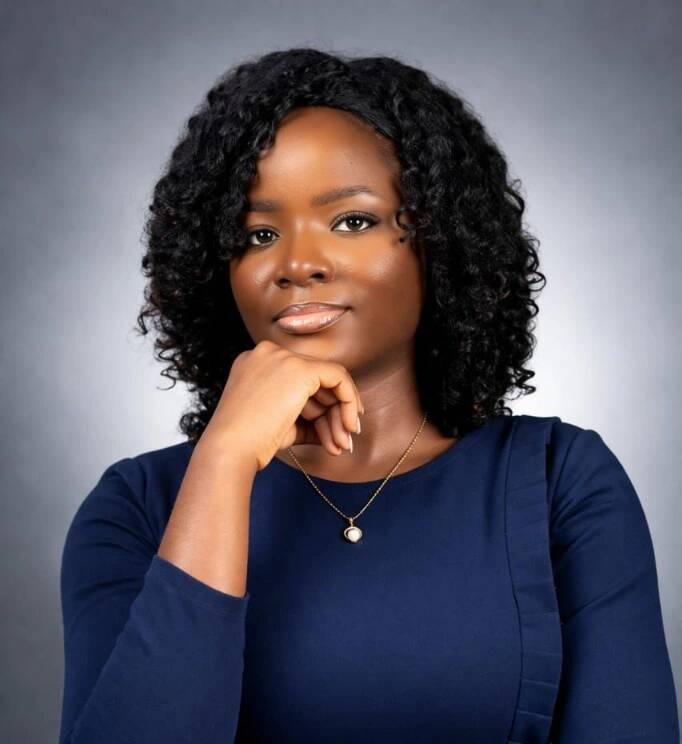
My name is Anna Nana Agyeiwaa Mensah, a professional nurse from Ghana. My interest in Global Health grew out of my experienc .... Read more
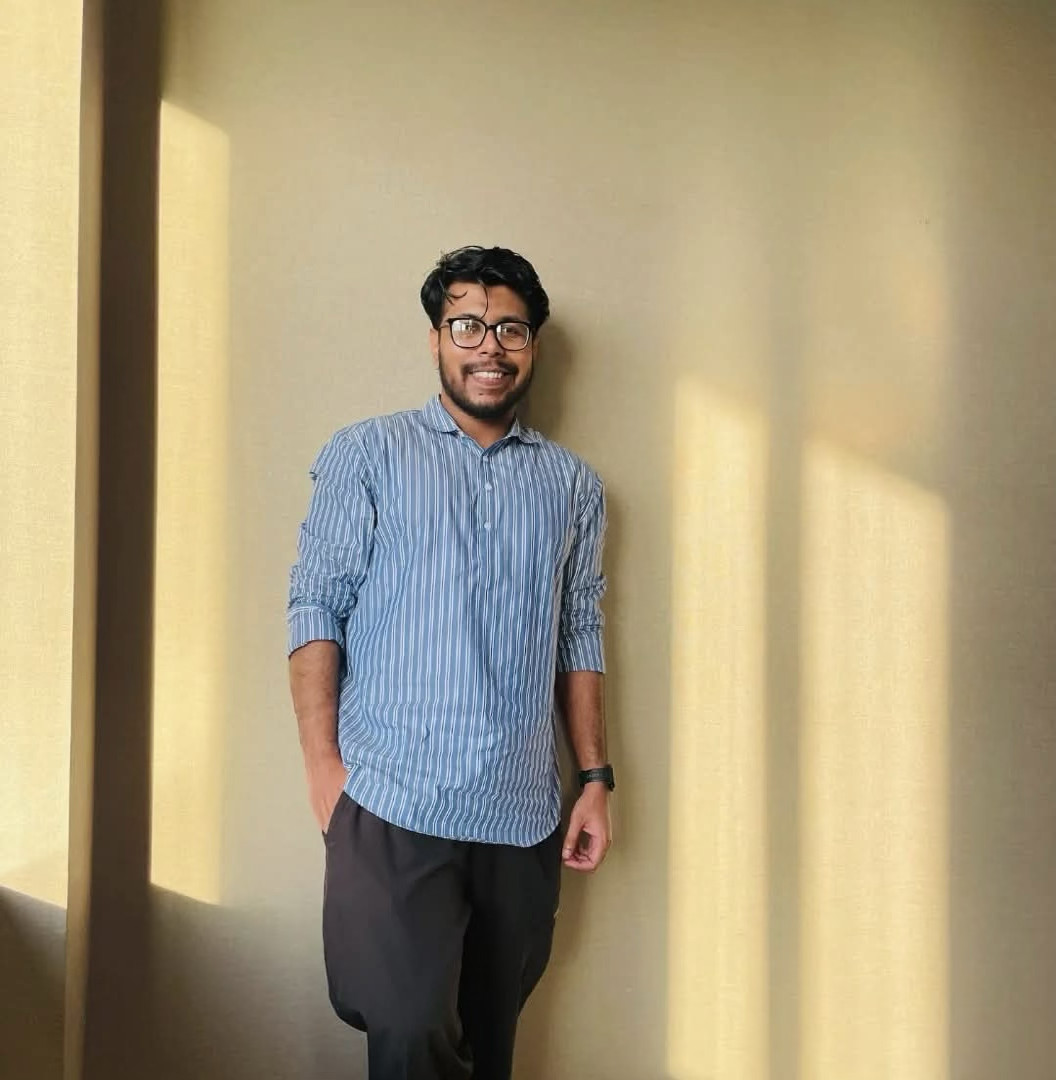
My name is Ratul Chakraborty, and I am from Bangladesh. My background is interdisciplinary, actually. Before coming to Germa .... Read more
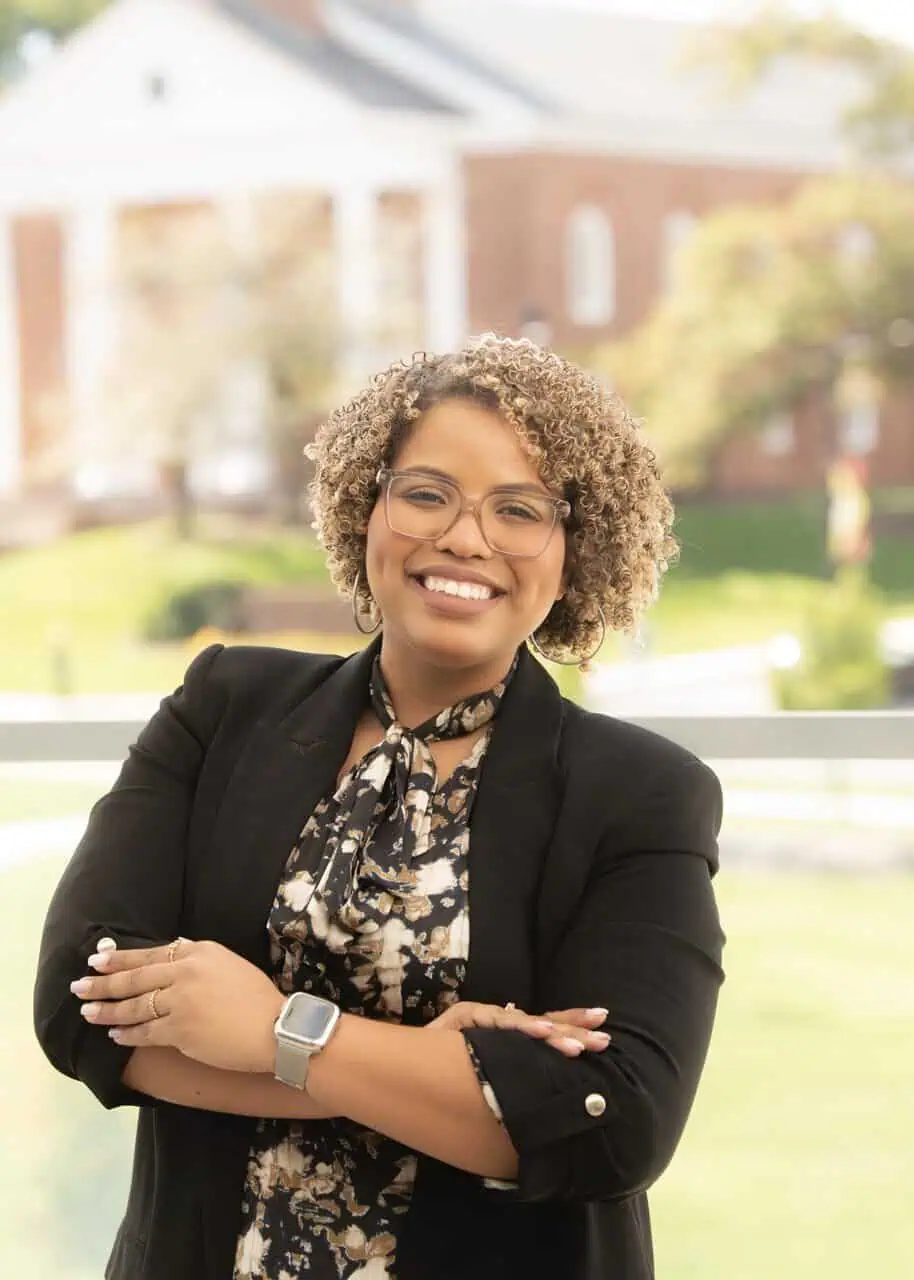
My name is Mabel Zuñiga. I am a graduate student from Panama pursuing a Master’s degree in Public Policy at the Universit .... Read more
Leave A Comment