
From Rural Texas to Global Classrooms: How Fulbright Helped Filiberto “Fili” Ávila Build Bridges Through Education
University: Texas A&M University
Degree: Ph.D. in Communication
Previous Education: Bachelor of Arts in Digital Communication and Media (Digital Journalism), minor in Spanish, West Texas A&M University; Certificate in Leadership, West Texas A&M University; Certificate in Literatura social y migración en el espacio cultural español, Universidad Autónoma de Madrid
Scholarship: Dr. Dionel E. Avilés ’53 and Dr. James E. Johnson ’67 Fellowship
Other Offered Scholarships (if any): Fulbright U.S. Student Program grant – Funding to serve as a Fulbright Fellow at IE University’s School of Arts & Humanities in Madrid and Segovia, Spain
Social Media
LinkedIn: linkedin.com/in/filibertoavila/
Instagram: https://www.instagram.com/filibertoavilaiv
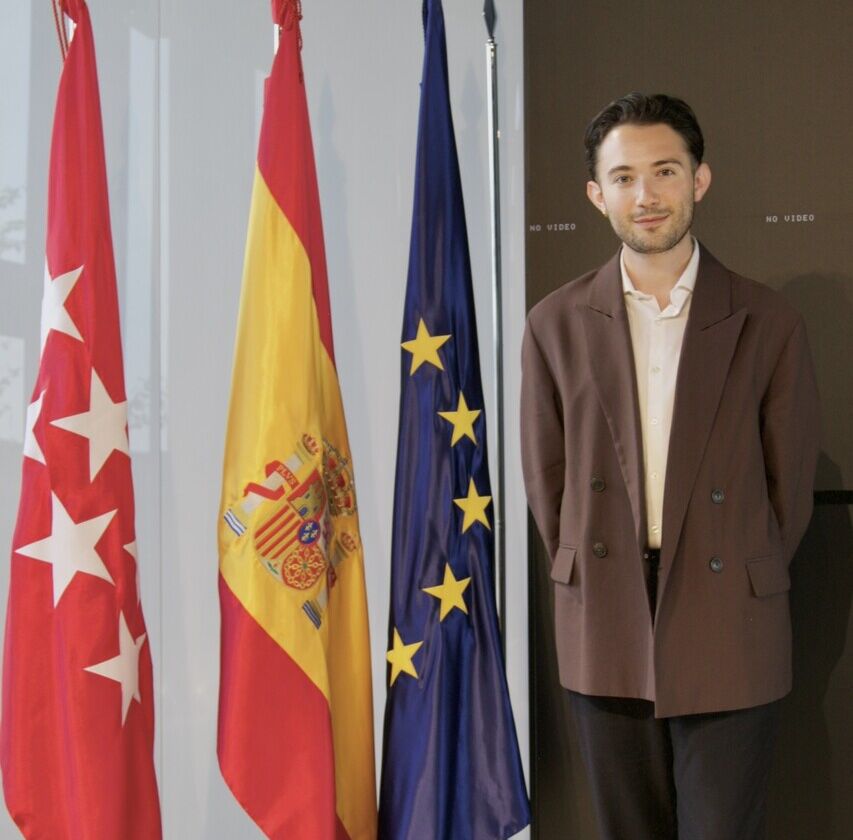
The Journey
Growing up in Spearman, Texas, I learned early that education has the power to change lives. In a small rural community, schools are more than places of learning, they are where relationships are built, leaders are formed, and teachers become lifelong mentors. Some of the most influential people in my life were my English teachers, who encouraged me to think critically, dream beyond what I thought was possible, and believe that my voice mattered. Looking back, I can see that those experiences planted the seeds for the educator, researcher, and communicator I would eventually become.
As a first-generation college student and proud alumnus of the College Assistance Migrant Program (CAMP) at West Texas A&M University, I viewed higher education as more than a pathway to a career. It became an opportunity to better understand my community, expand my perspective, and discover how I could use education in service of others. I graduated summa cum laude with a Bachelor of Arts in Digital Communication and Media, concentrating in Digital Journalism, with a minor in Spanish. During my undergraduate years, I completed the Rogers Leadership Education and Development (Rogers LEAD WT) Certificate in Leadership, served as the university's 106th Student Body President, and was honored with the 2024 Man of the Year Award and the WT Chancellor's Century Council Award. Those experiences taught me that leadership is ultimately about listening, building relationships, and creating opportunities for others to succeed.
One of the defining moments of my undergraduate education came in 2022, when I studied abroad in Segovia, Spain. Visiting Spain had been a lifelong dream, but living there transformed the way I understood education. For the first time, I experienced what it meant to learn not only in another country, but alongside people whose perspectives, languages, and lived experiences differed from my own. I returned home with a renewed curiosity about intercultural communication and a desire to better understand how education can connect people across cultures. That experience ultimately inspired me to apply for the Fulbright U.S. Student Program.
Receiving a Fulbright grant allowed me to return to Spain in a role I had never imagined, not simply as a student, but as an educator. As a Fulbright Fellow at IE University's School of Arts & Humanities in Madrid and Segovia, I served as an Adjunct Professor, led the IE University Writing Center, and taught as a volunteer visiting lecturer at the Escuela Oficial de Idiomas de Valdezarza. Through my experiences teaching, conducting research, and living abroad, I came to appreciate communication not merely as an academic discipline but as a powerful means of building trust, fostering dialogue, and creating understanding across cultures.
Today, I am pursuing a Ph.D. in Communication at Texas A&M University as the recipient of the Dr. Dionel E. Avilés '53 and Dr. James E. Johnson '67 Fellowship. My research explores communication, rhetoric, culture, and diplomacy, with a particular focus on how language shapes narratives of citizenship, migration, and belonging. Whether I am mentoring students, conducting research, or reflecting on my own educational journey, I remain guided by the same conviction that first took root in a small Texas classroom: education has the power to transform lives, and communication has the power to bring people together.
Fulbright Scholarship Details
I was awarded a Fulbright U.S. Student Program grant to serve as a Fulbright Fellow at IE University's School of Arts & Humanities in Madrid and Segovia, Spain. As the U.S. government's flagship international academic exchange program, Fulbright seeks to promote mutual understanding through education, cultural exchange, and collaboration. For me, the award represented far more than an opportunity to live abroad, it was an invitation to contribute to an international academic community while learning from people whose experiences, languages, and perspectives challenged me to think differently about education and communication.
At IE University, I served as an Adjunct Professor and co-taught Words, Culture, and Resistance, an interdisciplinary humanities course that explored culture, identity, political discourse, and social resistance. I also led and managed the IE University Writing Center., where I worked alongside fellow Fulbright Scholars to oversee writing support across the Madrid and Segovia campuses. Together, we collaborated with faculty and university leadership to strengthen the Writing Center's role within the newly established School of Arts & Humanities, helping position writing as a space for intellectual inquiry, multilingual expression, and cross-cultural dialogue.
Beyond my classroom responsibilities, I provided individualized writing consultations to undergraduate and graduate students, designed workshops on academic writing, research methods, citation practices, and thesis development, collaborated with faculty across multiple disciplines, and led the development of the Writing Center's new website to expand access to academic support. Working with students representing more than 180 nationalities reinforced my belief that writing is not simply a technical skill, it is one of the primary ways people negotiate ideas, identities, and belonging across cultures.
Fulbright also encouraged me to engage with the broader community beyond the university. As an approved Fulbright side project, I served as a visiting lecturer at the Escuela Oficial de Idiomas de Valdezarza in Madrid, where I taught English to adult learners while facilitating conversations about American culture, media, regional identities, and civic life. Those conversations became opportunities for mutual learning, reminding me that cultural exchange is most meaningful when it is reciprocal.
Determined to make the most of my year in Spain, I also continued my own education by completing a certificate in Literatura social y migración en el espacio cultural español at the Universidad Autónoma de Madrid. The program deepened my understanding of migration, colonial memory, public humanities, and contemporary Spanish literature while allowing me to engage with scholars from across Spain. As part of the program, I presented my research paper, ¿Quién dice cómo se habla? Colonialismo lingüístico y migración en "Panchilandia", at the conference Cultura excéntrica: desplazamiento y humanidades públicas, an experience that strengthened my development as an emerging researcher.
When I reflect on my Fulbright experience, the accomplishments I remember most are not the titles I held but the relationships I built. Whether mentoring student writers, collaborating with faculty, teaching English, or learning alongside colleagues from around the world, every experience reinforced Fulbright's central mission: fostering mutual understanding through education. It showed me that communication is not simply something we study, it is one of the most powerful ways we build trust, cultivate empathy, and create meaningful connections across cultures.
Educational Background
My educational journey has been shaped by a desire to continually challenge myself while remaining grounded in the values that first inspired me to pursue higher education. As a first-generation college student, every educational opportunity felt significant, and I approached each one with the belief that learning should extend beyond earning a degree, it should expand the way we understand the world and our responsibility within it.
I earned my Bachelor of Arts in Digital Communication and Media, with a concentration in Digital Journalism and a minor in Spanish, from West Texas A&M University, graduating summa cum laude with a 4.0 GPA. During my undergraduate years, I intentionally pursued opportunities that complemented my academic studies. Through the Rogers Leadership Education and Development (Rogers LEAD WT) Program, I completed a Certificate in Leadership that strengthened my understanding of servant leadership, ethical decision-making, and civic responsibility. Serving as the university's 106th Student Body President further reinforced my belief that leadership begins with listening, collaboration, and a commitment to serving others.
One of the most influential experiences of my undergraduate education was studying abroad in Segovia, Spain, during the summer of 2022. Visiting Spain had long been a personal dream, but living there fundamentally changed how I viewed education. For the first time, I experienced what it meant to learn within another cultural context, where language, history, and daily life became part of the classroom. That experience sparked a lasting interest in intercultural communication and ultimately inspired me to pursue the Fulbright U.S. Student Program.
My commitment to learning continued while serving as a Fulbright Fellow. Rather than viewing my time in Spain solely as an opportunity to teach, I also wanted to deepen my understanding of the country and its cultural, literary, and historical traditions. I enrolled in the certificate program Literatura social y migración en el espacio cultural español at the Universidad Autónoma de Madrid, where I studied migration, colonial memory, public humanities, and contemporary Spanish literature. As part of the program, I researched linguistic colonialism and migration in contemporary Spain and presented my paper, ¿Quién dice cómo se habla? Colonialismo lingüístico y migración en "Panchilandia", at the conference Cultura excéntrica: desplazamiento y humanidades públicas. Presenting my work in Spain allowed me to engage in meaningful scholarly dialogue while continuing to develop as a researcher in an international academic setting.
Today, I am pursuing a Ph.D. in Communication at Texas A&M University as the recipient of the Dr. Dionel E. Avilés '53 and Dr. James E. Johnson '67 Fellowship. My research examines the intersections of communication, rhetoric, culture, and diplomacy, with particular attention to how language shapes narratives of citizenship, migration, and belonging. Through my experiences studying, teaching, conducting research, and, most importantly, living abroad, I have come to see communication not only as an academic field of study but as a powerful means of fostering understanding across people, cultures, and communities.
Looking back, I can see that each stage of my education prepared me for the next. My experiences at West Texas A&M University gave me the confidence to pursue opportunities I once thought were beyond my reach. Studying abroad in Segovia inspired me to return to Spain through Fulbright. Fulbright challenged me to ask larger questions about communication, culture, and diplomacy. Those questions now guide my doctoral studies and continue to shape the educator, researcher, and scholar I aspire to become.
How Did You Prepare to Apply for the Fulbright Scholarship?
One of the things that surprises people most is that I almost didn't apply for Fulbright. Although I had considered it for some time, I did not fully commit to the application until roughly two months before the deadline. Once I made that decision, however, I approached the process with complete intentionality. I knew I had a limited amount of time, so every conversation, every draft, and every revision had to be purposeful.
The first thing I did was seek out people who understood Fulbright better than I did. I met with faculty members who had experience with the program, connected with former Fulbright recipients, attended webinars, and spent time studying successful applications. Those conversations helped me understand that Fulbright is not simply looking for students with impressive résumés. It is looking for people who demonstrate intellectual curiosity, leadership, adaptability, and a genuine commitment to fostering mutual understanding across cultures.
One of the greatest advantages I had throughout the application process was the incredible support of my university. West Texas A&M University assembled an interdisciplinary committee of faculty and staff from across campus, each bringing different expertise and perspectives. Some challenged me to think more deeply about my research interests, while others helped me strengthen my writing, refine my teaching philosophy, and better articulate why Fulbright fit into my long-term goals. Looking back, they were not simply helping me complete an application, they were helping me become a stronger communicator, educator, and future citizen diplomat.
I also approached my letters of recommendation with the same level of intentionality. Rather than simply asking professors to write on my behalf, I met with each recommender individually to discuss Fulbright's mission, explain the qualities the selection committee values, and share how I hoped my experiences aligned with those expectations. Those conversations allowed each recommender to highlight different aspects of my background, creating a more complete picture of who I was as a student, leader, teacher, and aspiring scholar.
Perhaps the most important part of the application process was learning to clarify my own purpose. Early drafts of my essays focused too heavily on what I had accomplished. Through conversations with mentors and countless revisions, I realized that Fulbright was not asking applicants to prove they were exceptional, it was asking them to explain why this experience mattered and how they would use it to contribute to others. Once I shifted my focus from listing achievements to telling the story of the educator and scholar I hoped to become, my application became much stronger.
Looking back, I am grateful that I did not go through the process alone. Fulbright challenged me long before I arrived in Spain. It required me to reflect deeply on my values, my motivations, and the responsibilities that come with representing my country abroad. In many ways, that process of reflection became just as valuable as receiving the scholarship itself.
How is Your Experience at IE University?
Serving as a Fulbright Fellow at IE University was one of the most transformative experiences of my academic and professional life. Unlike a traditional study abroad experience, my time at IE allowed me to contribute to the university as an educator, mentor, researcher, and cultural ambassador while continuing to grow as a scholar myself. Every day presented a new opportunity to teach, learn, and collaborate with people whose experiences challenged me to think more deeply about communication, culture, and education.
Professionally, I served as an Adjunct Professor in the IE School of Arts & Humanities, where I co-taught Words, Culture, and Resistance, an interdisciplinary humanities course designed by Dr. Andrés Porras Chaves. The course invited students to examine questions of identity, political discourse, culture, and social resistance through literature, media, philosophy, and critical theory. Teaching in that environment pushed me to think beyond disciplinary boundaries and reminded me that some of the most meaningful learning happens when people with different perspectives are willing to engage in thoughtful dialogue.
Alongside my teaching responsibilities, I led and managed the IE University Writing Center. across the Madrid and Segovia campuses. Working with fellow Fulbright Scholars, faculty, and university leadership, I helped strengthen the Writing Center's role within the newly established School of Arts & Humanities. I conducted individualized writing consultations, developed workshops on academic writing and research methods, collaborated with faculty across disciplines, and helped redesign the Writing Center's website to make its resources more accessible to students. More importantly, I came to see the Writing Center as much more than an academic support service. It became a space where language, culture, and identity intersected, where students from around the world learned not only to communicate more effectively, but to develop confidence in their own voices.
What truly distinguishes IE University is its extraordinary international community. With students representing more than 180 countries and faculty and staff from over 60, the university creates an environment unlike any I have experienced. Diversity is not simply reflected in admissions statistics; it shapes every classroom discussion, every collaborative project, and every conversation over coffee. It is impossible to spend time at IE without recognizing that there are countless ways to approach the same question, solve the same problem, or understand the same event. That constant exchange of perspectives challenged me intellectually and strengthened my appreciation for the role communication plays in building understanding across cultures.
One of the aspects I admired most about IE was its faculty. Many professors are internationally recognized scholars, diplomats, entrepreneurs, policymakers, and industry leaders who actively shape conversations in their respective fields. Learning from, and working alongside, individuals whose scholarship and professional experiences extend far beyond academia encouraged me to think more broadly about the relationship between research and public engagement. They modeled what it means to use academic expertise to address real-world challenges, an approach that continues to influence my own aspirations as a researcher and educator.
Although I am a native Spanish speaker, living and working in Spain taught me that sharing a language does not automatically mean sharing the same cultural understanding. Every interaction became an opportunity to learn, not only about Spain, but about the many cultures represented within the university. Through friendships with students, colleagues, and fellow Fulbright Scholars from around the world, I came to appreciate that meaningful intercultural communication begins with humility, curiosity, and a genuine willingness to listen.
When I reflect on my year at IE University, the first things that come to mind are not the courses I taught or the projects I completed, they are the people. The friendships I formed, the conversations I shared, and the countless moments of learning that took place both inside and outside the classroom profoundly shaped me. Those relationships reminded me that education is ultimately about people. Knowledge may bring us into the same classroom, but empathy, curiosity, and communication are what allow us to truly learn from one another.
Academically, I cannot recommend IE University highly enough. Its commitment to interdisciplinary learning, global engagement, and experiential education prepares students to think critically about the complex challenges facing our world. More importantly, it cultivates graduates who understand that leadership is not simply about expertise, it is about collaborating across cultures, communicating with empathy, and approaching the world with intellectual curiosity.
What Did You Pursue After the Fulbright Scholarship?
When people ask me what happened after Fulbright, they are often surprised to learn that my next step was not immediately beginning a doctoral program. Instead, I returned home.
Several months before my Fulbright grant concluded, I was recruited by my alma mater, Spearman High School, to teach English. Growing up in a small rural community, I had long dreamed of one day returning to the very classrooms that first inspired me to love literature, writing, and learning. Some of the most influential people in my life were my own English teachers. They challenged me to think critically, encouraged me to believe in myself, and showed me the profound impact a caring educator can have on a student's life. Becoming the kind of teacher they had been for me felt less like accepting a job and more like fulfilling a promise I had quietly carried for years.
Returning to Spearman was a full-circle moment. My education had taken me from a rural community in the Texas Panhandle to classrooms across Spain, yet those experiences only deepened my appreciation for where I came from. West Texas A&M University had taught me to recognize the unique strengths of rural communities while giving me permission to dream beyond them. Fulbright expanded my worldview, but coming home reminded me why those experiences mattered in the first place. It allowed me to invest in the same community that had invested so much in me.
Teaching reaffirmed my purpose. Every day, my students reminded me why education matters. Their curiosity, resilience, and willingness to grow reinforced my belief that teachers have the privilege of shaping lives in ways they may never fully realize. Those months in the classroom remain some of the most meaningful of my professional career, and I do not regret returning home for a single moment.
At the same time, Fulbright had changed the kinds of questions I found myself asking. Living, teaching, and conducting research in Spain had introduced me to new ways of thinking about communication, migration, diplomacy, and identity. Returning to the classroom confirmed how deeply those questions mattered, not only in international contexts but also in the everyday lives of students and communities. I realized that if I wanted to continue exploring those ideas while preparing future generations of students, I needed to continue my own education.
That realization led me to pursue a Ph.D. in Communication at Texas A&M University, where I now study communication, rhetoric, culture, and diplomacy. Although my research examines global questions, it remains deeply rooted in the values I learned growing up in rural Texas. My hometown taught me the importance of being a good neighbor, showing up for others, listening with empathy, investing in your community, and recognizing the inherent dignity of every person. Those values are not limited to small towns; they are equally essential in classrooms, research, diplomacy, and international collaboration.
Looking back, I realize that Fulbright did not take me away from home, it helped me understand it more deeply. It showed me that global citizenship and local service are not opposing ideas but complementary ones. The perspective I gained abroad has strengthened my commitment to serving the communities that shaped me, while my small-town upbringing continues to influence how I approach scholarship, teaching, and public engagement.
As I continue my academic career, I hope to carry those values into every classroom I teach, every research project I pursue, and every community I have the privilege to serve. If Fulbright taught me anything, it is that meaningful change begins with relationships. Whether those relationships are formed in a rural Texas classroom or an international university halfway around the world, education has the power to build understanding, create opportunity, and bring people together.
What Do You Think Made Your Application Stand Out?
Looking back, I believe the strongest aspect of my application was not any single accomplishment but the consistency of the story it told. Every experience, from growing up in rural Texas and participating in the College Assistance Migrant Program (CAMP), to serving as Student Body President, studying abroad in Spain, teaching in my community, and pursuing research in communication, reflected the same commitment: using education to create opportunities for others and communication to build understanding across cultures.
Rather than viewing Fulbright as simply another academic achievement, I saw it as an opportunity to grow into the kind of educator, researcher, and citizen diplomat I hoped to become. Throughout my application, I tried to demonstrate that my academic interests, leadership experiences, teaching philosophy, and commitment to public service were all connected by a common purpose. Fulbright was not a detour in my journey, it was the natural next step.
I also believe my application reflected genuine intellectual curiosity. My interest in Spain was never simply about traveling abroad. It began with a study abroad experience that fundamentally changed my perspective on education and eventually grew into broader questions about communication, migration, diplomacy, and cultural identity. I wanted to immerse myself in another educational system, learn from people whose experiences differed from my own, and bring those lessons back to the communities I serve.
Perhaps most importantly, I approached the application with authenticity. Rather than trying to write what I thought the selection committee wanted to hear, I focused on telling my own story honestly. I wrote about where I came from, the educators who shaped me, the values that guide my work, and the questions that continue to motivate my research. I believe scholarship committees can recognize when an application reflects a person's genuine purpose, and I think that authenticity became one of the greatest strengths of mine.
Ultimately, I hope the committee saw someone who was not only prepared to benefit from an international experience but also committed to contributing to it. Fulbright's mission is built on mutual understanding, and I wanted my application to demonstrate that I was just as eager to learn from others as I was to share my own experiences. Looking back now, I believe that spirit of curiosity, humility, and service is what truly made my application stand out.
What Would You Have Done Differently if You Were Going Through the Process Again?
If I could go through the application process again, I would certainly begin earlier. Although I was fortunate to have an incredible support system and was able to submit a strong application despite starting only a couple of months before the deadline, giving myself additional time would have allowed for even more reflection and revision. Strong applications are not written in a single draft, they evolve through conversations, feedback, and a willingness to rethink your ideas.
More importantly, I would have trusted my own story sooner.
Like many applicants, I initially found myself wondering whether I had accomplished enough or whether my experiences were unique enough to make me a competitive candidate. As I continued revising my essays and talking with mentors, I realized I was asking the wrong question. Fulbright is not looking for applicants who have done everything, it is looking for people who can clearly articulate who they are, what they value, and how an international experience will help them contribute to others.
Looking back, I spent too much time trying to write the application I thought Fulbright wanted to read instead of confidently writing the story only I could tell. Once I embraced the experiences that had genuinely shaped me, from growing up in rural Texas and being a first-generation college student to studying abroad in Spain and developing a passion for communication and education, my essays became much more authentic.
I also learned that vulnerability is not a weakness in scholarship applications. Some of the strongest moments in my essays came not from listing accomplishments, but from honestly reflecting on the people, experiences, and communities that had shaped my aspirations. Those reflections allowed me to connect my past experiences with the educator, researcher, and citizen diplomat I hoped to become.
If I could offer one piece of advice to my past self, it would simply be this: trust your journey. Every experience has prepared you for this moment, and your story is valuable because it is uniquely yours.
What Advice Would You Give Those Looking to Apply for a Similar Scholarship?
My biggest piece of advice is simple: know your "why."
Scholarship committees certainly notice grades, leadership positions, research experiences, and accomplishments. Those things matter. But what ultimately distinguishes a strong application is a clear sense of purpose. Before you begin writing your essays, spend time reflecting on what motivates you, what experiences have shaped you, and why this opportunity genuinely matters. The strongest applications don't simply explain what an applicant hopes to do, they communicate why they feel called to do it.
Once you understand your "why," commit yourself fully to the process. One of my personal philosophies is that you get out of anything what you are willing to put into it. That mindset shaped not only my application but also my Fulbright experience. The scholarship opened the door, but what I gained from it was ultimately determined by the effort, curiosity, humility, and intentionality I brought with me. I chose to teach, continue my own studies, conduct research, engage with the local community, and build meaningful relationships because I wanted to make the most of every opportunity the experience offered.
I also encourage applicants to seek out mentors and invite honest feedback. My application became stronger because professors, former Fulbright recipients, friends, and mentors challenged me to think more deeply about my goals and pushed me to become a better writer and communicator. Don't be afraid to revise your essays multiple times. Every revision is another opportunity to better understand your own story.
One piece of advice shared with me by a fellow Fulbright Scholar has stayed with me ever since:
"It isn't up to you to decide what rooms you're qualified to enter or what tables you're qualified to sit at. If you have a dream, no matter how ambitious, you owe it to yourself to pursue it."
That quote challenged me to stop questioning whether I belonged and instead focus on presenting the most authentic version of myself. Too often, we become our own biggest obstacle by deciding we are not qualified before anyone else has the opportunity to make that decision.
Finally, never underestimate the value of your own story. You do not need a perfect résumé or an extraordinary list of accomplishments to be a competitive applicant. What matters most is your willingness to reflect honestly on who you are, what you care about, and how you hope to contribute to the world around you. The experiences that have shaped you, your community, your challenges, your passions, and your aspirations, are often the very things that make your application memorable.
Whether or not you ultimately receive the scholarship, the application process itself is transformative. It challenges you to reflect on the kind of person, scholar, and leader you hope to become. That reflection has value regardless of the outcome.
If there is one lesson Fulbright reinforced for me, it is this: education is ultimately about people. Through studying, teaching, conducting research, and, most importantly, living abroad, I came to understand that communication is one of the most powerful tools we have for building understanding across cultures. As I continue my journey as an educator and researcher, that belief remains at the center of everything I do. I hope future applicants approach this process with curiosity, humility, and the confidence to believe that their story, and the perspective they bring to the world, is worthy of being heard.
Want to submit your
scholarship journey?
Submit Your Story Here!
More Scholarship Recipients
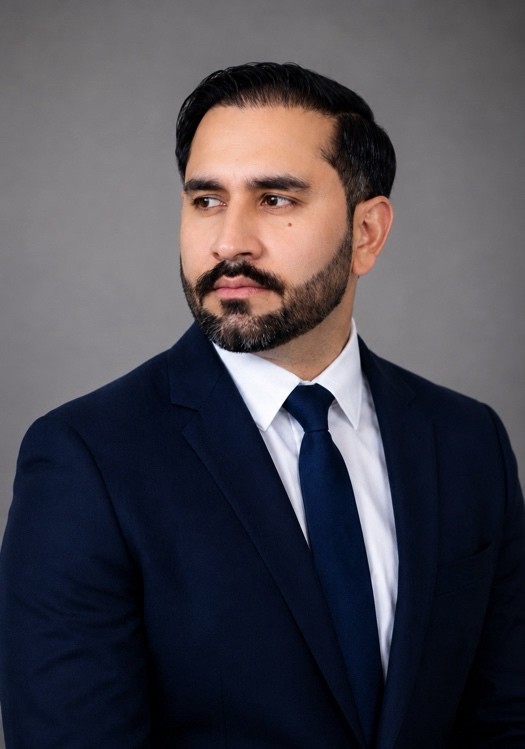
My name is Shah Hussain, and I am from Khyber Pakhtunkhwa, Pakistan. I completed my Bachelor’s in Psychology at the Univer .... Read more
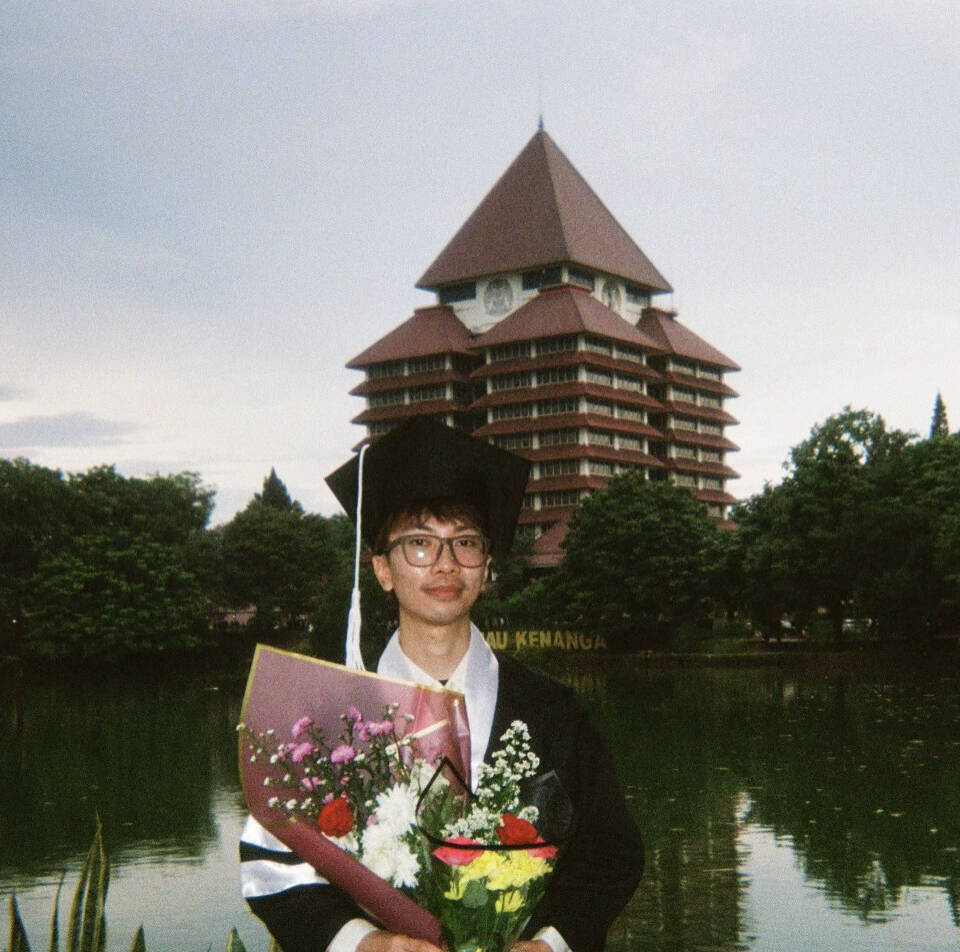
I am June from the Philippines. I am an educator for Social Sciences and Humanities. I recently earned my Master in Southeas .... Read more
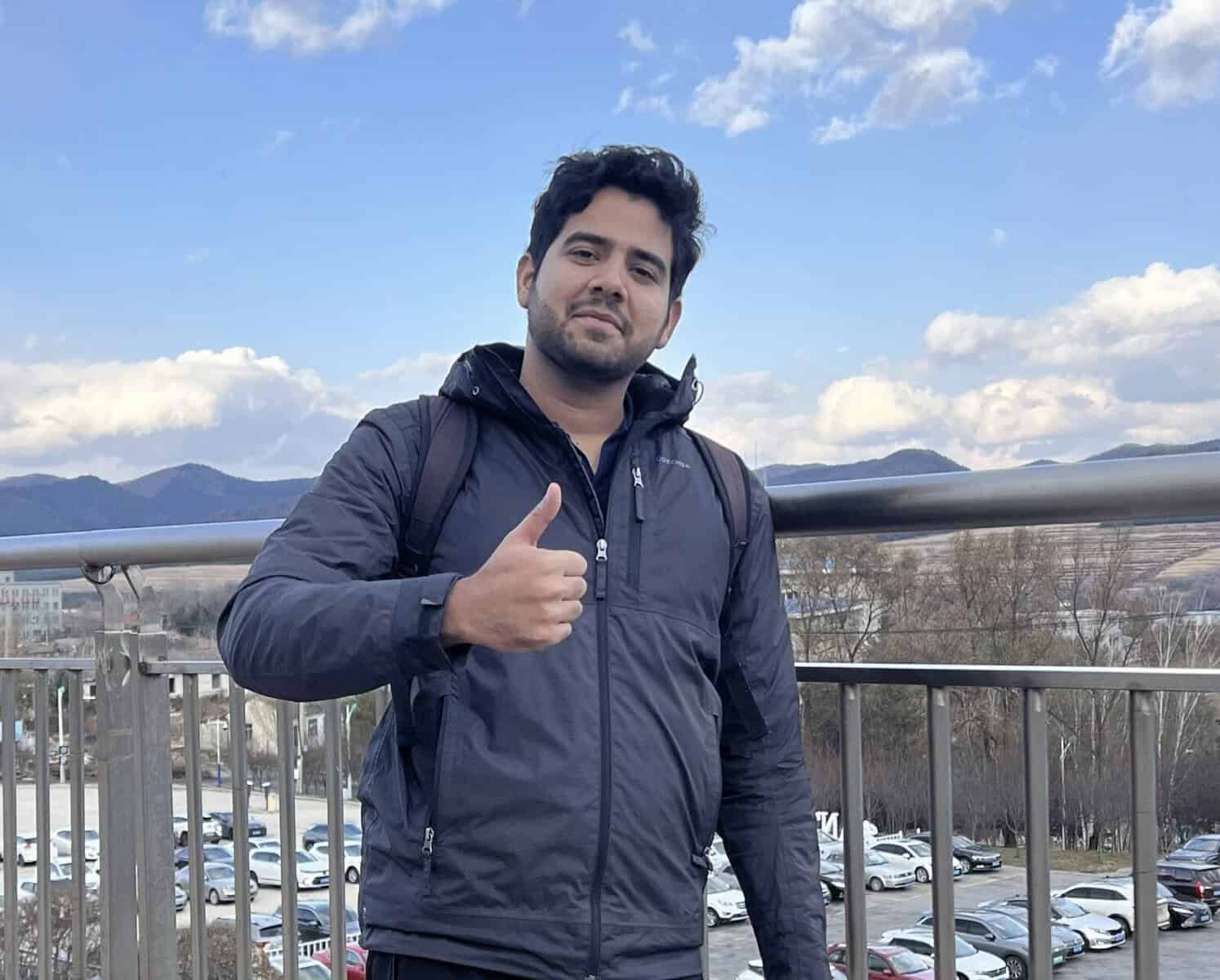
Hi, my name is Abdul Hafeez, and I come from a small town called Nasirabad in Sindh, Pakistan. Currently, I am pursuing a ma .... Read more
Leave A Comment