
Commonwealth Shared Scholarship Scholar Farwa Burny from Pakistan Shares Her Journey of Securing a Fully Funded Master's at the University of Reading, United Kingdom
University: University of Reading
Degree: MA Public Policy
Previous Education: B.Sc. in Economics
Scholarship: Commonwealth Shared Scholarship – Full Funding (Full Tuition, Stipend, Airfare, Visa Application, Other Costs)
Social Media
LinkedIn: linkedin.com/in/farwa/
The Journey
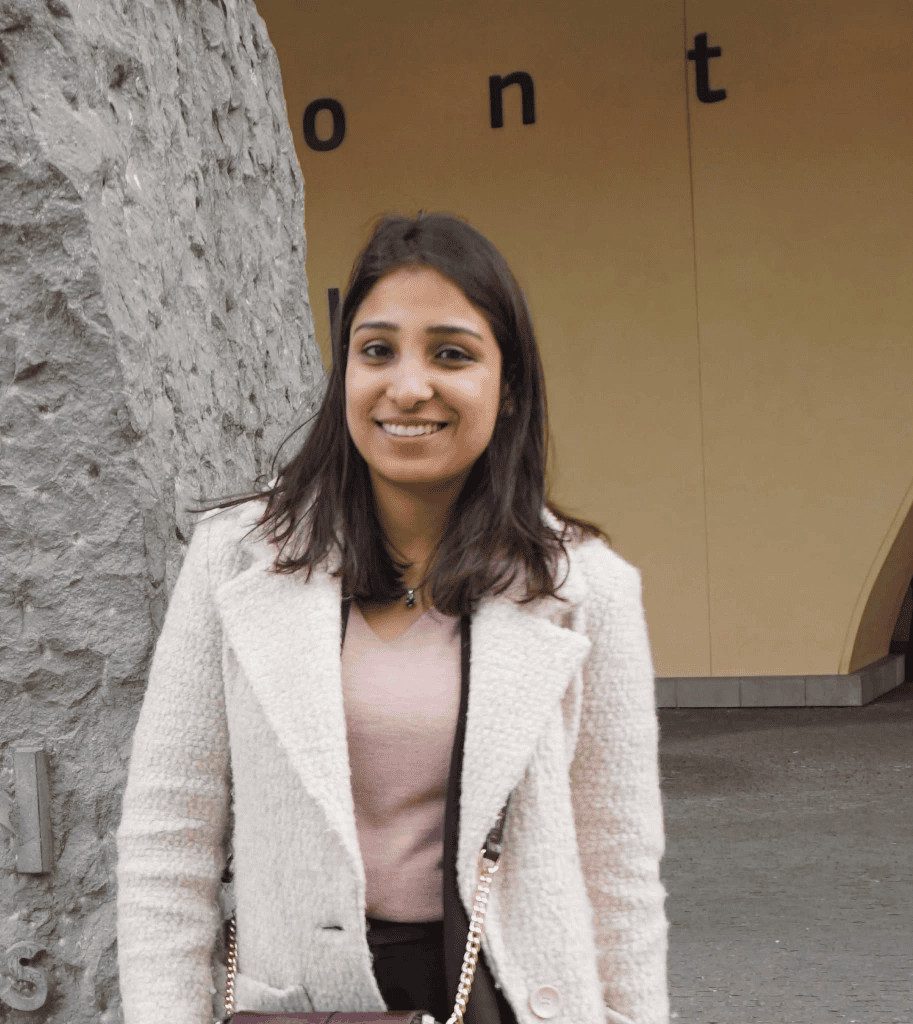
My name is Farwa Burny. I am originally from Pakistan, and I currently live in Canada. I work in social policy research and evaluation, mainly on topics related to social protection, nutrition, education, early childhood development, and public policy.
I received the Commonwealth Shared Scholarship to study the MA in Public Policy at the University of Reading in the UK in 2016. I chose public policy because I knew I wanted to work in the social development sector. I wanted to understand how policies are made, how they are put into practice, and how they can improve people’s lives.
Commonwealth Shared Scholarship Details
I received the Commonwealth Shared Scholarship for the MA Public Policy program at the University of Reading, UK. The scholarship covered full tuition, a stipend, airfare, and some other costs, including the visa application.
Educational Background
Before my Master’s, I completed a B.Sc. in Economics. After that, I taught Economics and Sociology to high school students. Before university, I did my O and A Levels and scored a few A’s here and there.
Honestly, I was not a “top achiever” throughout school. I would probably describe myself as an average student, if I had to put a label on it. I worked hard, but I also kept balance. What helped was that I had a fairly clear idea that I wanted to do something in the social development space.
My economics degree helped me build analytical skills. But more than that, my teaching experience helped in my scholarship application. It gave me real examples to talk about. I could explain why I cared about education, opportunity, and public policy because I had actually worked with students and seen how these issues show up in real life.
My GPA was 3.92/4.00. I did pull quite a few all-nighters for this, though.
How Did You Prepare to Apply to Reading University?
I applied to multiple universities and scholarships, but I focused only on UK universities because I did not know any better back then. Looking back, I would have explored more countries and opportunities.
I was flexible about the university, but I was clear about the field. I knew I wanted to study public policy or something closely related to development. That flexibility helped me. Sometimes students get too fixed on one country, one university, or one dream program. Of course, it is good to have preferences, but if your main goal is quality education and funding, it helps to keep your options open.
I looked at university websites, scholarship websites, and Commonwealth Scholarship pages. I also reached out to alumni from my university who had gone abroad for higher studies. That was very useful because they gave me practical advice, not just the official information you find online.
I took the IELTS, but no other standardized tests.
How Did You Prepare to Apply for the Commonwealth Shared Scholarship?
I tried to make sure my application had a clear story.
I wanted the reader to understand where I was coming from, why I wanted to study public policy, and how the degree would help me do the kind of work I wanted to do. It also helps to be super optimistic and ambitious in your application.
My teaching experience really helped here. It gave me solid evidence that I was already engaged with education and social issues.
So my advice to students is not to wait until the scholarship application to start building your profile. Do something like volunteer, intern, teach, work part-time, help with research, start a small project, or join a community initiative. It does not have to be fancy, but it should show that you have taken some steps in the direction you say you care about.
What Do You Think Made Your Application Stand Out?
I think my application stood out because it had direction. I was not applying randomly to any program. I knew the broad field I wanted to work in, and public policy made sense for that path. I also had some practical experience to support my application. My teaching experience, early work experience, and economics background are all connected to the degree I wanted to pursue.
My profile was not perfect, but it made sense. And I think that matters. A scholarship application does not have to show that you are perfect. It should show that you are serious, self-aware, and clear about what you want to do next.
What Would You Have Done Differently if You Were Going Through the Process Again?
I would have been more organized.
Honestly, I applied to multiple scholarships, but I was mostly focused on submitting applications. I was not tracking everything properly. If I were doing it again, I would create a simple tracker with deadlines, required documents, references, application status, and follow-up steps.
I would also tailor each application more carefully. Applying widely is good, but sending the same generic application everywhere is not. Each application should show why that program and that scholarship make sense for you.
What Advice Would You Give Those Looking to Apply for a Similar Scholarship?
Build some experience before applying. It can be volunteering, internships, teaching, research, part-time work, community work, or even something you started yourself. What matters is that you can explain what you learned from it and how it connects to your goals.
- Start early. The process always takes more time than you think.
- Apply widely but stay focused. You can be flexible about the country or university, but be clear about your field and why you want to study it.
- Do not assume scholarships are only for students with perfect grades or perfect CVs. Good grades help, but they are not everything. Your direction, experience, motivation, and clarity also matter.
- Speak to people who have already gone through the process. Alumni can be very helpful because they will tell you the practical things you may not find on a website.
- Don’t stress! Stay positive and enjoy the process.
Want to submit your
scholarship journey?
Submit Your Story Here!
More Scholarship Recipients
My name is Shah Hussain, and I am from Khyber Pakhtunkhwa, Pakistan. I completed my Bachelor’s in Psychology at the Univer .... Read more
I am June from the Philippines. I am an educator for Social Sciences and Humanities. I recently earned my Master in Southeas .... Read more
Hi, my name is Abdul Hafeez, and I come from a small town called Nasirabad in Sindh, Pakistan. Currently, I am pursuing a ma .... Read more
Leave A Comment