
Global Korea Scholarship (GKS) Scholar Ana Sarem from Brazil Shares Her Journey of Securing a Fully Funded Master's at the Seoul National University, South Korea
University: Seoul National University
Degree: Master’s in Anthropology
Previous Education: Bachelor’s degree in International Relations, Federal University of ABC; Bachelor’s degree in Sciences and Humanities, Federal University of ABC
Scholarship: Global Korea Scholarship (GKS) – Full Funding (Round-trip Airfare, Tuition, Monthly Living Allowance, Settlement Allowance, National Health Insurance, Research Allowance, Thesis Printing Support, Korean Proficiency Stipend)
Social Media
The Journey
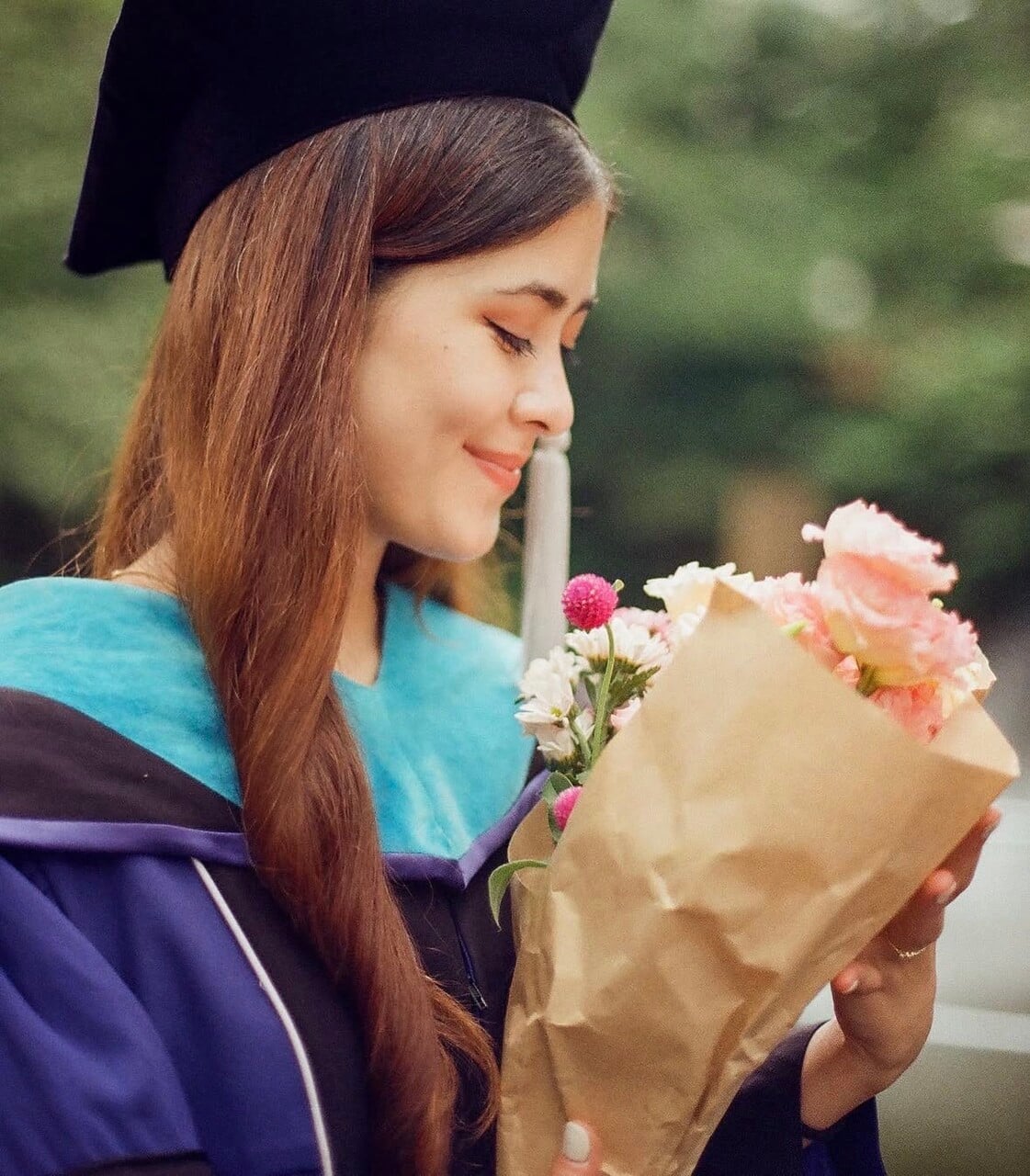
My name is Ana Sarem, and I am from Brazil. I hold a Bachelor's degree in International Relations and a Bachelor's degree in Sciences and Humanities from the Federal University of ABC.
I've always dreamed of living abroad, and I found that education was my pathway to doing that.
During my undergraduate studies, I had the opportunity to participate in the GKS Program for African and Latin American Students, which took me to South Korea for one month to conduct research on Global Leadership at Incheon National University. It was during that experience that I first learned about the Korean Government Scholarship for postgraduate studies.
Although I loved studying International Relations, I wanted to shift my focus from the macro level of politics and institutions to the micro level of culture and human experience. That led me to pursue a Master's degree in Anthropology.
Global Korea Scholarship Details
I received the Global Korea Scholarship (GKS), formerly known as the Korean Government Scholarship Program (KGSP), to pursue a Master's degree in Anthropology at Seoul National University.
What the Scholarship Covers
The scholarship is fully funded and includes:
- Round-trip airfare between your home country and South Korea
- Full tuition coverage
- Monthly living allowance
- Graduate students: KRW 1,000,000 per month
- Research students: KRW 1,500,000 per month
- Language trainees: KRW 900,000 per month
- Settlement allowance of KRW 200,000 upon arrival
- National Health Insurance coverage
- Research allowance
- Thesis printing support
- Korean proficiency stipend for students who achieve TOPIK Level 5 or 6
Scholars are also expected to maintain good academic standing. During my time in the program, students needed to maintain an 8/10 average to keep the scholarship.
Educational Background
My undergraduate studies in International Relations provided me with a strong foundation in research, critical thinking, and academic writing.
One of the biggest advantages I had when applying was that I had already completed an undergraduate thesis in a field closely related to what I wanted to study in graduate school. I was able to build upon that previous research when writing my study plan and research proposal.
I would strongly recommend getting involved in undergraduate research whenever possible. It not only strengthens your application but also helps you build relationships with professors who may later write recommendation letters on your behalf.
Understanding the GKS Application Process
Eligibility
When I applied, candidates needed to:
- Have at least an 80% cumulative GPA or rank within the top 20% of their graduating class
- Be under 40 years old for graduate programs
- Meet all health and documentation requirements
Requirements can change over time, so applicants should always consult the most recent GKS guidelines.
Embassy Track vs. University Track
There are two ways to apply:
University Track
Applicants apply directly to a participating university and request consideration for GKS through that institution.
Embassy Track
I applied through the Embassy Track.
In this route, candidates submit their applications directly to the Korean Embassy in their home country. The embassy reviews applications, interviews selected candidates, and forwards successful applications to the National Institute for International Education (NIIED).
NIIED then sends the application to three universities chosen by the applicant.
In my case, I applied to:
- Anthropology at Seoul National University
- Gender and Cultural Studies at Yonsei University
- Women's Studies at Ewha Womans University
I was ultimately accepted by two of them and chose Seoul National University.
Application Requirements
The application package included:
- Application form
- Personal statement
- Study plan/research proposal
- Two sealed recommendation letters
- Official transcripts and degree certificates
- Proof of citizenship for both the applicant and their parents
- Health statement
Applicants must submit original documents, notarized translations when necessary, and certified copies.
Medical Requirements
When I applied, candidates who passed the second round were required to complete a medical examination that included:
- Chest X-ray
- STI and HIV screening
- Drug testing
After arriving in Korea, students also underwent a mandatory medical check-up.
The requirements have since changed. Today, applicants may need to complete tuberculosis (TB) screening before departure if they come from countries designated as high-risk by the Korean government, while other medical examinations are generally conducted after arrival.
Korean Language Training
One unique aspect of GKS is that students are typically required to complete one year of Korean language training before beginning their degree program unless they already demonstrate advanced Korean proficiency.
Students are placed at language institutes across the country, often in cities different from where they will later complete their degrees.
For many students, this first year involves:
- Living in a dormitory
- Sharing a room with another scholarship recipient
- Studying Korean full time
- Preparing for the TOPIK examination
Students need to achieve TOPIK Level 3 to continue under the scholarship, although some university programs require Level 4 or higher.
My Experience at Seoul National University
Academically, Seoul National University offered excellent research facilities and highly qualified professors.
At times, however, I felt somewhat isolated as an international student. My classes were conducted primarily in Korean, and there were only three other international students in my program.
Fortunately, SNU has a dedicated office that supports GKS students and assists with scholarship-related issues and administrative matters.
Challenges of Studying in Korea
Language was definitely my biggest challenge.
Before registering for courses, I would often contact professors directly to ask whether I could complete assignments in English. That strategy helped me succeed academically while continuing to improve my Korean.
Although many of my classes were taught in Korean, I was able to conduct my final research and write my thesis in English. I made sure to choose an advisor who was going to be okay with that.
For students considering Korea, I would strongly recommend learning as much Korean as possible before arrival. Even if your program offers English-language courses, Korean proficiency will make everyday life and academic work significantly easier.
What I Did After Graduation
After completing my degree, I secured an internship at the Green Climate Fund in Incheon.
The opportunity was available specifically to Seoul National University students and recent graduates, which demonstrates how valuable the university's network can be when seeking professional opportunities after graduation.
What Made My Application Stand Out?
I believe several factors strengthened my application:
- Strong academic performance
- Previous research experience
- A clear connection between my research interests and South Korea
- Prior experience studying in Korea through the GKS research program
During the interview process, I emphasized why Korea was essential to my research and demonstrated that I understood the challenges of studying abroad.
Scholarship committees want to know that applicants are resilient, committed, and capable of adapting to a new environment, as they want to avoid having drop outs throughout the program.
What I Would Do Differently
If I were applying again, I would choose a program taught entirely in English.
While studying in Korean ultimately helped me grow, it added an extra layer of difficulty to an already demanding graduate experience.
Advice for Future Applicants
My biggest advice is to prepare not only academically but also personally.
Living in Korea can be an incredible experience, but it can also be demanding. You will be adapting to a new culture which can be very hierarchical, learning a new language, and navigating a very demanding academic environment.
So, build a strong support system, stay connected to your reasons for applying, and be prepared for challenges alongside the rewards. I can guarantee that your time in Korea will be a formative experience of who you’ll become, and if you open yourself up, you can meet amazing people who might become your chosen family.
Finally, keep a close eye on the official GKS guidelines each year. Requirements, timelines, and procedures can change, so always rely on the most recent information provided by the scholarship program.
Best of luck!
Want to submit your
scholarship journey?
Submit Your Story Here!
More Scholarship Recipients
My name is Shah Hussain, and I am from Khyber Pakhtunkhwa, Pakistan. I completed my Bachelor’s in Psychology at the Univer .... Read more
I am June from the Philippines. I am an educator for Social Sciences and Humanities. I recently earned my Master in Southeas .... Read more
Hi, my name is Abdul Hafeez, and I come from a small town called Nasirabad in Sindh, Pakistan. Currently, I am pursuing a ma .... Read more
Leave A Comment