
KOICA Scholarship Recipient Alexandra Eras from Ecuador Shares Her Journey of Pursuing a Master’s in Development Policy at the KDI School of Public Policy and Management
University: KDI School of Public Policy and Management, Sejong City, South Korea
Degree: Master’s in Development Policy
Previous Education: Bachelor’s in Economics – Major in Gender, Violence, and Human Rights (GPA: 9/10), Ecuador
Scholarship: KOICA Scholarship (Capacity Improvement & Advancement for Tomorrow – CIAT Program) – Fully Funded (covers full tuition, airfare, accommodation, health insurance, and a monthly stipend of approximately 1,000,000 KRW)
Social Media
LinkedIn: linkedin.com/in/alexandraeras/
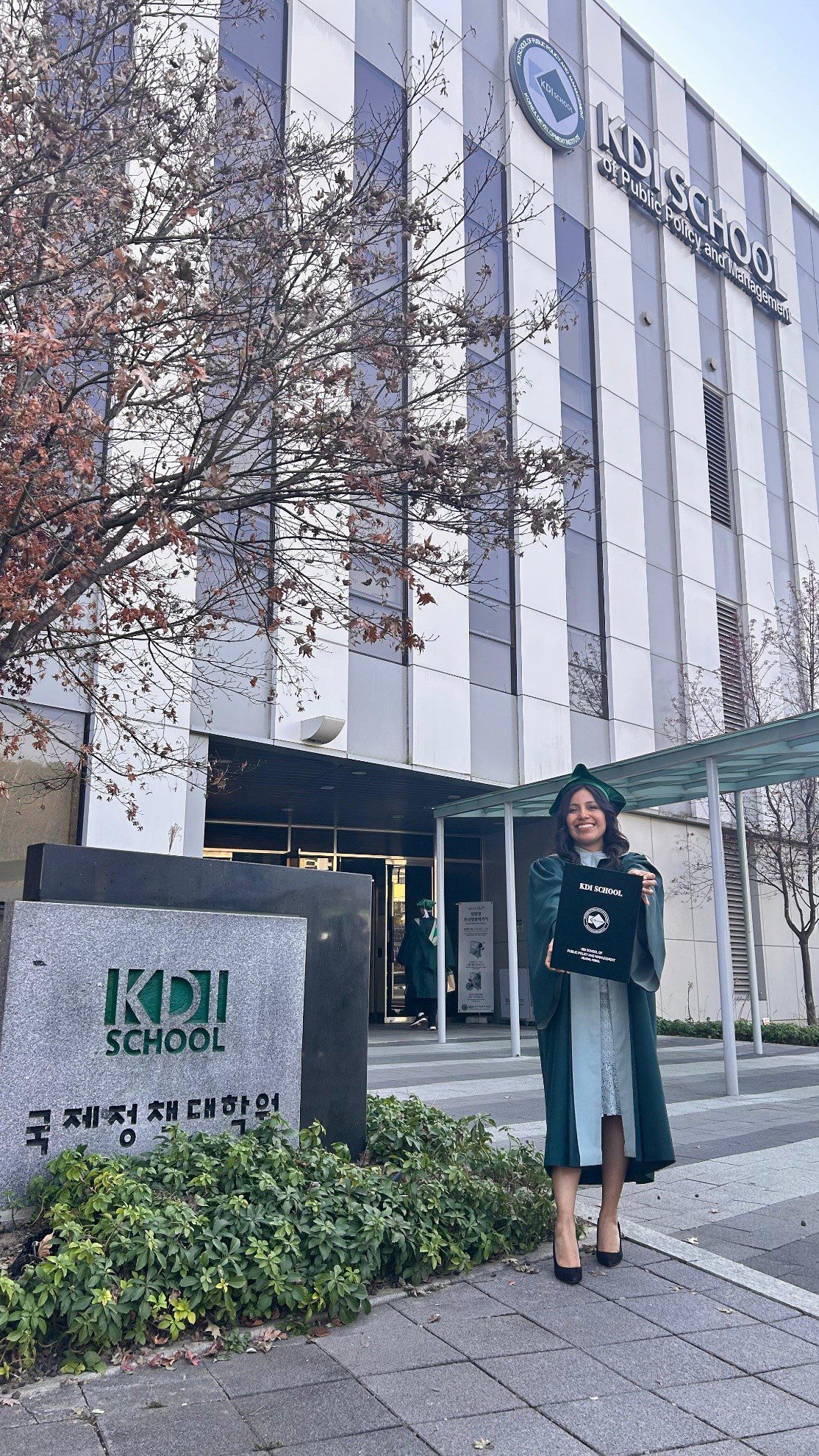
The Journey
Hello! My name is Alexandra Eras, and I am from Ecuador. I studied Economics and completed a major in Gender, Violence, and Human Rights, graduating with a GPA of 9/10. This academic training, combined with my professional experience, allowed me to develop a deep understanding of my country’s realities and to build a strong social and rights-based perspective. I also worked for the Ecuadorian government for nearly ten years, gaining expertise in public policy, public investment projects, and public administration. This combination of academic and professional experience motivated me to further strengthen my knowledge, leading me to seek practical academic programs that would allow me to contribute more effectively to my country’s development.
In this context, I pursued a Master’s degree in Development Policy at the Korean Development Institute School of Public Policy and Management (KDI School), supported by a scholarship from the Korea International Cooperation Agency (KOICA), during the 2022-2023 period. This was a unique opportunity that allowed me to learn about and witness South Korea’s development process, including the challenges it has faced and the policies implemented to achieve rapid growth.
After returning to Ecuador, I have applied the knowledge I acquired and contributed to projects in both the private and public sectors.
KOICA Scholarship Details
The KOICA scholarship is part of the Capacity Improvement & Advancement for Tomorrow (CIAT) program, one of Korea’s leading human resources development (HRD) training initiatives. Through this program, the Korea International Cooperation Agency (KOICA) invites civil servants, engineers, researchers, and policymakers from partner countries in Latin America, Africa, Asia, the Middle East, and Central Asia to pursue graduate studies in South Korea. The program aims to strengthen human capacity based on Korea’s development experience, enabling participants to contribute to the economic and social growth of their home countries.
CIAT collaborates with renowned universities in South Korea to offer graduate programs in various fields, including public administration, education, and development economics. This allows scholars to select programs aligned with their professional interests. In my case, as I mentioned, I pursued a Master’s degree in Development Policy at KDI School, in Sejong City, South Korea.
The KOICA scholarship is fully funded. It generally covers round-trip airfare, university tuition fees, on-campus residence, a monthly stipend (around $1.000.000 KRW), and health insurance.
How Did You Prepare to Apply to the KDI School of Public Policy and Management?
How Did You Find Information About Scholarships and the KDI School of Public Policy and Management?
I learned about the scholarship through university colleagues. These opportunities are not always widely disseminated, which often leads to missed chances, something that also happens in my country. For this reason, I closely monitored the calls for applications. When the scholarship opened, I carefully reviewed all the eligibility requirements, both for the scholarship and for the academic programs I was interested in. Afterward, I conducted further research on the universities through their website and discussed the programs with my colleagues, which allowed me to make an informed decision about which program to apply for, as only one program application is allowed. I submitted a single application to both the scholarship and the university, completing the respective forms as required.
Did You Take Any Standardized Tests? If So, How Did You Prepare for Them?
Although a standardized test was not mandatory, I decided to take one to strengthen my application. I took the TOEFL and submitted the score along with a Certificate of English Proficiency issued by the Fulbright Commission. To prepare for the exam, I used TOEFL practice tests, listened to podcasts on a wide range of topics, and engaged in extensive reading to further develop my language skills.
How Did You Prepare to Apply to the KOICA Scholarship?
To prepare for the scholarship application, I focused on strengthening both my academic profile and my application skills. I studied English to improve my language proficiency and ensure I could perform well in both the written application and the interview process. In addition, I sought advice from previous scholarship recipients, who provided me with valuable insights and practical tips regarding the application requirements and interview stages. I also asked colleagues to review my essays and provide feedback, which helped me improve the clarity and coherence of my statements. Finally, I thoroughly prepared for the interviews by researching the program and practicing potential interview questions.
How is (was) Your Experience at the KDI School of Public Policy and Management?
My experience at KDI School under the KOICA scholarship has been one of the most rewarding and meaningful experiences of my life. I had the opportunity to share and learn alongside people from all over the world, particularly civil servants, which allowed me to better understand their realities and broaden my perspective on global and cultural diversity. This experience opened my mind to different contexts and helped me gain a deeper understanding of the world. I also built strong connections with colleagues from the Latin American region, with whom I remain in close contact and continue to collaborate on joint projects.
Beyond the academic environment, the university offers modern facilities, up-to-date classroom technology, a well-equipped library, and other dedicated learning spaces. It also provides a wide range of extracurricular activities, including clubs, seminars, and conferences. Additionally, both the university and KOICA organize field trips and complementary activities specifically designed for scholarship recipients, which further enrich the overall academic and cultural experience.
How Do You Rate the KDI School of Public Policy and Management Academically and Why?
The KDI School of Public Policy and Management is a renowned graduate institution for civil servants in Korea and across Asia, and it is accredited by the Network of Schools of Public Policy, Affairs, and Administration (NASPAA). Its faculty is composed of professors who hold PhDs from top universities worldwide and have extensive experience in policy research and advising governments. One of the school’s strongest advantages is its close connection to the Korea Development Institute (KDI), a leading economic research think tank, which allows students to benefit from a rigorous, policy-oriented curriculum grounded in real-world development experience and evidence-based policymaking.
In conclusion, the KDI School demonstrates a high level of academic rigor, while the depth of each program largely depends on the courses selected by each student. The institution offers a wide range of theoretical and practical courses, as well as qualitative and quantitative subjects, with varying levels of academic demand, allowing students to tailor their learning experience according to their academic interests and professional goals.
How Does the KDI School of Public Policy and Management Support International Students?
The KDI School provides comprehensive support services for international students to ensure their academic success and overall well-being. These services include access to psychological counseling and medical care, as well as on-campus restaurants and dining facilities. In addition, the university offers various administrative and student support services that facilitate daily life for international students, helping them adapt smoothly to both academic and cultural environments.
Are Your Classes Conducted in English or the Country’s Native Language?
The classes were conducted in English, which is why you must have a very good level of English. Nevertheless, the program offers an introductory Korean course, and in my case, my university offered some extra Korean courses.
Likewise, when I was there, there were foreign support centers where you can also attend free Korean classes, so you can make your life easier in South Korea.
Would Potential Students Have Any Problems Academically Not Knowing the Native Language of the Country?
Academically not because the programs are usually in English, but to enjoy the experience, I would recommend you to learn Korean as well.
What Do You Think Made Your Application Stand Out?
I believe my application stood out due to my perseverance and my demonstrated ability to achieve long-term goals despite challenges. I was the first person in my family to obtain a university degree, which reflects my determination, discipline, and commitment to personal and professional growth. In addition, my strong passion for contributing to the development of my country through public policy has consistently guided my academic and professional decisions. This combination of resilience, proven achievement, and a clear sense of purpose allowed me to present a compelling and authentic application.
What Would You Have Done Differently if You Were Going Through the Process Again?
If I were to go through the process again, I would focus more on cultural integration and building more professional and academic networks from an earlier stage. I would make a greater effort to start learning Korean before arriving in the country, as this would have facilitated daily interactions and a deeper understanding of the local context. Additionally, I would actively engage earlier with classmates, professors, and alumni, in order to strengthen academic discussions and create long-term professional connections. This would have further enriched both my academic experience and my overall time in Korea.
What Advice Would You Give Those Looking to Apply for a Similar Scholarship?
My advice to those considering applying for a similar scholarship is not to feel intimidated by cultural differences or language barriers, whether in English or Korean. South Korea was the first country where I lived abroad and where I studied and interacted entirely in English. At the beginning, I felt somewhat overwhelmed. However, it was only a matter of time to adapt. Openness, patience, and perseverance are key to making the most of both the academic and personal experience.
Want to submit your
scholarship journey?
Submit Your Story Here!
More Scholarship Recipients
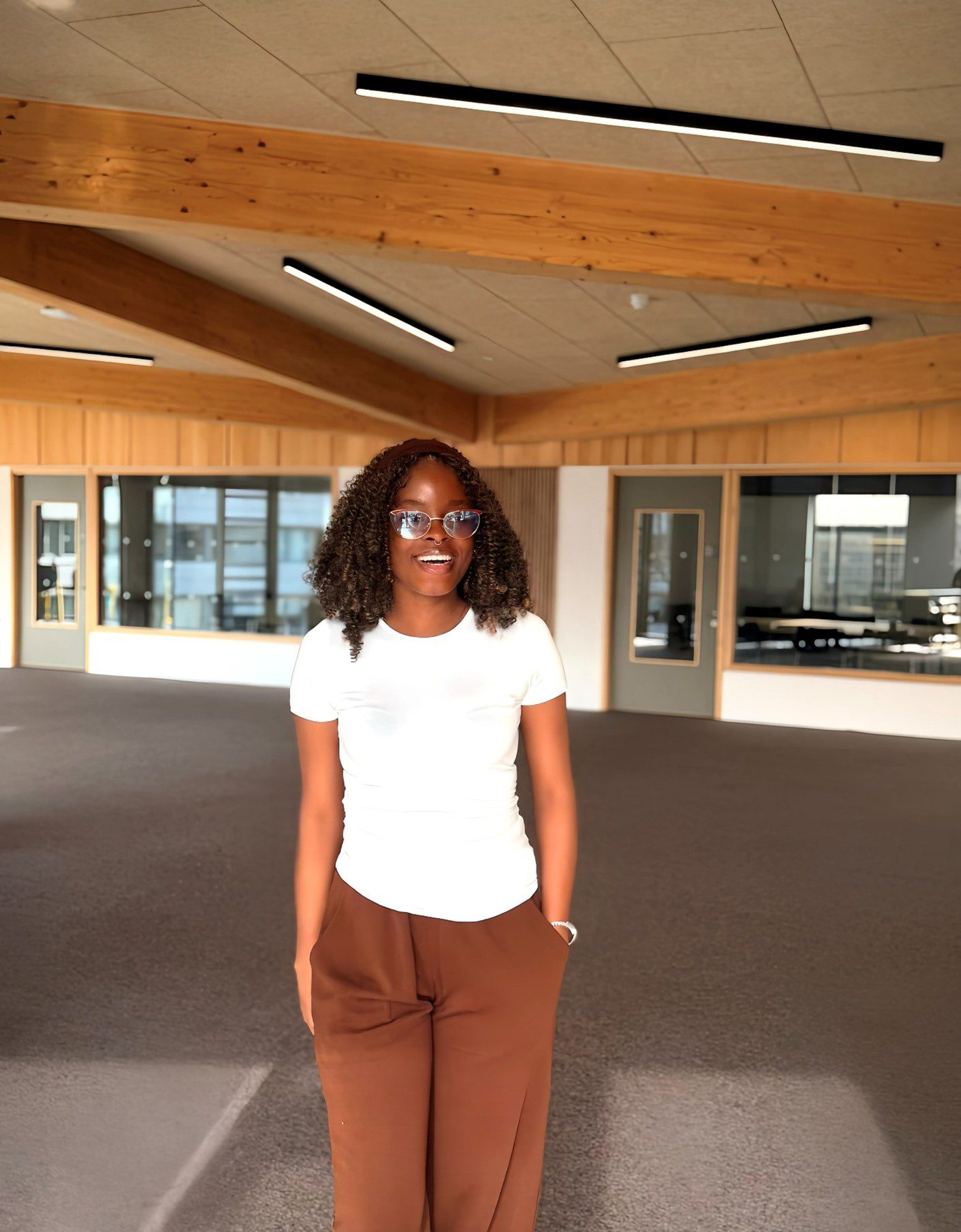
My name is Oisereme Abulu, a Nigerian student currently pursuing an MSc in Sustainable Aquaculture at the University of Stir .... Read more
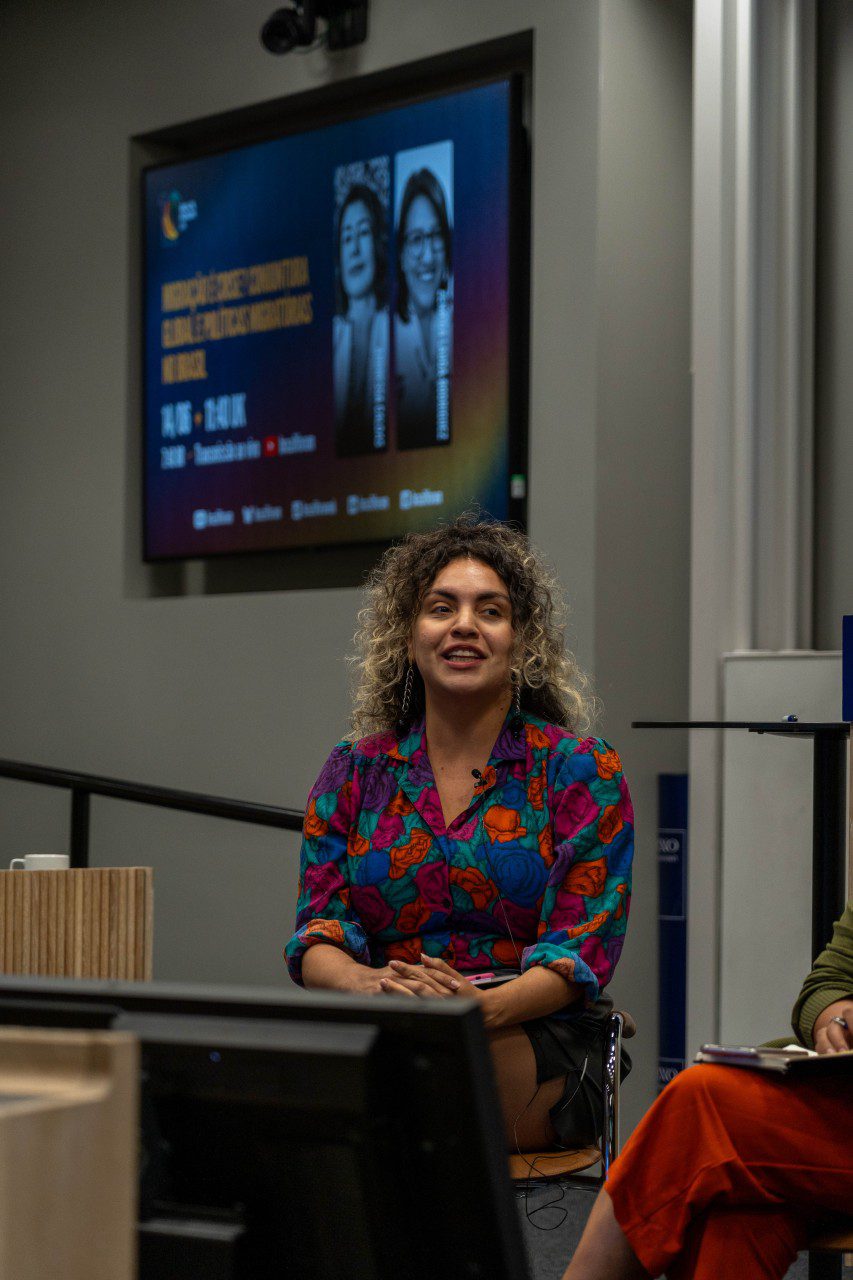
My name is Mona Perlingeiro, and I am from São Paulo, Brazil. São Paulo is the Brazilian city with the largest number of m .... Read more
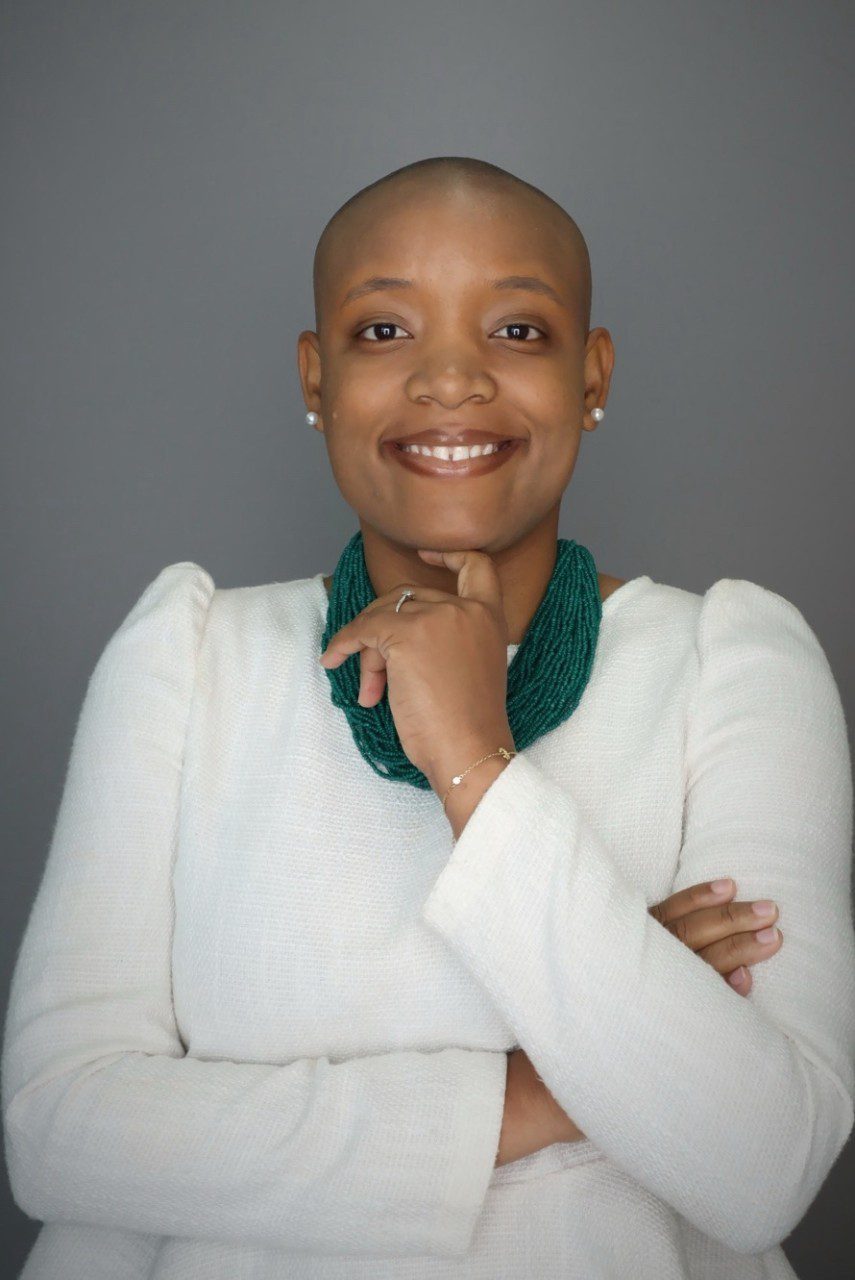
I am Ludmille Lyvert, and I am from Haiti. I hold a master’s degree in Women’s Studies, and I am currently a Ph.D. stude .... Read more
Leave A Comment