KOICA Scholarship 2027 (Fully Funded)
The Korea International Cooperation Agency (KOICA) Scholarship is a fully-funded initiative by the Korean Government aimed at nurturing talented professionals from partner countries who aspire to lead in public service and development. With a focus on supporting master’s and doctoral studies at top Korean universities, this scholarship equips scholars with advanced expertise in areas such as sustainable development, public policy, climate change, agriculture and digital innovation. By offering this opportunity, KOICA intends to strengthen international development cooperation and help recipients apply their education to drive measurable change in their home countries and beyond.
KOICA Scholarship Coverage
This government fully funded scholarship for international students covers the following:
-
Tuition fees
-
Monthly living allowance
-
Accommodation
-
Health insurance
-
Round-trip airfare
-
Settlement and completion grants
-
Extracurricular and cultural activities
KOICA Scholarship Eligibility Criteria
To be eligible for KOICA Scholarship, you need to meet the following criteria:
- Citizen of a KOICA partner country, officially nominated by their government
- Holder of a Bachelor’s degree from a recognized institution
- Public official or employee of a public institution
- Must meet the admission requirements of the chosen university
For detailed requirements, refer to the official eligibility page .
Eligible degree levels
Eligible programmes
Eligible nationalities
How to Apply
In this section, we'll provide a clear general overview of requirements and steps to guide you through the application process for KOICA Scholarship.
To apply for KOICA Scholarship, please follow these steps:
-
KOICA Round: Conducted by the KOICA Overseas Office or Korean Embassy
-
University Round: For applicants who pass the KOICA Round
Important Note: The application procedures and required documents for KOICA Scholarship may vary depending on your degree, program, nationality and other factors. For specific details regarding the requirements, kindly visit the official website of KOICA Scholarship.
Application Deadlines
Now that you’re familiar with the application procedure, it’s time to know the application dates! Knowing the dates for KOICA Scholarship will help you prepare early and it will also give you the time you need to put together a competitive application.
Application deadlines vary
The application deadlines for KOICA Scholarship vary. It’s important to review official guidelines on the official website or contact administrators for specific deadlines. Make sure to regularly check the KOICA Scholarship page for the latest and most accurate information on application deadlines.
KOICA Scholarship Eligible Institutions
The eligible institutions for KOICA Scholarship are listed below:
KOICA Scholarship Recipients
Meet students who have received KOICA Scholarship and learn how they secured their award.
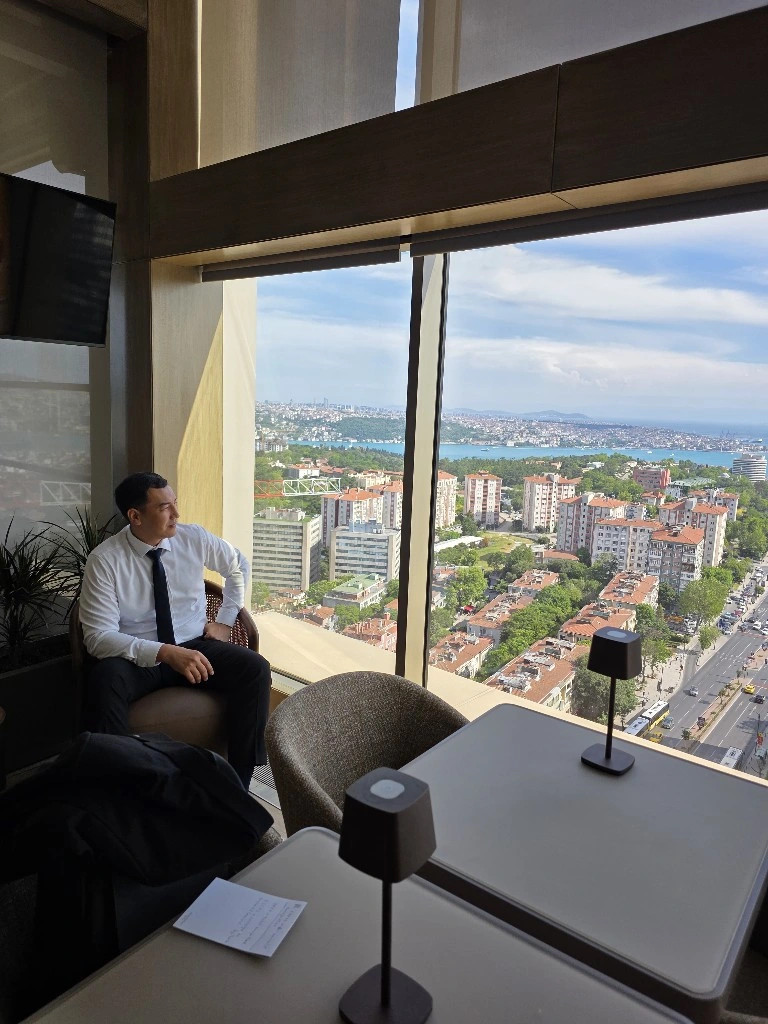
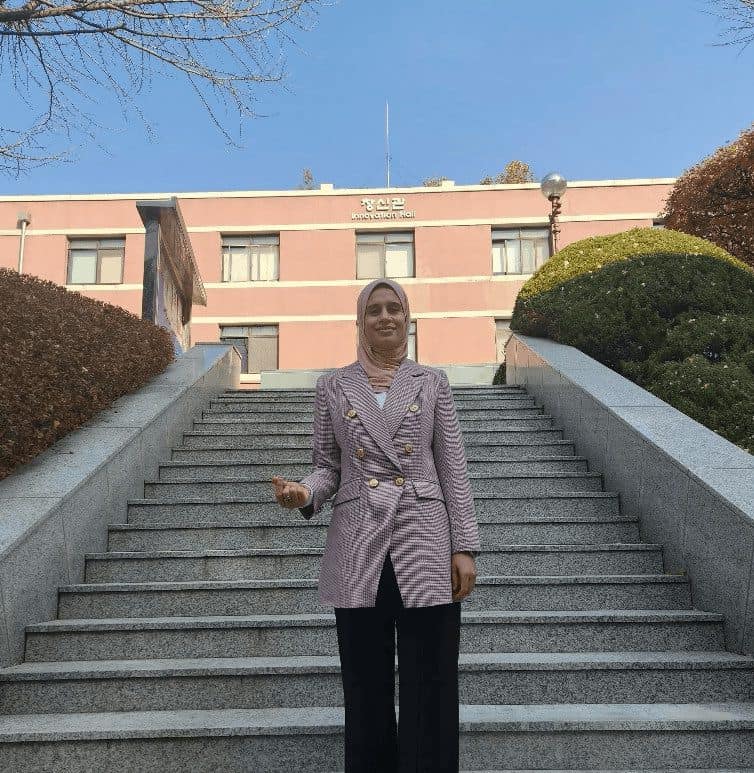
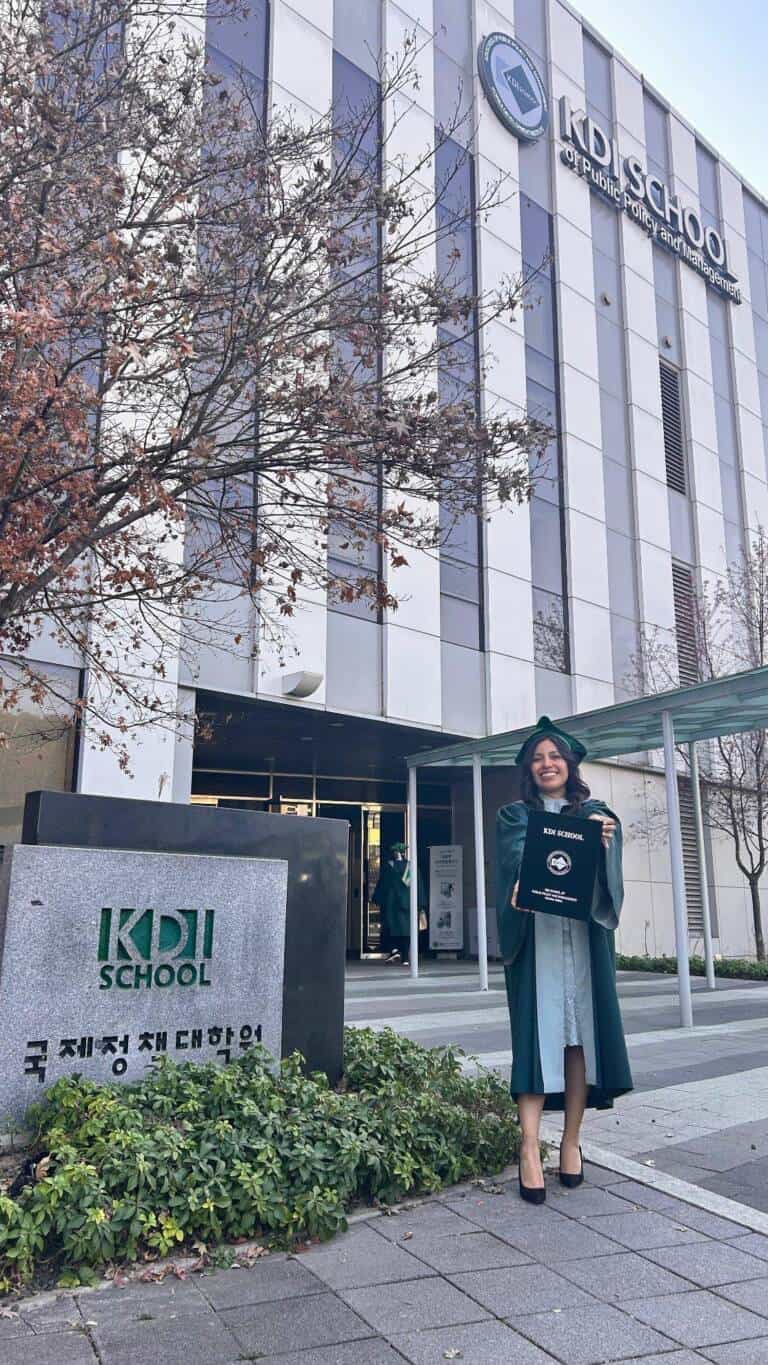
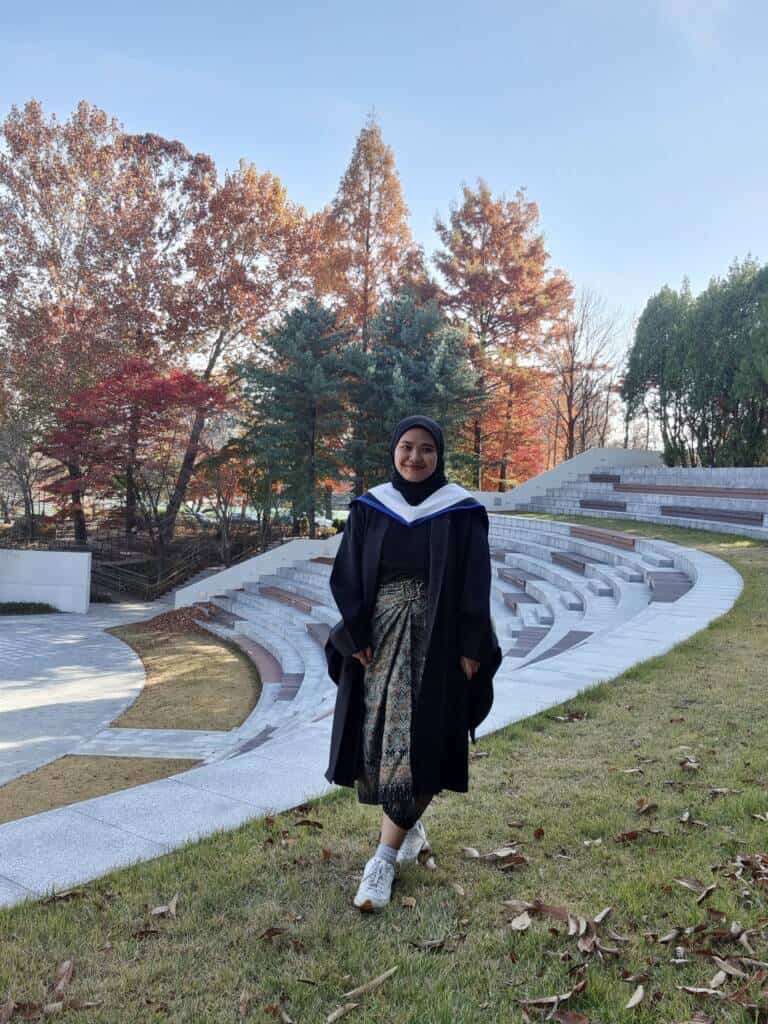
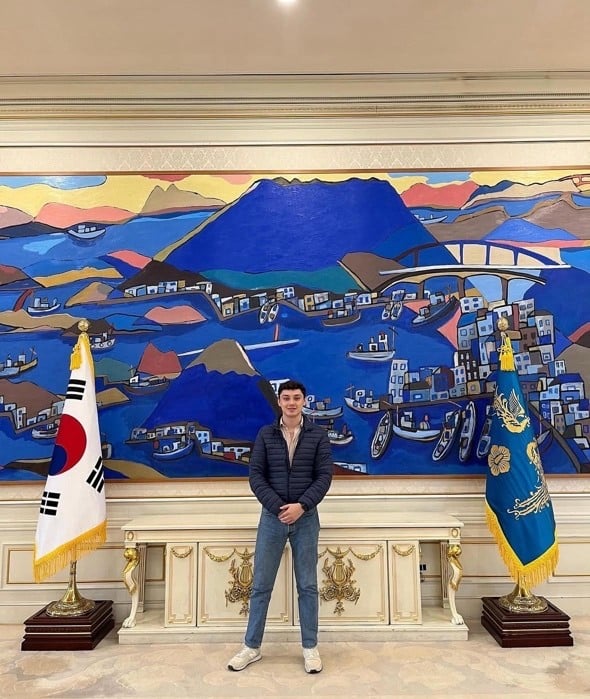
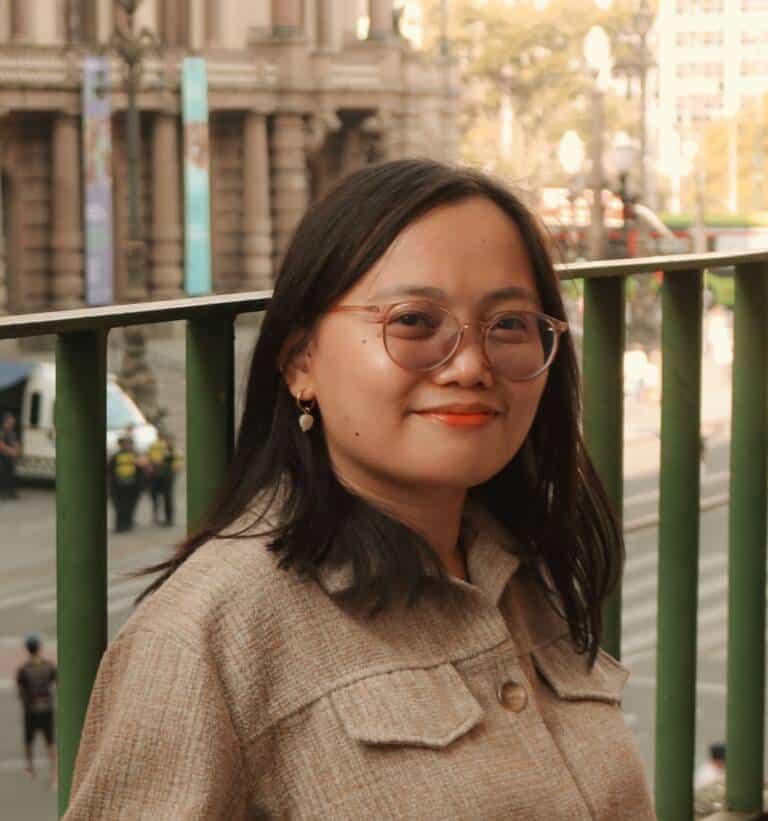
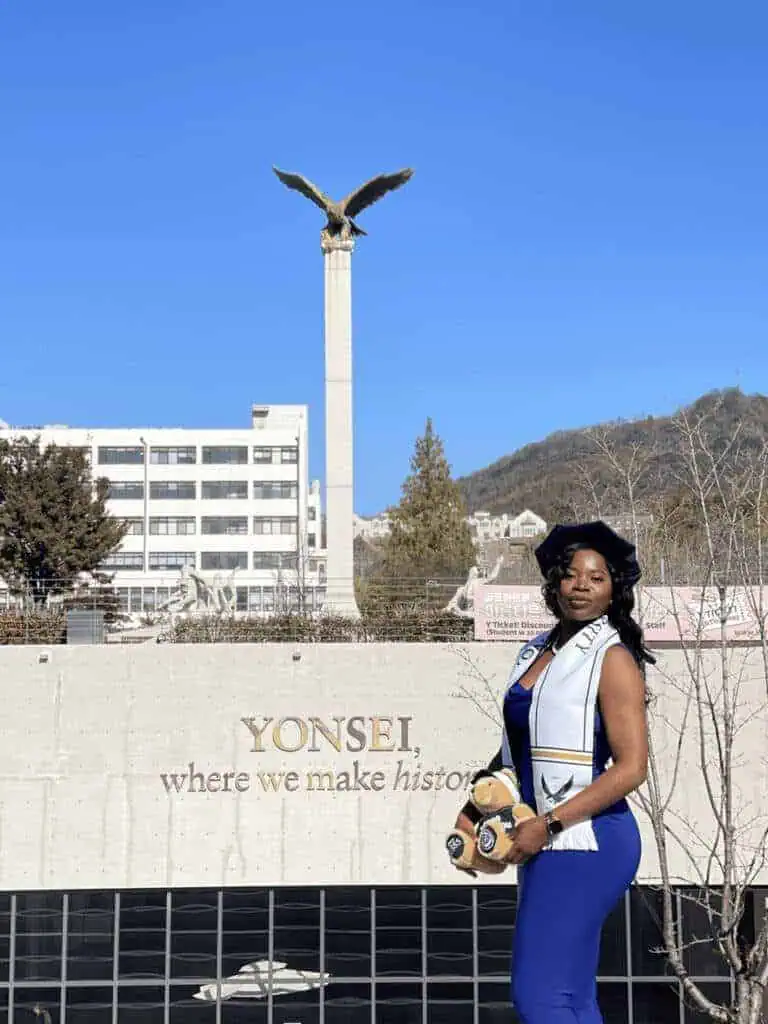

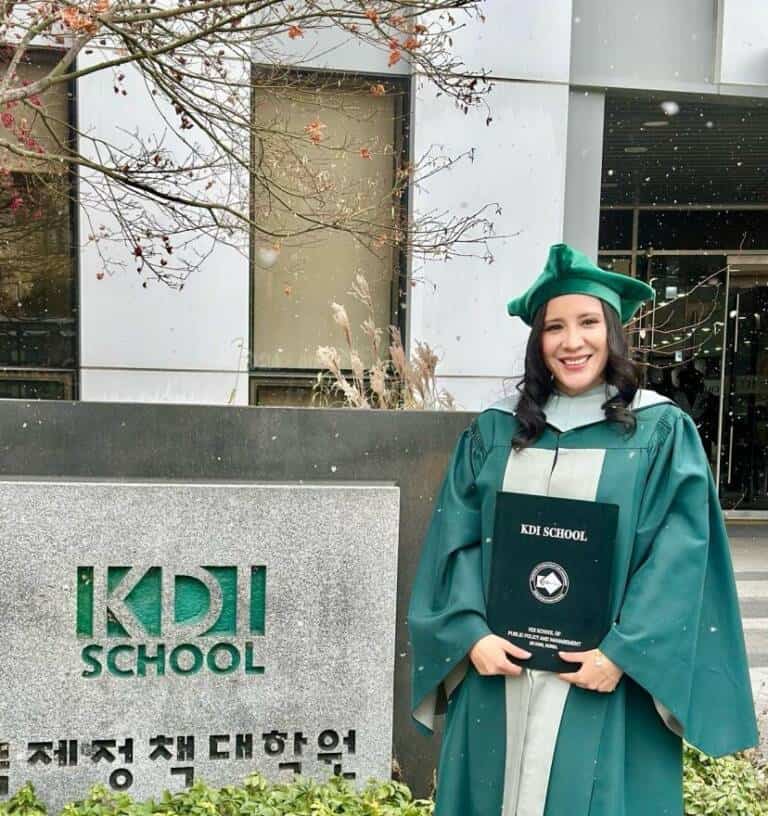
Scholarship Recipients and Their Degree Studies
Nine published stories describe master’s studies supported by the KOICA Scholarship, including its CIAT and KOICA–AJOU Civil Society Leadership routes.
Degree Studies Reported by Recipients
| Degree level | Stories | Subjects |
|---|---|---|
| Master’s | 9 | Development Policy; Public Administration and Sustainable Development Goals; Public Health, including Health Policy and Financing and Global Control of Infectious Diseases; e-Government and Public Management; Social Studies and Civil Society Leadership; ICT Techno Policy. |
Nationalities Reported in the Stories
| Nationalities | Stories per nationality |
|---|---|
| Ecuadorian | 3 |
| Filipino | 2 |
| Algerian, Indonesian, Malawian, Uzbek | 1 each |
Funding Reported by Recipients
| Recipient and degree/program | Reported coverage |
|---|---|
| María Belén Guerrero (August 2023–December 2024) — Master of Development Policy — Korea Development Institute of Public Policy and Management | Tuition, on-campus housing, round-trip airfare, health insurance and a monthly allowance of approximately KRW 1 million. |
| Madalitso Aline-Mary Mwenemurupa (August 2022–February 2024) — Master of Public Health, Health Policy and Financing — Yonsei University | Tuition, on-campus accommodation, return airfare, health insurance, fees, about KRW 999,000 per month and a one-time settlement allowance. |
| Alfa — MA Social Studies, Civil Society Leadership — Ajou University | Tuition, application fee, campus housing, airfare, insurance and KRW 999,000 per month. |
| Halima Bellahcene — Master’s ICT Techno Policy — Soongsil University | Full tuition, airfare, monthly allowance, accommodation, extracurricular activities and completion grants. |
| Nurjakhon Akhmadov (February 2026–May 2027) — Master of Development Policy — Korea Development Institute of Public Policy and Management | Full tuition, round-trip economy airfare, KRW 1,200,000 per month, KRW 600,000 settlement allowance, campus dormitory accommodation, and national and private health insurance. |
Examples of Featured Recipients’ Application Backgrounds
| Recipient and degree/program | Scholarship/application route | Reported background and preparation |
|---|---|---|
| María Belén Guerrero — Master of Development Policy — Korea Development Institute of Public Policy and Management | Public-institution nomination and KOICA application | International Studies GPA 46.2/50, Law GPA 92/100, a prior master’s in International Cooperation for Development and Project Management, and over five years in subnational government. Secured institutional approval, translated and apostilled documents, and connected career plans with development policy. |
| TJ — Global Master of Public Administration — Seoul National University | KOICA Philippines and university selection | Economics and Public Policy bachelor’s, three years in public-sector finance and prior management study. Used Bureau of the Treasury experience to explain the programme’s relevance; a friend proofread the personal statement. |
| Charmaine Distor — Global Master of e-Government and Public Management — Yonsei University | Government-agency nomination | Development Communication bachelor’s from University of the Philippines and civil-service roles managing ICT programmes. Coordinated with her workplace to secure approval and a nomination letter, and proposed how the degree would serve her agency. |
| Alfa — MA Social Studies, Civil Society Leadership — Ajou University | KOICA–AJOU NGO/CSO route | Applied Science in Social Work bachelor’s, GPA 3.80/4.00, and more than six years in humanitarian work. Explained how civil society experience fitted inclusive development; obtained Ministry endorsement while working full-time. |
| Nurjakhon Akhmadov — Master of Development Policy — Korea Development Institute of Public Policy and Management | Official government nomination and separate university submission | Banking and Finance bachelor’s, GPA 3.6/4.0, and a master’s in Banking and Economics. As a district deputy governor, linked his statement to investment and employment problems; began diploma and transcript authentication early. |
How Recipients Met Language Requirements
| Language requirement route | Stories / total funded degree-study stories | Recipients and examples |
|---|---|---|
| IELTS | 3/9 | 7.0 (Nurjakhon Akhmadov); IELTS certification held or test taken before applying (Charmaine Distor, Madalitso Aline-Mary Mwenemurupa). |
| TOEFL | 3/9 | TOEFL score submitted (Alexandra Eras, María Belén Guerrero); TOEFL retaken to meet the Indonesian government’s minimum requirement (Alfa). |
| English-medium education exemption | 1/9 | Medium-of-instruction certificate accepted instead of TOEFL or IELTS (TJ). |
| Additional English proficiency certification | 1/9 | Fulbright Commission English proficiency certificate submitted (Alexandra Eras). |
| English test proof optional for the reported route | 2/9 | TOEFL voluntarily submitted (Alexandra Eras); English proficiency proof was not required (Halima Bellahcene). |
Application Timelines Reported by Recipients
| Recipient and degree/program | Application or scholarship route | Reported application timeline |
|---|---|---|
| TJ — Global Master of Public Administration — Seoul National University | KOICA Philippines, then SNU | KOICA Philippines interview came before the university’s major-specific essay examination and professor interview. |
| Madalitso Aline-Mary Mwenemurupa — Master of Public Health — Yonsei University | National nomination, KOICA and university selection | Passed the national scholarship interview, received a nomination, then completed oral and written selection stages with KOICA and the university. |
| Halima Bellahcene — Master’s ICT Techno Policy — Soongsil University | Home institution, KOICA Algeria and university | Submitted documents to her head institution, took a first selection test with the KOICA office in Algeria, and then a university test for the final selection. |
Interview Experiences and Preparation Lessons
| Recipient and degree/program | Reported selection experience |
|---|---|
| María Belén Guerrero — Master of Development Policy — Korea Development Institute of Public Policy and Management | Prepared for two interviews, first with KOICA in Ecuador and then the university, by researching the programme and connecting it with her future career. |
| TJ — Global Master of Public Administration — Seoul National University | University selection included a major-specific essay exam followed by a professor interview. He grounded his essay and motivation in government policy work. |
| Charmaine Distor — Global Master of e-Government and Public Management — Yonsei University | Two interviews, with KOICA representatives and host-university professors, assessed programme interest and plans to apply learning in government service. |
| Alexandra Eras (2022–2023) — Master of Development Policy — Korea Development Institute of Public Policy and Management | Sought advice from former scholars, asked colleagues for essay feedback, researched the programme and practised possible interview questions. |
| Nurjakhon Akhmadov — Master of Development Policy — Korea Development Institute of Public Policy and Management | Interview questions focused on professional expertise and the results he would bring back to his organisation and country; prepared around concrete workplace challenges. |
Teaching Languages Described by Recipients
| Recipient and degree/program | Reported teaching language |
|---|---|
| TJ — Global Master of Public Administration — Seoul National University | All classes were in English; Korean classes helped with everyday conversations. |
| Alfa — MA Social Studies, Civil Society Leadership — Ajou University | GSIS classes were conducted in English; basic Korean classes supported daily life. |
| Nurjakhon Akhmadov — Master of Development Policy — Korea Development Institute of Public Policy and Management | All classes were conducted in English. |
What Recipients Pursued After Their Scholarship-Funded Studies
| Recipient | Scholarship-funded degree/program | Reported outcome or current status |
|---|---|---|
| Charmaine Distor | Global Master of e-Government and Public Management — Yonsei University | Current roles and further study: doctoral researcher at University of Lausanne studying AI in the public sector, and research consultant with UNU-EGOV in Portugal. |
| Alexandra Eras (2022–2023) | Master of Development Policy — Korea Development Institute of Public Policy and Management | Completed and returned to Ecuador: reported applying her learning to projects in the private and public sectors. |
| Nurjakhon Akhmadov (February 2026–May 2027) | Master of Development Policy — Korea Development Institute of Public Policy and Management | Ongoing study and future plan: still completing the programme; intends to continue as district deputy governor and apply his learning to investment, trade and regional development in Uzbekistan. |
What KOICA Scholars Say
Advice and reflections from scholars about the KOICA application process and programme.
"If you’re dreaming of applying for the KOICA Scholarship or any other scholarship. Really, my advice is simple: know your “why.”"
"One tip: be strategic about timing. IELTS and similar test results are only valid for two years."
"The KOICA scholarship is a fully funded program that covers tuition, on-campus accommodation, round-trip airfare, health insurance, fees, and a monthly allowance of about 999,000 KRW, and a once-off settlement allowance is included in its package"
"I received a full scholarship from the Government of Korea through KOICA (Korea International Cooperation Agency) and its CIAT program (Capacity Improvement and Advancement for Tomorrow), which provides graduate-level scholarships to public officials from developing countries to support capacity building and knowledge exchange. KOICA offers scholarships for both master's and doctoral programs, with application calls generally open twice a year"
"It was a transformative experience. Yonsei has a diverse, international student body, and the program was academically rigorous."
"SNU truly lived up to its reputation as Korea's number one university, evident in its excellent facilities and the extensive backgrounds of its professors."
Frequently asked questions
Common questions about KOICA Scholarship, eligibility, funding, and applications.
Yes. The KOICA Scholarship page describes it as a fully funded scholarship, and multiple recipients confirm that. For example, Alfa, a KOICA scholar at Ajou University, said, “The scholarship covered tuition, application fee, on-campus housing, airfare, insurance, and allowance.” Likewise, Santiago Bravo shared that the scholarship “was fully funded and covered tuition, monthly living allowance, airfare, settlement support, and health insurance.”
KOICA coverage commonly includes tuition fees, a monthly living allowance, accommodation, health insurance, round-trip airfare, settlement and completion grants, and extracurricular or cultural activities. Recipient stories align with that description. Charmaine Distor said her package included “round-trip airfare,” “settlement allowance,” “full tuition fees,” “accommodation,” and “health insurance,” while Madalitso Aline-Mary Mwenemurupa added that KOICA also included Korean language classes, study visits, workshops, and other cultural activities.
For many KOICA graduate programs, yes. Several KOICA recipients say the scholarship is geared toward public officials, public servants, and development professionals from partner countries. María Belén Guerrero lists one of the key eligibility points as: “Be a government official at the time of application.” Similarly, Charmaine Distor explained that “Applicants must be nominated by their government agency.” That said, there are program-specific exceptions: Alfa’s KOICA–AJOU Civil Society Leadership Program was specifically designed for civil society and NGO professionals.
Yes. Work experience is a recurring theme across recipient stories, both as an eligibility factor and as something that strengthens the application. María Belén Guerrero notes that applicants should “have at least two years of work experience in the field of study.” TJ said her work in government helped her show why the SNU program mattered for her career, and Santiago Bravo said his government service and leadership helped demonstrate that he could apply what he learned back home.
In the recipient stories from KDI School, Yonsei University, Ajou University, and Seoul National University, classes were taught in English. Alexandra Eras said that “the programs are usually in English,” and Santiago Bravo said, “everything is in English.” Still, many recipients recommend learning basic Korean for daily life and integration. TJ said the Korean classes were helpful for everyday interactions, and Alfa advised that Korean is valuable “especially in daily life and when connecting with local people.”
The featured KOICA recipients studied at several top Korean universities. These include Yonsei University for Public Health, KDI School of Public Policy and Management for Development Policy, Ajou University for Social Studies through the KOICA–AJOU Civil Society Leadership Program, and Seoul National University for the Global Master of Public Administration.
Recipient stories consistently emphasize clear motivation, strong alignment between your work and the program, and authenticity in your essays. TJ said applicants should “be honest in your personal statement,” while Madalitso Aline-Mary Mwenemurupa said her application stood out because of her “clear motivation for the study” and a resume that reflected her public health experience. Alfa also said her application reflected “sincerity and purpose,” especially in how her civil society experience aligned with the program’s goals.
Based on recipient stories, KOICA study in Korea is academically rigorous but also highly supportive and international. TJ said, “SNU truly lived up to its reputation,” and described supportive professors, research guidance, conferences, and school trips. Santiago Bravo said KOICA and Yonsei provided support with housing, orientation, visas, insurance, and daily life. At Ajou, Alfa said GSIS provided administrative services in English, Korean language classes, and consultation support for international students.
There are many degrees that are open to international students right now — find yours.

Leave A Comment