
MSc Communication for Development Graduate Janet Mtali from Malawi Shares Her Journey of Studying at the University of Reading, UK
University: University of Reading, United Kingdom
Degree: MSc in Communication for Development (2019–2020)
Previous Education: Bachelor of Education (English Major) – University of Malawi (GPA 2.8)
Scholarship: Chevening Scholarship – Fully Funded (Full Tuition, Monthly Stipend, Visa Costs, Return Flights, Arrival & Departure Allowances; Approx. £33,000 Total Value)
Other Offered Scholarships: Stanley Howard Hodgkin Scholarship – School of Agriculture Policy and Development (Summer Placement Support)
Social Media
LinkedIn: linkedin.com/in/janet-mtali-95559492/
The Journey
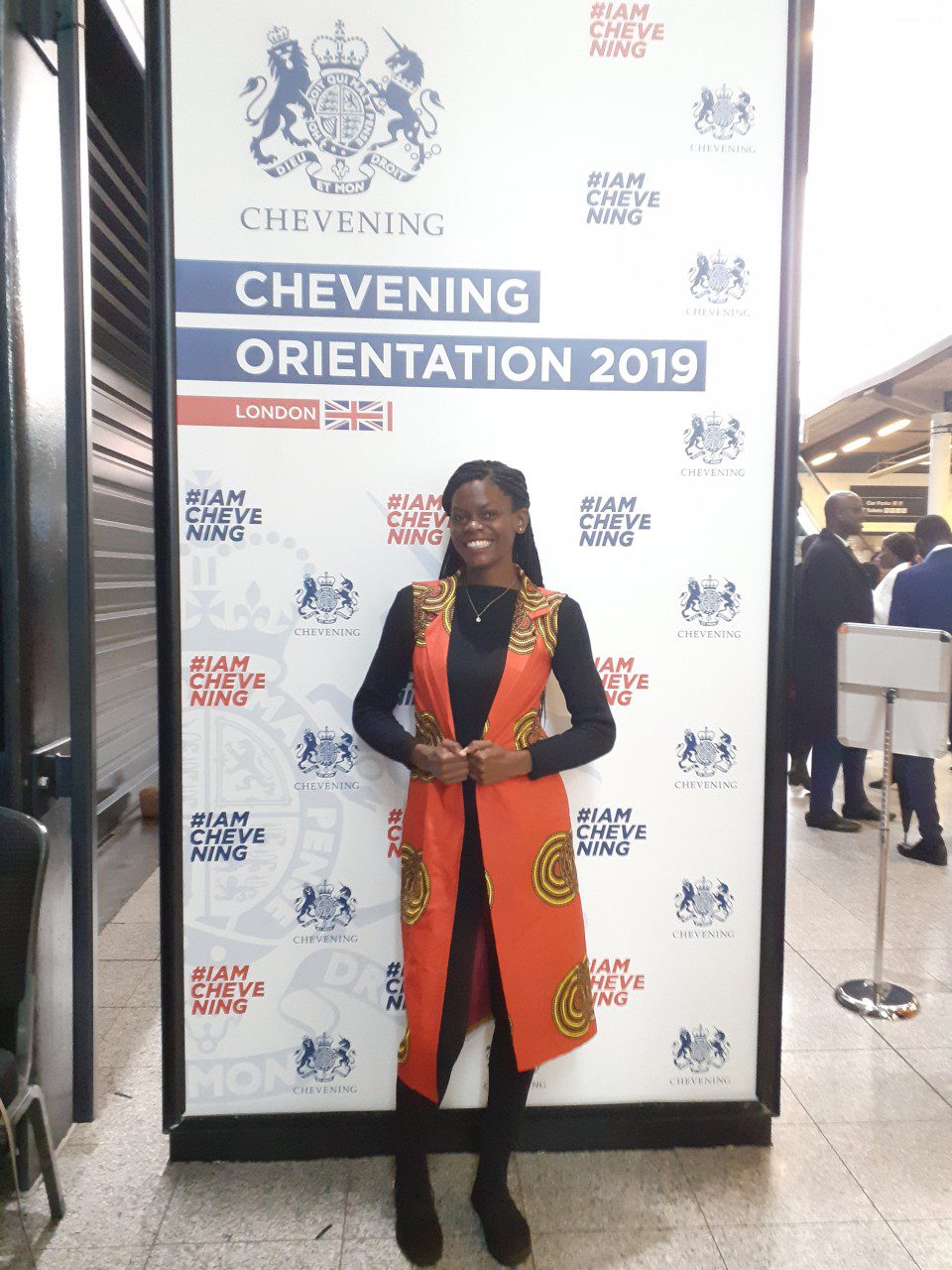
My name is Janet Mtali, and I am from Malawi. I was awarded the Chevening Scholarship to pursue an MSc in Communication for Development at the University of Reading (UK) from 2019 to 2020. I was one of 13 Malawians who were offered the scholarship that year, and 1735 worldwide.
I got the scholarship on my second attempt. The first time I was shortlisted and made it to the interview stage, but was not selected. I then applied again the following year with more confidence.
I chose the program because it strongly aligned with my career aspirations. With a background in media and a passion for using communication as a tool for impact, I wanted to deepen my understanding of how strategic communication can drive development outcomes, especially in underserved communities.
Chevening Scholarship Details
I received the fully funded Chevening Scholarship, which covered:
- Full tuition fees
- Visa costs
- Return flight ticket
- Arrival and departure allowances
- Monthly living stipend
The total value was approximately £33,000 at the time.
Beyond financial support, Chevening also provided networking opportunities, including formal events, leadership activities, and access to a diverse global network of scholars and UK professionals. One of the activities included HOST UK, where students visit families to learn more about British culture.
Were You Offered any Other Scholarships?
I was awarded the Stanley Howard Hodgkin Scholarship offered by the School of Agriculture Policy and Development (SAPD), where my program was based, to support a 4-week summer placement at the end of my MSc program. Unfortunately, I was unable to participate due to COVID-19 restrictions.
Educational Background
I hold a Bachelor of Education (majoring in English) from the University of Malawi, where I graduated with a GPA of 2.8.
One encouraging aspect of Chevening is that it does not strictly require a 3.0 or 3.5 GPA and above, unlike many other scholarships. What matters most is that your academic performance qualifies you for admission to a UK university and that you demonstrate leadership potential and impact in your community.
Although my undergraduate degree focused on English, I wanted to specialize further in communication. The MSc in Communication for Development was a natural progression and helped me transition more strategically into the development communication space.
How Did You Prepare to Apply to the University of Reading?
How Did You Find Information About the Chevening Scholarship and the University of Reading?
I used platforms such as MastersPortal.com to research programs and scholarships. I created a list of target universities and tracked entry requirements, required documents, and application deadlines.
Standardized Tests
At the time, Chevening required IELTS, so I took the IELTS exam. However, this English Language requirement has since been removed. Applicants now only need to meet the English language requirements of their chosen university.
How Did You Prepare to Apply to the Chevening Scholarship?
I was intentional and strategic in my preparation. Some of the things I did included;
- Attending seminars and writing workshops (both online and in-person) hosted by alumni and international students.
- Watching YouTube videos and reading blogs from scholarship recipients.
- Studying sample essays to understand how to structure strong responses.
- Having multiple people review my essays.
- Practicing mock interviews extensively with a couple of my friends.
I was not afraid to ask for help.
Additionally, I actively engaged in volunteering (such as volunteering in secondary schools through mentorship sessions for young people) and professional bodies related to my field of interest. Preparing for a scholarship sometimes means intentionally building the profile of the person who will be awarded that opportunity. I ensured my experiences reflected leadership, initiative, and community impact outside of my job.
How was Your Experience at the University of Reading?
My time at the University of Reading was enriching. The university provided strong support for international students.
Coming from a media background and transitioning into a program heavily focused on International Development, including modules in economics, was challenging at first. However, with access to academic resources, supportive faculty, and a personal tutor, I was able to adapt well. I graduated with a Distinction, which was a proud achievement.
In addition to that, the University had exciting extra-curricular activities, such as opportunities to volunteer through the Students in Schools Program, which I participated in, as well as activities to help students develop career skills like the Reading Employability Award.
I also enjoyed the diverse community of international students, which made my stay exciting, and I also made amazing friends from many countries.
What Did You Pursue After the Scholarship? (Work, Further Study, Research or Something Else?)
After completing my studies, I returned to Malawi and continued working in media and communications, including within the development sector.
Three years after graduating, I was appointed National Director of TWR Malawi, a nationwide non-profit media house. My master’s studies significantly contributed to my leadership capacity and ability to take on this role.
What Do You Think Made Your Application Stand Out?
I had a clear career plan and articulated how my studies would contribute to my country’s development.
Chevening prioritizes leadership and impact over grades alone. I demonstrated tangible impact from my previous work, leadership roles I had taken on, and a clear plan for amplifying my impact after graduation
I showed that I was already creating change, and that the scholarship would help me increase that impact.
What Would You Have Done Differently if You Were Going Through the Process Again?
If I were to go through the process again, I would start even earlier and document my achievements more intentionally. Keeping track of measurable impact makes writing strong essays much easier.
What Advice Would You Give Those Looking to Apply for a Similar Scholarship?
Do not underestimate your impact. No experience is too small. This includes internships and volunteering.
Quantify your achievements wherever possible, such as the number of people you have reached, programs implemented, partnerships built, funds mobilized, or initiatives led.
Remember, Chevening is not just about academic excellence. It is about leadership, influence, and your ability to connect with others.
Engage in volunteering, join professional bodies, take initiative in your workplace, and position yourself as someone who creates solutions, not just someone who participates.
Want to submit your
scholarship journey?
Submit Your Story Here!
More Scholarship Recipients

My name is Hajiyev Sarkhan, and I am from Shemkir, Azerbaijan. My academic journey has been shaped by a strong belief that e .... Read more

My name is Nainsi Chauhan, and I am from Mumbai, India. I was born into an economically weak family and raised in an orthodo .... Read more
My name is Swaleha J. Khowaja, and I am from Karachi, Pakistan. I am currently pursuing the MSc in Global Mental Health, a j .... Read more
Leave A Comment