
Erasmus Mundus MER2030 Graduate Heloise Gilbert from France Shares Her Journey of Studying Marine Environment and Resources Across Portugal, Spain, Belgium, and Scotland
University: University of the Azores (Portugal) / University of the Basque Country (Spain) / University of Liège (Belgium) / University of Aberdeen (Scotland)
Degree: Erasmus Mundus Joint Master’s – Marine Environment and Resources (MER2030)
Previous Education:
– BSc in Life Sciences, University of Pau et des Pays de l’Adour & University of La Rochelle, France
Scholarship: Erasmus Mundus Scholarship – Fully Funded
Social Media
The Journey
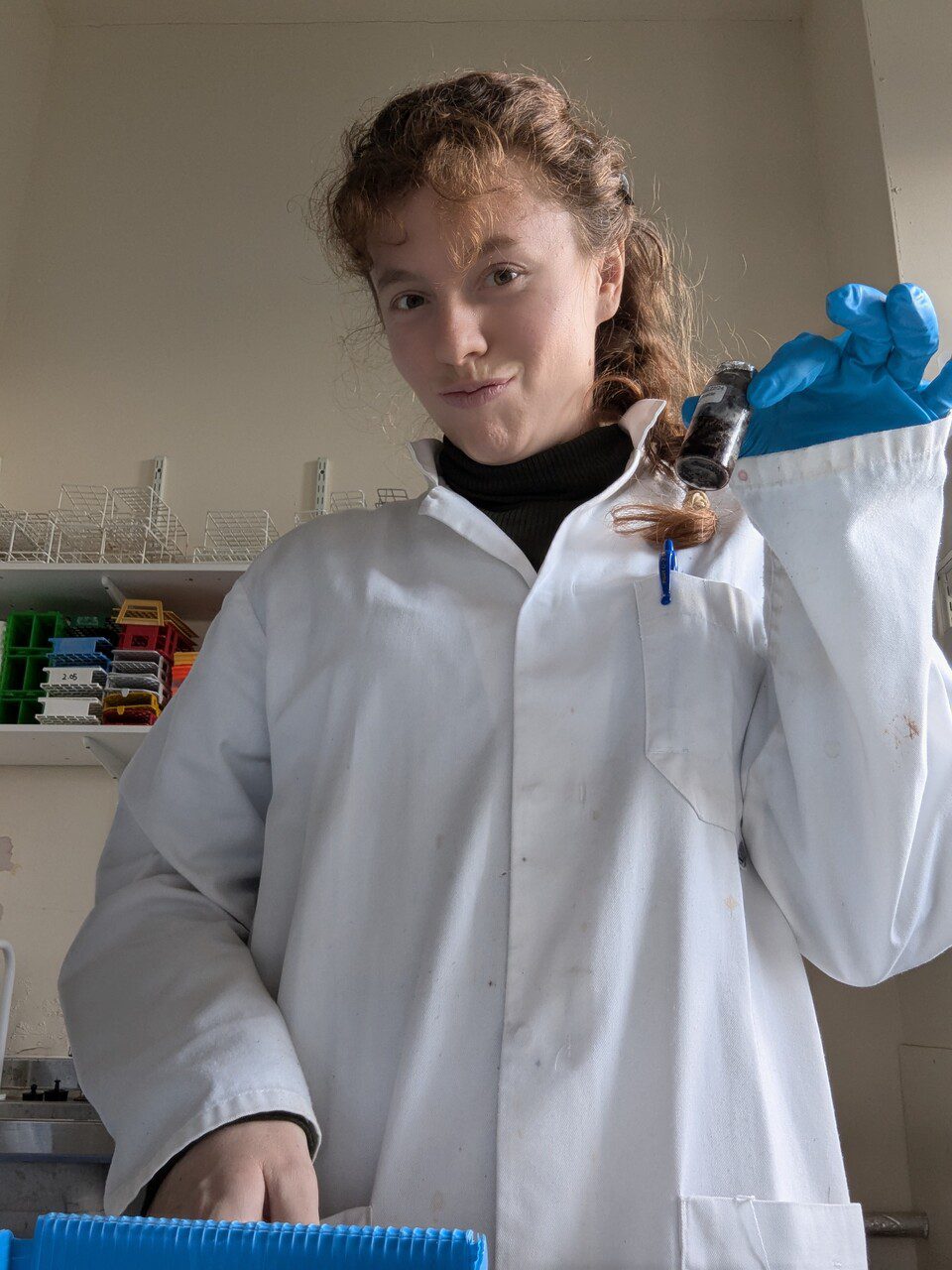
Hi, my name is Heloise Gilbert. I recently graduated with a master’s degree in marine science from the Erasmus Mundus Joint Master’s program in Marine Environment and Resources (MER2030).
I have been passionate about marine science from a very young age. Growing up next to the ocean, I always felt a strong connection to it, which naturally led me to pursue a career in marine biology. After high school, I completed a bachelor’s degree in Life Sciences at the University of Pau et des Pays de L’Adour. With a clear goal of specializing in marine sciences, I finished my bachelor’s studies at the University of La Rochelle, where I took courses focused on marine ecology.
Following my bachelor’s degree, I joined the Erasmus Mundus Master’s program in Marine Environment and Resources. This unique program allowed me to study across four universities in different countries: the University of the Azores (Portugal), the University of the Basque Country (Spain), the University of Liège (Belgium), and finally at the University of Aberdeen (Scotland), where I completed my Master’s thesis.
This international academic journey not only strengthened my scientific knowledge in marine ecology and environmental sciences but also taught me how to adapt to different academic systems, work in multicultural environments, and approach marine conservation from a global perspective.
Educational Background
Before joining the Erasmus Mundus program, I had a background in life sciences and biology. During my bachelor’s degree, I developed a strong interest in marine ecology and realized that I wanted to broaden my knowledge across all fields related to the marine environment, from ecology to conservation and resource management.
To be honest, I did not do extensive preparation before starting the program. This experience was a very big step for me personally. I had not travelled much before, and it was the first time I took a flight on my own and had to figure out how to live and study in a different country by myself. It was both exciting and intimidating.
However, moving from one country to another throughout the program gradually made things easier. With each new destination, I became more confident, more adaptable, and more comfortable navigating new academic systems, cultures, and daily life abroad. This progression was an important part of my personal growth and helped me fully benefit from the multi-country experience.
How Did You Prepare to Apply to the Institutions?
To prepare my application, I focused on presenting a coherent academic path and a clear long-term goal in marine science and conservation. During my bachelor’s degree, I deliberately chose courses related to marine ecology and environmental sciences to strengthen my foundation in the field. I also worked on clearly explaining, in my motivation letter, how each step of my studies was leading me toward specialization in marine environments.
I researched the Erasmus Mundus program carefully to understand its structure, partner universities, and objectives. This allowed me to show that my application was not generic, but specifically tailored to this program and fully aligned with its international and academic vision.
How Did You Prepare to Apply for the Erasmus Mundus Scholarship?
I fully funded my studies myself throughout my academic journey, so obtaining a scholarship was extremely important for me. I specifically targeted the Erasmus Mundus Master’s degree because it combines academic excellence with multicultural mobility across countries. The opportunity to study in several universities, meet people from all over the world, and build an international network in marine science was exactly what I was looking for.
I did not apply for many different types of scholarships. Instead, I applied to approximately four Erasmus Mundus programs related to marine science and toxicology under the same scholarship scheme. Erasmus Mundus stood out to me because of its unique structure and its strong support for international students.
How Competitive Was It, and What Do You Think Made Your Application Stand Out?
The Erasmus Mundus scholarship is extremely competitive. In the program I joined, the scholarship was awarded to only one European student, with most grants going to non-European candidates. It is a remarkable initiative that attracts talented students from all over the world to study in Europe.
Out of the four programs I applied to, I was rejected by two, accepted without a scholarship by one, and awarded the scholarship for this program. This shows how competitive and selective the process is.
I believe what made my application stand out was not a single element, but my overall journey. I have had to work hard to fund my studies on my own, and this reflects my determination, motivation, and commitment to my field. Growing up near the ocean and progressively shaping my studies toward marine ecology demonstrated a genuine, long-term dedication. I was able to explain not only what I studied, but why I made those choices.
I also think that my willingness to step out of my comfort zone, along with my dual French and British background, showed that I was well-suited for an international, multicultural program like Erasmus Mundus.
Could You Briefly Discuss the Erasmus Mundus Program You Pursued and the Specific Field of Study It Focused On?
The Erasmus Mundus program I pursued was the Master's in Marine Environment and Resources (MER2030), a multidisciplinary master’s degree focused on marine science, marine ecology, and the sustainable management of marine resources.
Throughout the program, I followed specialized courses that deepened my understanding of anthropogenic impacts on the marine environment, particularly in the areas of pollution and marine toxicology. This allowed me to combine my strong interest in marine biology with a more applied perspective on how human activities affect marine ecosystems.
In addition to the academic coursework, I completed several internships and volunteer experiences during the program. These opportunities helped me develop practical laboratory skills as well as communication skills, particularly in explaining scientific concepts and working within diverse teams.
Overall, the program allowed me to further specialize in marine biology while integrating a strong component of environmental toxicology and human impact on marine ecosystems.
What Did You Pursue After the Scholarship? (Work, Further Study, Research, or Something Else?)
I graduated in September 2025, and since then, I have been pursuing opportunities to continue my career in research. I am currently looking for a PhD position focused on marine mammals, particularly in the areas of toxicology and the anthropogenic impacts on marine mammals.
I am especially interested in projects that combine scientific research with a focus on conservation, as protecting marine mammals is vital for maintaining healthy ecosystems. While I am also interested in policy aspects, my main goal is to contribute to the preservation and understanding of these species through research-based approaches.
How Did the Cost of Living Vary Across the Countries You Studied in? Which Country Was the Most Affordable or Expensive, and How Did You Manage Financially?
The cost of living varied a lot across the countries I studied. The northern countries, especially Scotland, where I did my master’s thesis, were the most expensive. Getting the scholarship in euros while everything was in pounds really highlighted the difference.
The southern countries, like the Azores, were much more affordable, with lower costs for housing, food, and daily life. Being on my own financially before the scholarship meant I had to be careful with spending, but the Erasmus Mundus grant made it possible to focus on my studies and move between countries without too much stress.
Did You Face Any Language Barriers, and if So, How Did You Overcome Them? Did the Language of Instruction Change from One Country to Another?
Yes, I did face language barriers, especially in Spain and the Azores. I did not speak the local languages, and many people there did not speak English. I have never been very strong with languages, so it was challenging at first.
To overcome this, I focused on learning the basics of the local language, which helped me in everyday situations. The universities also provided language lessons, such as Spanish classes, which were extremely helpful for both academic and social interactions. Overall, while the language of instruction was mostly in English, adapting to local languages was an important part of living and studying in different countries.
Would You Recommend the Erasmus Mundus Program to Others? What Advice Would You Give to Someone Considering This Scholarship?
I would recommend the Erasmus Mundus program 100%. I learned so much not only academically, but also about life in general. These two years have been the most important for my personal growth. I had the chance to meet people from all over the world who became like family to me and will remain so forever.
Before this program, I often felt like an outsider in France, but during Erasmus Mundus, I was able to truly thrive. I gained confidence, expanded my knowledge, and developed skills that will stay with me for life. One particularly inspiring moment was meeting my master’s thesis supervisor during Women in Science Day in Spain. Her research immediately captured my interest, and working with her during my thesis solidified my desire to pursue a career in marine mammal ecotoxicology and research.
My advice to anyone considering this scholarship is to embrace the challenge fully. Be open to new experiences, step out of your comfort zone, and take advantage of every opportunity to learn both academically and personally. It is an intense journey, but the growth and connections you gain make it absolutely worth it.
Looking Back, Would You Have Done Anything Differently During Your Time in the Program?
Looking back, I wouldn’t change anything about my time in the program. If anything, I might have focused a little too much on gaining knowledge and doing internships, especially during the summers. I could have allowed myself more time to travel and enjoy the experience. But overall, I have no regrets. The program was incredible, and I gained so much both academically and personally.
Want to submit your
scholarship journey?
Submit Your Story Here!
More Scholarship Recipients
Hi! My name is Banu, and I come from Kazakhstan. I was born and raised there, and upon high school graduation, I decided to .... Read more
Hello! My name is Yumna Arif, and I am from Pakistan. I hold a PhD in Business and Management from Warwick Business School, .... Read more
I am Vishnu Vardhan. I hail from the Telangana state of India. I hold a bachelor’s degree in electrical and electronics en .... Read more
Leave A Comment