
Erasmus Mundus Scholar, Harsimran Kaur from India, Shares Her Journey of Pursuing an MSc in Work, Organization, and Personnel Psychology at the University of Valencia, Spain
University: University of Valencia (Coordinating Institution), Spain / University of Coimbra, Portugal
Degree: Master of Science in Work, Organization, and Personnel Psychology
Previous Education: Bachelor’s in Psychology – University of Delhi, India
Scholarship: Erasmus Mundus Scholarship – Fully Funded (~€42,000; covers tuition, stipend, and mobility costs)
Other Offered Scholarships: Erasmus Mundus – Global Minds (Partial scholarship of €18,000)
Social Media
The Journey
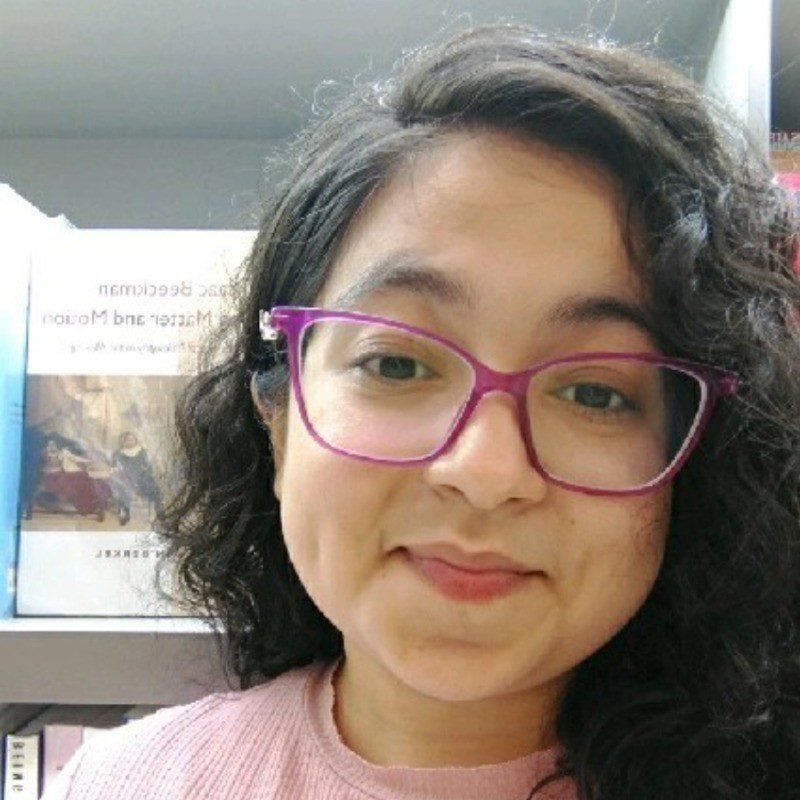
My name is Harsimran Kaur, and I am a 23-year-old student from Jalandhar, Punjab, India. I completed my Bachelor’s degree in Psychology from the University of Delhi in 2024.
The majority of my academic training has taken place in India. My only formal international academic exposure prior to Erasmus Mundus was a two-month research stay in Paris, France, which I undertook during my Charpak research period. This experience, though brief, offered valuable insight into international research environments and collaboration. I am currently pursuing the Erasmus Mundus Master’s programme in Work, Organization, and Personnel Psychology.
Educational Background
Prior to joining the Erasmus Mundus programme, my academic education was entirely based in India, with schooling in Jalandhar and undergraduate studies in Delhi. While Erasmus Mundus offers a multi-country structure, I do not view prior physical mobility as the sole, or even primary, indicator of readiness for such an experience.
Instead, my preparation came through extensive international academic collaboration conducted remotely. I worked closely with research laboratories and scholars based at institutions such as the University of Georgia and Yale University. These collaborations required cross-cultural communication, independent work, and adaptability, demonstrating that effective international engagement is possible even without long-term physical relocation. This experience prepared me well for working in diverse academic environments.
How Did You Prepare to Apply for the Erasmus Mundus Scholarship?
In preparation for applying to Erasmus Mundus, I invested significant time in understanding the values, expectations, and selection criteria of the programme consortia. I closely studied the profiles and application materials of previous Erasmus Mundus scholars, which helped me identify patterns in what the programmes prioritized.
I applied to multiple scholarships, including Chevening and Erasmus Mundus, and was admitted, with funding, to two Erasmus Mundus programmes: Global Minds and Work, Organization, and Personnel Psychology. I ultimately chose the latter because it aligned more closely with my long-term academic and professional interests.
Erasmus Mundus scholarships are highly competitive, often attracting several hundred applicants for a limited number of funded positions (10 worldwide in my case). I believe my application stood out due to a strong alignment between my academic trajectory and the programme’s focus, as well as my prior research experience and publications, which are central to many Erasmus consortia.
Were You Offered any Other Scholarships?
Yes, I was offered the following scholarships:
- Erasmus Mundus – Global Minds: Partial scholarship of €18,000
- Erasmus Mundus – Work, Organization, and Personnel Psychology: Full scholarship of approximately €42,000 (accepted)
Both scholarships were awarded under Erasmus Mundus programmes.
Could You Briefly Discuss the Erasmus Mundus Program You Pursued and the Specific Field of Study It Focused On?
I am currently pursuing a Master of Science in Work, Organization, and Personnel Psychology. The coordinating institution of the programme is the University of Valencia, where I am presently based.
The programme is designed to provide strong preparation for both academic research and industry-oriented careers. Given my background, which includes experience in both research and applied settings, this dual focus was particularly important to me.
Following my period in Valencia, I will continue my studies at the University of Coimbra for six months. The programme also allows flexibility in choosing an internship location globally, which further supports individualized career development.
How Did the Cost of Living Vary Across the Countries You Studied In? Which Country Was the Most Affordable or Expensive, and How Did You Manage Financially?
As a non-European student, financial considerations were an important factor. The Erasmus Mundus stipend is generous, and before arriving in Valencia, I planned both my monthly expenses and savings carefully.
Valencia is relatively affordable, particularly if housing is arranged well in advance. While rent can vary significantly, other expenses such as groceries and public transportation are reasonably priced. From what I understand, Coimbra is even more affordable than Valencia.
Overall, with careful planning, especially regarding accommodation, the stipend is sufficient to live comfortably and manage finances responsibly.
Did You Face Any Language Barriers, and if So, How Did You Overcome Them? Did the Language of Instruction Change from One Country to Another?
The language of instruction for the entire MSc programme is English, so there are no academic language barriers. Prior to arriving in Valencia, students receive introductory Spanish training to manage daily life more easily.
Additionally, the University of Valencia offers extensive opportunities to learn Spanish at subsidized rates for students, making language acquisition both accessible and encouraged.
Would You Recommend the Erasmus Mundus Program to Others? What Advice Would You Give to Someone Considering This Scholarship?
I would strongly recommend the Erasmus Mundus programme to prospective applicants. It is a unique opportunity that can be genuinely transformative.
My primary advice is not to self-reject. Many applicants underestimate their suitability. It is essential to thoroughly study the programme website and, if possible, speak with current or former scholars to understand what the consortium values.
Successful applications are often less about appearing exceptional in isolation and more about demonstrating alignment with what the programme offers. Strong academic performance, research experience, industry exposure, language skills, and technical competencies are all valuable, but coherence and focus matter just as much. Applicants should ensure that their past work and future goals align clearly with the programme’s thematic strengths.
Looking Back, Would You Have Done Anything Differently During Your Time in the Program?
Looking back, I would not do anything differently. Each step of the process contributed meaningfully to where I am now, and the outcomes aligned well with my goals.
Want to submit your
scholarship journey?
Submit Your Story Here!
More Scholarship Recipients
Hi! My name is Davi Augusto Mattoso, and I am originally from Brazil. I have a Bachelor's in Chemistry from the Federal Univ .... Read more

Hello, my name is Manasi, and I am from India. I completed my Bachelor’s degree in Civil Engineering from Dr. Babasaheb Am .... Read more
Hi, I am Malik Nauman Rauf, currently a Master's in Aerospace Engineering student and a Fulbright Scholar at Georgia Institu .... Read more
Leave A Comment