
PhD Telecommunications Engineering Student Federica Gatti from Italy Shares Her Journey of Securing a Fully Funded PhD at ISCTE – University Institute of Lisbon, Portugal
University: ISCTE – University Institute of Lisbon
Degree: PhD in Telecommunications Engineering (Marie Skłodowska-Curie Doctoral Network)
Previous Education: Master’s in Physics Engineering (Photonics and Nano-Optics), Politecnico di Milano
Scholarship: Marie Skłodowska-Curie Doctoral Network (NESTOR) Fellowship – Full Funding (Salary, Research, Training, Mobility Support)
Social Media
LinkedIn: linkedin.com/in/federica-gatti/
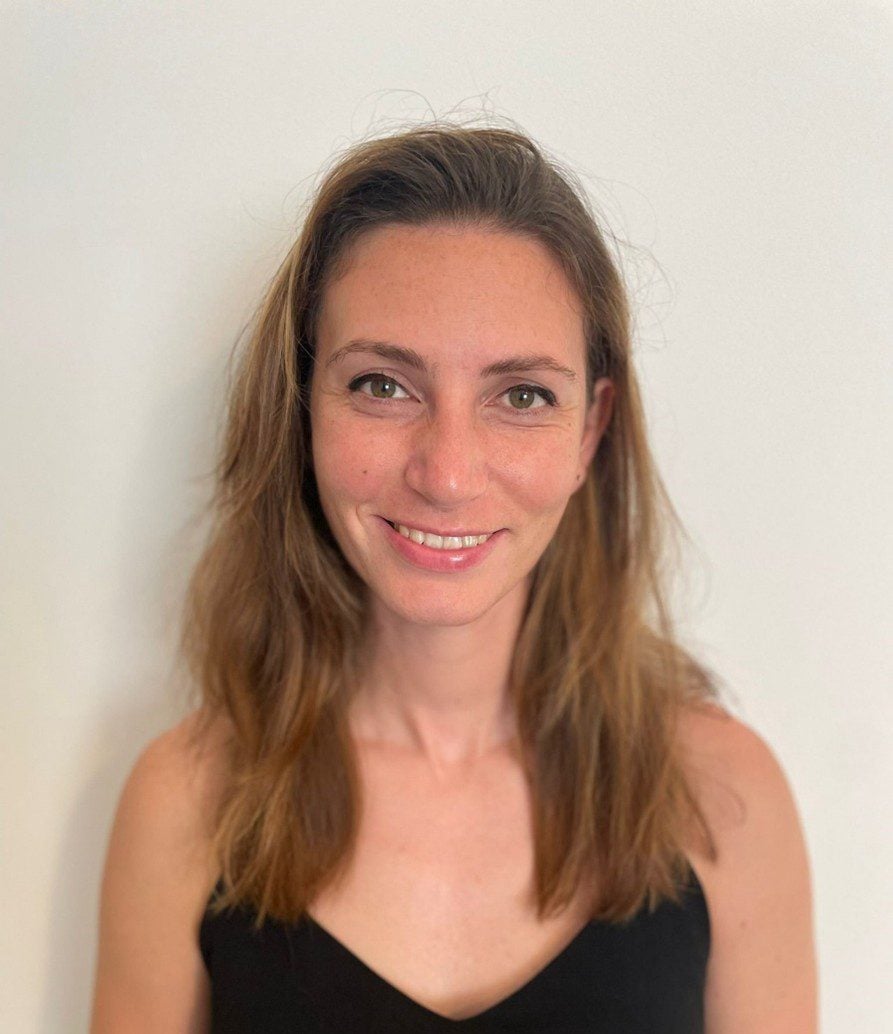
The Journey
My name is Federica Gatti, and I am originally from Italy. I completed my Master’s degree in Physics Engineering at Politecnico di Milano in 2020, specializing in Photonics and Nano-Optics. I am currently a Marie Skłodowska-Curie Doctoral Candidate / PhD fellow within the NESTOR Doctoral Network, carrying out my research in the field of telecommunications engineering between Nokia and ISCTE University Institute.
Before starting my PhD, I worked for three years in the telecom R&D sector. That experience played a crucial role in shaping my academic and professional path: I discovered how much I enjoyed the field, and the inspiring people I met during those years motivated me to deepen my expertise through doctoral research.
Marie Skłodowska-Curie Doctoral Network Details
I was awarded a Marie Skłodowska‑Curie Doctoral Network Fellowship within the NESTOR Doctoral Network, funded by the European Union’s Horizon Europe programme. My PhD follows an industrial‑academic model: I am employed by Nokia, which hosts my research activities, while ISCTE – University Institute of Lisbon serves as my academic institution. My academic supervisor is based at ISCTE, and my co‑supervisor & industrial mentor is at Nokia, allowing me to work at the intersection of cutting‑edge industry research and academic training. It is a fully funded PhD fellowship that supports my research, training, and mobility throughout the duration of the doctoral project.
Educational Background
I completed my Master’s degree in Physics Engineering at Politecnico di Milano, specializing in Photonics and Nano‑Optics. This program provided me with a strong foundation in advanced physics, mathematics, and engineering principles, as well as hands‑on experience in optical technologies and nanostructures. During my Master’s studies, I also took some courses focused on optical components used in telecommunications, which sparked my initial interest in the field.
As part of my thesis work, I began developing practical laboratory skills, particularly in optical setups and experimental characterization. These skills grew significantly during the three years I later spent working in telecom R&D, where I was involved in hardware‑related activities within an optical laboratory environment. This combination of academic training and real‑world laboratory experience strengthened my technical confidence and deepened my understanding of optical systems.
My academic background made the shift toward telecommunications both natural and exciting. The interdisciplinary nature of my degree allowed me to bridge concepts from photonics, signal processing, and network technologies, skills that became even more relevant during my three years working in telecom R&D. This experience ultimately strengthened my motivation to pursue a PhD in this field.
How Did You Prepare to Apply to ISCTE – University Institute of Lisbon?
I discovered the opportunity through the company’s official career website, where the position was advertised as part of the NESTOR Doctoral Network. The research topics matched very closely with the work I was already doing in my previous job, and the project immediately caught my interest. The combination of an industrial research environment and an academic PhD programme was exactly what I was looking for. Accepting the position meant relocating to Lisbon, where I am now based for the duration of my doctoral project.
I did not take standardized tests such as the GRE or IELTS, as they were not required for this program. I had previously completed the TOEIC exam, and all interviews for the position were conducted entirely in English, which allowed me to demonstrate my language proficiency.
How Did You Prepare to Apply for the Marie Skłodowska-Curie Doctoral Network?
To apply for the position, I started by updating my CV and writing a motivation letter tailored to the project. Since I was already familiar with the company and the telecom sector through my previous job, I had a clear understanding of the company’s research areas and the type of work involved. The selection process included three interviews. For the third one, I was asked to prepare a short technical presentation on a topic of my choice, so I created a talk and reviewed the relevant concepts to be ready for the discussion and the follow‑up questions. This preparation helped me present my background and technical experience clearly and confidently.
How is Your Experience at ISCTE – University Institute of Lisbon?
My experience so far has been extremely positive. At Nokia, I work in a stimulating and highly competent team, where I am learning a great deal every day. The environment is collaborative, technically strong, and very supportive, which makes the research process both challenging and rewarding. I also feel very comfortable at ISCTE. The courses I am taking are helping me deepen the theoretical aspects of the topics I am studying for my PhD, and the academic support I receive is consistent and valuable. The combination of industrial research at Nokia and academic training at ISCTE provides a balanced and enriching experience that is helping me grow both technically and academically. On top of that, we have a variety of NESTOR wide-training events organised by the consortium partners for the cohort of DCs/PhD students, and later in the project, I will complete a secondment programme at Politecnico di Torino (POLITO).
How Do You Rate ISCTE – University Institute of Lisbon Academically?
Both Nokia and ISCTE provide a welcoming and supportive environment for international students. ISCTE also offers a supportive academic environment for international students. The administrative processes and communication are clear and accessible, and all the courses I attend are taught in English, which makes it easy to follow the material and fully participate in the programme
Would Potential Students Have Any Problems Not Knowing Portuguese?
No. Several of my colleagues do not speak Portuguese, and they have not encountered any academic difficulties. The programme is fully conducted in English, and both the university and the workplace provide an international environment where English is the primary language for communication, courses, and research activities.
What Do You Think Made Your Application Stand Out?
My application stood out because my background aligned with the technical requirements of the project. I had hands‑on experience in an optical laboratory working with the same types of optical components that I am now studying in my PhD, as well as several years of experience in the telecommunications sector. This combination of practical laboratory skills, industry experience, and the specific technical knowledge I gained during my Master’s courses made my profile particularly relevant. I also believe that my strong communication and presentation skills contributed positively to the selection process. The technical presentation I prepared for the interview went well, and I felt confident discussing the topic and answering questions. Finally, my motivation to pursue this research direction and to grow both academically and professionally was an important element that I think helped my application stand out.
What Would You Have Done Differently if You Were Going Through the Process Again?
If I were going through the process again, I would spend more time exploring the NESTOR project website in detail. Understanding the structure of the network and the full potential of its collaborations from the beginning would have given me an even clearer picture of the opportunities available within the programme
What Advice Would You Give Those Looking to Apply for a Similar Scholarship?
My advice is not to miss the opportunity. Programmes like this offer an excellent environment to grow both technically and academically, and I truly hope future applicants will find a team as competent and stimulating as the one I found within the NESTOR network.
Want to submit your
scholarship journey?
Submit Your Story Here!
More Scholarship Recipients
Hey, I’m Faizan. I was raised in Dubai, UAE, and I’m originally from Pakistan. Growing up in Dubai, it’s pretty common .... Read more
I am Emmanuel Seun, a Nigerian Biologist with a background in Microbiology and Infection Biology and Control. I focused on m .... Read more

Ekejiuba Emeka is from Awor-Oraifite in Anambra State, Nigeria. He completed his primary and secondary education in his home .... Read more
Leave A Comment