
Marie Skłodowska-Curie Actions (MSCA) and CSC Scholarship Recipient, Dr. M. Amjad Iqbal from Pakistan, Shares His Journey of Advancing in Remote Sensing Research through Ph.D. Studies in Romania and China
University: Nanjing University of Science and Technology (NJUST), China
Degree: Ph.D. in Engineering (Remote Sensing – EU Project EXCELSIOR)
Previous Education: Master’s in Engineering (Information Systems) – NJUST, China, Bachelor’s in Electronics Technology Information – Government College University Faisalabad (GCUF), Pakistan
Scholarship: China Scholarship Council (CSC) Scholarship – Fully Funded (Covers tuition, accommodation, monthly stipend, and research budget for 33 months) || Marie Skłodowska-Curie Actions (MSCA) Fellowship – Fully Funded (Approx. €200,000 total for 36 months, covering tuition, salary, research, mobility, and travel)
Other Offered Scholarships: Tianjin Government Scholarship and Portugal Ministry of Research Funding (PhD offers not pursued)
Social Media
- linkedin.com/in/muhammad-amjad-iqbal-b3396494/
- scholar.google.com/citations?user=uGMgIM4AAAAJ&hl=en
- eratosthenes.org.cy/team/muhammad-amjad-iqbal/
- menelaos-nt.eu/team/
- ceospacetech.pub.ro/index.php/ceospacetech-members
- sdettib.pub.ro/MuhammadAmjadIQBAL2023-12-08.html
- ieeexplore.ieee.org/author/37089413766
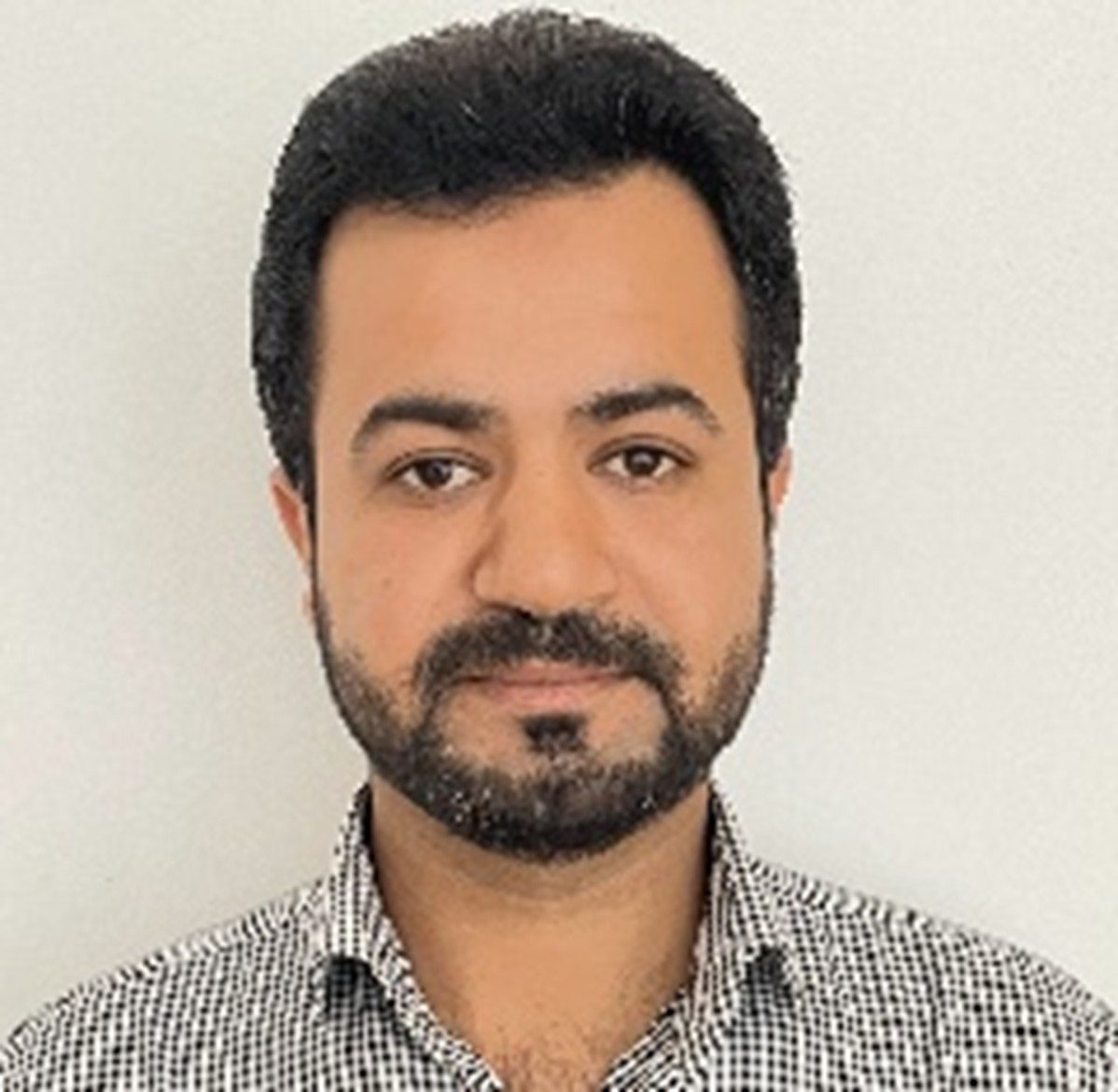
The Journey
I am Dr. M. Amjad Iqbal, a postdoctoral researcher specializing in remote sensing at ECoE, involved in the EU project EXCELSIOR. My educational journey spans multiple countries: I completed my Ph.D. at UPB Romania, my MS at NJUTS China, and my BS at GCUF Pakistan, focusing on Engineering disciplines such as Electrical-Telecom, Information Systems, and Electronics Technology Information. The research experience I gained during my MS in China fueled my passion for advancing in practical fields, particularly in microwave remote sensing and radar imaging.
CSC Scholarship Details
Selected by NJUST China under CSC scholarship for 33 months (September 2017 – July 2020). Financial coverage by CSC included:
- Tuition fee: 110,000 Yuan (44,000 * 2.5)
- Accommodation: 22,500 Yuan (9,000 * 2.5)
- Monthly stipend: 99,000 Yuan (3,000 * 33)
- Research budget: 36,000 Yuan.
Received total funds of 200,000 euros during Ph.D. under Marie Curie (MSCA) for 36 months, covering tuition, salary, research, mobility, and trips related to deliverables.
Were You Offered any Other Scholarships?
I have been selected for the Tianjin scholarship and the Portugal ministry of Research funding for my Ph.D. However, due to COVID-19, I was unable to return to China, and the application process for Portugal took too long. As a result, I decided to pursue the MSCA (Marie Skłodowska-Curie Actions) opportunity.
Educational Background
My educational journey includes a Bachelor's degree (BS) with a GPA of 3.5/4.0, a Master's degree (MS) with a GPA of 3.55/4.0, and a Ph.D. with a GPA of 3.80/4.0. These qualifications align with the admission criteria for the Master of Science in Computer Applications (MSCA), which requires a minimum GPA of 3.5. I was fortunate to meet this requirement and be listed for consideration.
How Did You Prepare to Apply to Institutions?
I have been contacting professors in my area of interest, and one of them recommended me for the MSCA position.
How Did You Find Information About Scholarships and Institutions?
I am actively searching for the best and most suitable opportunities, which have enabled me to discover numerous scholarships. After careful consideration, I decided to apply for a few and ultimately secured the best one.
Did You Take Any Standardized Tests? If So, How Did You Prepare for Them?
Since my educational background was in English, the letter from my university sufficed for applying to these scholarships, primarily as I applied to non-English speaking countries where this requirement was waived. I did not take any tests for either the CSC or MSCA applications.
How Did You Prepare to Apply for the Scholarships?
Firstly, I focus on identifying one or two specific research interest areas before exploring related opportunities and establishing contact with a host supervisor. If I find a supervisor whose profile aligns with my educational background, I adjust my research plans accordingly. Once the professor agrees, we then select a scholarship, such as the CSC or MSCA
How is (was) Your Experience at Nanjing University of Science and Technology?
I have a strong preference for China as my primary goal is to settle there. This is motivated by several factors, including the high quality of life, advanced technology, a rich research culture, and numerous opportunities for growth in both academia and industry. I am still applying in China for a professional career.
How Do You Rate Nanjing University of Science and Technology Academically and Why?
China is rated 9/10 for its academia, indicating a high level of adjustment ease compared to EU universities, which are rated 7/10. This suggests that integrating into academic life in China is perceived as less challenging than in Romania and other EU institutions.
How Does Nanjing University of Science and Technology Support International Students?
SIE in Chinese universities offers significant benefits for students, including ease of access to resources, ongoing support, and organized trips, which are highlighted as some of the best features of these institutions.
Are Your Classes Conducted in English or Chinese?
Mostly in English since the selected program was in English.
Would Potential Students Have Any Problems Academically Not Knowing Chinese?
Chinese universities require students to take mandatory basic courses in the Chinese language. This initiative aims to foster interest in learning the language and to facilitate academic and social success for students.
What Do You Think Made Your Application Stand Out?
When applying for a program, it is important to ensure that one's background, research, and skills align closely with the job descriptions provided. This alignment enhances the likelihood of a successful application and demonstrates the candidate's suitability for the program.
What Would You Have Done Differently if You Were Going Through the Process Again?
Considering the immigration challenges faced by individuals from Pakistan, there is a particular interest in identifying countries that offer protection for highly skilled talent through mechanisms such as permanent residency or long-term residence. This focus emphasizes the importance of supportive immigration policies for skilled professionals seeking to relocate.
What Advice Would You Give Those Looking to Apply for a Similar Scholarship?
- Do not send an application unless your CV, cover letter, and research objectives are well aligned with the Ph.D. description or match the supervisor.
- Use the country or the given format while applying.
- Update CV with all keywords that are related to the position and research background of the program applied for.
- Do not use GPT and AI.
- Keep short but meaningful emails for communication with the supervisor
- During the interview, present what you know perfectly, and don’t say anything wrong; rather, say, “I don’t know about it, but I would like to know ahead.”
Want to submit your
scholarship journey?
Submit Your Story Here!
More Scholarship Recipients

My name is Hajiyev Sarkhan, and I am from Shemkir, Azerbaijan. My academic journey has been shaped by a strong belief that e .... Read more

My name is Nainsi Chauhan, and I am from Mumbai, India. I was born into an economically weak family and raised in an orthodo .... Read more
My name is Swaleha J. Khowaja, and I am from Karachi, Pakistan. I am currently pursuing the MSc in Global Mental Health, a j .... Read more
Leave A Comment