
Swiss Government Excellence Scholarships 2027
Swiss Confederation annually offers the Government Excellence Scholarships to heighten global linkage and research activities of universities in the country. By attracting outstanding individuals across different countries, Swiss universities will be able to cater to passionate students committed to delivering quality outputs and breakthrough ideas. This scholarship highly targets aspiring researchers abroad who seek international experience and practical education that can shape their career paths in the research field.
Swiss Government Excellence Scholarships Coverage
This government partially funded scholarship for international students covers the following:
-
monthly stipend of CHF 1,920 to cover living costs
Swiss Government Excellence Scholarships Eligibility Criteria
To be eligible for Swiss Government Excellence Scholarships, you need to meet the following criteria:
- Born after December 31, 1988
- Bachelor's or Master's degree graduate before July 31, 2024
- Highly qualified students who have not been to Switzerland (for Research Scholarship)
- Excellent young artists without Master's degree (for Art Scholarship)
- Citizens of countries with which Switzerland has a reciprocity agreement (for Art Scholarship)
For detailed requirements, refer to the official eligibility page .
Eligible degree levels
Eligible programmes
Eligible nationalities
Important Notice
Disclaimer
Art Scholarship is only eligible to citizens of the following countries: Austria, Belgium, Bulgaria, Croatia, Cyprus, Czech Republic, Estonia, Finland, Germany, Hungary, Israel, Iceland, Italy, Japan, Latvia, Lithuania, Malta, Netherlands, Poland, Portugal, Romania, Russia, Slovakia, Slovenia, South Korea, United States of America. Applications for Art Scholarship for a second master’s degree are invalid.
How to Apply
In this section, we'll provide a clear general overview of requirements and steps to guide you through the application process for Swiss Government Excellence Scholarships.
To apply for Swiss Government Excellence Scholarships, please follow these steps:
-
Go to the official scholarship website.
-
Select your country of origin to find out the scholarships available and application deadlines for your country.
-
Download the application documents provided.
-
Read the guidelines first and completely fill out the documents.
-
Prepare the needed attachments.
-
Prepare two complete copies of all your application documents.
-
Submit your application to the relevant office suggested on the scholarship website.
Important Note: The application procedures and required documents for Swiss Government Excellence Scholarships may vary depending on your degree, program, nationality and other factors. For specific details regarding the requirements, kindly visit the official website of Swiss Government Excellence Scholarships.
Application Deadlines
Now that you’re familiar with the application procedure, it’s time to know the application dates! Knowing the dates for Swiss Government Excellence Scholarships will help you prepare early and it will also give you the time you need to put together a competitive application.
Application deadlines vary
The application deadlines for Swiss Government Excellence Scholarships vary. It’s important to review official guidelines on the official website or contact administrators for specific deadlines. Make sure to regularly check the Swiss Government Excellence Scholarships page for the latest and most accurate information on application deadlines.
Swiss Government Excellence Scholarships Eligible Institutions
The eligible institutions for Swiss Government Excellence Scholarships are listed below:
U
- Università della Svizzera italiana
- University of Applied Sciences and Arts Northwestern Switzerland
- University of Applied Sciences and Arts of Southern Switzerland
- University of Applied Sciences and Arts of Western Switzerland
- University of Basel
- University of Bern
- University of Fribourg
- University of Geneva
- University of Lausanne
- University of Lucerne
- University of Neuchâtel
- University of St. Gallen
- University of Zurich
Swiss Government Excellence Scholarships Recipients
Meet students who have received Swiss Government Excellence Scholarships and learn how they secured their award.

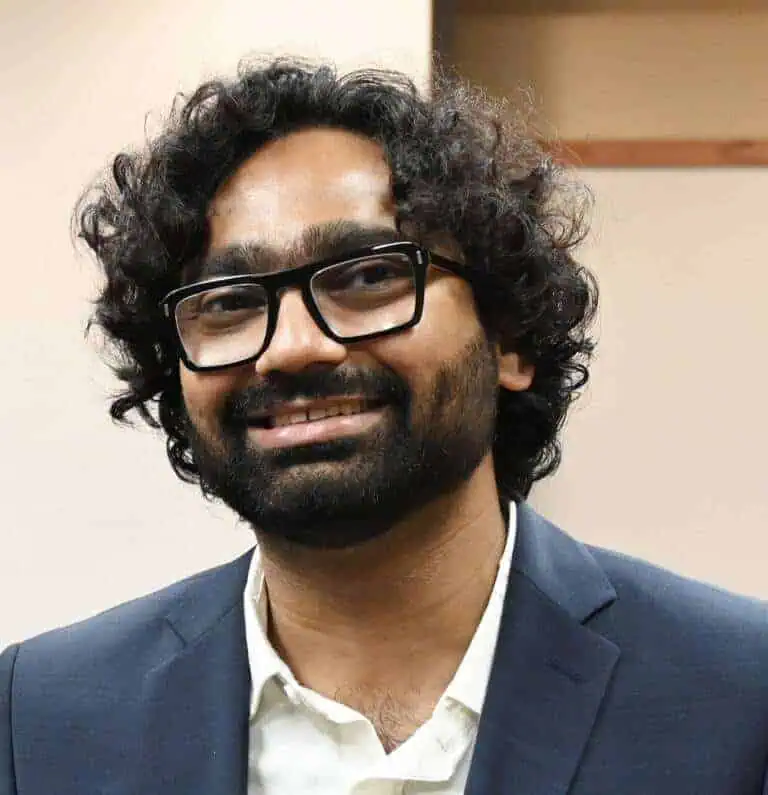
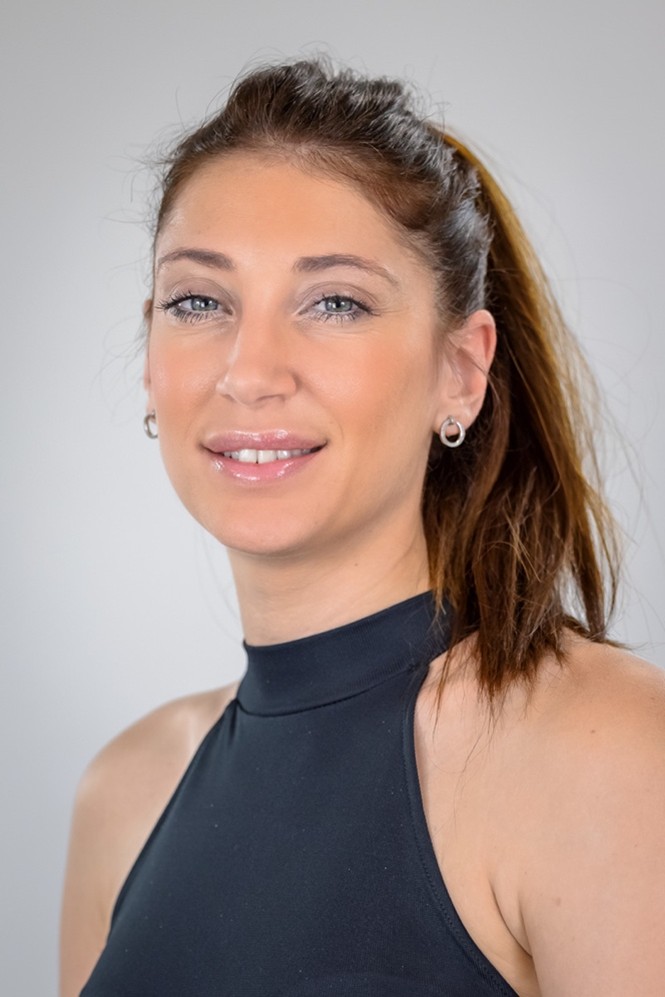

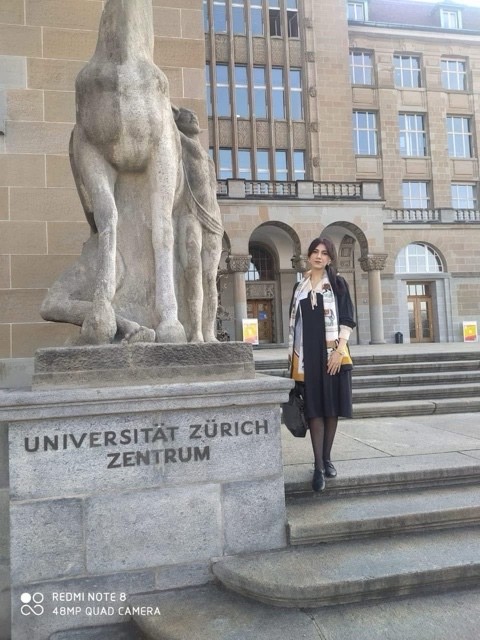
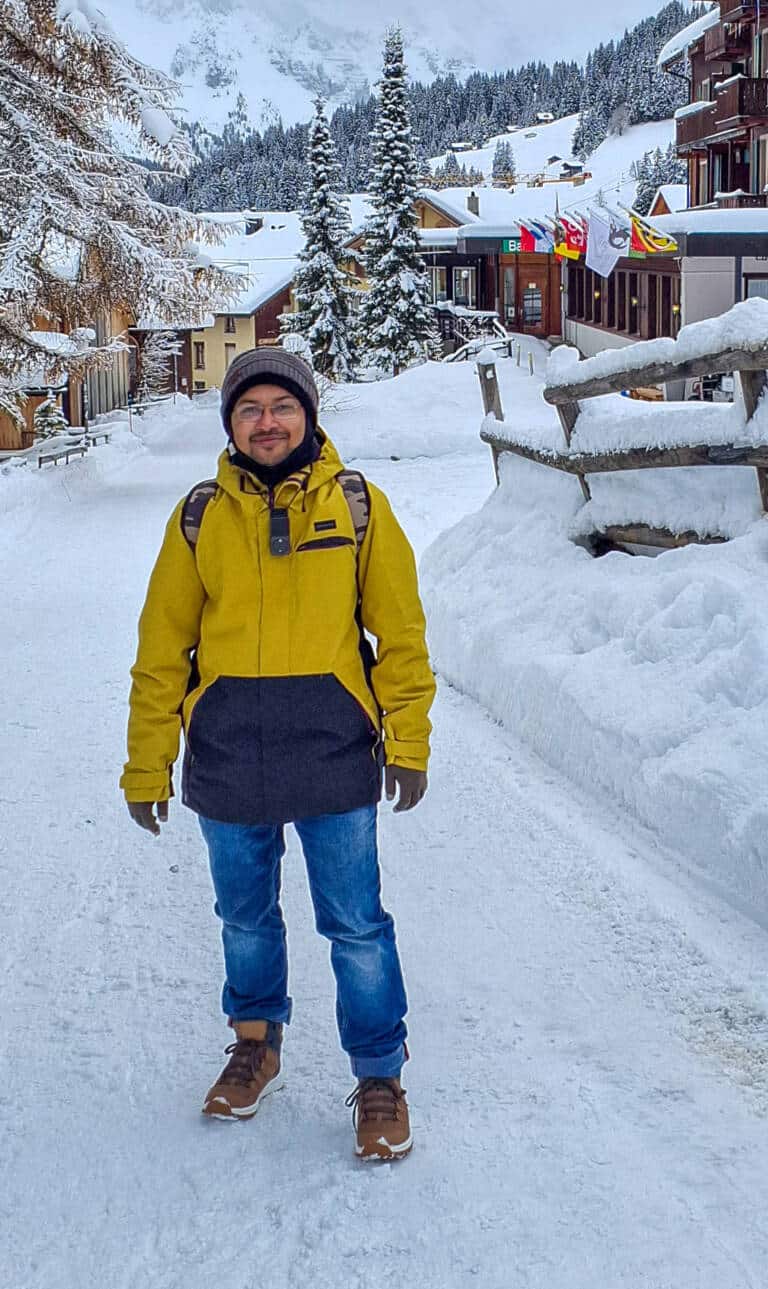
Swiss Government Excellence Scholarship Recipient Insights
Two featured stories describe doctoral degree study supported by the Swiss Government Excellence Scholarships: Katyayani Sharma from India pursued Biochemistry and Molecular Biology at the University of Bern, while Mariano Villalba from Argentina pursued Sciences of Religions at the University of Lausanne. Four further accounts describe postdoctoral or visiting-research awards, presented separately below.
Funding Reported by Recipients
| Recipient and degree/program | Reported coverage |
|---|---|
| Katyayani Sharma — PhD in Biochemistry and Molecular Biology, University of Bern | Described a three-year, full-time scholarship supporting her doctoral studies. |
| Mariano Villalba (2017–2020 scholarship) — PhD in Sciences of Religions, University of Lausanne | CHF 1,920 per month and health-insurance expenses. He described needing careful budgeting because of living costs in Switzerland. |
Examples of Featured Recipients’ Application Backgrounds
| Recipient and degree/program | Scholarship/application route | Reported background and preparation |
|---|---|---|
| Katyayani Sharma — PhD in Biochemistry and Molecular Biology, University of Bern | Doctoral scholarship and research-group selection | Bachelor’s in Genetics and Genomics and MSc in Biochemistry from the University of Lucknow. Graduated first in her MSc class and received the Prof. P. S. Krishnan Gold Medal. Her preparation combined molecular and laboratory skills with research-group selection based on scientific interests, supervisor fit and a supportive working environment. |
| Mariano Villalba (2017–2020 scholarship) — PhD in Sciences of Religions, University of Lausanne | Supervisor-supported doctoral proposal at the University of Lausanne | History degree and teaching qualification from the University of Buenos Aires, followed by a Master’s in Sociology of Culture at the National University of San Martín. Earlier research examined esotericism and political power in late-medieval Spain. Prepared a proposal, academic references, CV and motivation letter, and arranged sworn translations of Spanish-language diplomas and transcripts into French. |
Language of Scholarship-Funded Doctoral Study
Mariano Villalba reported French-taught classes and academic activities at the University of Lausanne. He took intensive French courses during his first year and later wrote and successfully defended his doctoral dissertation in French.
What Recipients Pursued After Their Scholarship-Funded Studies
| Recipient | Scholarship-funded degree/program | Reported outcome or current status |
|---|---|---|
| Katyayani Sharma | PhD in Biochemistry and Molecular Biology, University of Bern | Completed: doctorate in the Translational Hormone Research group, investigating mechanisms involved in castration-resistant prostate cancer. |
| Mariano Villalba (2017–2020 scholarship) | PhD in Sciences of Religions, University of Lausanne | Completed: wrote and successfully defended his doctoral dissertation in French, after developing fluency during his time in Switzerland. |
Postdoctoral and Visiting Research Awards
| Scholar and research award | Reported support | Preparation and later work described in the story |
|---|---|---|
| Debabrata Dutta (2023–2024) — postdoctoral plant-science research at the University of Fribourg | CHF 3,500 per month, a one-time CHF 300 housing-deposit allowance, a one-year half-fare travel card, return-flight coverage and health insurance. | Applied with a PhD in Botany and postdoctoral experience at University College Dublin. Matched his computational-biology skills to a host’s experimental work on plant-hormone transport and refined the proposal with that host. Succeeded on his second attempt after completing his PhD. Current role: postdoctoral researcher at Heriot-Watt University, supported by a Marie Skłodowska-Curie Actions postdoctoral fellowship under the UKRI Guarantee Scheme. |
| Greta Mazzaggio — postdoctoral project on irony processing in older adults at the University of Neuchâtel | A one-year research award; described a CHF 3,500 monthly postdoctoral stipend, housing support and public-transport support. | Brought a PhD in Psychological Sciences and Education and two years of prior postdoctoral work at the University of Florence. Responded to a prospective host’s call and co-developed a project feasible within one year. Said her scholarship application did not require a formal English-proficiency test. Current role: Assistant Professor in Humanities at the University of Florence. |
| Nargiz Hajiyeva (2021–2022) — one-year doctoral research fellowship at the University of St. Gallen | Approximately CHF 2,000 per month for the research fellowship. | Prepared a research proposal on illicit trade related to Karabakh and secured a host support letter. Reported IELTS 8.0 as a supplementary credential in this application context. Later became Head of the Organization of Scientific Activities Unit at Azerbaijan State University of Economics and Co-Director of the Swiss Political Science Association’s Empirical Methods Working Group. Her Doctor of Philosophy in World Economy was separately conferred in Azerbaijan in 2025. |
| Anupam Anand Ojha (2017 fellowship) — one-year research fellowship in quantum dynamics and statistical mechanics at ETH Zürich | Reported $26,317 for one year, covering living support and research expenses. | Entered the Swiss research stay after an integrated BS–MS in Chemistry with a Physics minor. Subsequently pursued a PhD in Theoretical and Computational Biophysics at the University of California, San Diego. In 2024, joined the Flatiron Institute as a Research Fellow, working on multiscale simulation, cryo-EM and machine learning for biomolecular research. |
Research Fellowship Application Timelines
| Scholar and research award | Application or scholarship route | Reported application timeline |
|---|---|---|
| Debabrata Dutta (2023–2024) — postdoctoral plant-science research, University of Fribourg | Host-supported postdoctoral proposal | Began strengthening his research profile in 2019. Applied in 2022 with a proposal on improving growth–defense trade-offs in oil-producing Brassica. Described success on his second application after completing his PhD. |
| Nargiz Hajiyeva (2021–2022) — doctoral research fellowship, University of St. Gallen | Host support and submission through the Swiss Embassy in Baku | Spent roughly two to three months finding a host. Submitted her documents in mid-October 2020, received acceptance in May 2021, and received her visa on August 22, 2021. |
What Swiss Government Excellence Scholars Say
Advice and reflections from scholars about the Swiss Government Excellence application process and programme.
"I was awarded the Swiss Government Excellence Scholarship for Foreign Researchers by the Federal Commission for Scholarships for Foreign Students (FCS) for the period 2017–2020 to pursue a PhD in Sciences of Religions at the University of Lausanne. The scholarship provided a monthly stipend of CHF 1,920 and covered health insurance expenses."
"The scholarship provided an excellent stipend of around 2,000 CHF per month, which was sufficient to cover all my expenses. I was granted a one-year academic vacation from my home institution, Azerbaijan State University of Economics (UNEC), with the full support of the Rector, allowing me to retain my position during my time in Switzerland."
"Finding a suitable host supervisor is crucial and can account for 50% of the work in securing a scholarship. It’s a competitive process, so starting early is essential. For a strong application, customize your research proposal and motivation letter to align with the host institution’s objectives."
"Beyond crafting a strong academic proposal, my advice is to fully embrace the experience the scholarship offers, both professionally and socially. The Swiss Government Excellence Scholarship is not only about research; it includes opportunities to connect with other international scholars, explore Swiss culture, and participate in organized events."
"at ETH Zürich, I further developed my scientific skills in a multicultural and impactful research environment while embracing new cultural perspectives."
Frequently asked questions
Common questions about Swiss Government Excellence Scholarships, eligibility, funding, and applications.
Yes, it is a fully funded scholarship, but the exact benefits can vary depending on whether you receive a PhD, research, or postdoctoral award. For example, Debabrata Dutta, who pursued postdoctoral research at the University of Fribourg, said, “The scholarship provided me with a monthly living allowance of 3,500 CHF, a one-time housing deposit allowance of 300 CHF, a half-fare travel card valid for one year, coverage for my return flight to my home country, and comprehensive health insurance.” Likewise, Mariano Villalba, a PhD scholar at the University of Lausanne, explained that his award “provided a monthly stipend of CHF 1,920 and covered health insurance expenses.”
Based on the recipient stories in this category, the scholarship supports multiple advanced academic pathways in Switzerland, especially PhD and postdoctoral research. Katyayani Sharma shared, “It is a 3-year full-time scholarship to study in Swiss universities,” referring to her PhD studies at the University of Bern. Meanwhile, Greta Mazzaggio noted that her award “supports a 12-month full-time research stay in Switzerland,” describing her postdoctoral scholarship at the University of Neuchâtel.
Sometimes yes, depending on the university, field, and program language. The scholarship itself does not guarantee that all study or research environments will be in English. For instance, Mariano Villalba said, “My classes and academic activities at the University of Lausanne were conducted in French.” He also added, “Without at least an intermediate knowledge of French, it would be difficult to follow the academic curriculum and fully engage with the research community.” So applicants should check the language of instruction and research expectations at their host institution very carefully.
Not always. In some cases, recipients reported that the scholarship application did not require a standardized English test. For example, Greta Mazzaggio said, “Since the Swiss Government Excellence Scholarship did not require a standardized test (i.e., English proficiency), my preparation was focused more on academic communication than formal testing.” Even so, applicants should not assume this applies universally across all countries, hosts, and award types, because embassy and university requirements can still differ.
They are extremely important. Recipient stories consistently show that success depends on a strong project fit and close alignment with a Swiss host institution. Greta Mazzaggio explained that she “co-developed the full proposal” with her prospective supervisor, aligning it with the host institution’s expertise and ensuring “scientific originality and feasibility.” Similarly, Debabrata Dutta emphasized, “Finding a suitable host supervisor is crucial and can account for 50% of the work in securing a scholarship.”
A strong application is usually academically solid, tailored to the host institution, and prepared early. Mariano Villalba said, “I dedicated several weeks to preparing a detailed research proposal outlining the objectives, methodology, and expected contributions of my doctoral thesis.” He also noted that he had to translate his academic records into French, which “required time, money, and coordination.” In addition, Katyayani Sharma advised, “Your application should reflect your personality,” and that applicants should “design your application in alignment with the formats provided by the host institute.”
Yes, recipients describe it as highly competitive. That means applicants should start early, prepare carefully, and refine their documents with feedback. Debabrata Dutta said, “It’s a competitive process, so starting early is essential.” Likewise, Greta Mazzaggio explained that because of the “competitive and administrative demands of the application,” she approached it “with the same rigor as a major grant submission.”
Yes, recipient stories suggest that support can go beyond direct funding and include integration, networking, and cultural programming. Debabrata Dutta shared that the Federal Commission for Scholarships for Foreign Students organized “monthly tours and cultural dinners,” which helped scholars experience Swiss culture and build academic exchange. Mariano Villalba also said that scholarship holders benefited from “regular meetings and networking events” and support with administrative procedures, housing, residence permits, and health insurance.
There are many degrees that are open to international students right now — find yours.

Need phd scholarship
Hello, use the official scholarship page above to check which doctoral awards are available for your country and how to apply. What is your nationality and research field? You can also compare other options in our fully funded PhD scholarships.