
Marie Skłodowska-Curie Postdoctoral Fellow, Dr. Shiva Navazani from Iran, Shares Her Journey of Advancing Micro-Concentrated Perovskite Solar Cell Research at the University of Genoa and the University of Rome Tor Vergata
University: University of Genoa (Host Institution) & University of Rome Tor Vergata (Secondment), Italy
Degree: Postdoctoral Fellowship – SHERPA Project (Micro-Concentrated Perovskite Solar Cells)
Previous Education: Ph.D. in Materials Science and Engineering – Iran
Scholarship: Marie Skłodowska-Curie Postdoctoral Fellowship – Fully Funded (Competitive monthly salary + mobility and family allowances)
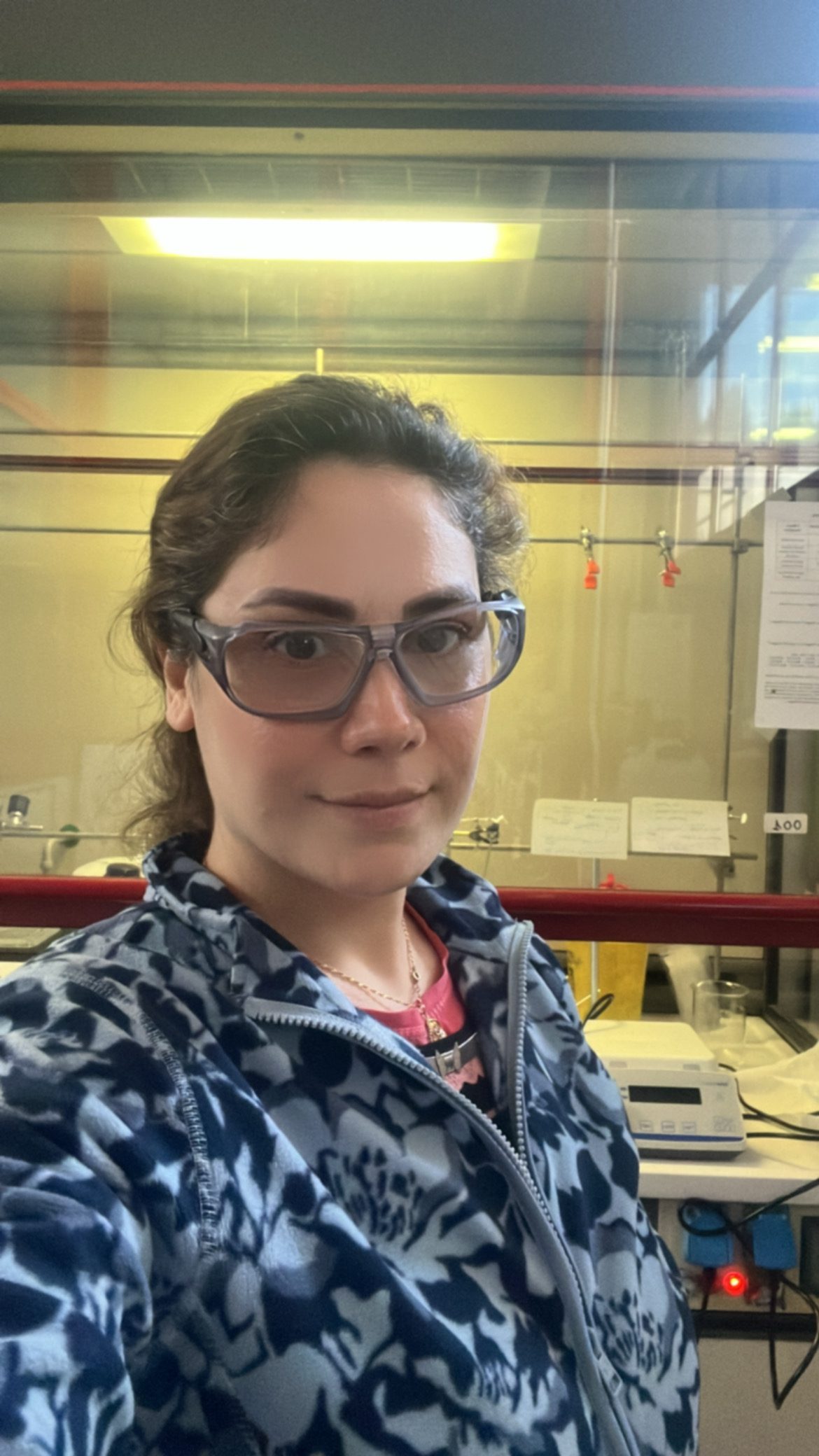
The Journey
My name is Shiva Navazani, originally from Iran. I trained as a materials scientist and have always been fascinated by how advanced materials can shape a sustainable future. My academic journey started in Iran, where I completed my Bachelor’s, Master’s, and Ph.D. in Materials Science and Engineering. The Marie Skłodowska-Curie Postdoctoral Fellowship was the opportunity that first brought me to Europe in 2022. By the time the project officially began in October of that year, I had already envisioned combining my background in energy materials with a bold new idea: micro-concentrated perovskite solar cells.
Marie Skłodowska-Curie Postdoctoral Fellowship Details
I was awarded the Marie Skłodowska-Curie Postdoctoral Fellowship to carry out the SHERPA project at the University of Genoa in Italy, with a secondment at the University of Rome Tor Vergata. Together with my host supervisor in Genoa, we developed the idea of introducing micro-concentration concepts into perovskite photovoltaics. The fellowship gave me the opportunity to push this frontier, reducing material use, improving efficiency, and making solar technology more sustainable. The award provides a competitive monthly salary together with mobility and family allowances, which enabled me to fully dedicate myself to research during the fellowship period.
Educational Background
I completed my B.Sc., M.Sc., and Ph.D. in Materials Science and Engineering in Iran, all on full institutional tuition waivers awarded for academic merit. My Ph.D. thesis focused on graphene-based nanostructures for gas sensing. This background gave me a solid foundation in nanomaterials, device fabrication, and characterization techniques, which later allowed me to move into solar cell research. The strong technical training, combined with publishing peer-reviewed papers and presenting at international conferences, prepared me well to apply for advanced fellowships like Marie Curie.
How Did You Prepare to Apply to the University of Genoa and the University of Rome Tor Vergata?
I searched for potential hosts who shared my research interests and had strong expertise in photovoltaics. I found my supervisor at the University of Genoa through LinkedIn, and we began exchanging ideas about possible collaborations. For my secondment, I reconnected with colleagues at the University of Rome Tor Vergata, where I had already spent a research stay during my Ph.D.
How Did You Find Information About the Marie Skłodowska-Curie Postdoctoral Fellowship and the University of Genoa & the University of Rome Tor Vergata?
I regularly checked the European Commission website for Horizon Europe calls. I also followed updates from research groups on LinkedIn, which is where I discovered the opportunity to connect with my eventual host.
Did You Take Any Standardized Tests? If So, How Did You Prepare for Them?
No. For a postdoctoral fellowship, standardized tests are not required. The evaluation was based on my research proposal, publications, and interviews, where my English proficiency was assessed through my academic track record and communication.
How Did You Prepare to Apply to the Marie Skłodowska-Curie Postdoctoral Fellowship?
The Marie Curie application process was highly competitive, so I started by carefully reading the guide for applicants and studying successful examples. I spent months drafting and revising my proposal, often working late at night because I was also caring for my two-year-old at the time. I asked for feedback from colleagues and my host supervisor, and I aligned my research idea with EU priorities such as sustainability and the Green Deal.
How is (was) Your Experience at the University of Genoa and the University of Rome Tor Vergata?
My host institution was the University of Genoa. While the official fellowship was based there, most of my research activities were carried out at CHOSE, University of Rome Tor Vergata, because the facilities I needed for advanced solar cell work were available there. Scientifically, the collaboration with Rome Tor Vergata was extremely valuable, and where the majority of progress happened.
How Do You Rate the University of Genoa and the University of Rome Tor Vergata Academically and Why?
From a research perspective, the University of Genoa has expertise in energy materials, but for my specific project, the infrastructure was limited. The academic collaboration with Tor Vergata was much stronger in terms of resources and daily research environment.
How Does the University of Genoa Support International Students?
The University of Genoa provided some basic administrative help, such as guiding me through the first steps of the residence permit application and advancing my first two months’ salary. However, I did not receive significant support for the visa process before arrival, and overall administrative support was limited. For day-to-day issues, I often had to manage independently, and I found this aspect quite challenging as an international researcher.
Are Your Classes Conducted in English or Italian?
Since I was focused on research, most academic communication was in English, and I never faced barriers in the lab or in seminars. However, administrative processes (residency, contracts, permits) were mostly in Italian, and this created some challenges. Not knowing Italian was not a barrier scientifically, but it definitely slowed down bureaucracy.
Would Potential Students Have Any Problems Academically Not Knowing Italian?
Not academically. Research and scientific discussions are conducted in English. However, for paperwork and daily administration, it helps a lot to know some Italian or to have local support.
What Do You Think Made Your Application Stand Out?
Two things: originality and resilience. The idea of micro-concentrated perovskite solar cells was new and ambitious, and we showed how it aligned with Europe’s renewable energy goals. On a personal note, being able to present a strong proposal despite balancing motherhood and research demonstrated determination. I think this combination of innovative science and perseverance helped my application stand out.
What Would You Have Done Differently if You Were Going Through the Process Again?
I would have started networking earlier and sought feedback on my proposal sooner. Engaging mentors and colleagues months in advance could have reduced the stress of the final weeks.
What Advice Would You Give Those Looking to Apply for a Similar Scholarship?
Be bold with your ideas, but also realistic in showing how you can achieve them. Don’t be afraid to reach out to potential supervisors; a simple LinkedIn message can open the door. And most importantly, remember that personal challenges don’t define your limits. I was a young mother when I applied, and that didn’t stop me from competing at the highest level. Persistence, preparation, and belief in your idea are key.
Want to submit your
scholarship journey?
Submit Your Story Here!
More Scholarship Recipients
My name is Mona Perlingeiro, and I am from São Paulo, Brazil. São Paulo is the Brazilian city with the largest number of m .... Read more
I am Ludmille Lyvert, and I am from Haiti. I hold a master’s degree in Women’s Studies, and I am currently a Ph.D. stude .... Read more
My name is Leisha Ravindra Babu, and I am from India. I am currently a Global Korea Scholarship (GKS) scholar completing my .... Read more
Leave A Comment