
PhD Chemical and Biological Engineering Student Samuel Muobom Saabome from Ghana Shares His Journey of Studying at Seoul National University, South Korea
University: Seoul National University, South Korea (PhD); Sangmyung University, South Korea (Master’s)
Degree: PhD in Chemical and Biological Engineering; Master’s in Chemical Engineering
Previous Education: Bachelor’s in Chemical Engineering – Kwame Nkrumah University of Science and Technology (KNUST), Ghana
Scholarship: Global Korea Scholarship (GKS) – Fully Funded (Full Tuition, Living Expenses, Airfare, Health Insurance, One-Year Korean Language Training)
Other Offered Scholarships (if any): Graduate Scholarship for Excellent Foreign Students (GSFS) – Seoul National University (Full Tuition up to Four Semesters + Monthly Stipend)
Social Media
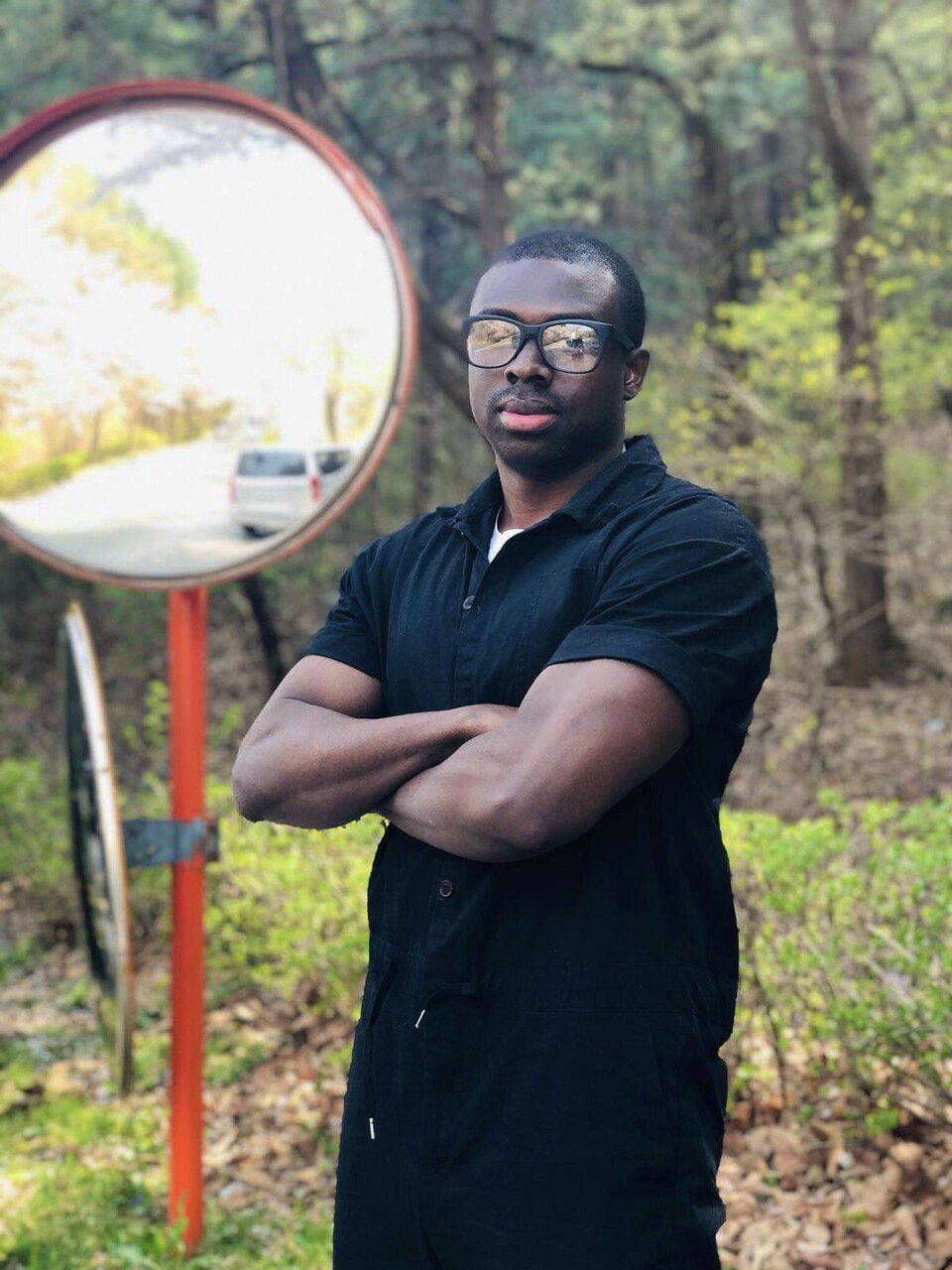
The Journey
“Akwaaba”, probably one of the first words you might hear when you enter any Ghanaian space, means “welcome,” reflecting warmth, inclusion, and a sense of belonging.
My name is Samuel Muobom Saabome, originally from Ghana, West Africa, and currently a PhD candidate in Chemical and Biological Engineering at Seoul National University (SNU) in South Korea, and also a startup Founder. I previously completed my Master’s degree in Chemical Engineering under the prestigious Global Korea Scholarship (GKS), through which I was ushered into South Korea.
From my undergraduate studies to my doctoral research, I have remained committed to Chemical Engineering, with a focus on polymer engineering, smart and sustainable materials, and advanced recycling technologies. You could say I am “Mr. Loyal Chemineer.”
I chose Chemical Engineering not only for its technical depth, but because it allows me to explain the science behind everyday life. Growing up, my mother constantly asked questions non-stop, eg, “Which plastic container is good to store her spices, or why can’t she wear dark clothes under the sun, etc. She would say, you study science, so you should know”. That curiosity about everyday materials eventually evolved into my passion for chemical engineering and its physics, and eventually into my current study on sustainable plastics and advanced materials research.
Global Korea Scholarship (GKS) Details
I was awarded the Global Korea Scholarship (GKS), formerly Korean Government Scholarship Program (KGSP), for my Master’s degree in Chemical Engineering at Sangmyung University, South Korea.
The GKS scholarship covers full tuition, living expenses, airfare, health insurance, and compulsory Korean language training. After successfully completing my Korean Language training (1 year) at Sunmoon University in Cheonan, I proceeded to my master's degree program (2 years) in Seoul
After completing my Master’s degree, I was awarded the Graduate Scholarship for Excellent Foreign Students (GSFS) at Seoul National University for my Doctoral degree.
Were You Offered Any Other Scholarships?
In addition to GKS, I was awarded the Graduate Scholarship for Excellent Foreign Students (GSFS) at Seoul National University for my PhD program. The GSFS scholarship covers full tuition for up to four semesters and provides a monthly living stipend of at least 500,000 KRW, depending on the faculty. The scholarship is performance-based and is contingent on one critical condition: one must maintain a good GPA score to maintain the scholarship.
Educational Background
I must say maintaining a core discipline or field is an advantage when applying for advanced studies. I earned my Bachelor’s degree in Chemical Engineering from Kwame Nkrumah University of Science and Technology (KNUST) in Ghana.
My undergraduate training provided a strong foundation in thermodynamics, reaction engineering, transport phenomena, and materials science, which prepared me well for advanced research in polymer engineering and sustainable materials.
During my Master’s program, I specialized in smart materials and electrorheological fluids. This research background transitioned naturally into my current PhD work focusing on polymer degradation, recycling, and sustainable process engineering.
How Did You Prepare to Apply to Seoul National University?
Preparation required early planning. I focused on just three (3) things:
- Maintaining strong academic performance
- Building relationships with professors because you will need that letter of recommendation.
- Actively engaged with my university’s International Programs Office for scholarship information ( This was my ticket)
I also thoroughly reached out to past scholarship awardees via social media and researched faculty members whose work aligned with my long-term goals.
Did You Take Standardized Tests?
No, I did not take any separate English Proficiency exam. With my degree completed in English, which is the official language in Ghana. A certificate of language Proficiency was enough.
How Did You Prepare to Apply to the Global Korea Scholarship (GKS)?
Although the most important step was crafting a clear and authentic personal statement.
I focused on:
- Demonstrating potential to adapt to the Korean Society
- Showing research potential from a past project
- Willingness to give back to my country
I treated the scholarship application as a proposal for future impact—not just funding.
How is Your Experience at Seoul National University?
Studying at Seoul National University has been transformative. As the best university in Korea, the research culture is rigorous, competitive, and highly innovative. Most importantly, the network one gains is priceless. You get to meet the best students from around Korea. Additionally, the local and global impact on the job market is undeniably cemented, so it feels great to be student here.
How Does Seoul National University Support International Students?
SNU provides structured support systems, including:
- Language training, where I met my best friends
- Academic advising
- Various regional scholarships, e.g., SNU Presidents Scholarship, GSFS, etc
- International student services, including the most famous SISA, SNU Mentor Plus Program, etc
The environment is competitive but very supportive.
Are Your Classes Conducted in English or Korean?
For Chemical Engineering, most graduate-level courses and research activities are conducted in English. While some are in native Korea. I sometimes take the Korean classes to challenge myself. However, learning Korean significantly improves integration and daily life.
What Did You Pursue After the Scholarship?
After completing my Master’s degree under GKS, I transitioned into a PhD program at SNU under the GSFS scholarship.
Additionally, I founded a startup project called RHEOGREEN focused on sustainable plastic recycling technologies. I also won the K-Startup Demo Challenge organized by the Korean Ministry of Education and the Korean Entrepreneurship Foundation. The student startup community is starting to boom, and it is great for students to take advantage of this wheel.
Would Students Have Academic Problems Without Knowing Korean?
Academically, it is manageable without Korean at the graduate level. However, learning Korean greatly enhances networking, documentation, and integration into society.
What Made Your Application Stand Out?
I believe three factors made my application stand out:
- Ability to adapt to the Korean Society
- Strong academic foundation in engineering
- Ghanaian students’ reputation in the school I applied for. (Do your research on this for your country)
I positioned myself not just as a student, but as someone who would contribute meaningfully to global society after graduation.
What Would You Have Done Differently?
If I were to go through the process again, I would start preparing even earlier and reach out to previous awardees sooner for feedback and tips on my application documents and the current situation on the ground.
What Advice Would You Give Others?
- Engage with renowned platforms like GlobalScholarships.com. The reviews here are authentic from past awardees.
- Engage with past awardees for tips
- Engage with your university's International Office for scholarship information
- Start early and plan strategically (although I know people who made it through spontaneously)
- Build genuine research experience before applying.
- Write a personal statement with purpose, clarity, and little creativity
- Demonstrate long-term impact—not short-term goals.
- Stay persistent—scholarships reward preparation and resilience.
Final Words – Reality Check
The scholarship journey is basically on you; no matter the help you get from anywhere else, it is basically on you and all efforts rest on your shoulders. Be aggressive, be intentional. Do not waver or get emotional when denied a scholarship or delayed any help, just fight through for another. No one really cares about your process, but when you finally get the scholarship, they will celebrate with you. Good luck and “Hwaiting”– A Korean slang derived from the word ‘fighting’ for encouragement, you can do it expressions.
Want to submit your
scholarship journey?
Submit Your Story Here!
More Scholarship Recipients
My name is Hajiyev Sarkhan, and I am from Shemkir, Azerbaijan. My academic journey has been shaped by a strong belief that e .... Read more
My name is Nainsi Chauhan, and I am from Mumbai, India. I was born into an economically weak family and raised in an orthodo .... Read more
My name is Swaleha J. Khowaja, and I am from Karachi, Pakistan. I am currently pursuing the MSc in Global Mental Health, a j .... Read more
Leave A Comment