
PhD Biomedical Engineering Student Nina Evetović from Serbia Shares Her Journey of Studying at the Slovak Academy of Sciences, Slovakia
University: Slovak Academy of Sciences & Slovak University of Technology in Bratislava, Slovakia
Degree: PhD in Brain-Computer Interfaces, Virtual Reality & Post-Stroke Neurorehabilitation
Previous Education: Bachelor’s & Master’s in Biomedical Engineering – Serbia
Scholarship: Marie Skłodowska-Curie Actions (MSCA) Doctoral Fellowship – Fully Funded (Horizon Europe, DONUT Doctoral Network)
Social Media
LinkedIn: linkedin.com/in/nina-evetovic/
DONUT MSCA Consortium: linkedin.com/company/msca-donut-project
Institute of Measurement Science, Slovak Academy of Sciences: linkedin.com/company/institute-of-measurement-science
The Journey
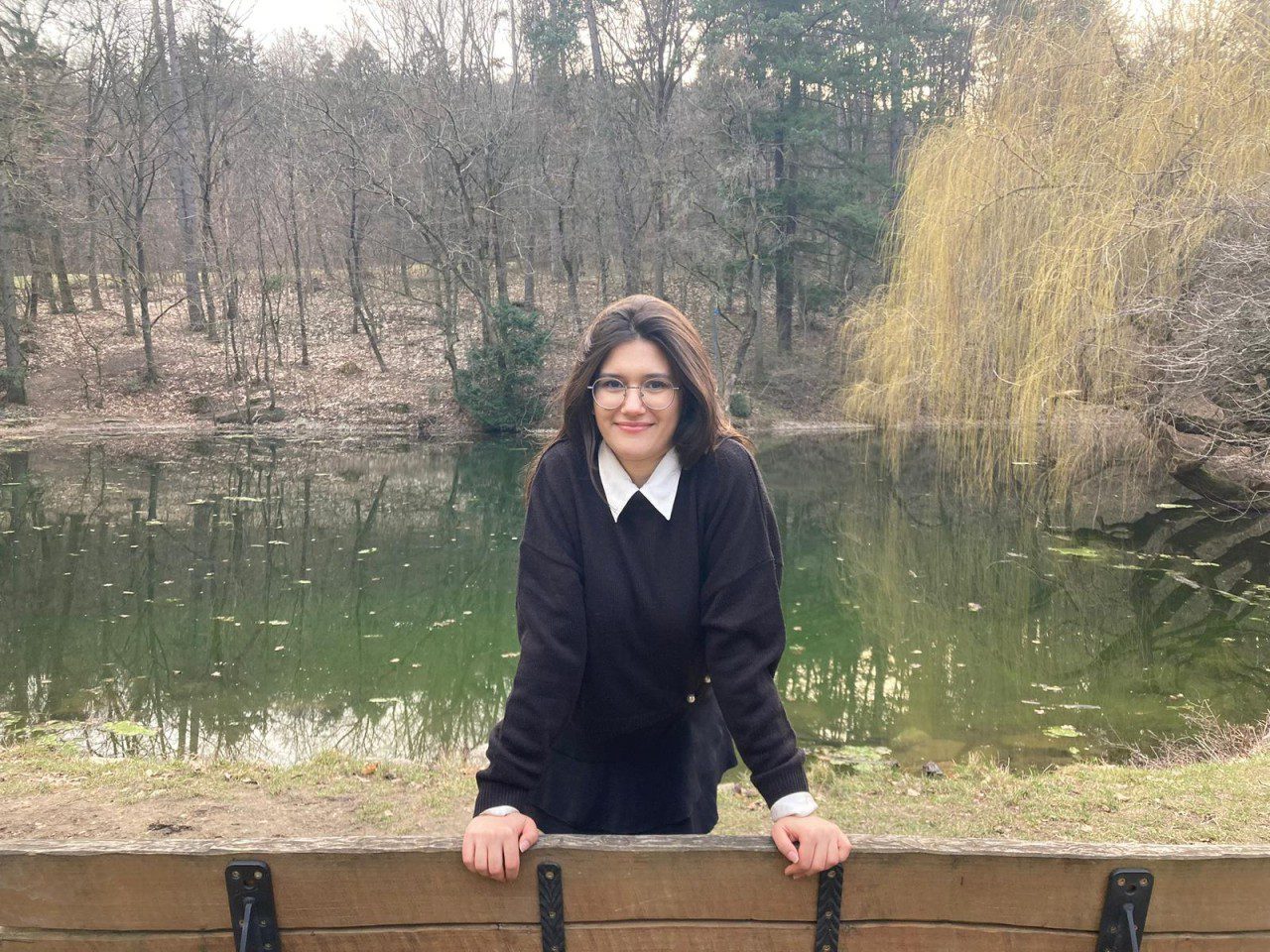
My name is Nina Evetović, and I am from Serbia. I am currently a PhD student in Bratislava, Slovakia, working in the field of brain-computer interfaces, virtual reality, and post-stroke neurorehabilitation.
I pursued biomedical engineering for my bachelor’s and master’s studies, and during my master’s program, I truly fell in love with research. I realized that I am deeply curious and driven by wanting to understand how things work, especially when it comes to complex systems like the human brain. The brain feels like a place where there is still so much to learn and discover, and that sense of exploration motivated me to continue into a PhD and focus on neuroscience-related technologies and rehabilitation research. I also genuinely enjoy academia, with all its flaws, because of the constant learning, questioning, and collaboration it offers.
Marie Skłodowska Curie Actions (MSCA) Doctoral Fellowship Details
I received a Marie Skłodowska Curie Actions (MSCA) doctoral fellowship through the Horizon Europe program as part of a European doctoral network.
The scholarship is hosted by the Slovak Academy of Sciences, in collaboration with the Slovak University of Technology in Bratislava, and is part of the DONUT (European Doctoral Network for Neural Prostheses and Brain Research) project.
The fellowship includes a full PhD salary, mobility and family allowances where applicable, as well as a dedicated research, training, and travel budget for conferences and secondments.
Were You Offered any Other Scholarships?
No, I didn’t, but I will note here that it’s the only program I applied for.
I wanted to stay relatively close to home and work specifically in the field of brain-computer interfaces. My plan was to pursue an industry position if this opportunity did not work out and to wait for a program that I was genuinely passionate about and that truly aligned with my interests and long-term goals, rather than applying broadly without strong motivation for each position.
Educational Background
I completed my bachelor’s and master’s degrees in biomedical engineering, finishing my master’s with a grade of 9.88 out of 10.
During my studies, I focused on signal processing, medical devices, neuroscience-related subjects, and research projects.
I also took several electives that specifically prepared me for my PhD, such as a Brain-Computer Interface course, which allowed me to participate in my first BCI research project. In this project, we collected and processed data and co-authored a paper that I presented at a small national conference.
In addition, I completed multiple theses and internships abroad, which helped me gain experience in academic writing, experimental design, and international collaboration. In 2023, I participated in an Erasmus exchange at the University of Palermo in Italy, where I worked in their biomedical engineering lab. Later, I completed an internship at the European University of Cyprus, specifically at the CERIDES research center (Centre of Excellence in Risk & Decision Sciences).
This combination of coursework, research experience, and international exposure provided me with a strong interdisciplinary background and made me a competitive candidate for PhD programs like the MSCA network.
How Did You Prepare to Apply to the Slovak Academy of Sciences?
How Did You Find Information About Scholarships and the Slovak Academy of Sciences?
The first thing I did when I decided to pursue a career in academia was to network. I spoke with my professors, other PhD students, and anyone else I could reach out to. Through these conversations, I learned about several opportunities and was introduced to the EURAXESS website for the first time. That’s where I found the MSCA PhD offer that perfectly matched what I was looking for in terms of research focus, location, and career goals.
Did You Take Any Standardized Tests? If So, How Did You Prepare for Them?
I had planned to take an English proficiency test, but the timeline was tight, and I didn’t have time to complete it before the application deadline. The application stated that proof of English proficiency (TOEFL, IELTS, CAE, TELC, etc.) was required “if available.”
I decided to submit my application without a formal test score. Instead, I requested a letter from my university English professor confirming that I had successfully completed a professional English course at a CEFR B2 level. This approach allowed me to demonstrate my English proficiency and proceed with the application despite the timing constraints.
How Did You Prepare to Apply to the Marie Skłodowska Curie Actions (MSCA) Doctoral Fellowship?
First, I conducted thorough research online to understand the program, the project, and the research group. I also took time to learn about my potential supervisor (his research, previous projects, and expertise) and to understand exactly what the group was looking for in a candidate.
I spent time tailoring my application to the specific project description and group, ensuring that my motivation and experience were clearly aligned with their goals. I prepared a detailed motivation letter explaining why I was a strong fit for the position, highlighting my research experience, and emphasizing my interest in international mobility and interdisciplinary work, which are central to MSCA programs. I also asked supervisors and mentors to review my CV and application materials to get feedback and refine my documents.
At the time, I felt that this position was a perfect match for my interests and goals, so my main focus was to convey that genuine fit and enthusiasm in every part of my application.
How is (was) Your Experience at the Slovak Academy of Sciences?
My experience has been extremely positive. I work in an international environment with researchers from many countries, which is both inspiring and intellectually stimulating.
Although it’s not a large institution like Harvard, the research here is high-quality, and the smaller size of the institute creates a close-knit and supportive environment. The Slovak Academy of Sciences is divided into different institutes, and at my institute, there are about 50 researchers. This creates a sense of community, and most faces in the building are now familiar.
My supervisor truly deserves praise. I feel very fortunate to work with my supervisor, who is both highly knowledgeable and approachable. He has impressive experience, including working at NASA, and provides guidance without micromanaging. Communication with him is excellent, he takes my input into consideration and supports me in a way that encourages both independence and progress. This balance has made my experience very rewarding and enjoyable.
Are Your Classes Conducted in English or Slovak?
My PhD program and research activities are conducted in English.
Would Potential Students Have Any Problems Academically Not Knowing Slovak?
Academically, it is possible to function fully in English within the PhD program. However, learning some of the local language is very helpful for everyday life and integration.
What Do You Think Made Your Application Stand Out?
I believe my interdisciplinary background, previous international experience, strong research motivation, and alignment with the project topic made my application stand out.
I tried to show my clear motivation and genuine passion for the work. I made sure to communicate why I wanted to work with that specific research group and how the project aligned with my long-term career goals. I tried to convey my enthusiasm authentically, which I hope helped my application resonate with the reviewers.
What Would You Have Done Differently if You Were Going Through the Process Again?
I would have started networking with potential supervisors and my professors even earlier. I would also seek feedback on my application materials from more people. Early preparation can make a significant difference, especially for highly competitive scholarships.
What Advice Would You Give Those Looking to Apply for a Similar Scholarship?
I will start with this: try, just try, and you’ll see. You have nothing to lose by applying. Don’t just scroll and read about it.
Start early and research the program thoroughly. Tailor every application to the specific project instead of sending generic materials.
Contact supervisors if possible, show genuine interest in their work, and highlight how your background fits the position.
Do not underestimate the importance of the motivation letter and ask others to review it. Finally, believe in your profile. Many people hesitate to apply to prestigious programs, but you lose nothing by trying.
Want to submit your
scholarship journey?
Submit Your Story Here!
More Scholarship Recipients

My name is Hajiyev Sarkhan, and I am from Shemkir, Azerbaijan. My academic journey has been shaped by a strong belief that e .... Read more

My name is Nainsi Chauhan, and I am from Mumbai, India. I was born into an economically weak family and raised in an orthodo .... Read more
My name is Swaleha J. Khowaja, and I am from Karachi, Pakistan. I am currently pursuing the MSc in Global Mental Health, a j .... Read more
Leave A Comment