
Marie Curie PhD Fellow, Marco Rizzo from Italy, Shares His Journey of Advancing Neuroscience Research at Aalborg University and Beyond
University: Aalborg University, Denmark (Center for Neuroplasticity and Pain)
Degree: PhD in Psychology and Neuroscience
Previous Education: Master’s in Psychology – Sapienza University of Rome, Italy
Scholarship: Marie Curie PhD Fellowship (Frontier Research Competences – FRESCO) – Fully Funded (competitive salary, research and travel budget, 3-month research placement abroad)
Other Offered Scholarships: Research position offer at Sapienza University of Rome
Social Media
LinkedIn: linkedin.com/in/marcorizzo-ita
ORCID: orcid.org/0000-0002-1805-3536
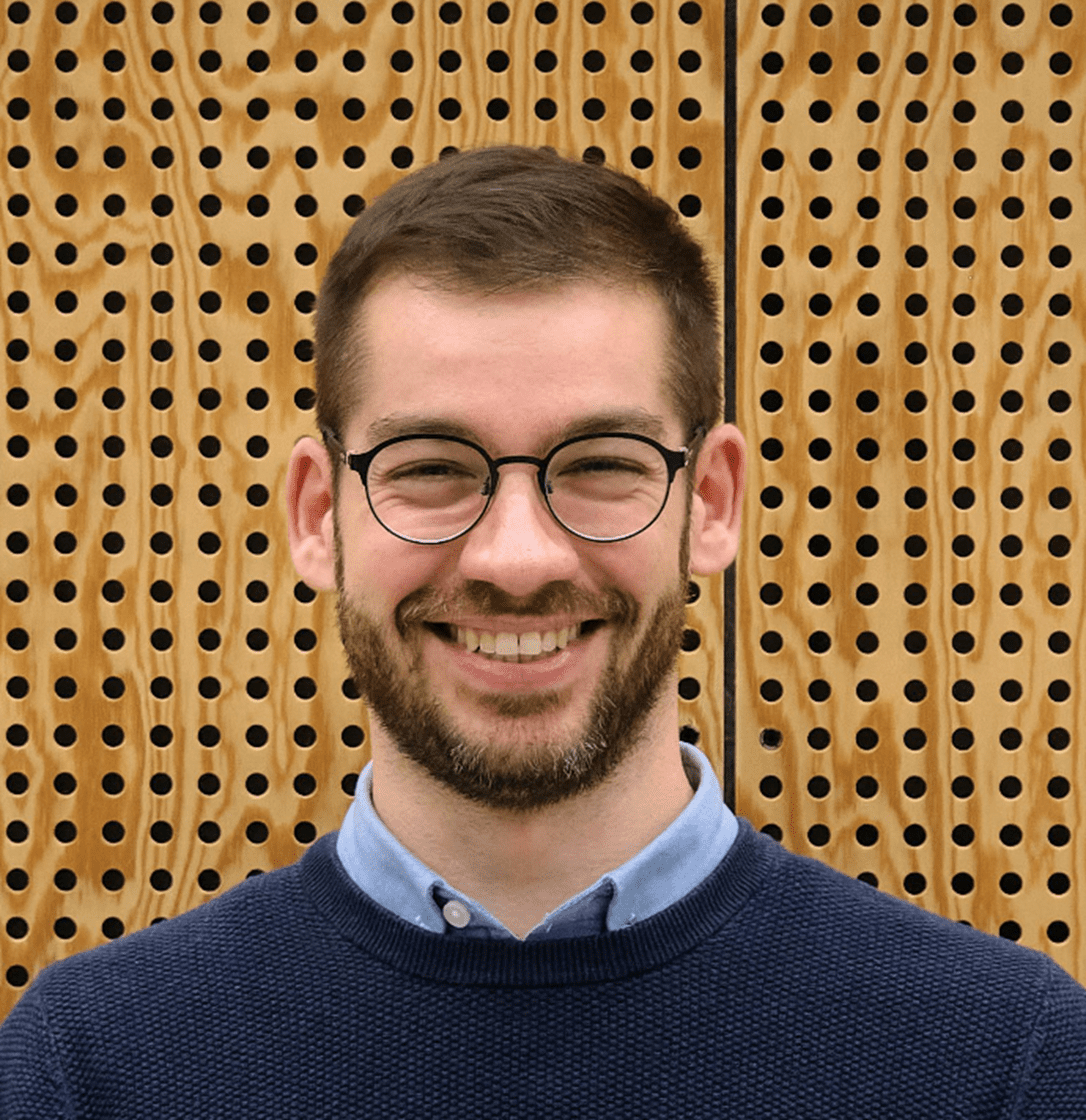
The Journey
I'm Marco Rizzo, an Italian researcher in Psychology and Neuroscience, passionate about understanding the neurophysiology of the human brain. My academic path started at Sapienza University of Rome. Thanks to a Marie Curie Scholarship, I completed my PhD at Aalborg University in Denmark. Currently, I'm advancing my research as a Postdoc at the Icahn School of Medicine at Mount Sinai in New York.
Marie Curie PhD Fellowship Details
I was awarded an EU-funded Marie Curie PhD Fellowship through a program called Frontier Research Competences (FRESCO), aimed at promoting mobility for early-career researchers within European institutions. I was hosted by the Center for Neuroplasticity and Pain at Aalborg University in Denmark. The fellowship came with a competitive salary, a budget for research expenses and travel, and the valuable opportunity to spend 3 months conducting research at a partner lab in another country.
Were You Offered any Other Scholarships?
I did have an opportunity to stay and work in my lab in Rome. But pursuing research abroad was a key goal for me, so I decided to accept the Marie Curie fellowship to gain that international perspective.
Educational Background
I completed my master’s degree in 2017, graduating with a GPA of 4.0/4.0 (equivalent). My thesis focused on using EEG to study brain rhythms in older adults with early-stage cognitive impairment due to prodromic neurodegenerative diseases. What really strengthened my PhD application, however, was the year I spent afterward as a full-time research assistant. That experience allowed me to develop strong technical skills in software, statistics, and data analysis. I also had the chance to co-author several publications and collaborate closely with experienced researchers in neurophysiology.
How Did You Prepare to Apply to Aalborg University?
How Did You Find Information About Scholarships and Aalborg University?
My search started online, browsing university portals and fellowship databases. Furthermore, consulting with experienced researchers helped me navigate the vast number of opportunities and focus on scholarships and programs that were a strong match for my possibilities.
Did You Take Any Standardized Tests? If So, How Did You Prepare for Them?
I didn't have to take any standardized tests for my application. However, working daily in a lab with international researchers provided the best possible practice. It was the most effective way to improve my English fluency for an academic environment.
How Did You Prepare to Apply to the Marie Curie PhD Fellowship?
I prepared by meticulously assembling all standard documents: my CV, translated degrees, publications, and a motivation letter that blended my professional goals with a bit of personal details.
The core of my application, however, was the research proposal. I studied the host lab's recent publications and crafted a project that was a natural yet innovative next step for their work, emphasizing a simple and feasible approach.
For the final panel interview, I focused on three things: clearly presenting my background, confidently defending my project's logic and potential pitfalls, and engaging them with my own prepared questions about their research.
How is (was) Your Experience at Aalborg University?
My experience was truly fantastic. It was incredibly rewarding to independently lead my own research project from start to finish: a real learning journey.
The environment was a key part of that. Working in such an international setting with experts from diverse fields broadened my scientific interests and constantly sparked new ideas. I also deeply appreciated the collaborative and flat hierarchy; it was a space where everyone, regardless of position, could openly share questions and suggestions.
Beyond the science, what stood out was the genuine care from the university. They supported my personal well-being and social life just as much as my professional work, which made me a more engaged and happier researcher.
How Does Aalborg University Support International Students?
The support was outstanding. From the moment I arrived, the university had a clear plan to help with everything, from university procedures and city logistics to crucial paperwork.
They also fostered integration by offering free Danish lessons and organizing regular social events that mixed international and local students, which was great for building a community.
Are Your Classes Conducted in English or Danish?
All PhD courses were conducted in English. I have a very memorable experience from one course where I was the only international student in the class. The entire class seamlessly switched to English just for me. While I felt a bit apologetic for the inconvenience, it also made me feel incredibly supported.
What Did You Pursue After the Scholarship? (Work, Further Study, Research, or Something Else?)
Following my PhD, which I completed in November 2022, I transitioned directly into a postdoctoral fellowship. I am currently working in the Psychiatry Department at the Icahn School of Medicine at Mount Sinai in New York City.
What Do You Think Made Your Application Stand Out?
I think my research proposal made a difference. It succeeded by striking a balance: it was an original idea that was also simple and economical to execute. By carefully aligning it with the institution's recent work, I showed I could integrate into their team and advance their specific research goals.
What Would You Have Done Differently if You Were Going Through the Process Again?
If I were to go through the process again, I would add a detailed and realistic timeline to my research proposal. Having a clear schedule is crucial for successfully managing a long-term project, but it’s difficult to create one on your own without input from an experienced supervisor. During the interview, I would make a point of discussing this timeline with the committee. This would not only show thorough planning but also open a constructive dialogue about the project’s feasibility and milestones.
What Advice Would You Give Those Looking to Apply for a Similar Scholarship?
Applying for a highly competitive scholarship like this requires thorough preparation. Thus, every detail matters. Tailor every part of your application, from your CV to your research proposal, specifically to the scholarship and institution.
But just as important is being careful with your selection. Don’t apply simply because an opportunity exists. Choose programs that genuinely align with your research interests and career goals. At this stage, you're not just applying for funding, you're defining the direction of your professional path.
Want to submit your
scholarship journey?
Submit Your Story Here!
More Scholarship Recipients
My name is Oisereme Abulu, a Nigerian student currently pursuing an MSc in Sustainable Aquaculture at the University of Stir .... Read more
My name is Mona Perlingeiro, and I am from São Paulo, Brazil. São Paulo is the Brazilian city with the largest number of m .... Read more
I am Ludmille Lyvert, and I am from Haiti. I hold a master’s degree in Women’s Studies, and I am currently a Ph.D. stude .... Read more
Leave A Comment