
Türkiye Bursları (Turkish Government Scholarship) Recipient, Kabineh Kpukumu from Sierra Leone, Shares His Journey of Pursuing a Master’s in Financial Economics at Sakarya University, Turkey
University: Sakarya University, Turkey
Degree: Master’s in Financial Economics
Previous Education: Bachelor’s in Economics (CGPA: 3.4/4.0) – Master’s in Financial Economics (CGPA: 3.7/4.0, Highest Distinction)
Scholarship: Türkiye Bursları (Turkish Government Scholarship – Fully Funded) – Covers full tuition, accommodation, health insurance, international flights, and a monthly stipend (950 TL/month for Master’s students in 2018)
Social Media
LinkedIn: linkedin.com/in/kabineh-kpukumu/
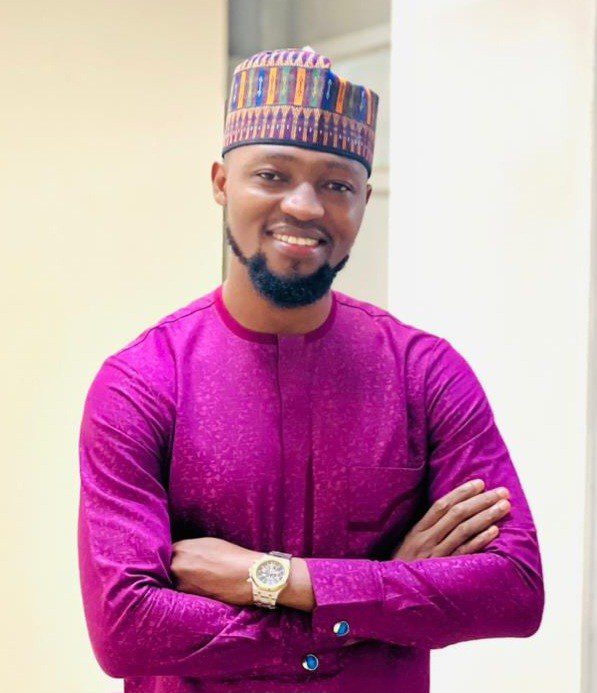
The Journey
My name is Kabineh Kpukumu, and I am from Sierra Leone. I hold a Bachelor’s degree in Economics and later pursued a Master’s degree in Financial Economics in Turkey. I decided to pursue further education in economics because of my strong interest in understanding macroeconomic dynamics, financial systems, and development challenges, particularly in low-income countries like Sierra Leone. My academic journey has been driven by a desire to combine rigorous economic training with real-world policy impact.
Türkiye Bursları Details
The primary scholarship I accepted was the Türkiye Bursları (Turkish Government Scholarship), awarded in 2018 to pursue a Master’s degree in Financial Economics at Sakarya University. The program was taught in Turkish, which required me to first complete a one-year compulsory Turkish language preparatory program, a standard requirement under Türkiye Bursları for students admitted into Turkish-taught programs. The scholarship is fully funded and covers all major expenses, including full tuition fees, round-trip international flight tickets at the beginning and end of the study period, health insurance, accommodation, and a monthly living stipend.
At the time of my award in 2018, the monthly stipends provided under Türkiye Bursları were structured by level of study: 700 Turkish Lira for undergraduate students, 950 Turkish Lira for Master’s students, 1,400 Turkish Lira for PhD students, and 3,000 Turkish Lira for research scholarship holders. When combined with accommodation and other benefits, these stipends were sufficient to support a modest but comfortable student lifestyle in Turkey.
In addition to the Master’s scholarship I accepted, I was also awarded two PhD scholarships in Economics in Turkey. One was through Türkiye Bursları to pursue a PhD in Economics at Dokuz Eylul University, which was an English-taught program, and the other was a fully funded PhD scholarship from Ibn Haldun University, a private university in Istanbul, also English-taught. Although I did not take up these PhD offers at the time, they reflect the availability of both public and private, fully funded doctoral opportunities in Turkey for international students.
Educational Background
BSc Economics: CGPA 3.4 / 4.0
MSc Financial Economics: CGPA 3.7 / 4.0 (Highest distinction; top two graduates in my cohort)
My undergraduate training in economics, combined with approximately three years of professional experience before my Master’s degree, prepared me well for advanced quantitative coursework and research-oriented study in economics and finance.
How Did You Prepare to Apply to Sakarya University?
I prepared by carefully reviewing program requirements, aligning my academic interests with the field of study, and ensuring my background matched the expectations of the programs. For Türkiye Bursları, applicants do not apply separately to universities; instead, they select preferred programs and universities in the scholarship portal, and placement is handled centrally.
How Did You Find Information About the Türkiye Bursları and Sakarya University?
I relied on the official Türkiye Bursları website, independent online research on Turkish universities, and guidance from former scholars. I also reviewed program structures, languages of instruction, and post-study opportunities before applying.
Did You Take Any Standardized Tests? How Did You Prepare?
TOEFL: Yes (taken before PhD applications)
Preparation: Free YouTube resources (TST Prep TOEFL) and one Udemy course by Josh MacPherson
Outcome: Strong TOEFL score, sufficient for English-taught PhD programs
I did not initially need TOEFL for my Master’s because I was open to both Turkish- and English-taught programs.
How Did You Prepare to Apply to the Türkiye Bursları?
Preparation was the key factor in my success. I carefully studied the eligibility criteria, gathered all documents early (transcripts, reference letters, authenticated credentials), drafted a strong motivation letter and research proposal, and shared them with mentors and peers for feedback. I ensured that every component of my application aligned clearly with the scholarship’s objectives.
How Was Your Experience at Sakarya University?
My experience at Sakarya University was excellent. It is a highly ranked institution with strong academic support, vibrant student life, and a diverse international community. Lecturers were supportive, and senior students and mentors were very helpful.
How Do You Rate Sakarya University Academically and Why?
I rate Sakarya University very highly academically. The coursework was rigorous, lecturers were engaged, and there were strong opportunities for academic and professional development, including seminars and extracurricular activities.
How Does Sakarya University Support International Students?
International students receive strong support through university services and external foundations such as Diyanet, Yedirenk, and IHH, which help students settle in culturally and socially. Some students also find part-time or post-study employment opportunities.
Are Your Classes Conducted in English or Turkish?
My Master’s program was taught in Turkish, following a compulsory one-year Turkish language preparatory course. My later PhD offers were fully English-taught.
Would Students Struggle Academically Without Knowing Turkish?
Yes, especially for Turkish-taught programs. The language preparatory year is compulsory and should be taken very seriously. Without adequate Turkish proficiency, students may struggle academically and socially.
What Do You Think Made Your Application Stand Out?
What stood out most was intentional preparation: understanding requirements, aligning my motivation clearly with the scholarship’s goals, submitting a well-structured application, and demonstrating academic readiness and long-term vision.
What Would You Have Done Differently?
I would start learning Turkish even earlier, immediately after submitting my application, and conduct even deeper research on program-specific requirements such as standardized tests and language expectations.
What Advice Would You Give Future Applicants?
Be intentional and prepared. Research programs thoroughly, align your application with scholarship objectives, start language learning early, and do not underestimate the importance of a strong motivation letter. Turkey is a safe, peaceful, religiously tolerant, and opportunity-rich study destination, especially for students willing to integrate and learn the language.
Want to submit your
scholarship journey?
Submit Your Story Here!
More Scholarship Recipients
My name is Muhammad Aiesh Ghayoor, and I am originally from Islamabad, Pakistan. I am currently in my thesis semester of the .... Read more
My name is Min Htet Myint, and I am from Myanmar. I am currently pursuing a Ph.D. in Global Smart City at Sungkyunkwan Unive .... Read more
My name is Min Gyu, and I am a 1st year PhD student at the University of Cambridge, pursuing Stem Cell Biology. My research .... Read more
Leave A Comment