
Eyes High Doctoral Recruitment Scholarship (EHDRS) Recipient Joseph Akpan from Nigeria Shares His Journey of Pursuing a PhD in Sustainable Systems Engineering at the Schulich School of Engineering, University of Calgary
University: University of Calgary, Canada
Degree: PhD in Sustainable Systems Engineering (SUSE)
Previous Education:
– MEng in Industrial Engineering – Durban University, South Africa (Erasmus+ Exchange: University of Valladolid, Spain)
– BEng in Mechanical Engineering – University of Uyo, Nigeria
Scholarship: Eyes High Doctoral Recruitment Scholarship (EHDRS) – Fully Funded (competitive stipend and additional funding opportunities)
Other Offered Scholarships: Robert B. Paugh Memorial Scholarship in Engineering; Erasmus+ Funding for Master’s Exchange
Social Media
LinkedIn: linkedin.com/in/joseph-akpan/
Linktree: linktr.ee/josephakpan
The Journey
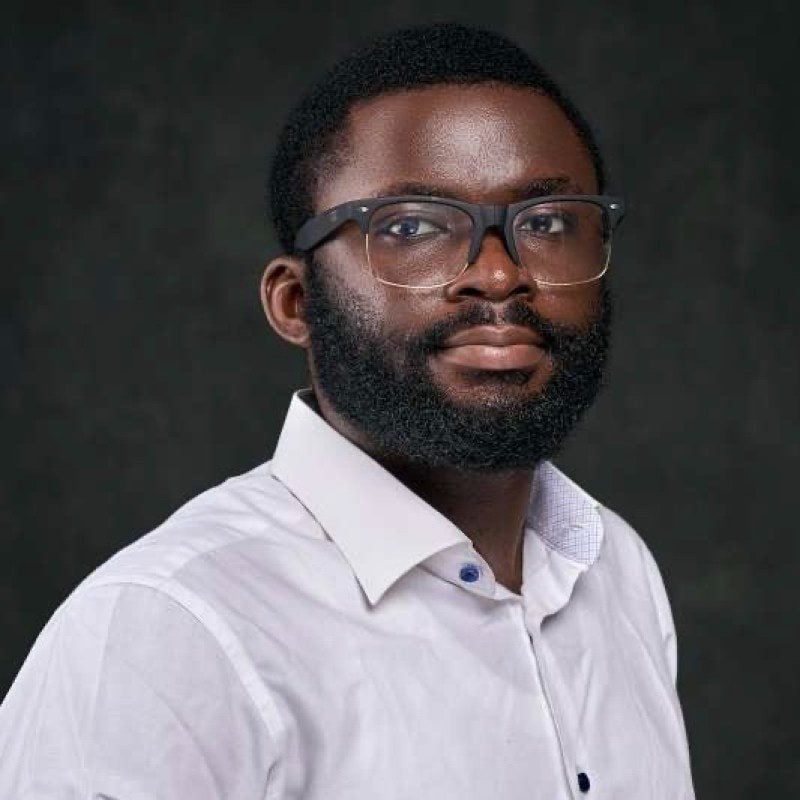
I’m Joseph Akpan, a Black African researcher in Sustainable Systems Engineering (SUSE). I care deeply about how engineering should serve both people and the planet, knowing that technology can shape everyday life for better or for worse. This belief guides my research on promoting inclusiveness and equity at the intersection of engineering, communities, and urban infrastructure electrification. I am currently pursuing this work as a doctoral student in the SUSE program at the Schulich School of Engineering, University of Calgary, Alberta.
Eyes High Doctoral Recruitment Scholarship (EHDRS) Details
I was fortunate to receive the Eyes High Doctoral Recruitment Scholarship (EHDRS), which is offered to attract strong doctoral students from around the world to the University of Calgary as part of its goal to remain a leading research institution in Canada and globally. The fellowship provides a competitive stipend, with additional support when other scholarships or funding are secured.
Were You Offered any Other Scholarships?
I also received the Robert B. Paugh Memorial Scholarship in Engineering, which is awarded each year to one graduate and one undergraduate student in the Schulich School of Engineering. I am also grateful for the opportunity to work as a teaching assistant and to co-mentor undergraduates in the Sustainable Systems Engineering program.
Other Notable Awards (Undergraduate):
- NNPC/Exxon Mobil Producing Nigeria (MPN) Joint Venture Undergraduate Scholarship
- MAERSK/APM Terminals Nigeria Undergraduate Scholarship and Internship
- Uma Ukpai Academic & Leadership Excellence Undergraduate Scholarship
- 3rd position, 2017 Nigerian Institution of Mechanical Engineers Bachelor’s national design competition
Educational Background
My academic journey began at the University of Uyo in Nigeria, where I earned a BEng in Mechanical Engineering. I later continued with a master’s degree in Industrial Engineering at Durban University in South Africa, which included a joint exchange with the University of Valladolid in Spain in Environmental Engineering. I am very grateful for the support I received through Erasmus+ funding and graduate scholarships at both institutions. I completed my master’s in 2024 with a GPA of 4.0/4.0 (WES equivalent) and was honoured to receive the university’s highest graduate student research prize (Platinum), along with two departmental research recognition awards for my master’s research works. My thesis focused on developing an integrated framework for planning high-share renewable energy systems and assessing their climate and financial attractiveness, which helped me learn to approach research problems from an interdisciplinary perspective while still going into depth.
Over time, I have been fortunate to gain a diverse background through graduate internships, industry and consulting experience, and a research stay across environmental and electrical engineering fields. This experience helped strengthen my PhD application, especially because the program I joined is highly interdisciplinary and welcomes both new and experienced professionals. I have also had the opportunity to co-author several publications, some of which have been recognized as conference best papers, journal editors’ choices, and feature papers, and to work closely with researchers in engineering, science, economics, and public policy. In addition, I try to give back to the community by serving as a conference technical committee member and reviewer for IEEE international conferences and Scopus and Web of Science (ESCI and SCI) - indexed journals.
How Did You Prepare to Apply to the University of Calgary?
How Did You Find Information About Eyes High Doctoral Recruitment Scholarship and the University of Calgary?
I came across the PhD opening on my LinkedIn newsfeed and, out of curiosity, looked up the professor and the program online. It was a new program, the first of its kind in Canada, with a mandatory 8-12 month internship, and the research focus resonated deeply with my diverse background, so I felt it could be a good fit. I was also drawn to the fact that the city is one of the sunniest major cities in Canada, which felt encouraging for a cold-temperate region. I submitted my application and then tried not to expect too much, knowing that sometimes decisions come down to timing and circumstances rather than merit alone. When I was invited for an interview, I reached out to a friend at the same institution for guidance and preparation, which helped a lot. I am grateful the interview went well, and the professor’s support, and on my friend’s advice, I also applied for the scholarship alongside my admission application. To be honest, I did not know much about it at first and certainly did not imagine I would receive such a prestigious award, so I feel very thankful for how everything turned out.
Did You Take Any Standardized Tests? If So, How Did You Prepare for Them?
Standardized tests like the language proficiency were not required for my application, given that my previous degrees were taught in English.
How Did You Prepare to Apply to the Eyes High Doctoral Recruitment Scholarship (EHDRS)?
I started by understanding what the scholarship was looking for and how my journey aligned with it. I focused my statement on my story, including international experience, resilience, and a commitment to equity and sustainability, instead of just listing achievements. I started by understanding what the scholarship was looking for and how my journey matched that. I asked a few mentors who have won prestigious funding and friends for their perspectives, refined them, and made sure everything was submitted early and carefully.
How is (was) Your Experience at the University of Calgary?
My experience at the University of Calgary has been very rewarding. The SUSE program is truly interdisciplinary, and I’ve learned a lot from working with people across different fields. The environment is supportive, people here are very nice, and the city has been welcoming, which makes a big difference as an international student.
How Do You Rate the University of Calgary Academically and Why?
Academically, I rate it very highly. There is strong research support, good facilities, and real opportunities to work on meaningful projects that are greatly supported by the industry and government agencies. The SUSE program especially pushes you to think across engineering, policy, and society, which fits well with my research interests.
How Does the University of Calgary Support International Students?
There is a solid support system for international students, including orientation, immigration guidance, academic advising, and mental health resources. Financially, scholarships, teaching assistantships, and research positions help reduce the burden. There are also events and spaces where international students can connect and build community, as wellas independently transform ideas into ventures and businesses.
Are Your Classes Conducted in English or the Country’s Native Language?
Academically, no. English is the main language of instruction at the University of Calgary and in the city. It can still help to learn some local expressions and cultural norms around the indigenous people, but it’s not a barrier to doing well in your courses.
What Did You Pursue After the Scholarship? (Work, Further Study, Research, or Something Else?)
The scholarship is allowing me to focus fully on my PhD research. At the same time, I am building teaching and mentoring experience, which is preparing me for future senior roles in research, academia, industry consulting, or policy-focused work.
Would Potential Students Have Any Problems Academically Not Knowing the Native Language of the Country?
All my classes, research activities, and assessments are in English. If you are comfortable studying in English, you will be fine academically.
What Do You Think Made Your Application Stand Out?
I think it was the mix of things: a strong academic record and research awards, plus diverse international and interdisciplinary experience. My research statement clearly tied together sustainability, equity, and real-world impact, which matched the SUSE program and scholarship goals. Having publications, recognitions, and review experience also showed that I was already actively contributing to the research community.
What Would You Have Done Differently if You Were Going Through the Process Again?
I would start earlier, especially with drafting my research statement and organizing my achievements. Finally, I would give myself more time to reflect on my long-term goals so I could express them even more clearly.
What Advice Would You Give Those Looking to Apply for a Similar Scholarship?
Do not count yourself out before you apply. Take time to understand what the scholarship values and show how your experiences and goals align with that. Share your story, including your challenges, growth, and impact, not just your grades. Ask for feedback, revise your documents, and submit strong, polished applications. Remember that a rejection does not define your worth; sometimes it comes down to timing and fit.
Want to submit your
scholarship journey?
Submit Your Story Here!
More Scholarship Recipients

I am Aleezay Anjum Ahmed from Pakistan, and I hold a bachelor’s degree in chemistry with a minor in mathematics. I was awa .... Read more
My name is Alhaji Alusine Kebe. I am an agronomist specializing in soil–plant–climate interactions, sustainable agri-foo .... Read more
My name is Sarbinaz Nagyzkhan, and I am originally from Kazakhstan. I am currently a Marie Skłodowska-Curie Doctoral Fellow .... Read more
Leave A Comment