
Global Korea Scholarship Recipient from Norway, Henni Folåsen, Shares Her Journey of Pursuing a Master’s in Artificial Intelligence at Konkuk University, South Korea
University: Konkuk University, Seoul, South Korea
Degree: Master’s in Artificial Intelligence
Previous Education: Bachelor’s in Computer Engineering – University of Agder, Norway
Scholarship: Global Korea Scholarship (GKS) – Fully Funded (covers tuition, airfare, language training, and monthly stipend)
Social Media
LinkedIn: linkedin.com/in/henriette-folasen/

The Journey
My name is Henni Folåsen. I’m originally from Norway and completed my Bachelor’s degree in Computer Engineering at the University of Agder (UiA). After graduation, I pursued further studies in Artificial Intelligence (AI) at Konkuk University in South Korea through a prestigious Korean government scholarship. My decision to continue in AI stemmed from my passion for technology and its potential to solve real-world problems. During my bachelor’s studies, I became particularly interested in AI research, which motivated me to seek opportunities abroad where cutting-edge research and global innovation converge.
Global Korea Scholarship Details
I am a recipient of the Global Korea Scholarship (GKS) — a highly competitive scholarship funded by the Korean government that supports international students pursuing degrees in South Korea. The scholarship covers tuition, airfare, Korean language training, and a monthly living allowance for graduate studies. GKS aims to foster global talent and connect international graduates with academic communities in Korea.
At Konkuk University, I’m currently studying Artificial Intelligence as part of my master’s degree program, where I conduct research in AI and related technologies.
Were You Offered any Other Scholarships?
For other funding, I received an internal research grant from my current university to support lab-based research as part of my work on funded research projects. This grant was an additional stipend meant to supplement my salary while conducting research, available for all students already in a funded research project in engineering at this university.
Educational Background
I hold a Bachelor of Computer Engineering from the University of Agder in Norway, where I graduated with a strong academic record relative to the norms there (GPA: B). My bachelor’s program provided a solid foundation in programming, systems, and core engineering principles. During my studies, I also took on teaching assistant roles and participated in research work to strengthen my academic profile, specifically with the goal of applying for GKS.
These experiences helped me build a strong technical skill set that positioned me well for applying to competitive AI programs abroad.
How Did You Prepare to Apply to Konkuk University?
I selected potential universities based on recommendations from friends who had previously studied in Korea, rather than relying solely on general program rankings. I then carefully reviewed the webpages of my major to identify research labs that aligned with my interests. In particular, I looked for labs led by professors with international academic experience, labs with a healthy number of graduate students, and environments that included both international students and women.
Finding labs with existing international members was my top priority. Lab culture in Korea can be demanding, and I had been advised that not all research groups are equally accustomed to working with international students. Choosing a lab that already had foreign students often indicates a more inclusive and supportive environment. I was fortunate to join a lab where the professor had studied abroad and actively welcomed international researchers. He is highly accommodating and fosters a positive, respectful lab culture, which has made my academic experience both productive and rewarding.
How Did You Prepare to Apply to the GKS Scholarship?
Finding Information About GKS Scholarships and Konkuk University
I primarily gathered information from the Korean Embassy in Norway, which was my main source for scholarship guidance, application timelines, and detailed GKS requirements. I wasn’t broadly applying to multiple scholarships, and I targeted the GKS specifically as my path to study in Korea.
Standardized or Language Tests
I did not take any standardized tests or language exams for the application. My preparation involved thorough reading of the GKS documentation and watching analysis videos on YouTube regarding the scholarship and application, as it is quite extensive and detailed, to ensure my application met all requirements.
○ I also worked to strengthen my profile through research and academic involvement during my bachelor’s, such as TA positions and project work that aligned with my research interests.
How is (was) Your Experience at Konkuk University?
My experience at Konkuk University has been very positive. I work in a collaborative and supportive lab environment where students frequently work closely together and also socialise outside of research, fostering an open and productive atmosphere. Most of my close friendships in Korea have been formed through my lab.
The academic structure is strongly lab-focused. Graduate students typically take fewer coursework classes, and these are intentionally less demanding in order to allow students to concentrate on research. As a result, choosing a lab that aligns well with your research interests is extremely important. I have been very fortunate to work on my specific area of interest, deepfake detection, which has been both motivating and academically rewarding.
How Do You Rate Konkuk University Academically and Why?
Academically, my experience reflects the general structure of many engineering-based master’s programs in Korea, where coursework plays a smaller role compared to research. Initially, I found this adjustment challenging, as I was accustomed to programs with a stronger emphasis on structured, in-depth coursework. However, this approach is not specific to Konkuk University, but rather characteristic of the broader academic system.
Over time, I came to appreciate the strengths of a research-focused model. The heavy emphasis on lab work allowed me to engage deeply with my own research interests, publish work for academic conferences, and gain hands-on experience that closely mirrors the realities of academic research. This experience helped me realise my passion for research and solidified my desire to pursue an academic career.
Compared to the master’s structure in my home country, the Korean system places greater responsibility on the student to drive their own learning through research rather than coursework. While this may not suit everyone, I now view the lab-heavy structure as a significant strength, particularly in my case, where it allowed me to dive deeper into my fields of interest, like computer vision, ethical AI, and deepfake detection.
How Does Konkuk University Support International Students?
I have been very positively surprised by the level of support Konkuk University provides for international students. The university has a dedicated international student office that assists with a wide range of practical and administrative matters.
In my case, when I applied for permission to work in an AI-related internship, the international office supported me throughout the entire process. They guided me through the application steps, communicated directly with the immigration office on my behalf, and ensured that all requirements were handled correctly. Overall, I found the support system to be proactive, accessible, and genuinely helpful for international students navigating life and work in Korea.
Are Your Classes Conducted in English or Korean?
All coursework and lab work in my program are conducted in Korean, although international research outputs (papers, conferences, collaborations) are primarily in English.
What Did You Pursue After the Scholarship?
I am currently still under the GKS scholarship while completing my master’s degree, currently about to start my last semester. After graduating, I plan to continue in academia with funded research in Europe, ideally pursuing a PhD or research position in AI.
Would Potential Students Have Any Problems Academically Not Knowing Korean?
For most programs in Korea, basic Korean proficiency is necessary. Without language skills, it would be very difficult to follow courses or fully integrate into the academic environment. I completed Korean language school up to level 6, which is the highest level, before starting my degree. In my specific research lab, English is used for papers, but all common research meetings and discussions are in Korean. My personal research discussion is usually done in English, due to my own preference and because my advisor studied in the United States, but this is not typical for all majors. For many programs, I would say a minimum TOPIK level 4, preferably level 5, would be needed for comfort and success. Even with me completing lvl 6 of the language course, I still feel my Korean to be lacking when it comes to research discussions and academia.
What Do You Think Made Your Application Stand Out?
One factor that appeared to resonate strongly with the scholarship interviewers was my prior experience studying abroad, particularly my previous time in Korea. Before starting my bachelor’s degree in my home country, I completed a one-year Korean language program. This demonstrated my long-term commitment to returning to Korea and showed that I had a realistic understanding of what living and studying in the country would involve.
Having an existing foundation in the Korean language also reassured the interviewers that I was well prepared for the mandatory language training phase of the scholarship. Since dropout rates and difficulties in meeting language requirements are known challenges within the program, I believe this significantly strengthened my application.
In addition, my profile combines hands-on research experience, teaching assistant positions, and a clearly defined academic focus in artificial intelligence. I also had professional work experience after completing my bachelor’s degree, which allowed me to articulate a deliberate and well-considered decision to return to academia. Rather than studying by default, I was able to show that pursuing further education was a conscious choice driven by clear academic and research goals.
What Would You Have Done Differently if You Were Going Through the Process Again?
If I were to go through the application process again, I would invest significantly more time in identifying specific research advisors and labs before applying, rather than selecting institutions primarily based on general reputation or personal recommendations. Reaching out to current students and lab members in advance can provide valuable insight into lab culture, expectations, and research dynamics, factors that can greatly influence the overall graduate experience. While I am very happy with my current lab, I recognise that my situation represents a fortunate outcome rather than a guaranteed one. Only in hindsight did I fully understand how critical this stage of due diligence can be.
I would also spend more time examining the structure of the master’s program itself, specifically what courses they offer and the specific content and expectations of those classes. Understanding these elements in advance would help applicants better align their expectations with the realities of the program.
What Advice Would You Give Those Looking to Apply for a Similar Scholarship?
- Start early and read the scholarship documentation thoroughly.
- Build a research portfolio or academic involvement (TA roles, projects) that aligns with your target field.
- Learn the language of the country where you plan to study (e.g., Korean for Korea), as it will significantly help academically and socially.
- Reach out to labs, advisors, or current students. Understanding culture and expectations can be just as important as academic qualifications.
Want to submit your
scholarship journey?
Submit Your Story Here!
More Scholarship Recipients
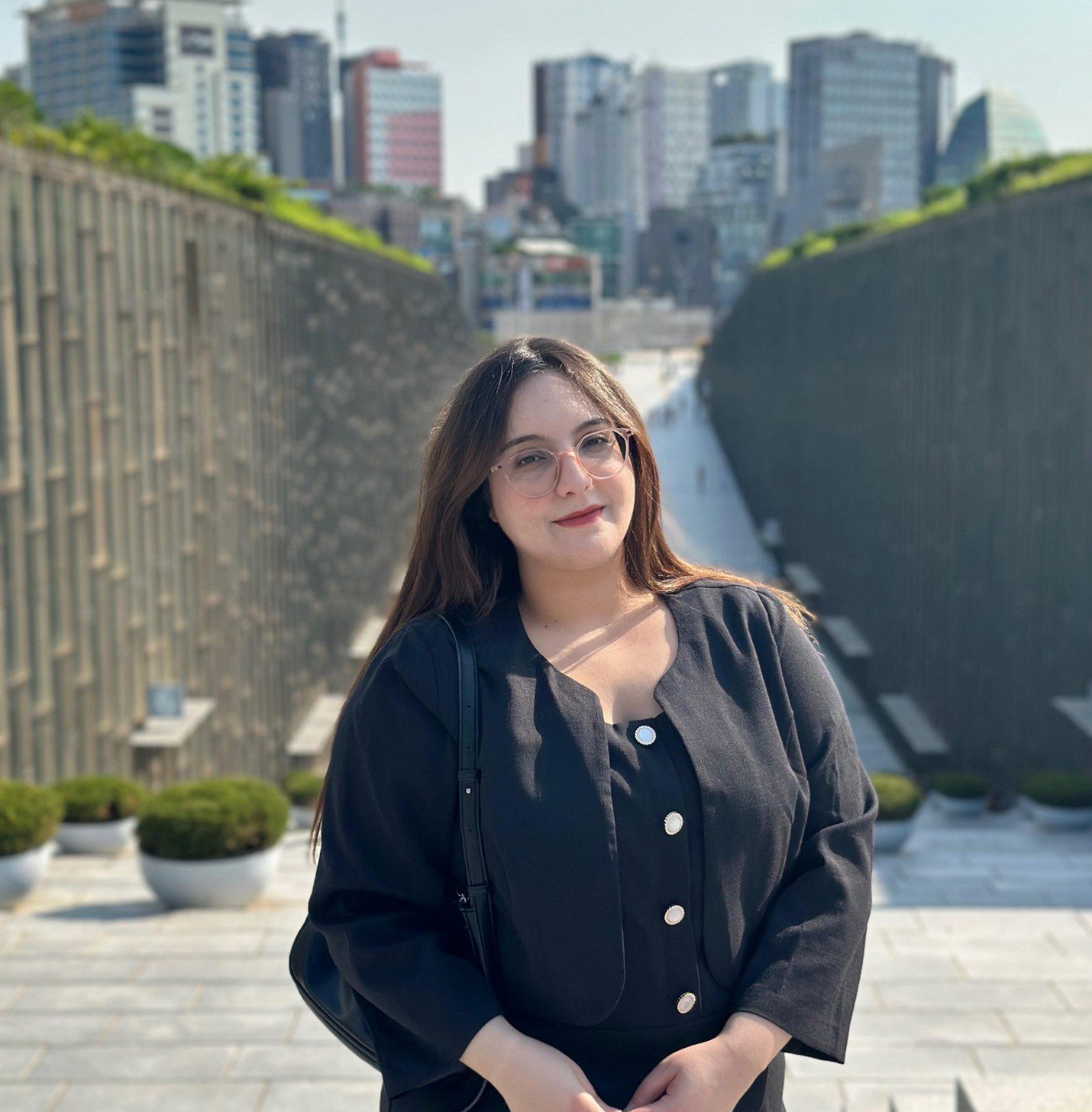
Hi! My name is Oumaima Latrech, a Moroccan currently residing in South Korea. I am a recent alumna of the Global Korea Schol .... Read more
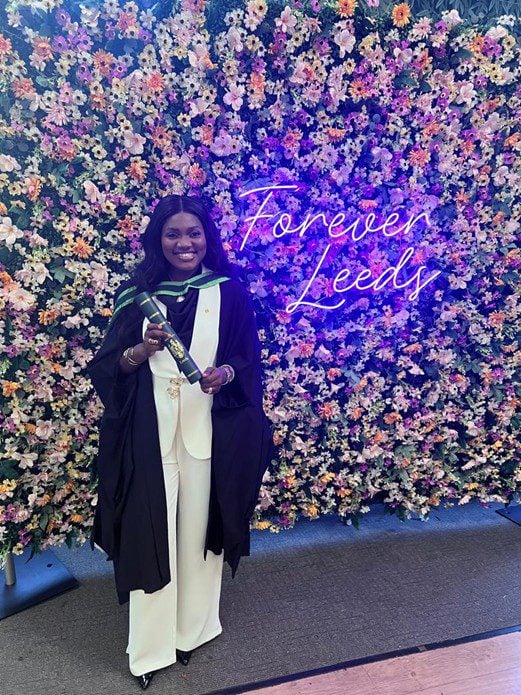
My name is Odion Judith Uzamere, and I am from Nigeria. I have a background in public health and a strong passion for improv .... Read more
My name is Naik Muhammad, and I was born and raised as an Afghan refugee in Khyber Pakhtunkhwa, Pakistan. Growing up as a re .... Read more
Leave A Comment