
Fulbright Scholar from Pakistan, Hareem Z Khattak, Shares Her Journey of Pursuing a Master’s in Literature and Social Justice at Lehigh University, USA
University: Lehigh University, Pennsylvania, USA
Degree: Master of Arts (MA) in English Literature – Literature and Social Justice (LSJ) Program
Previous Education: Bachelor of Science (BS) in English – Islamia College Peshawar (CGPA: 3.92/4.00, Gold Medalist); Global UGRAD Semester Exchange Program – Nazareth University, Rochester, USA
Scholarship: Fulbright Master’s Scholarship (USD $80,000–$100,000) – Fully Funded (tuition, textbooks, airfare, living stipend, and health insurance)
Other Offered Scholarships: Lehigh University Tuition Waiver (~USD $55,000)
Social Media
LinkedIn: linkedin.com/in/hareemkhattak/
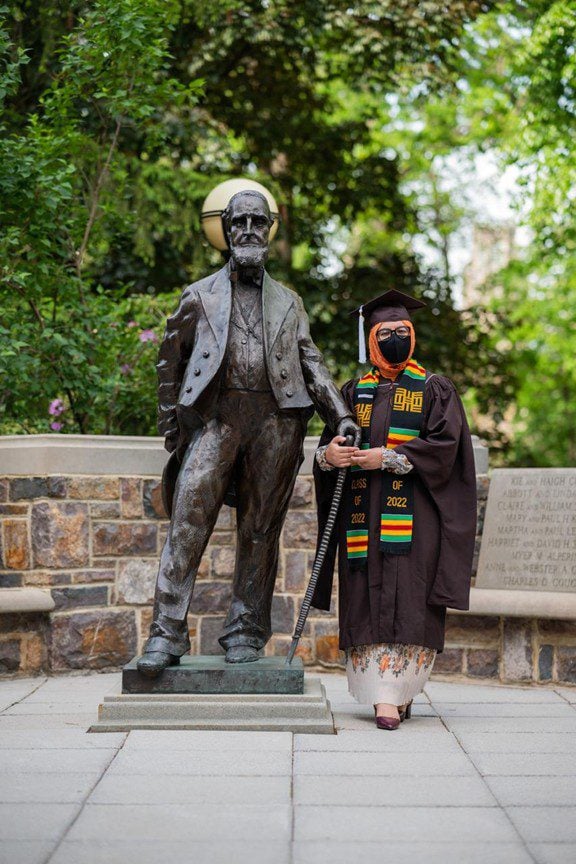
The Journey
Hi, I am Hareem Z Khattak. I belong to a small town, Nowshera, from the Khyber Pakhtunkhwa (KPK) province of Pakistan. I am the elder of four siblings and a cat. I hold a Master of Arts (MA) in English Literature. The intersection of Literature and Social Justice drives my passion for this field, and for this reason, I pursued my MA at Lehigh’s Literature and Social Justice (LSJ) program. For my PhD, I plan to expand on the same and find my scholarly footing, bridging the gap between policymaking and storytelling.
Fulbright Scholarship Details
I received a Fulbright Master’s Scholarship (~ $80,000 – $100,000) from Pakistan to pursue my two-year MA at Lehigh University, Bethlehem, Pennsylvania, USA. Fulbright is the flagship educational exchange program of the U.S. government. The Fulbright scholarship is managed by the United States Educational Foundation in Pakistan (USEFP) under Fulbright policies and regulations. The scholarship funds graduate study at universities all over the United States for a Master’s or PhD degree, including tuition, required textbooks, airfare, a living stipend, and health insurance.
Were You Offered any Other Scholarships?
Lehigh did offer me a scholarship that waived my tuition (~$55,000) in addition to the Fulbright scholarship awarded by State Department itself. (Lehigh also usually offers a GA studentship to MA/PhD students if one qualifies for it.)
Educational Background
I hold a Bachelor of Science (BS) in English (2014 – 2018) from Islamia College Peshawar (one of the oldest institutes in Pakistan and having played a key role in its independence movement). I graduated at the top of my cohort with a CGPA of 3.92/4.00 and qualified for the Gold Medal. I was unable to formally receive the medal due to my participation in the Global UGRAD Semester Exchange Program at Nazareth University, Rochester (2017), which resulted in a shortfall in the on-campus attendance requirement, as credits from the exchange were not transferred. My passion for writing, active participation in college debates, particularly on national platforms, and success in various student leadership roles during my undergraduate years prepared me well for my Fulbright. Additionally, the guidance and mentorship I received at Islamia College Peshawar, especially from Dr. Ateeq-ur-Rehman, played a significant role in my preparation. From GRE preparation to reviewing my statement of purpose and providing thoughtful letters of recommendation, my teachers were instrumental in my success in the program.
How Did You Prepare to Apply to Lehigh University?
How Did You Find Information About the Fulbright Scholarships and Lehigh University?
I learned about the Fulbright Program through two primary sources. First, my participation in the Global UGRAD Semester Exchange Program exposed me to international academic opportunities and scholarship pathways. Second, mentorship from Ms. Nadia Gul, who had herself received a Fulbright award and was the only faculty member in my department with a Fulbright-funded master’s degree, played a significant role in guiding and encouraging me to apply.
Additionally, I prepared for my applications primarily through the guidance and structure provided by the Fulbright Program itself. One of the strengths of the Fulbright Program is that applicants are not required to independently identify institutions or academic programs. The Institute of International Education (IIE), in coordination with Fulbright, facilitates the placement process. While the application does include an option to indicate preferred programs or universities, I lacked adequate guidance on identifying and selecting suitable programs, which limited my ability to make use of this option at the time. As the first member of my family to apply for study abroad, I had limited access to guidance and information during the application process. I learned about this option only after receiving my acceptance. Ultimately, IIE managed the placement on my behalf, which worked out well for me.
Did You Take Any Standardized Tests? If So, How Did You Prepare for Them?
I took the GRE, which is required as part of the Fulbright application process. After selection, I also took the TOEFL, with the cost fully funded by the Fulbright Commission. Preparing for the GRE was challenging in two significant ways: academically and financially. With no prior exposure to standardized testing, I had to build my understanding from the ground up. I relied on a combination of self-study methods, including YouTube, apps, and preparation books. I prepared for roughly four months. While my score was not as high as I had hoped for placement in certain programs, I met the required threshold. From a financial perspective, the test fee posed a substantial challenge in PKR. I saved my first four months’ salary from my first job to cover the cost. Looking back, although I joke about it, this experience remains a source of pride for me, as it reflects the perseverance and resilience I showed during that period.
How Did You Prepare to Apply to the Fulbright Scholarship?
My preparation for the scholarship application involved many key components: drafting and refining my statement of purpose, writing a research interests essay, and securing recommendation letters from three faculty members. Having previously applied for the Global UGRAD Program, I was already familiar with the general structure of an SOP, which made that component more manageable. The research interests essay, however, required deeper reflection and careful planning. To develop my research focus, I revisited the courses I had completed during my undergraduate studies, identified the subjects I found most engaging, and considered the academic direction I wished to pursue. This process led me back to my undergraduate thesis on resistance writing in the works of Palestinian writer Ghassan Kanafani. I later expanded on this research during my LSJ program at Lehigh University, which helped strengthen the coherence of my academic narrative.
I worked closely with my faculty recommenders by providing them with my updated CV and draft statements to ensure consistency across my application. Updating my CV was a particularly instructive experience, as I had to carefully tailor it for a highly competitive program. In the year I was selected, i.e., 2020, approximately 2,000 applicants competed for around ~100 awards, making the acceptance rate only 5 percent. This underscored the importance of a well-crafted CV. To guide this process, I reviewed sample Fulbright CVs, consulted online resources, and listened to interviews with former Fulbright scholars to better understand what the program seeks in candidates.
Overall, the preparation process took nearly four months, culminating in my hitting that submit button in April of 2019. (Yes! It takes about a year before you can embark on that plane of your dreams. For me, though, because of Covid-19, it became a year and a half before I could attend my in-person classes in January of 2021.)
What Do You Think Made Your Application Stand Out?
I believe my application stood out primarily because of my clear commitment to returning and serving my community. I understood that the Fulbright Program would provide access to academic and professional opportunities that would otherwise have been beyond my reach, including an education I could not have afforded independently. More importantly, I recognized Fulbright as an institution that goes beyond facilitating an international degree; it represents a structured investment in the academic and professional development of individuals who are positioned to create meaningful impact in their home communities. Articulating this understanding and intended impact strengthened my application.
In addition, my strong co-curricular involvement and leadership roles demonstrated my ability to engage beyond the classroom. My communication skills, both during the application process as well as in the rigorous interview conducted by Embassy staff and former Fulbright scholars, also contributed to my application’s strength. Finally, my solid academic credentials were a cherry on top for my overall profile. I say this because, for Fulbright in particular, only academics won’t make the cut.
What Would You Have Done Differently if You Were Going Through the Process Again?
If I were to go through the process again, I would invest more time in researching programs and universities that align closely with my long-term career goals. With greater clarity on program fit, I would then tailor my academic preparation and standardized test performance accordingly. I would also refine my statement of purpose more rigorously by clearly articulating my objectives and being more specific about the faculty members I would hope to work with.
Additionally, I would make fuller use of all available resources to identify the best-fit programs and develop a structured application strategy. I would allow myself at least a year to prepare, apply more broadly and strategically, and target a wider range of competitive programs to maximize my chances. Most importantly, wouldn’t self-reject for sure!
What Advice Would You Give Those Looking to Apply for a Similar Scholarship?
I share this advice frequently through my work with students and prospective applicants for Fulbright, Erasmus, and other competitive scholarships. I always encourage applicants to begin by identifying the best-fit programs, which requires first answering a fundamental question: why do you want to pursue this scholarship or program? If the primary motivation is simply studying abroad: a recipe for disaster or easy failure in this case. Competitive scholarships invest in individuals who want to create meaningful impact in their fields, so it is essential to identify the specific niche where you aim to contribute. I often remind students to think ‘IMPACT’ rather than ‘BIG’, clarity of purpose matters more than scale.
Once that purpose is defined, the next step is to identify programs that align with it. I recommend creating a detailed tracking sheet outlining each program’s requirements and timelines. Applicants should prioritize elements that require significant lead time, such as degree completion, transcripts, institutional verifications (particularly in Global South contexts), and passport documentation. Financial planning for application and testing costs is equally important at this stage.
Securing strong recommendations is another critical component. I advise applicants to approach potential recommenders at least two months in advance and to provide them with a well-tailored, updated CV and draft statements. The statement of purpose is also an extensive process; you should be prepared for at least 10 draft revisions before you hit that submit. For research-focused components, seeking honest feedback is the key to strengthening the application.
Most importantly, I encourage applicants to keep applying. The real loss is not rejection but choosing not to apply at all. The application process itself is deeply instructive, and many of my students attest that the skills, clarity, and confidence they gain through applying are valuable outcomes in their own right.
Want to submit your
scholarship journey?
Submit Your Story Here!
More Scholarship Recipients
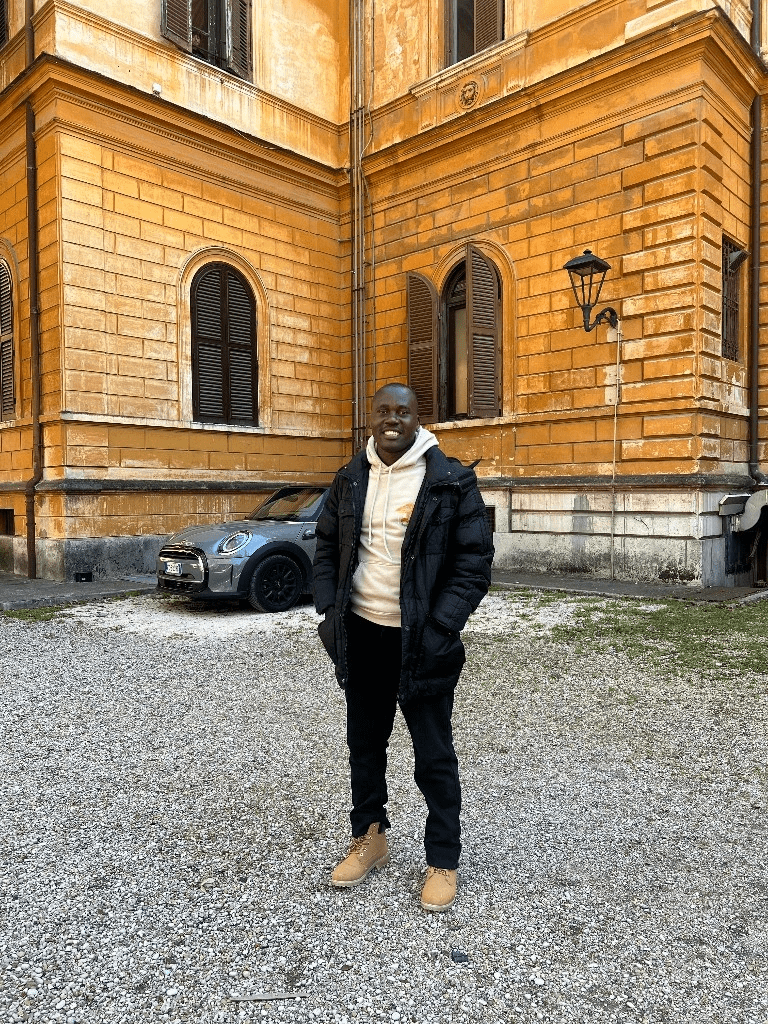
I am Edgar Abaho from Uganda, currently pursuing a Joint Master’s Degree in Mathematical Modelling and Optimization at the .... Read more
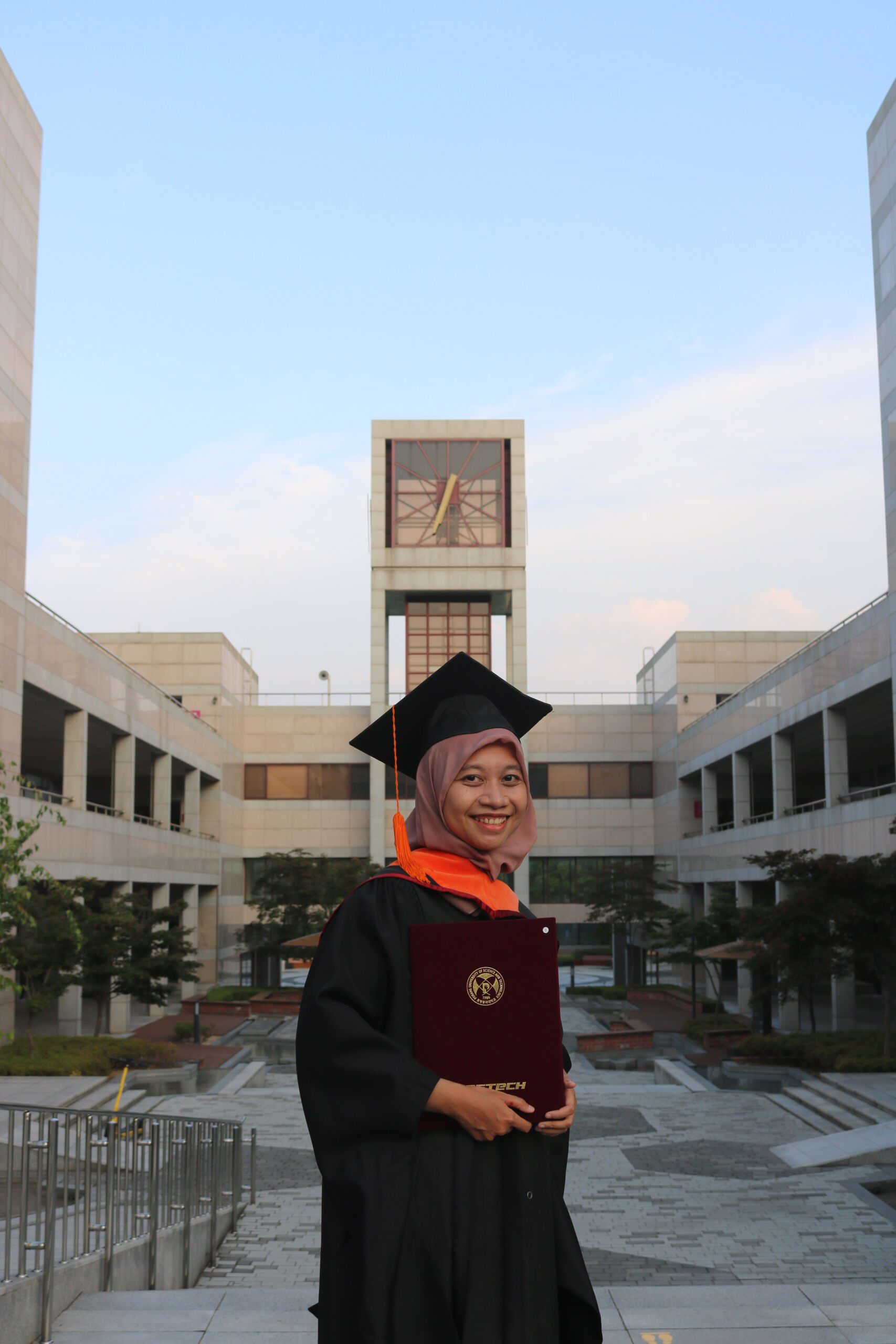
Hello, I am Virda from Indonesia. I come from a small city and was fortunate to have the opportunity to pursue my bachelor� .... Read more
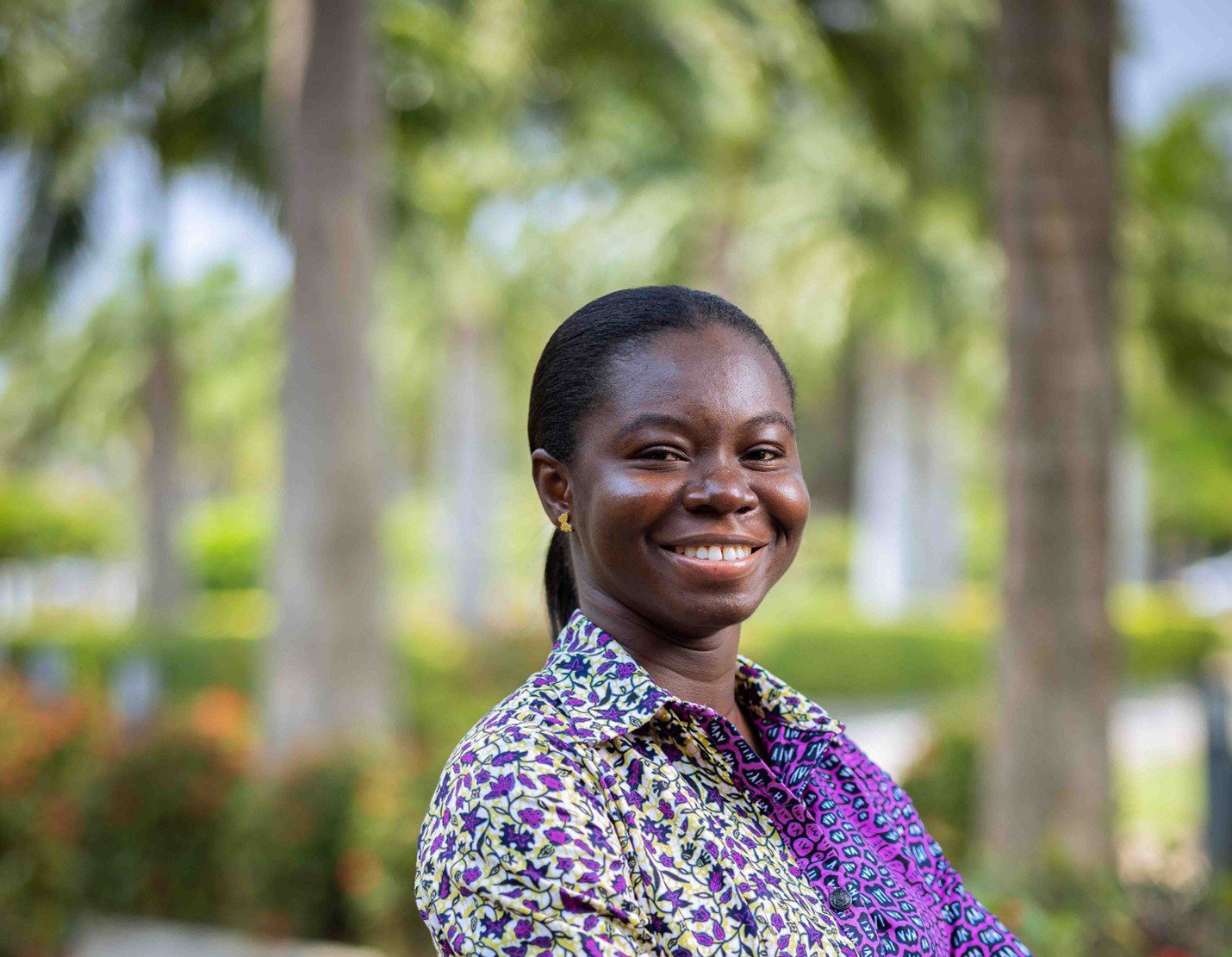
Tessia Boateng, affectionately known as AmaTess among family and close friends, is a young Ghanaian professional with a grow .... Read more
Leave A Comment