
Marie Skłodowska-Curie Fellow from China, Guiqiu Liao, Shares His Journey of Pursuing a Double PhD in Informatics and Computer Science at the University of Strasbourg and the University of Verona
University: University of Strasbourg, France & University of Verona, Italy
Degree: Double PhD in Informatics/Computer Science
Previous Education: Master’s in Instrument Science & Technology – Shanghai Jiao Tong University, China; Bachelor’s in Measurement & Control Science and Technology – Chongqing University, China
Scholarship: Marie Skłodowska-Curie Fellowship (ATLAS – Autonomous intraLuminAl Surgery Project) – Fully Funded (living allowance ≈ €3,300/month + mobility allowance ≈ €600/month, tuition, training, and travel support)
Social Media
LinkedIn: linkedin.com/in/guiqiu-liao/
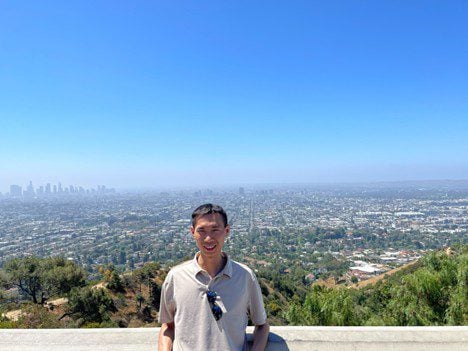
The Journey
My name is Guiqiu Liao. I was born and raised in Chongqing, China, where I built my first intelligent car prototype and aerial robot during my undergraduate studies. After earning a bachelor’s degree in Measurement & Control Science and Technology from Chongqing University, I completed a master’s degree in Instrument Science & Technology at Shanghai Jiao Tong University. I then pursued a double PhD in Informatics/Computer Science at the University of Strasbourg (France) and the University of Verona (Italy) under the Marie Skłodowska‑Curie fellowship; my thesis focused on analysis and correction of optical‑coherence‑tomography (OCT) images for robotic flexible endoscopes. I am now a postdoctoral researcher in surgical data science at the Department of Surgery, University of Pennsylvania, where I integrate AI and computer vision to improve surgical safety.
Marie Skłodowska‑Curie Fellowship Details
I was awarded the Marie Skłodowska‑Curie Fellowship as part of the Autonomous intraLuminAl Surgery (ATLAS) project. ATLAS is a European Union Horizon 2020 Marie Skłodowska‑Curie Innovative Training Network (ITN) focused on training early‑stage researchers in surgical robotics; it provides comprehensive scientific, technical, business, and ethical training and promotes advances in sensor technology, actuation for continuum robots, and modelling of anatomical structures. My fellowship funded a double PhD at the University of Strasbourg and the University of Verona. Typical MSCA–ITN fellowships consist of a living allowance (around €3 300 per month) and a mobility allowance (~€600 per month); however, the exact payment depends on the country’s correction coefficient and personal circumstances, so please let me know the actual stipend figure you would like to publish. The fellowship also covered tuition, training activities, and travel to network‑training events across Europe, enabling me to work closely with multiple supervisors and laboratories.
Were You Offered any Other Scholarships?
During my master's study years, I was offered to stay at my lab in Shanghai Jiao Tong University to continue PhD study. But I decided to pursue my PhD study abroad, and at the time I heard about the Marie Curie scholarship offers really good program.
Educational Background
| Degree (year) | Institution | Major/Thesis | GPA/Rank |
| Double PhD (Oct 2019 – Jan 2023) | University of Strasbourg, France & University of Verona, Italy | Informatics/Computer Science; thesis “Analysis and correction of OCT images for the control of robotic flexible endoscopes.” | N/A (European PhD) |
| Master’s degree (Sept 2016 – Mar 2019) | Shanghai Jiao Tong University, China | Instrument Science & Technology; thesis “Research on Reliability Enhancement for Navigation and Control of Rotor‑craft.” | 3.48/4.0 GPA |
| Bachelor’s degree (Sept 2012 – Jun 2016) | Chongqing University, China | Measurement & Control Science and Technology; dissertation “Autonomous Navigation and Precise Positioning for Quadcopter Helicopter.” | 3.57/4.0 CGPA (3rd of 107 students) |
These degrees gave me a strong foundation in control systems, robotics, and computer vision. My Bachelor’s projects included designing autonomous vehicles and aerial robots, while my Master’s research focused on indoor aerial robot navigation and UAV‑based structural inspection. This technical background prepared me to tackle OCT imaging, sensor fusion, and AI challenges in surgical robotics.
How Did You Prepare to Apply to the University of Strasbourg and the University of Verona?
I first learned about the ATLAS training network through online searches. I tried to broadly find any PhD program in robotics. The project’s objectives, covering sensor technology, continuum‑robot actuation, and modelling for autonomous surgery, aligned perfectly with my interests in robotics. I was quite curious about its application to robotics at that time.
Since the ATLAS programme was based in Europe, fluency in English sufficed for the application. One year before the application, I started to improve my English and intentionally practiced it more with international students at my university in Shanghai. I took the IELTS and obtained a C1 level before my application.
How Did You Prepare to Apply to the Marie Skłodowska‑Curie Fellowship?
The Marie Skłodowska‑Curie fellowship has a competitive selection. I prepared a personal objective outlining how my background in machine learning and robotics would contribute to the PhD topic, aligned with ATLAS objectives. I emphasised my cross‑disciplinary experience and leadership in winning scientific competitions. I also tried to understand the papers published by the group I was applying to.
How is (was) Your Experience at the University of Strasbourg and the University of Verona?
My PhD experience was truly international. ICUBE Laboratory (University of Strasbourg) provided strong support in medical imaging and robotics. I developed manufacturing and image‑processing solutions for catheterized and robotized OCT, created an automatic control algorithm for OCT in the colon, and coordinated system integration while mentoring master’s students. At the ALTAIR Robotics Laboratory (University of Verona), I focused on intravascular ultrasound segmentation and privacy‑preserving federated learning. The ATLAS network organized training workshops on device translation, soft robotics, and ethical aspects, allowing me to learn from experts across Europe. Both Strasbourg and Verona are extremely beautiful cities.
How Do You Rate the University of Strasbourg and the University of Verona Academically and Why?
Both universities are research‑intensive. The University of Strasbourg is a leading European institution with strong programmes in computer science and biomedical engineering, while the University of Verona’s ALTAIR Robotics Laboratory is renowned for surgical robotics. The ATLAS programme’s structured training, supervision, and mobility across institutions provided a level of academic and professional development that I would rate very highly.
How Do the University of Strasbourg and the University of Verona Support International Students?
The host institutions and the ATLAS network offered comprehensive support. Administrative offices helped with visas and housing, and language courses were available for French and Italian. The project coordinator organized regular meetings and travel arrangements, and the cohort of fellow early‑stage researchers created a supportive community. If you have specific questions about housing, visas, or culture, feel free to ask.
Are Your Classes Conducted in English or French/Italian?
Most research activities, seminars, and training modules were conducted in English, as ATLAS is an international programme. Supervisors and colleagues were fluent in English, so I rarely experienced language barriers in the laboratory. Some administrative documents and daily life in France or Italy require knowledge of French or Italian, so learning basic phrases is helpful. Not knowing the local language does not hinder academic progress, but being open to learning it will enrich your experience.
What Did You Pursue After the Scholarship?
After completing my PhD in January 2023, I joined the Department of Surgery at the University of Pennsylvania as a postdoctoral researcher. My role involves integrating AI models into surgical workflows and collaborating with clinicians, engineers, and computer scientists to make surgery safer.
What Do You Think Made Your Application Stand Out?
Several factors made my application stand out:
- Strong interdisciplinary background: Experience in robotic hardware and software, instrument science, and optics demonstrated that I could contribute to the specific project.
- Academic excellence: High GPAs during my bachelor’s and master’s studies, national prizes, and scholarships.
- Winning in national scientific competitions showed my interest in solving problems in scientific research.
What Would You Have Done Differently if You Were Going Through the Process Again?
Looking back, I would start preparing earlier. Building relationships with potential supervisors before the call opens can refine your research idea. I would also learn more French and Italian before arrival to ease daily life.
What Advice Would You Give Those Looking to Apply for a Similar Scholarship?
Start early and research thoroughly: Understand the objectives of the scholarship programme and ensure your research interests align with them. Explore the participating institutions and contact supervisors ahead of time.
Tailor your application: Emphasise how your background fills a niche in the project. Highlight interdisciplinary skills, relevant research and leadership experiences.
Network and communicate: Engage with current fellows, attend conferences, and join mailing lists. Building relationships can provide insights and support.
Plan for logistics: Gather transcripts, references, and language certificates. If moving abroad, consider cultural and language preparation; basic proficiency in the host country’s language eases daily life.
Want to submit your
scholarship journey?
Submit Your Story Here!
More Scholarship Recipients
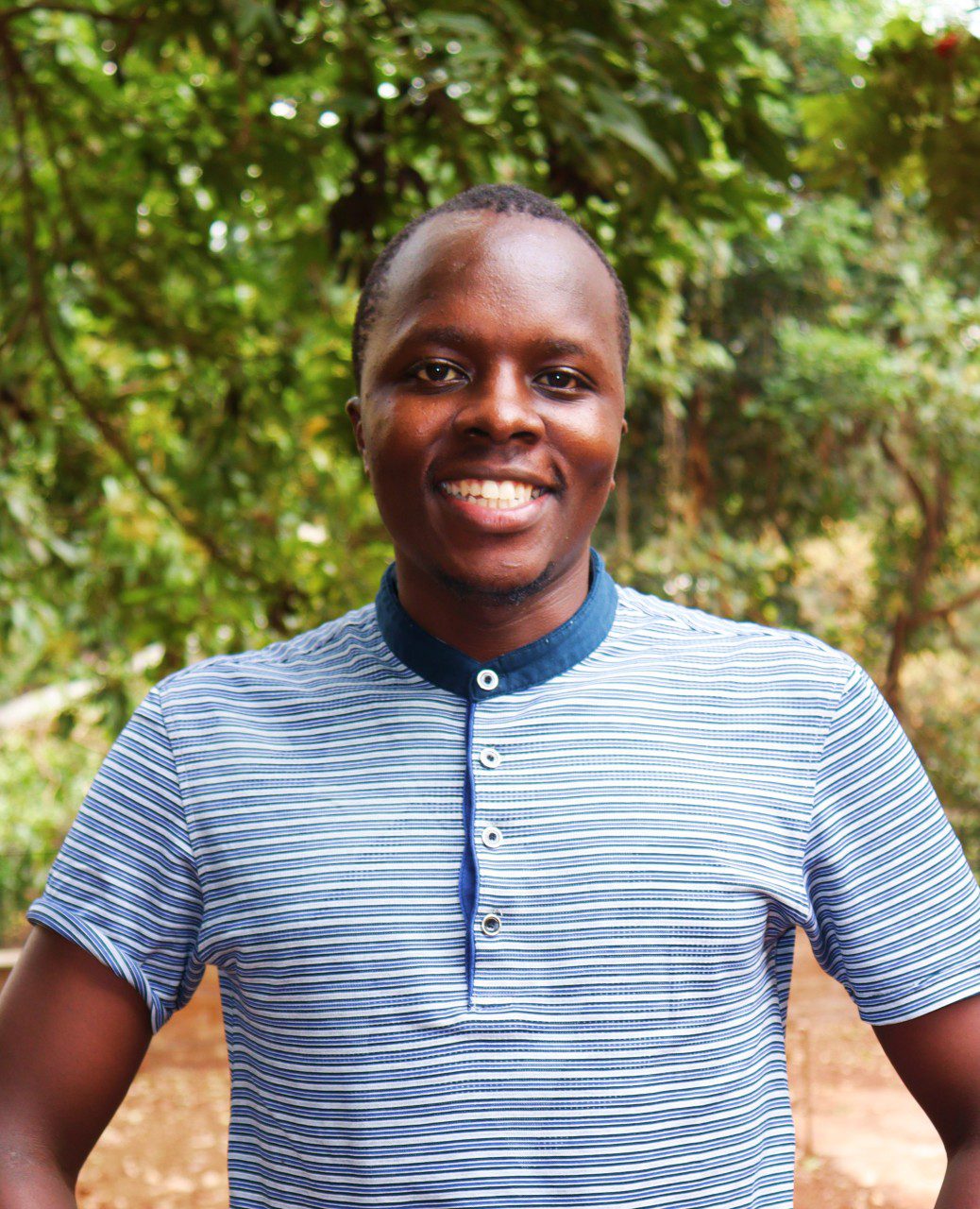
My name is Calvin Rock. I’m a passionate writer of poetry, flash fiction, and, occasionally, commentaries. Professionally, .... Read more
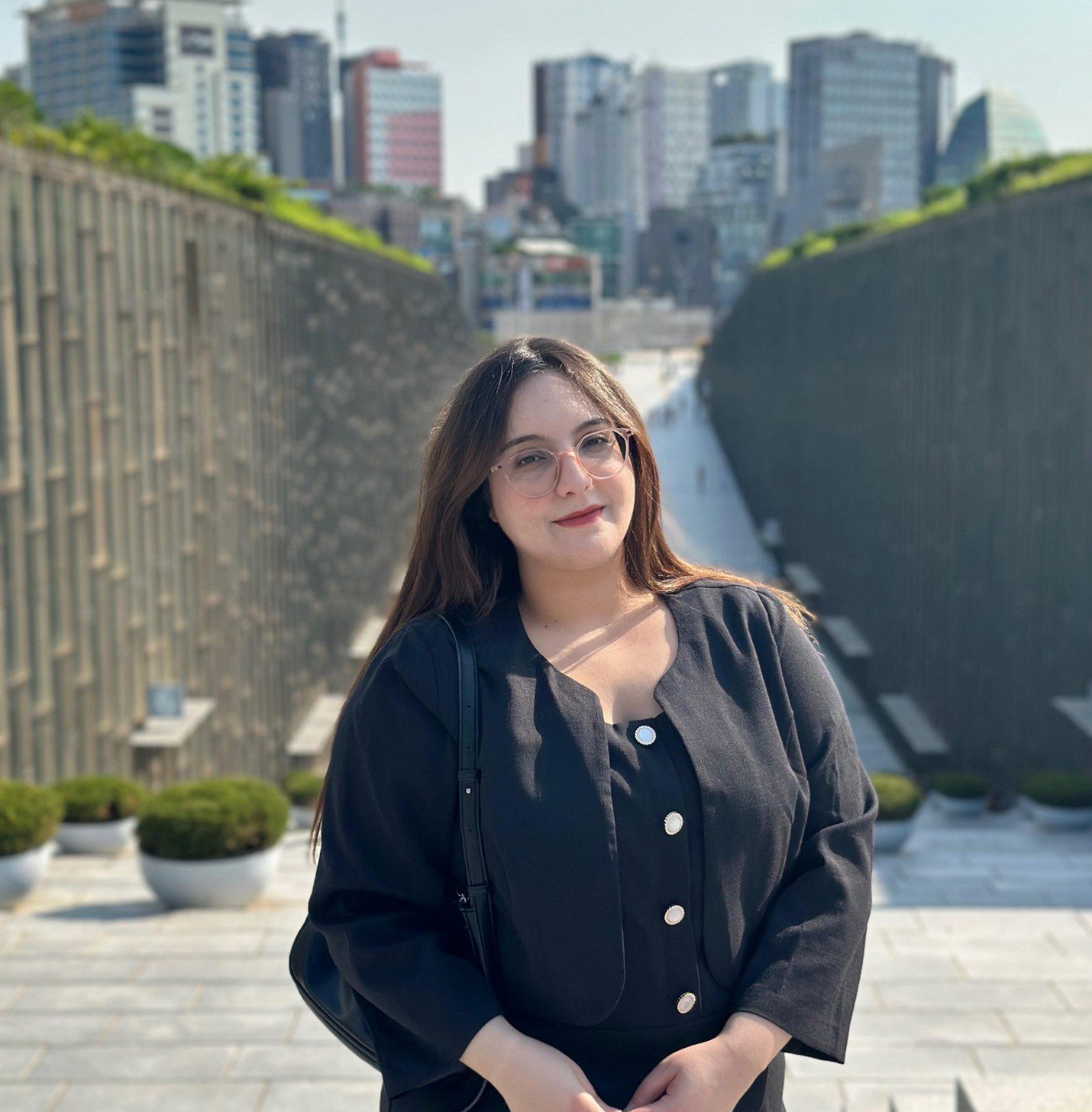
Hi! My name is Oumaima Latrech, a Moroccan currently residing in South Korea. I am a recent alumna of the Global Korea Schol .... Read more
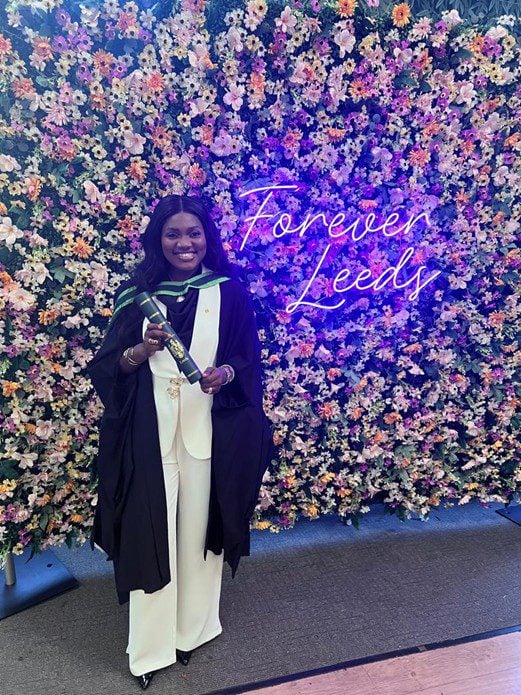
My name is Odion Judith Uzamere, and I am from Nigeria. I have a background in public health and a strong passion for improv .... Read more
Leave A Comment