
Global Korea Scholarship Recipient from Denmark, Freja Boe Møller, Shares Her Journey of Pursuing a Master’s in Korean Studies at Yonsei University, South Korea
University: Yonsei University, Seoul, South Korea
Degree: Master’s in Korean Studies (Concentration: Korean Culture, Society, and History)
Previous Education: Bachelor’s in Intercultural Education and Danish as a Second Language – University in Denmark
Scholarship: Global Korea Scholarship (GKS) – Fully Funded (covers tuition, flight tickets, monthly allowance, health insurance, TOPIK fees, and more)
Other Offered Scholarships: Hankuk University of Foreign Studies Global Exchange Scholarship
Social Media
LinkedIn: linkedin.com/in/frejaboemoeller/
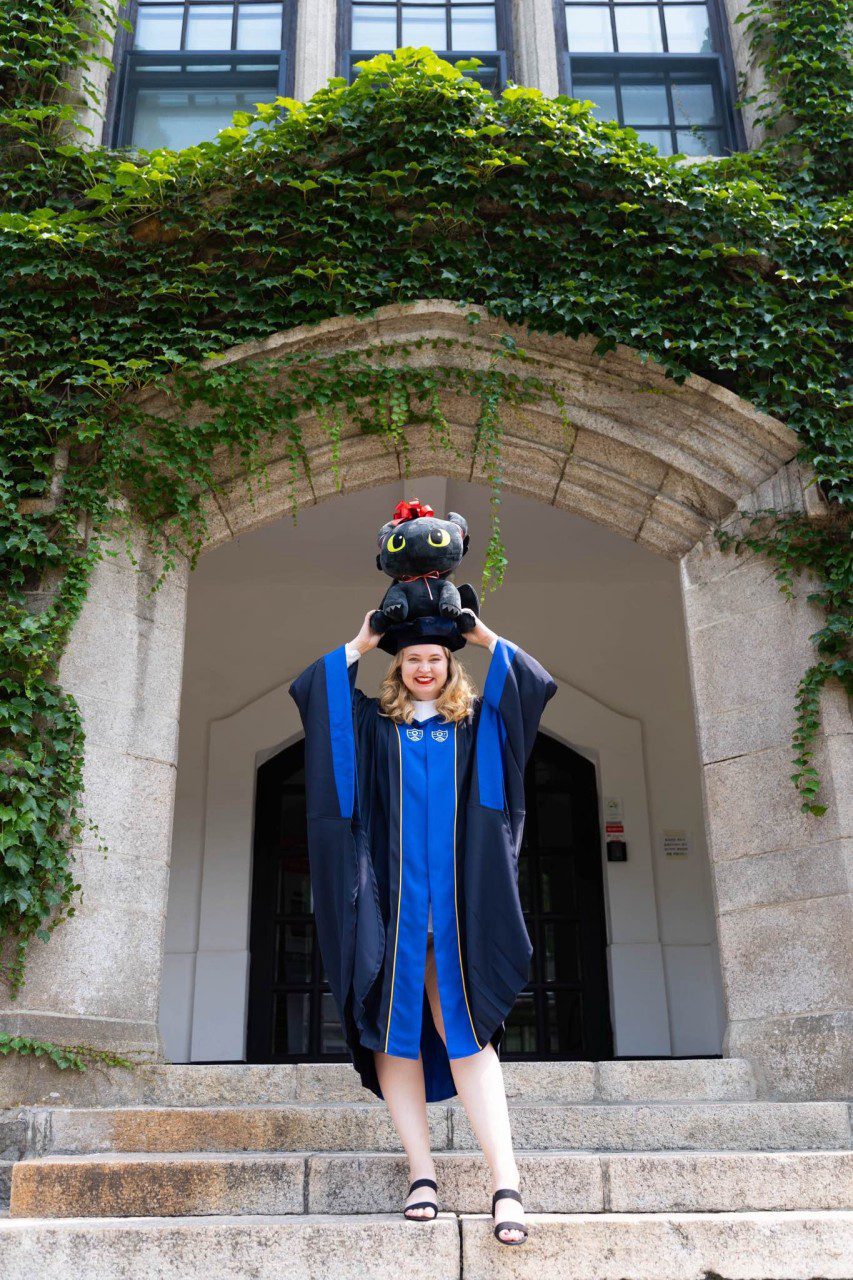
The Journey
Hi! My name is Freja, and I come from Denmark. I come from a family of teachers and have, therefore, from a young age, been surrounded by a fascination with language, culture, and history. As a researcher, I am very interested in why people act and think the way they do, and I believe these three areas (among others) provide great insight into that.
For my Bachelor’s degree, I studied Intercultural Education and Danish as a Second Language, which is a programme that combines linguistics, cultural studies, education, identity, and immigration all in one. I was particularly interested in studying bilingual children and people’s sense of belonging, for example, with adoptees.
During my bachelor’s degree, I was an exchange student for a semester at Hankuk University of Foreign Studies in Seoul, South Korea. I had already been to Korea at that point and really wanted to return.
For my Master’s degree, I was fortunate to receive the Global Korea Scholarship (GKS). Because of that, I studied Korean full-time for a year and then completed my Master’s in Korean Studies, with a concentration in Korean culture, society, and history, at Yonsei University in Seoul.
Global Korea Scholarship Details
I received the Global Korea Scholarship (GKS) in 2019. I studied Korean at Chosun University in Gwangju for the first year and then completed my Master’s degree at Yonsei University’s Graduate School of International Studies from 2020–2022.
The scholarship covers a variety of expenses, such as flight tickets, tuition fees, monthly allowance, TOPIK fees, health insurance, etc. The conditions and rules may have changed since then, but during my time, we received around 1,000,000 won per month as a living allowance.
Were You Offered any Other Scholarships?
Hankuk University of Foreign Studies Global Exchange Scholarship:
A scholarship awarded by HUFS to a few newly admitted exchange students with a strong academic background. You do not apply for this scholarship; the recipients are selected by HUFS. We received around 1,000,000 won.
In return, we volunteered at a children’s library once a week and participated in their peer tutoring language programme.
The Global Scholarship for GKS Students:
Recipient in autumn 2021. This scholarship is awarded to GKS students with outstanding grades and significant extracurricular involvement. The amount was 500,000 won.
Educational Background
Bachelor’s degree: The Danish education system uses its own grading scale, which makes it difficult to convert directly into the GPA system. However, to qualify for the GKS scholarship, applicants must hold a cumulative GPA of 80% or higher or be ranked within the top 20% of their class. My academic performance placed me within this requirement.
The Danish system is generally quite modest, and we do not have academic awards or similar distinctions.
Master’s degree: In Korea, the GPA system is used. My CGPA was 4.12/4.30. I was on the Dean’s List for my last three semesters and, in the end, received the Programme Award for Academic Excellence, as I had the highest CGPA among the students in Korean Studies.
How Did You Prepare to Apply to Yonsei University?
How Did You Find Information About Scholarships and Institutions?
I first learned about the GKS scholarship in high school. Unfortunately, Denmark is not part of the undergraduate programme, so it is only possible to apply for the graduate programme. However, this gave me several additional years to build a strong profile as an applicant.
When it was time to apply, I researched all the institutions receiving students through the scholarship and compared their Korean Studies programmes, as I knew from the outset that this was the field I wanted to pursue. I looked at their course structures, academic focus, faculty members, and overall reputation before ranking my preferences. In the end, Yonsei University was my first choice.
Did You Take Any Standardized Tests? If So, How Did You Prepare for Them?
I lived in London, England, for one year between 2015–2016. During that year, I took
the Cambridge English exams. After three months of classes, I took the CAE (C1) exam, and after an additional six months, I took the CPE (C2) exam. I therefore attached my CPE results when applying for the GKS scholarship.
If I had not lived in England, I likely would not have taken an English exam, as that is not a common thing to do in Denmark.
How Did You Prepare to Apply to the GKS Scholarship?
I know that Korea, as a country, values a variety of factors when it comes to applications: grades, language skills, cultural and historical understanding, volunteer work, etc. I therefore focused on developing these areas in the years leading up to my application.
I first volunteered full-time in Seoul in 2015 for half a year as a gymnastics and swimming assistant for children aged 3–5. In 2018, I returned as an exchange student. This gave me a valuable opportunity to deepen my knowledge of Korean society and language. Alongside my daytime volunteer work, I also volunteered as an English teacher for adults, at a Korean palace festival, and in several other contexts.
As an exchange student, I also volunteered in additional roles beyond the children’s library previously mentioned.
During my bachelor’s degree and my exchange semester at HUFS, I naturally aimed to achieve the highest grades possible.
As mentioned, I volunteered in Korea, but I also continued volunteering in Denmark – especially with the organisation through which I had first travelled to Korea in 2015.
I was deeply interested in the Korean language, culture, and history, so I studied these subjects independently as much as possible. My views on certain societal and historical issues formed a significant part of my initial interview with The Embassy of the Republic of Korea in Denmark, so I have a feeling that my genuine passion for the country helped me receive the scholarship in the end, as only one Dane is selected each year.
How is (was) Your Experience at Yonsei University?
My experience was unfortunately out of the ordinary, as we had only been in Korea for 4-5 months before COVID-19 reached Asia. Naturally, Korea has many Chinese students, so the pandemic escalated very quickly and rather frantically for us.
As a result, the remainder of my language year and my entire Master’s degree were conducted online. I only visited campus a handful of times to submit paperwork, and finally for my graduation ceremony, which we were thankfully able to hold in person.
It is difficult not to feel disappointed about missing out on some of the experiences I had hoped for. I had dreamed of joining a university club, attending festivals and sports games, and, in general, living the full university experience. That never happened.
That said, I do not regret going. When people ask whether I would rather have been in Denmark during the pandemic, I always answer no. I am glad I went, even though I did not get the full university experience I had imagined. I invested in finding a good flat, knowing I would spend a great deal of time there – and if I may say so myself, it became very cosy, filled with fairy lights and plants. I also met some wonderful people whom I still keep in contact with today.
My university did its best to make our academic experience as engaging and authentic as possible, and I am very grateful for that.
Are Your Classes Conducted in English or Korean?
I attended the Graduate School of International Studies, and our classes were therefore conducted in English – except for the Korean language classes.
Most, if not all, of the Korean language teachers I have had in Korea do not speak English, and the entire class is therefore conducted exclusively in Korean.
Would Potential Students Have Any Problems Academically Not Knowing Korean?
It depends on whether you choose a degree conducted in English or in Korean. Through the GKS scholarship, a lot of the degree programmes are conducted in English, and a large number of international students naturally choose these. However, it is also possible to complete an entire degree in Korean, depending on the programme and university.
Regardless of your degree choice, the first year of the GKS programme is dedicated solely to learning Korean. It is quite intense but extremely useful.
What Did You Pursue After the GKS Scholarship?
After graduating, I (somewhat reluctantly) returned to Denmark. A few months later, I was fortunate enough to secure a position at the NGO through which I had first travelled to Korea in 2015 and where I had volunteered for several years afterwards. At that moment, I was very grateful for proactive teenage Freja – without her, I would most likely not have secured that job.
I was initially hired as a Sending Coordinator. The organisation’s goal was to break down cultural barriers and foster intercultural understanding by enabling young people to participate in cultural exchange through volunteer work abroad. In my role, I coordinated the outgoing Danish volunteers’ placements and logistics, provided emotional and practical support (applications, visas, etc.) before, during, and after their stay, and maintained international partnerships.
After some time, my role evolved, and I became a Volunteer and Organisational Consultant, with responsibility for all national volunteers in Denmark and for supporting the organisation’s growth and development.
I recently left that position, and in a month’s time I will begin working at a very similar organisation, three times the size, as their Organisational Consultant.
What Do You Think Made Your Application Stand Out?
As previously mentioned, I believe several factors made my application stand out:
- I had already lived in Korea for a year.
- I had volunteered not only in Denmark, but also in Korea.
- I had a strong interest in Korean language, culture, and history.
- I already spoke a reasonable level of Korean.
- I understood how to communicate my strengths and motivations strategically in both my written application and interview.
What Would You Have Done Differently if You Were Going Through the Process Again?
My biggest regret was not fully experiencing university life, although that was largely beyond my control. Because of the pandemic, I studied a great deal, so if I could change one thing, it might be to study and stress just slightly less.
During exam season, I would often sit in a study café for nine hours and somewhat enviously watch my friends on Instagram travel around the country during cherry blossom season and when the leaves turned in autumn. Unfortunately, those periods almost always overlapped with our midterm and final exams. Looking back, I probably should have taken a day or two off to go out and enjoy it as well.
Other than that, I would not change much. I loved my flat and my friends. I travelled around the country and visited many new places. I did not get to attend as many concerts and large events as I had hoped, but I still tried to experience as much as possible despite the pandemic.
What Advice Would You Give Those Looking to Apply for a Similar Scholarship?
I know not everyone decides years in advance that they want to apply for a scholarship, as I did, but I would still recommend building the strongest profile you can with the time available to you.
Different countries and education systems prioritise different qualities. Which country do you want to go to? Which university? How can you differentiate yourself from other candidates – and do so in areas that the country values and that are therefore worth your time?
At the same time, remember that you are already unique. The key is figuring out how to make that visible in your application. Academic ability alone is not enough. You also need to know how to present yourself convincingly as both a student and a person – often within the limits of a single piece of paper.
Good luck! I´m rooting for you!
Want to submit your
scholarship journey?
Submit Your Story Here!
More Scholarship Recipients
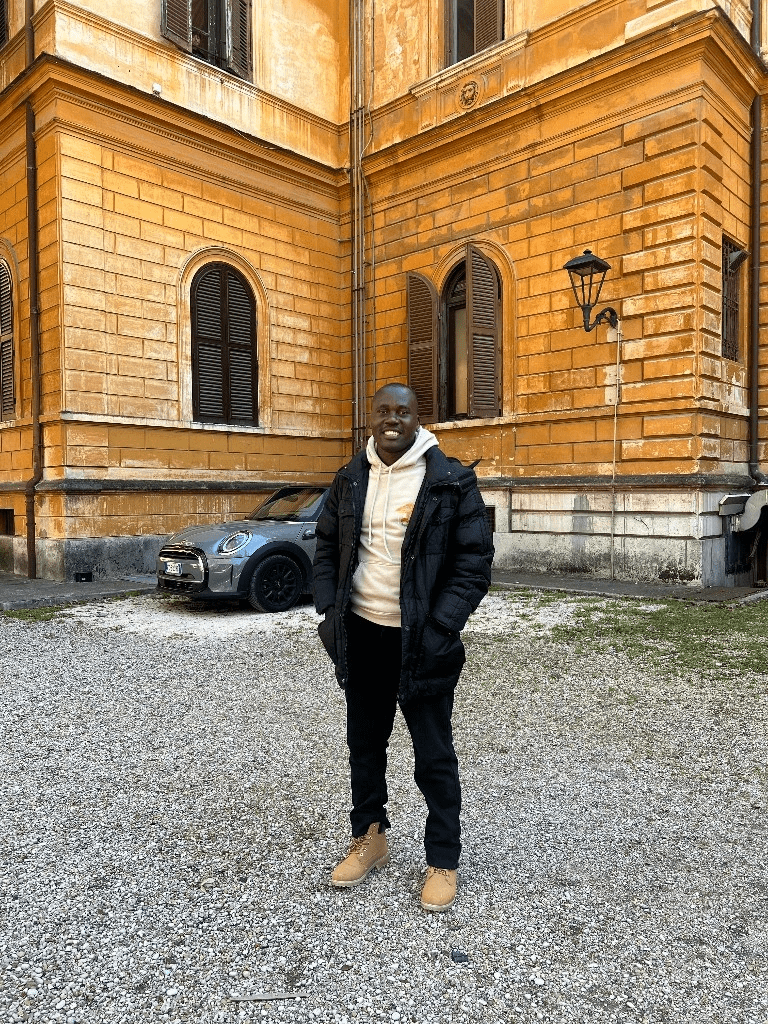
I am Edgar Abaho from Uganda, currently pursuing a Joint Master’s Degree in Mathematical Modelling and Optimization at the .... Read more
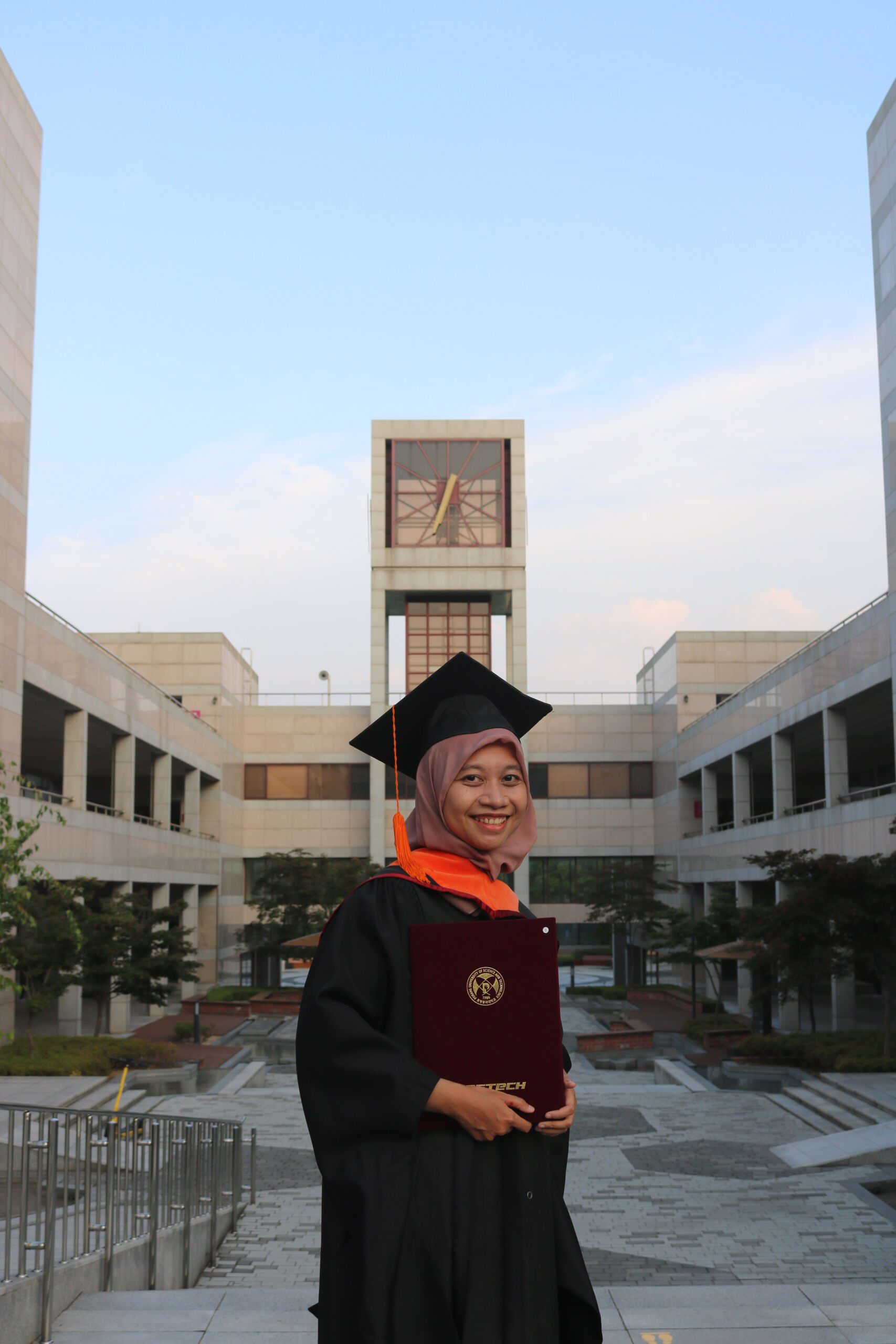
Hello, I am Virda from Indonesia. I come from a small city and was fortunate to have the opportunity to pursue my bachelor� .... Read more
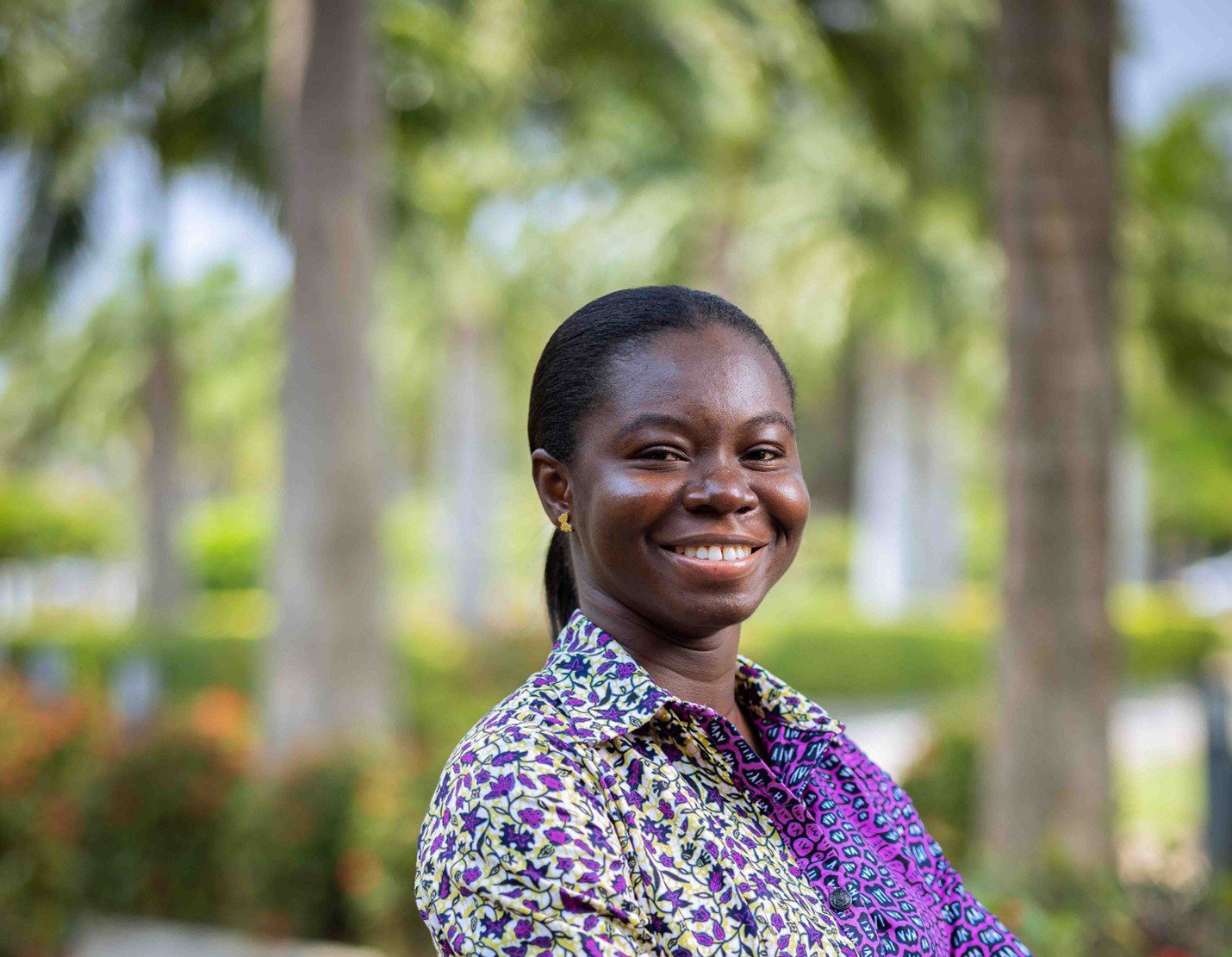
Tessia Boateng, affectionately known as AmaTess among family and close friends, is a young Ghanaian professional with a grow .... Read more
Leave A Comment