
Ludwig Maximilian University of Munich Scholarships for International Students 2027
Ludwig Maximilian University of Munich offers access to scholarships that can reduce tuition burden and sometimes support additional costs. Below are top options prioritized by funding level.
When reviewing university scholarships connected to Ludwig Maximilian University of Munich, these are often the first awards worth checking due to the typical scale of support. Free Tuition is full tuition, and coverage often includes full tuition fees for four years for bachelors degrees, two years for masters degrees, and up to six years for doctorate degrees.
If you are building a wider scholarship strategy for Ludwig Maximilian University of Munich, external and government programs can be important additions. Here are a few to consider. With Marie Skłodowska-Curie Actions, students may receive fully funded support, and coverage frequently includes living stipend, mobility allowance, and special needs, leave, and and/or family allowance (if applicable). DAAD EPOS (Development-Related Postgraduate Courses) is a fully funded award, and the listed benefits often include full tuition fee waiver, health insurance, and A monthly stipend of €934 for Master's students. DAAD Scholarships is usually considered fully funded, and typical coverage can include €992 for master's and €1,300 for Ph.D. students, health insurance, and one-time research allowance.
For more opportunities beyond these highlights, explore the scholarship listings below on this page.
Ludwig Maximilian University of Munich Scholarships for International Students
The scholarships at Ludwig Maximilian University of Munich can help fund your study expenses. There are currently 9 scholarships being offered to international students at the Ludwig Maximilian University of Munich, all with varying requirements, benefits, and application processes. We have compiled them in this list to help you find the scholarship that best fits you.
Undergraduate Scholarships
Graduate Scholarships
External Scholarships
There are many degrees that are open to international students right now — find yours.
Ludwig Maximilian University of Munich Admissions
Here are the official admission pages for Ludwig Maximilian University of Munich:
| Degree | Admissions Pages |
|---|---|
| Bachelor's | International Students Admissions Page |
| Master's | International Students Admissions Page |
Ludwig Maximilian University of Munich Application Deadlines
| Degree | Admission Deadline |
|---|---|
| Bachelor's and Master's (Winter) | July 15, 2026 Different Bachelor's and Master's programs have different deadlines |
| Bachelor's and Master's (Summer) | January 15, 2027 Different Bachelor's and Master's programs have different deadlines |
Tuition Fees at Ludwig Maximilian University of Munich for International Students
Indicative annual tuition fee ranges for international students at Ludwig Maximilian University of Munich. Exact fees vary by program, so always confirm the current cost on the university's official tuition fee pages.
| Degree Level | Typical Annual Range |
|---|---|
| Bachelor's Tuition | Free |
| Master's Tuition | Free |
Please note that tuition fees can vary based on the specific program you choose. For the most accurate and current fee information, consult the official tuition fee pages linked above.
Ludwig Maximilian University of Munich Scholarship Recipients
International students who received scholarships to study at Ludwig Maximilian University of Munich, documented by Global Scholarships.
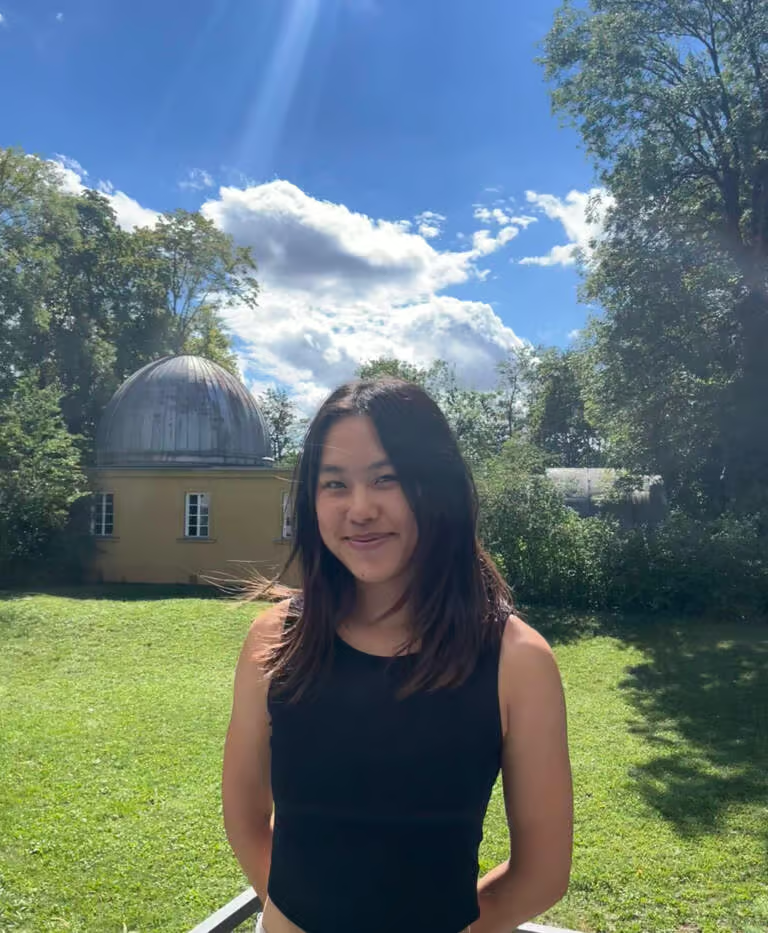
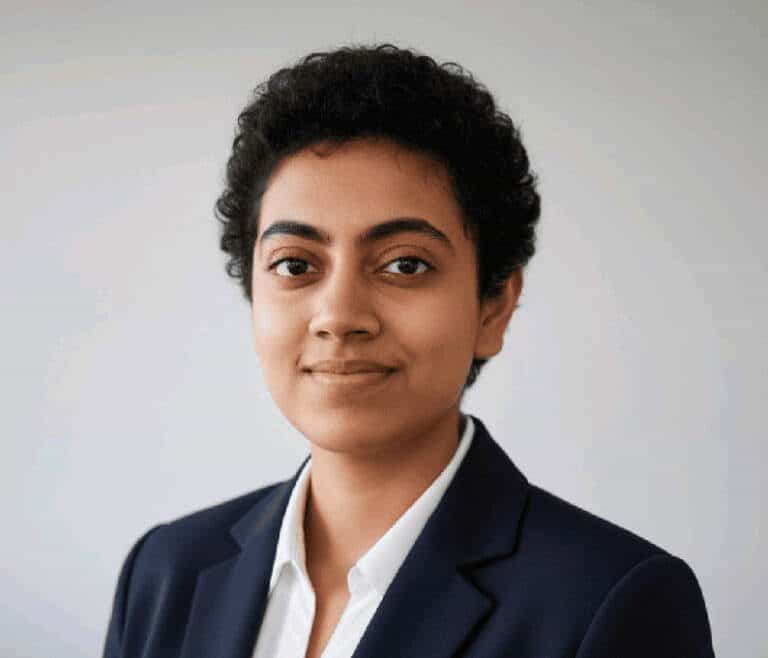
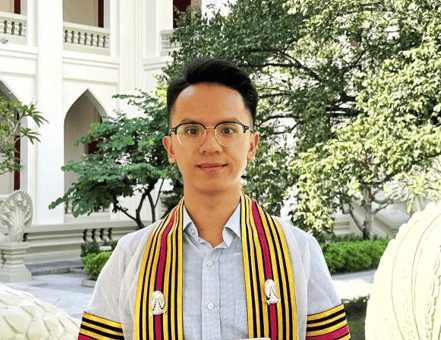
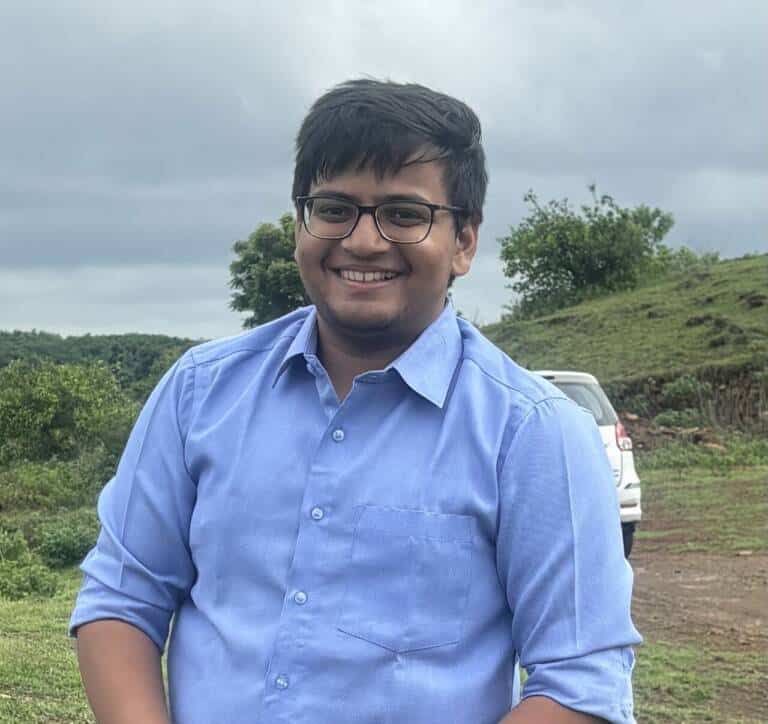

Scholarship Recipient Insights at Ludwig Maximilian University of Munich
6 degree-study stories feature Ludwig Maximilian University of Munich.
Featured Recipients’ Nationalities
| Nationalities | Stories per nationality |
|---|---|
| Indian | 4 each |
| Spanish, Vietnamese | 1 each |
Degrees and Subjects in the Stories
| Degree level | Stories | Subjects |
|---|---|---|
| Master’s | 5 | Astrophysics; Molecular and Cellular Biology; Physics |
| PhD | 1 | Human-Environment Relations |
Funding Routes Used by Featured Recipients
| Funding route | Stories | Recipients |
|---|---|---|
| DAAD Scholarships | 2 | Thanh Phuoc Ho, Jennifer Fabà |
| Student/research assistant positions | 2 | Avinash Sekhar, Thanh Phuoc Ho |
Reported Funding Coverage
| Recipient and degree/program | Reported coverage |
|---|---|
| Thanh Phuoc Ho — PhD in Human-Environment Relations | Research Grants – Doctoral Programmes in Germany (DAAD): living expenses, health insurance, housing assistance and language-course support. Also receives a part-time salary through an LMU research-assistant contract. |
| Jennifer Fabà — MSc in Astrophysics | DAAD Scholarships: monthly stipend, research allowance, travel for first/last journeys to Germany, and a one-month German-language course at the beginning. |
Tuition and Living Costs Reported by Recipients
| Recipient and degree/program | Reported tuition and cost experience |
|---|---|
| Sumith — Master’s in Molecular and Cellular Biology | Describes an €85 semester contribution, but rising Munich rent, health insurance and transport expenses made living costs difficult. German-language expectations limited part-time job options. |
| Avinash Sekhar — Master’s in Molecular and Cellular Biology | No tuition; paid €85 semester fee and financed entry through a blocked account for living costs. Secured student assistantships (HiWi positions), lab rotations and research opportunities. |
| Rajat Saxena — MSc in Physics | Reports tuition-free study; chose LMU’s broad physics options over a tuition-waiver offer for a more specialized astrophysics joint master’s. |
| Saloni — Master’s in Molecular and Cellular Biology | No tuition, €85 semester fee. Affordable housing was difficult to find because dormitory places were limited; found life-science industry student jobs scarce. |
| Jennifer Fabà — MSc in Astrophysics | No tuition; approximately €90 semester fees. |
| Thanh Phuoc Ho — PhD in Human-Environment Relations | Reports a fully tuition-free doctoral program. |
Examples of Featured Recipients’ Application Backgrounds
| Recipient and degree/program | Scholarship/application route | Reported background and preparation |
|---|---|---|
| Sumith — Master’s in Molecular and Cellular Biology | University admission | Biotechnology bachelor’s in India, GPA approximately 8/10. Organized the motivation letter around research/education, future interests and program fit, then revised undergraduate concepts for the entrance test. |
| Avinash Sekhar — Master’s in Molecular and Cellular Biology | University admission | Triple-major bachelor’s in Microbiology, Biochemistry and Genetics in India, CGPA 9.86/10, top of his class. Supplemented coursework with certificate programs and explained a clear life-science research direction. |
| Rajat Saxena — MSc in Physics | University admission | BSc Blended in Physics at Savitribai Phule Pune University, CGPA 9.32/10, in collaboration with University of Melbourne. Projects spanned planetary science, pulsar astronomy, radio astrophysics and statistical mechanics; used these to demonstrate interdisciplinary interests. |
| Thanh Phuoc Ho — PhD in Human-Environment Relations | Research Grants – Doctoral Programmes in Germany (DAAD) | Bachelor’s in Resources and Environment Management at Vietnam National University Ho Chi Minh City – University of Technology, GPA 8.02/10; master’s at Chulalongkorn University, GPA 4.0/4.0. Contacted supervisors, completed three interview rounds and co-developed the doctoral proposal. |
| Saloni — Master’s in Molecular and Cellular Biology | University admission | Biotechnology bachelor’s, CGPA 10/10 and reported 96%; internships, research courses, poster presentations, debates and cultural-event organization. Revised basic concepts one week before the entrance exam and presented her undergraduate thesis at interview. |
| Jennifer Fabà — MSc in Astrophysics | DAAD Scholarships | Double bachelor’s in Physics and Mathematics at Universitat Autònoma de Barcelona, overall grade 8.4/10. A professor introduced the scholarship; researched master’s programs, wrote a cover letter, and requested three recommendations over about one month. |
How Recipients Met Language Requirements
| Language requirement route | Stories / total degree-study stories | Recipients and examples |
|---|---|---|
| English test not required | 1/6 | Avinash Sekhar — Master’s in Molecular and Cellular Biology — TOEFL was not required for his application cycle. |
| Scholarship-provider English assessment | 1/6 | Jennifer Fabà — MSc in Astrophysics — took an English-language examination organized by DAAD for her scholarship application. |
Standardized Tests Reported by Featured Recipients
| Test | Stories reporting the test / total degree-study stories | Linked recipients and reported scores |
|---|---|---|
| University entrance examination for Molecular and Cellular Biology | 2/6 | Sumith — Master’s in Molecular and Cellular Biology; Saloni — Master’s in Molecular and Cellular Biology |
English-taught programs / stories reporting teaching language: 5/5.
Teaching Language and Academic Experiences
| Recipient and degree/program | Reported instruction and experience |
|---|---|
| Sumith — Master’s in Molecular and Cellular Biology | Course exclusively in English; German was not required academically. Took a university-sponsored German course in the first semester to improve daily communication and work opportunities. |
| Avinash Sekhar — Master’s in Molecular and Cellular Biology | All lectures, seminars and practical courses exclusively in English. Valued flexible subject choice, lab rotations and research participation; some peers found thesis projects and HiWi jobs harder to arrange. Reports international-office help with accommodation and administrative procedures. |
| Thanh Phuoc Ho — PhD in Human-Environment Relations | Doctoral research program entirely in English, with English publications and international conferences. Works on human/environment interactions in the context of climate change. |
| Saloni — Master’s in Molecular and Cellular Biology | English instruction and freedom to explore different life-science domains. Appreciated research courses and internships, while finding some administrative tasks slow and exams demanding. |
| Jennifer Fabà — MSc in Astrophysics | English-taught master’s; German did not create academic difficulties. Valued theoretical foundations, research projects and contact with researchers across astrophysics, plus administrative support. |
Academic and University Experiences
| Recipient and degree/program | Firsthand experience |
|---|---|
| Rajat Saxena — MSc in Physics | Flexible specializations and a year-long thesis supported broad physics research interests. Munich research institutes offered colloquia, workshops and conferences, while LMU’s varied research groups exposed him to work at the field’s frontiers. |
Application Timelines Reported by Recipients
| Recipient and degree/program | Application or scholarship route | Reported application timeline |
|---|---|---|
| Saloni — Master’s in Molecular and Cellular Biology | University admission | Revised undergraduate concepts one week before the entrance exam → passed the exam → invited to interview, where she presented her bachelor’s thesis and discussed her motivation. |
| Thanh Phuoc Ho — PhD in Human-Environment Relations | Research Grants – Doctoral Programmes in Germany (DAAD) | About one year: researched/contacted potential professors → completed three interview rounds and obtained supervisor acceptance → worked with the professor on the proposal → had a complete scholarship application package ready for submission. |
| Jennifer Fabà — MSc in Astrophysics | DAAD Scholarships | Application process took about one month, including research on master’s programs/deadlines, a cover letter explaining her intended study, and requests for three recommendation letters. |
Country-Specific Application Timeline Examples
| Country and route | Recipient and degree/program | Reported sequence or timing |
|---|---|---|
| India — APS document process | Sumith — Master’s in Molecular and Cellular Biology | Drafted motivation letter and gathered documents → completed entrance test → interviewed and received acceptance → faced APS certificate delays as course start approached → contacted program coordinators → received APS before the course began. |
Other Offers in Featured Applicants’ Journeys
| Recipient | Reported alternative | Decision described in the story |
|---|---|---|
| Rajat Saxena — MSc in Physics | Tuition waiver for the Erasmus Mundus Joint Master’s in Astrophysics and Space Sciences, including consortium tuition, health insurance and CIMEA processing fees | Declined the specialized joint master’s to keep his options open in pure physics. |
| Thanh Phuoc Ho — PhD in Human-Environment Relations | Massey Doctoral Scholarship at Massey University and a PhD stipend scholarship at RMIT University Vietnam | Declined both for personal reasons and pursued the DAAD-funded LMU doctorate. |
What Recipients Pursued After Studying at Ludwig Maximilian University of Munich
| Recipient | Degree/program at Ludwig Maximilian University of Munich | Reported outcome |
|---|---|---|
| Avinash Sekhar | Master’s in Molecular and Cellular Biology | Incoming PhD candidate at the Max Planck Institute for Biological Intelligence through the IMPRS structured doctoral program; aims to combine deep learning and experimental validation for neurodegenerative-disease therapies. |
| Thanh Phuoc Ho | PhD in Human-Environment Relations; ongoing | Plans to pursue a postdoctoral position after completing the doctorate. |
| Jennifer Fabà | MSc in Astrophysics | Preparing to start a PhD one month after finishing the master’s. |
What Scholarship Recipients Say
Advice and insights from international students who successfully secured funding to study at Ludwig Maximilian University of Munich.
"My master’s degree was at LMU Munich; however, I didn’t receive any scholarship. Education in German public universities is generally free, with a nominal semester fee of 85 euros, as in my case, but this varies from one university to the other. International students need to have a blocked account with funds equivalent to living costs for a year, which is how I went to Germany to pursue my master’s degree."
"I started by drafting the motivation letter for the first round of the application process. I tried to keep it as simple as possible, covering 3 aspects: 1) My research/educational background 2) My future interests, and 3) the reason to join LMU and this course and how it would help you achieve your goals."
"With a keen interest in research in theoretical physics and astrophysics, I decided to advance my career by pursuing a master's degree. Currently, I am studying for an MSc in Physics at Ludwig Maximilian University (LMU) of Munich."
"I would rate my experience at LMU Munich a solid 9/10. I enjoyed the flexibility in choosing courses, the diverse academic offerings, and the freedom to create opportunities for myself. For instance, I was able to secure student assistantships (HiWi positions), lab rotations, and participate in ongoing research projects relatively easily."
"The curriculum is very flexible. You choose your own subjects, hence it’s easier to specialize in a particular area of the course. Furthermore, there are lots of scholarship and exchange opportunities through the German Academic Exchange Service (DAAD)."
"My experience at LMU has been both academically enriching and personally transformative. The engaging curriculum has deepened my knowledge, while the vibrant academic environment in Munich has broadened my perspective. The city’s numerous research institutes regularly host colloquia, workshops, and conferences, providing invaluable exposure to advances in Physics."
There are many degrees that are open to international students right now — find yours.
About the Author: Hyun Lee


Leave A Comment