
University of Bristol Scholarships for International Students 2027
Students considering University of Bristol can explore scholarships that range from fully funded support to partial awards. This shortlist highlights higher coverage options first.
For institution funded support at University of Bristol, these scholarships are frequently highlighted when prioritizing higher coverage. A strong option is Think Big Postgraduate Award which is partially funded and often covers £6,500, £13,000 or £26,000 per year for tuition fee expenses. Think Big Undergraduate Award is partially funded, and coverage often includes funding towards tuition fees.
Outside the university’s own funding routes, University of Bristol students may be eligible for external programs that can offer substantial support. Here are a few to consider. Marie Skłodowska-Curie Actions is commonly categorized as fully funded support, and coverage that often includes living stipend, mobility allowance, and special needs, leave, and and/or family allowance (if applicable). With Saïd Foundation Scholarship, students may receive fully funded support, and coverage frequently includes full tuition, living and maintenance costs, and arrival allowance. Chevening Scholarships is a fully funded award, and the listed benefits often include 100% of tuition fees, A monthly stipend covering accommodation fees and living expenses, and economy flight from and to your country of residence.
This is only a shortlist. Additional scholarships and funding options appear further down on this page.
University of Bristol Scholarships for International Students
The scholarships at University of Bristol can help fund your study expenses. There are currently 12 scholarships being offered to international students at the University of Bristol, all with varying requirements, benefits, and application processes. We have compiled them in this list to help you find the scholarship that best fits you.
Undergraduate Scholarships
Graduate Scholarships
External Scholarships
There are many degrees that are open to international students right now — find yours.
University of Bristol Admissions
Here are the official admission pages for University of Bristol:
| Degree | Admissions Pages |
|---|---|
| Bachelor's | International Students Admissions Page |
| Master's | International Students Admissions Page |
Admissions and Scholarship Results at University of Bristol
Here are some of the admissions and scholarship results from previous applicants to University of Bristol, which you might find helpful. For more results to University of Bristol, please see the University of Bristol Admissions Profile Page .
| Nationality / Region | SAT/ACT | EFC | GPA | Scholarship | Status |
|---|---|---|---|---|---|
| USA | 1370 | N/A | 4.0 | N/A | Accepted |
| United Kingdom | N/A | N/A | 4 | N/A | Accepted |
| India | 32 | N/A | N/A | N/A | Accepted |
| China | 36 | N/A | 4.0 | N/A | Accepted |
University of Bristol Application Deadlines
| Degree | Admission Deadline |
|---|---|
| Bachelor's (September Intake) | January 13, 2027 |
| Master's | July 25, 2026 Different Master's programs have different deadlines |
Tuition Fees at University of Bristol for International Students
Indicative annual tuition fee ranges for international students at University of Bristol. Exact fees vary by program, so always confirm the current cost on the university's official tuition fee pages.
| Degree Level | Typical Annual Range |
|---|---|
| Bachelor's Tuition | 24,800 – 32,500 GBP |
| Master's Tuition | 28,700 – 35,300 GBP |
Please note that tuition fees can vary based on the specific program you choose. For the most accurate and current fee information, consult the official tuition fee pages linked above.
University of Bristol Scholarship Recipients
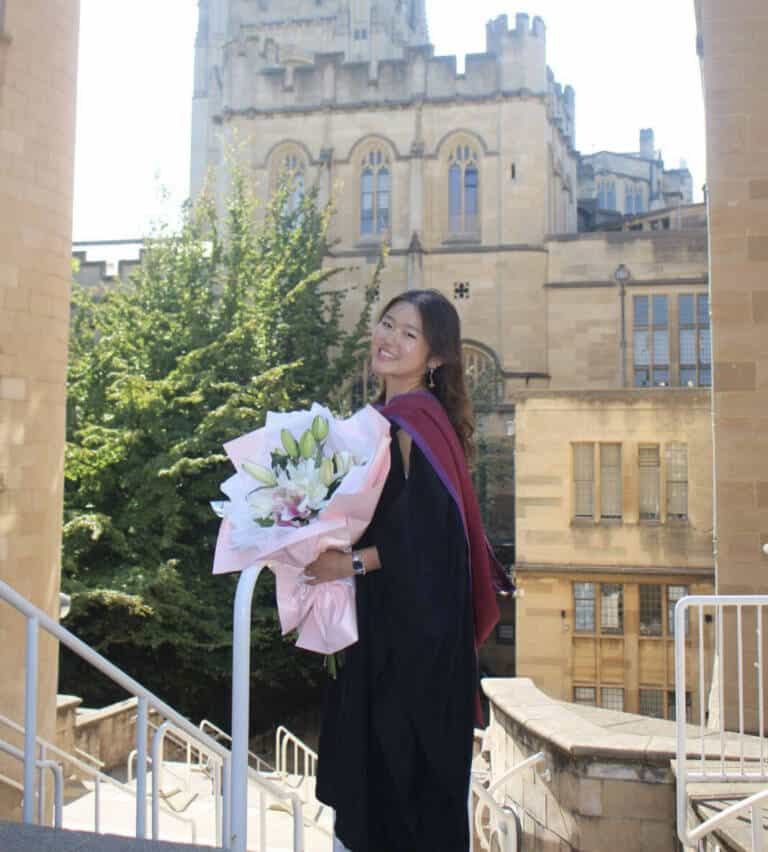
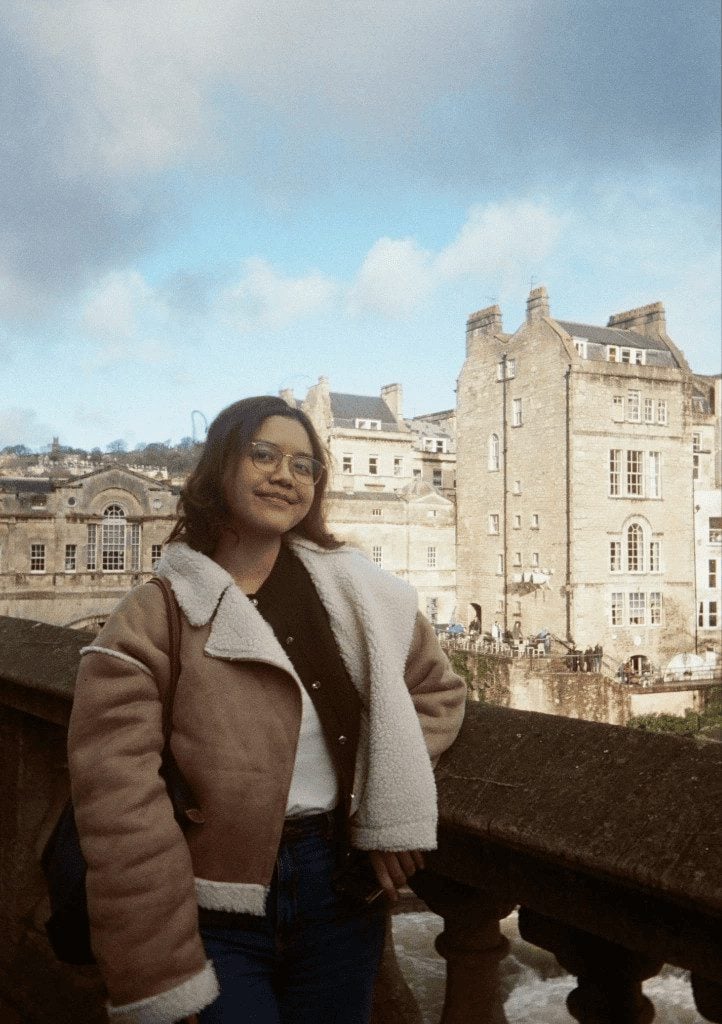
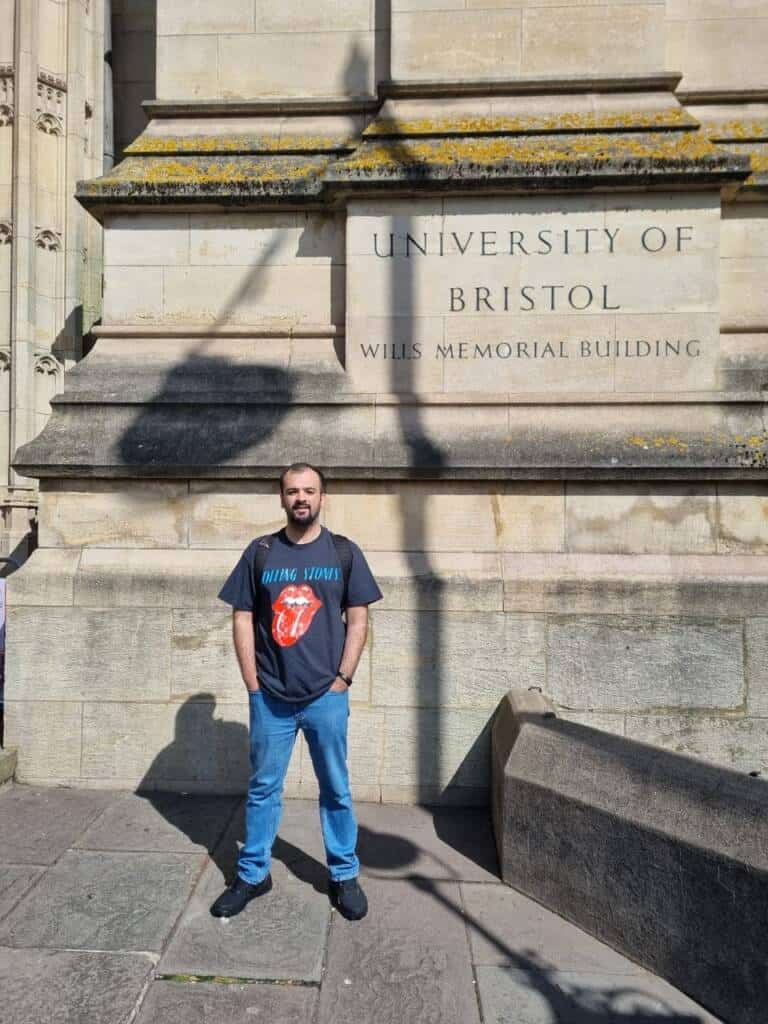
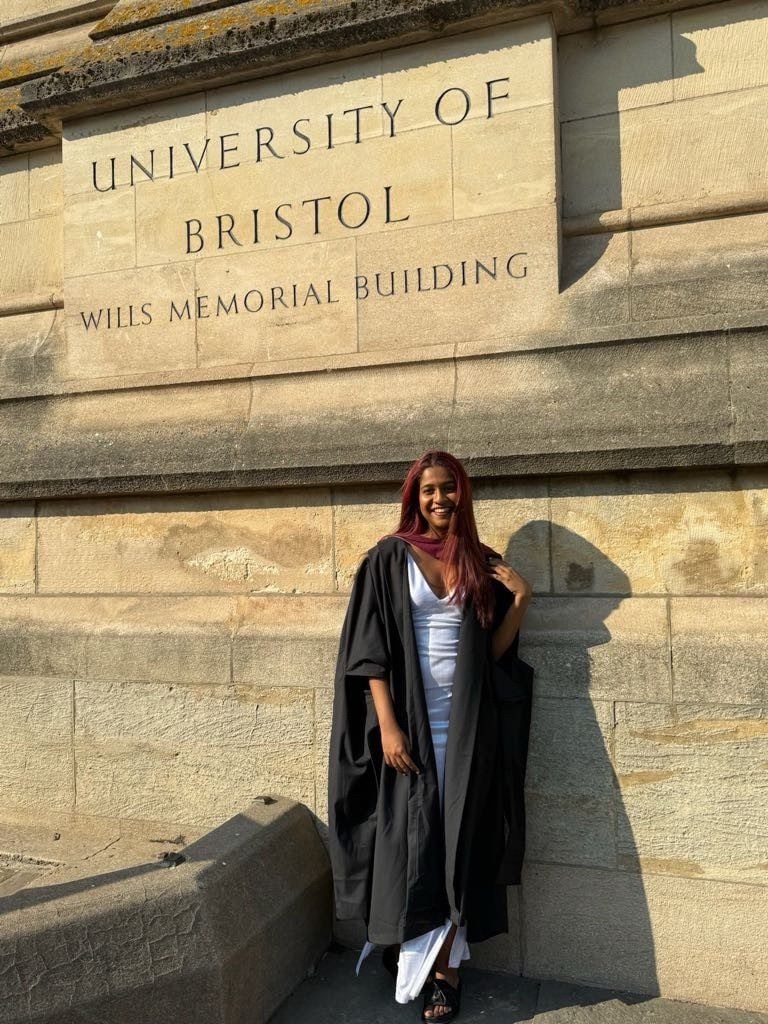
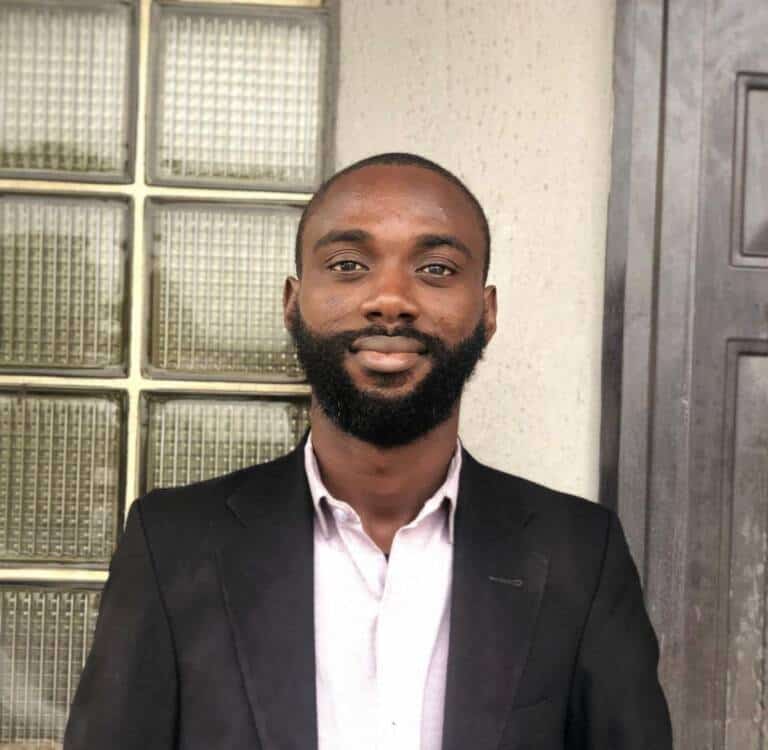
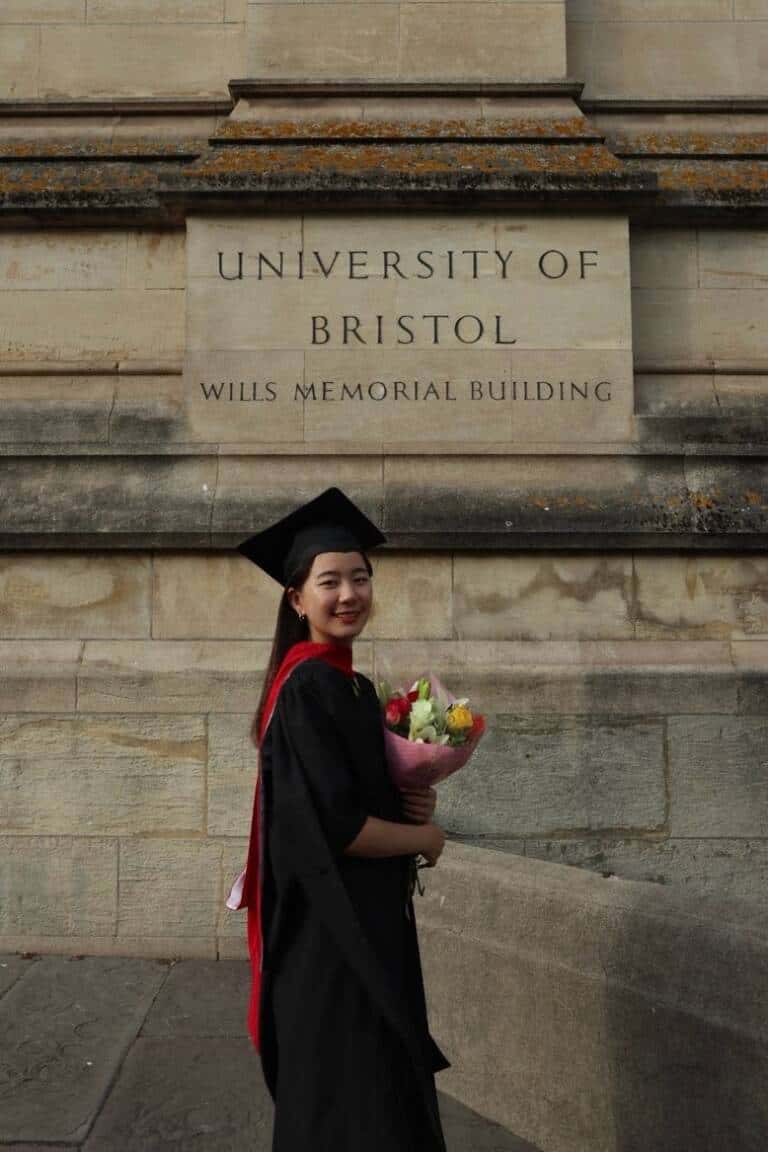
International students who received scholarships to study at University of Bristol, documented by Global Scholarships.




What Scholarship Recipients Say
Advice and insights from international students who successfully secured funding to study at University of Bristol.
"Thanks to the University of Bristol and its Think Big Scholarship scheme, I was financially able to complete my Master’s studies in Neuroscience and Education."
"My advice for anyone applying for a similar scholarship is to start early and give yourself enough time to think about what really matters to you. Be specific in your answers. Also, make sure to join any webinars or info sessions you can, because hearing tips from past recipients really helps. Lastly, keep track of all the deadlines and don’t rush your application. Taking the time to prepare properly makes a big difference."
"During the pandemic, I worked as a research assistant in the neuropsychology department of a hospital, where I gained valuable skills in conducting research and had the opportunity to meet patients with a wide variety of diagnoses, an experience that was truly precious to me. The following year, I decided to join the MSc Neuropsychology program at the University of Bristol."
"Studying at Bristol has been intellectually engaging and rewarding. I’ve gained hands-on lab skills and taken the initiative to network with professors and researchers who are leaders in their fields. Through the Think Big Scholarship development programme, I have had the chance to meet with other motivated and ambitious individuals."
"This whole experience truly taught me that these informal student-applicant interactions go a long way in making the admissions process so much more humanised and comfortable."
"For anyone pursuing Aerospace Engineering, the University of Bristol ranks 2nd in the UK after Imperial College London according to the Guardian Rankings. The resources and the way of teaching definitely, according to me, support this claim. The Aerospace directors spend time and effort on hearing student feedback and working on it throughout the year, which honestly makes an impact on the student experience at Bristol for Engineering."
Frequently asked questions
Common questions about scholarships, admissions, and studying at University of Bristol.
Most well-known University of Bristol scholarships are set up for full-time study based in the UK (rather than fully online delivery).
Bristol scholarships can cover a wide range of subjects, and many are not restricted to just one department. In the Bristol recipient stories, you can see awards supporting engineering and STEM (for example, Niall Quadros in Aerospace Engineering and Tong Jing Ying in Biochemistry with Molecular Biology and Biotechnology) as well as humanities and social sciences (for example, Souhardya De who said he was “in my final year of the undergraduate programme in History,” plus security studies and education through Nory Ly and Fatima Khan).
In general, you’ll find funding possibilities across medicine and health-related fields, engineering, business and management (including areas like finance, marketing, and HR), STEM (computer science, data science, maths, physics, life sciences), and humanities (history, languages, politics, education, law, and more). For medicine specifically, Bristol’s MBChB accepts international applicants, but it is highly competitive and funding for clinical degrees can be more limited than for many other subjects.
Many Bristol scholarships target international students broadly (often meaning “overseas fee” students), so eligibility can include a large range of nationalities. The Bristol recipient stories alone include scholars from Malaysia, Greece, Cambodia, Vietnam, India, and Pakistan. See Tong Jing Ying, Konstantinos Kariotis, Nory Ly, Hien Mai, Souhardya De, and Fatima Khan.
At the same time, some major awards are nationality- or country-eligibility based: for example, Chevening is restricted to applicants from eligible countries/territories, and many Commonwealth awards focus on specific Commonwealth countries and development-related priorities.
Often it is required, but not always; this depends on your course and your prior education. In the recipient stories, several students used IELTS (for example, Nory Ly listed “IELTS (7.0)” and Hien Mai listed IELTS), while Tong Jing Ying shared she “met English requirement without IELTS.”
So, if you’ve already studied in English (or meet an approved exemption route), you may be able to waive IELTS/TOEFL; otherwise, plan to submit an accepted English test score that meets Bristol’s level for your programme.
There isn’t a single minimum grade that applies to every course; entry requirements are programme-specific, and scholarships typically raise the competitiveness further. Still, the recipient stories show what a strong academic profile can look like: Tong Jing Ying reported “CGPA: 3.97/4.00,” Hien Mai listed “GPA: 3.47/4.00,” and Niall Quadros shared A Level grades “Physics (A*), Chemistry (A*), and Math (A).”
Use these as a practical benchmark: aim for the top end of your grading system (and strong subject-relevant results) if you want to be competitive for both admission and scholarships.
Minimum eligibility usually starts with meeting the course entry requirements and submitting a complete application on time; many scholarship schemes also expect you to be classed as an international (overseas-fee) student and to follow their separate scholarship application steps. After that, the “good academic background” layer tends to mean consistently high grades plus a clear fit with your programme and an evidence-backed story of impact.
The Bristol recipient stories show how that can look in different fields: Konstantinos Kariotis called Think Big “awarded to less than 2% of applicants,” and Niall Quadros noted the award is decided through essays (“reply to 3 short essay-based questions”).
For most Bristol applications, expect to prepare (1) academic transcripts and certificates, (2) a CV/resume (common for postgraduate), (3) a personal statement or statement of purpose, (4) references (often academic and/or professional), (5) proof of English (IELTS/TOEFL or an approved exemption), and (6) passport/ID details; some courses may add portfolios, writing samples, or research proposals.
The scholarship side can add extra writing requirements: Niall Quadros said Think Big is based on “3 short essay-based questions,” and Tong Jing Ying shared, “I also wrote a personal statement,” using it to show her “passion for research.”
It depends on what you’re applying for. Undergraduate applications are normally submitted through UCAS, which charges an application fee for your submission. For postgraduate applications, Bristol may charge an application fee for certain programmes (commonly shown as £60 per application in the University’s fee policy documents), while other programmes may not charge a fee.
There are many degrees that are open to international students right now — find yours.
About the Author: Hyun Lee


Leave A Comment