
Australia Awards Scholarships 2027 (Fully Funded)
The Australia Awards Scholarship is an Australian government program that provides full funding for students from eligible developing countries to study at Australian universities and technical institutions. It prioritizes fields that support sustainable development and regional cooperation. Recipients are required to return home after graduation to apply their skills and contribute to their country’s progress.
Australia Awards Scholarships Coverage
This government fully funded scholarship for international students covers the following:
-
Tuition fees
-
A fortnightly contribution for basic living costs, based on a set rate
-
Health Insurance
-
Return economy airfare to/from Australia
-
A one-time payment to help cover initial expenses like accommodation, textbooks, and study materials
-
Fieldwork expenses for research students
Australia Awards Scholarships Eligibility Criteria
For detailed requirements, refer to the official eligibility page .
Eligible degree levels
Eligible programmes
Eligible nationalities
Important Notice
Disclaimer
- Students who are unable to use online application platform can apply via mail
- Supporting documentation varies by country
How to Apply
In this section, we'll provide a clear general overview of requirements and steps to guide you through the application process for Australia Awards Scholarships.
To apply for Australia Awards Scholarships, please follow these steps:
-
Use the Online Australia Scholarships Information System (Except for students from the Philippines and Indonesia)
-
Answer the questions and get your unique username and password
-
Fill out and submit the application
Important Note: The application procedures and required documents for Australia Awards Scholarships may vary depending on your degree, program, nationality and other factors. For specific details regarding the requirements, kindly visit the official website of Australia Awards Scholarships.
Application Deadlines
Now that you’re familiar with the application procedure, it’s time to know the application dates! Knowing the dates for Australia Awards Scholarships will help you prepare early and it will also give you the time you need to put together a competitive application.
Here are the application deadlines for Australia Awards Scholarships:
| Degree | Application deadline |
|---|---|
| Master's | Opens: |
Australia Awards Scholarships Eligible Institutions
The eligible institutions for Australia Awards Scholarships are listed below:
C
U
- University of Adelaide
- University of Canberra
- University of Melbourne
- University of Newcastle
- University of New England
- University of New South Wales
- University of Queensland
- University of South Australia
- University of Southern Queensland
- University of Sydney
- University of Tasmania
- University of Technology Sydney
- University of the Sunshine Coast
- University of Western Australia
- University of Wollongong
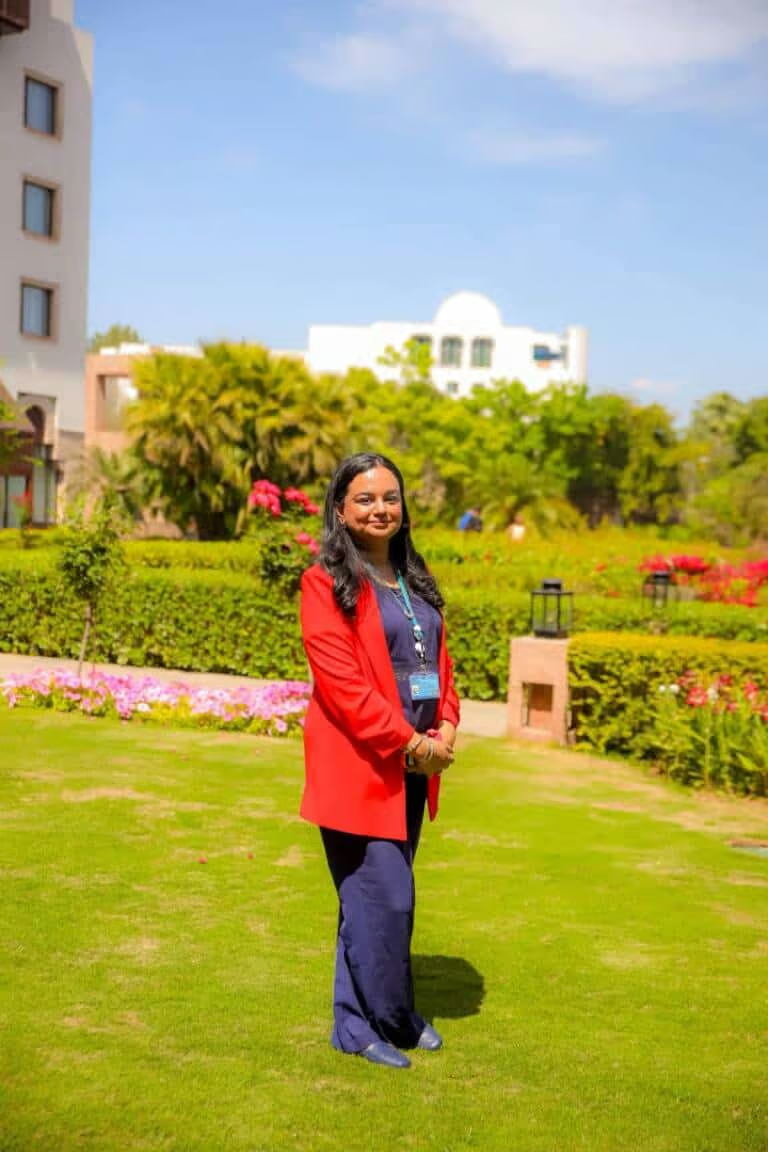
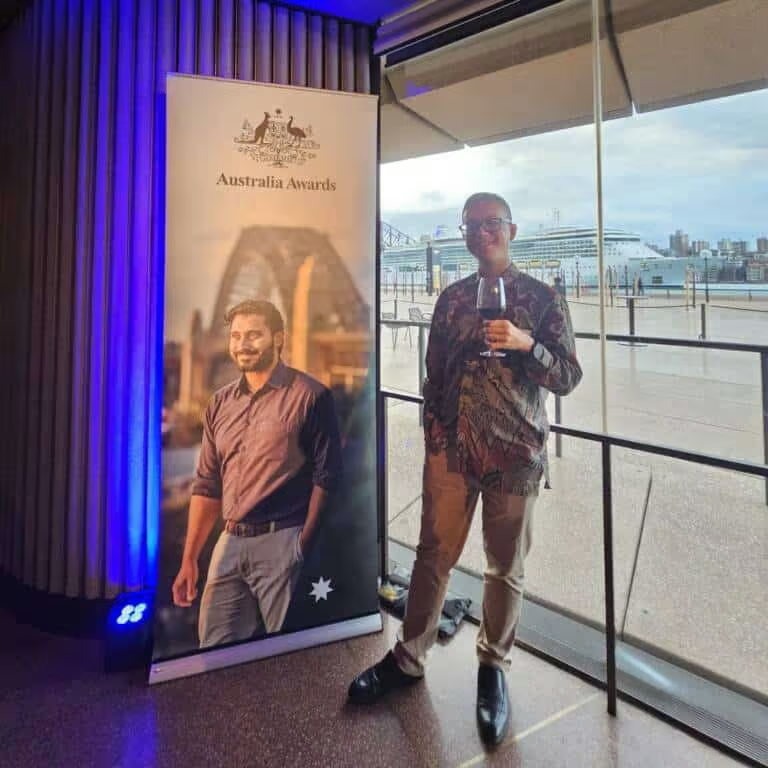
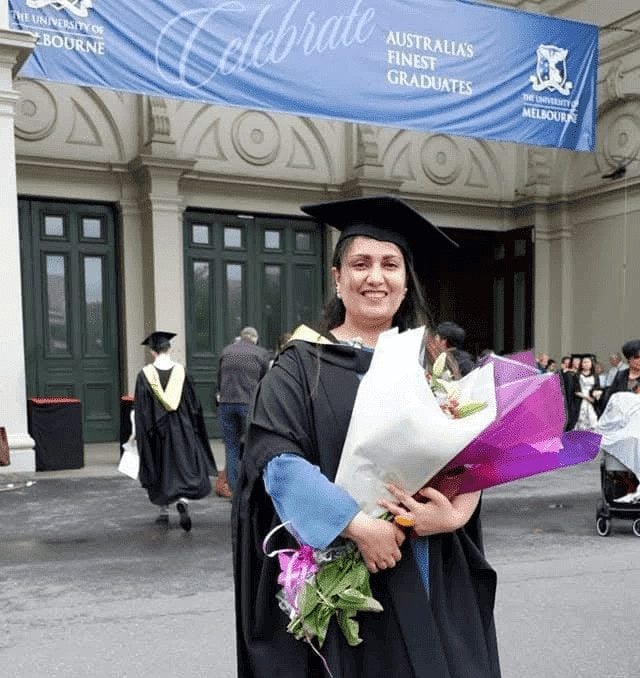
Australia Awards Scholarships Recipients
Meet students who have received Australia Awards Scholarships and learn how they secured their award.




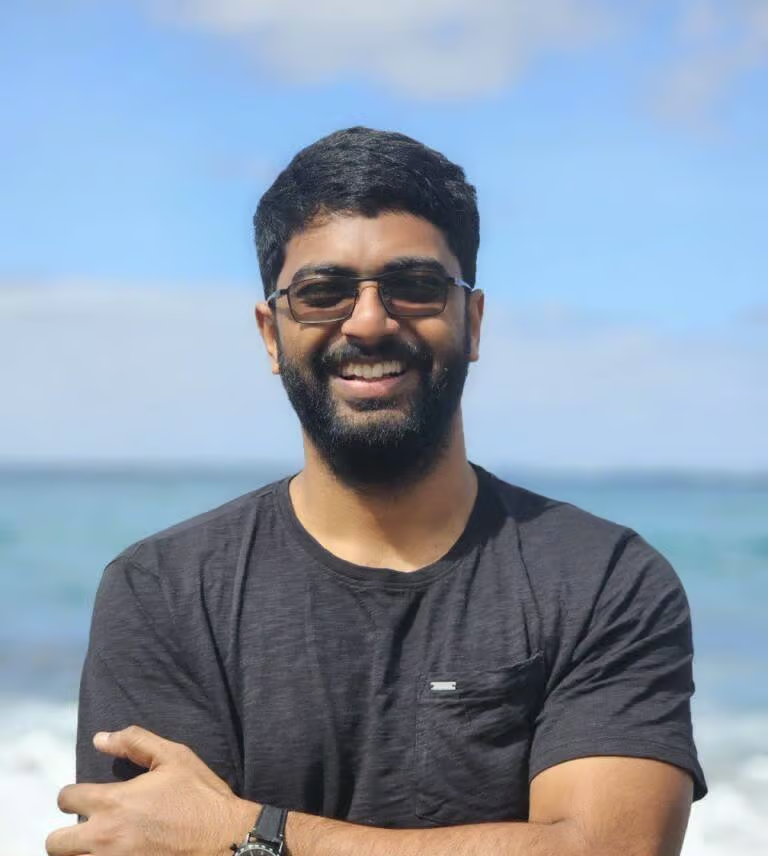

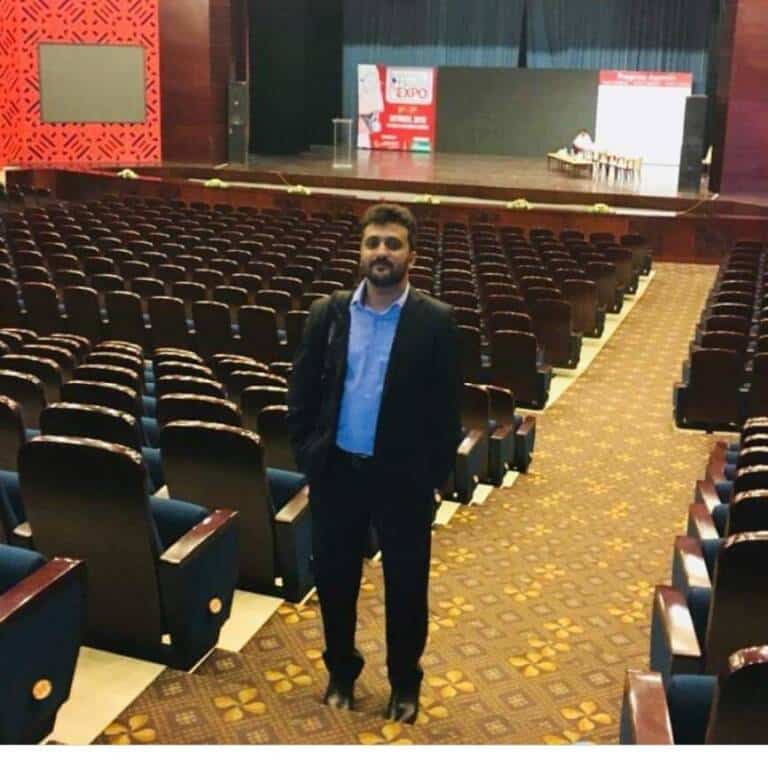
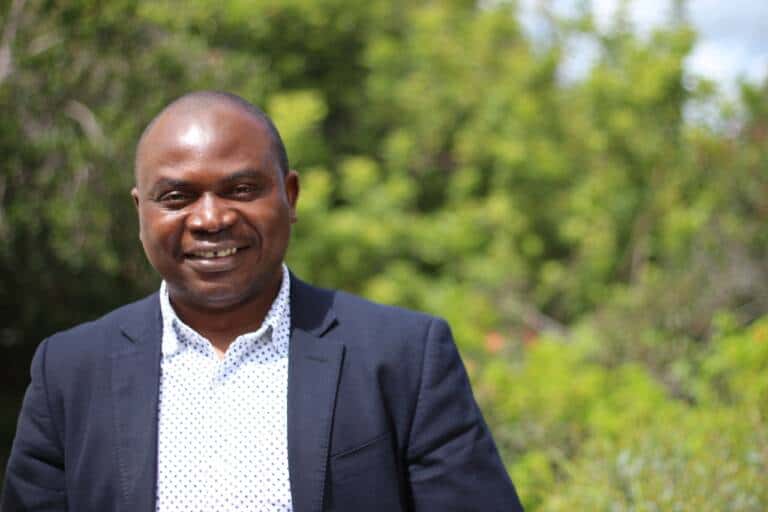

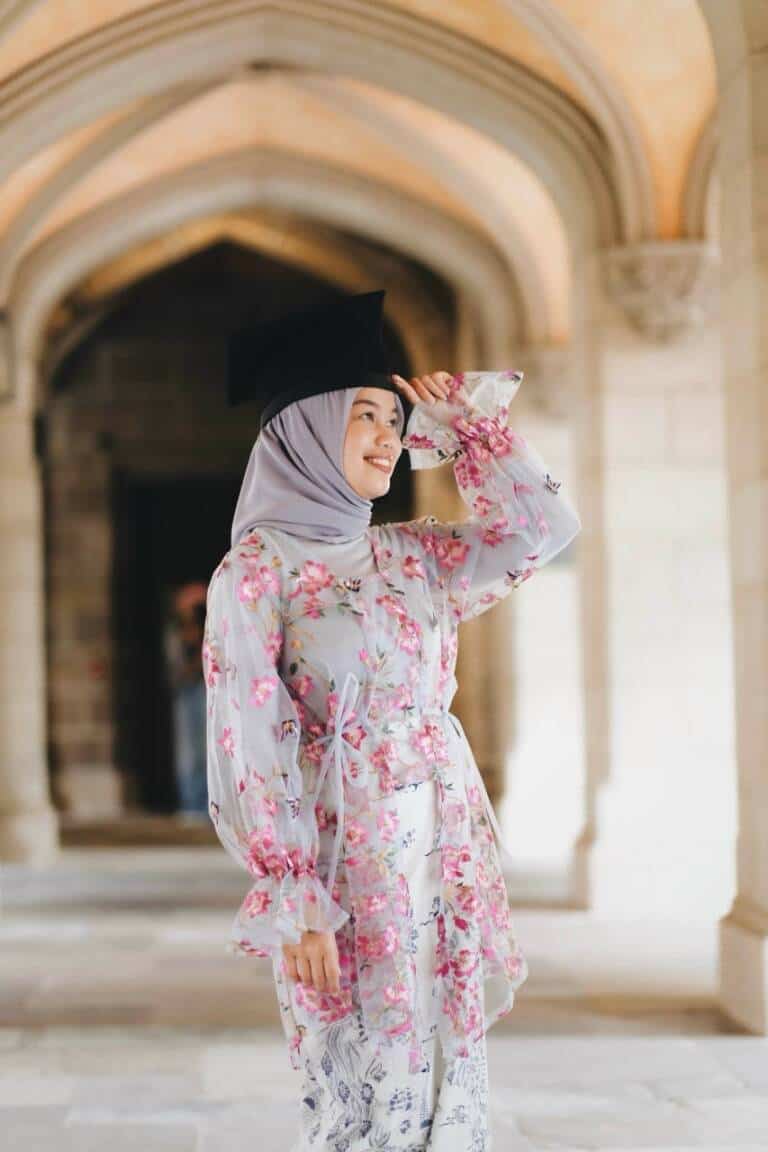
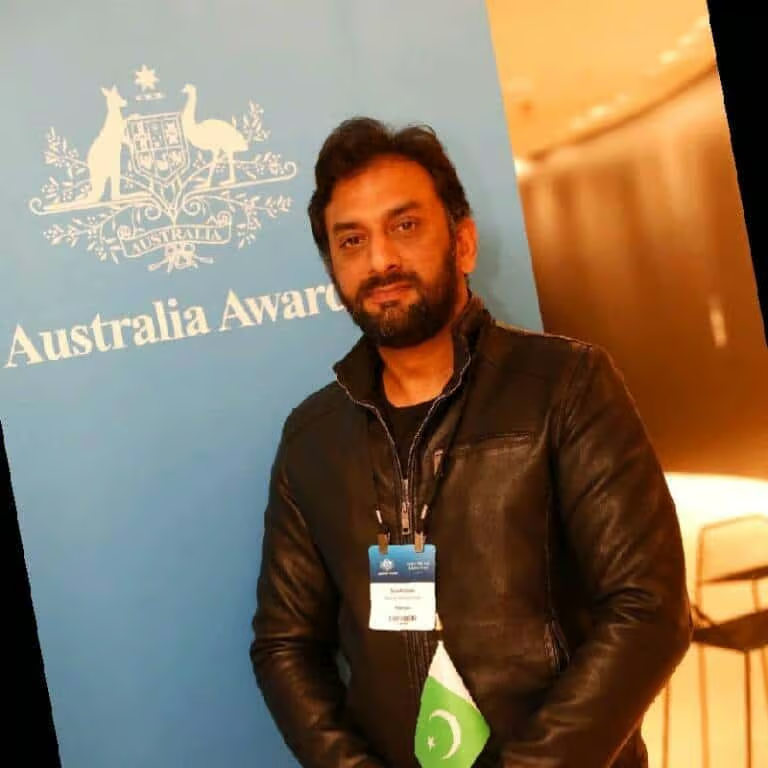
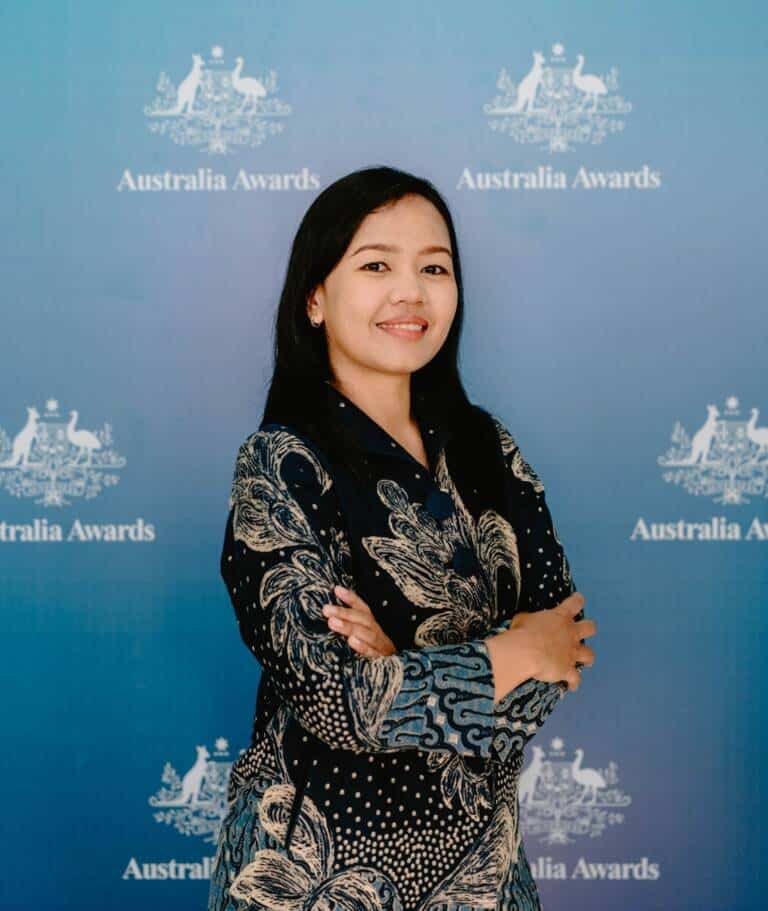
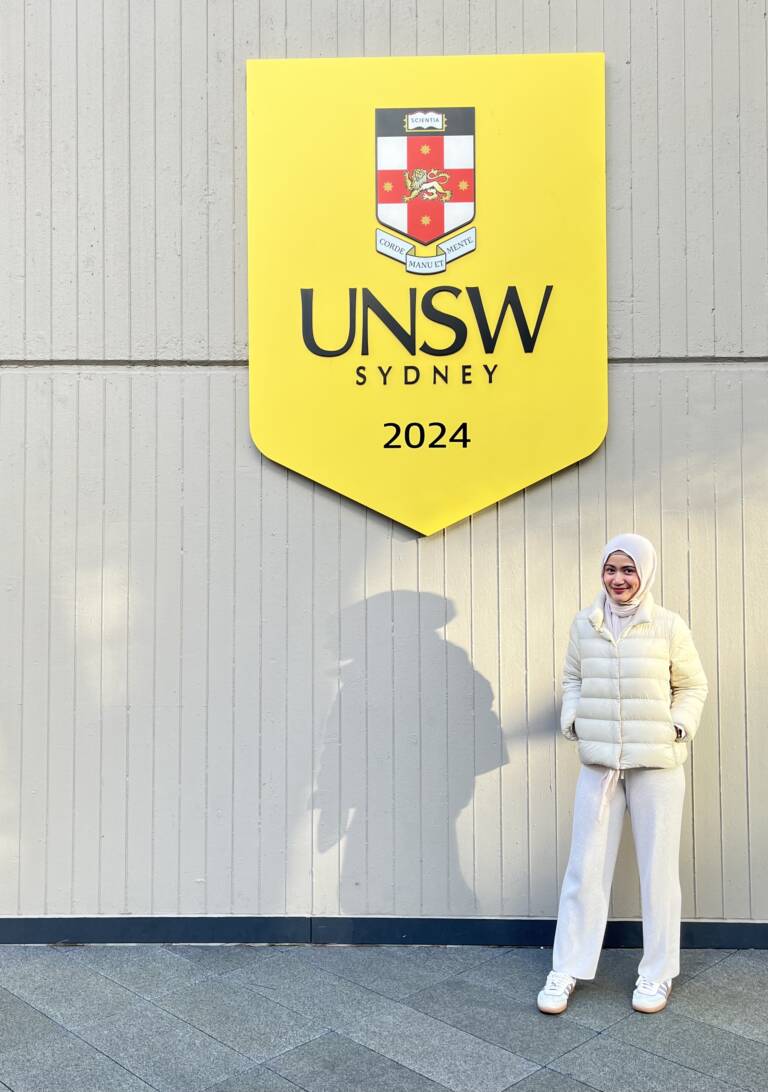
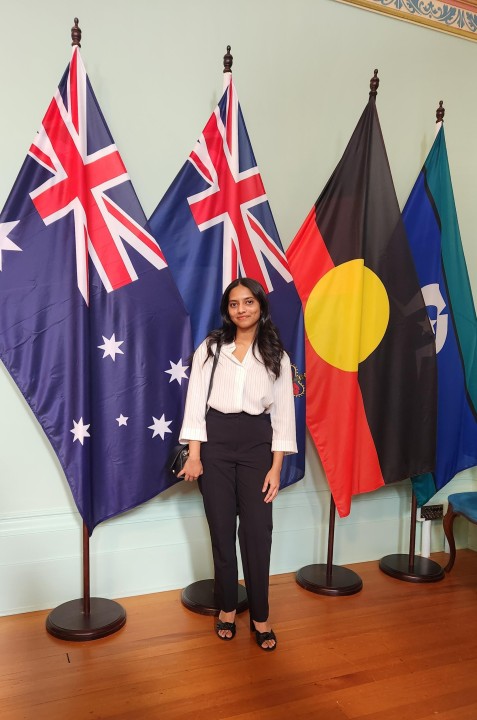
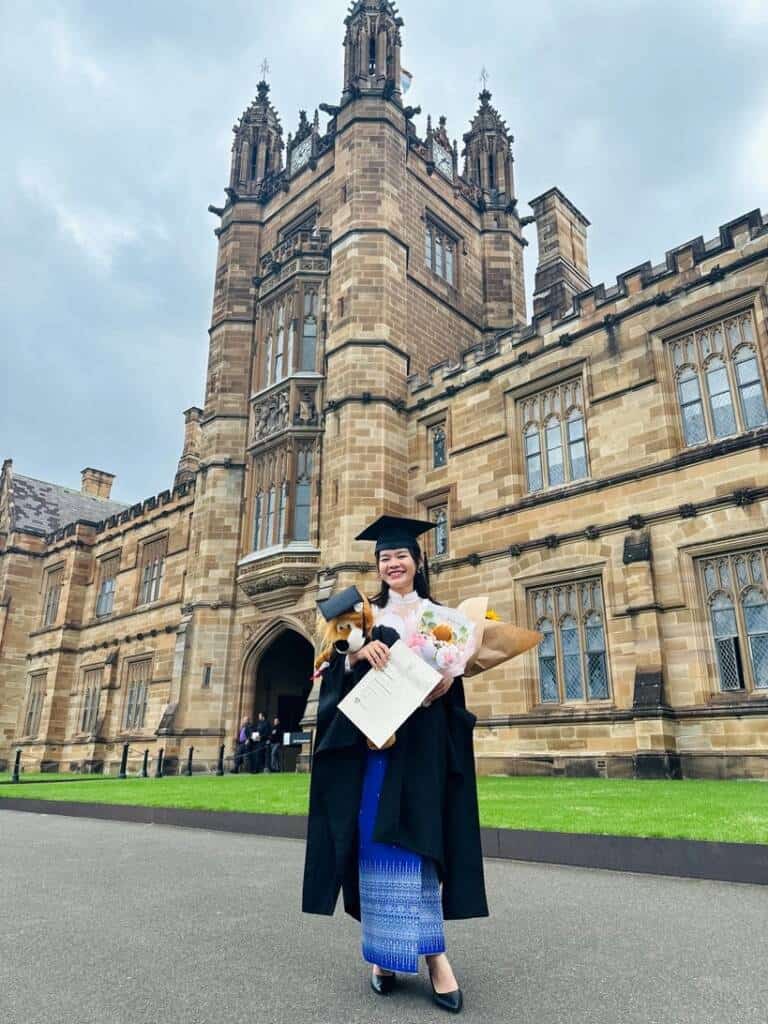



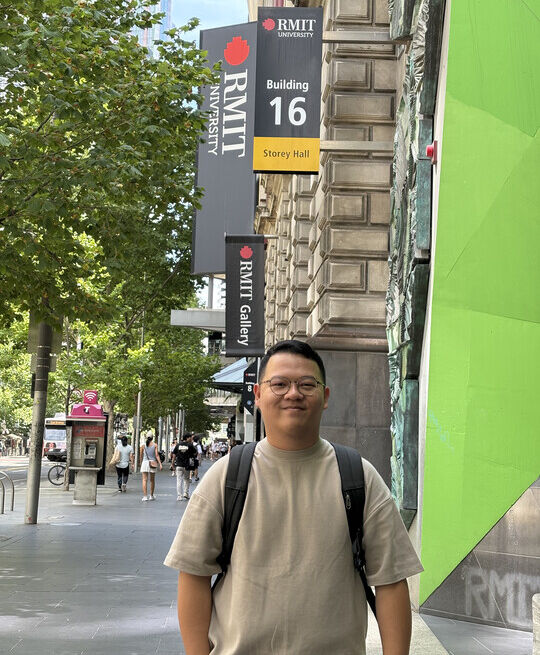
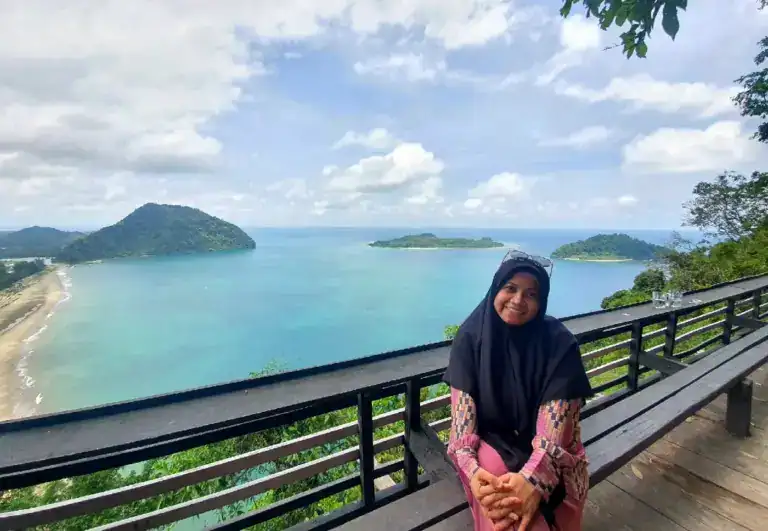
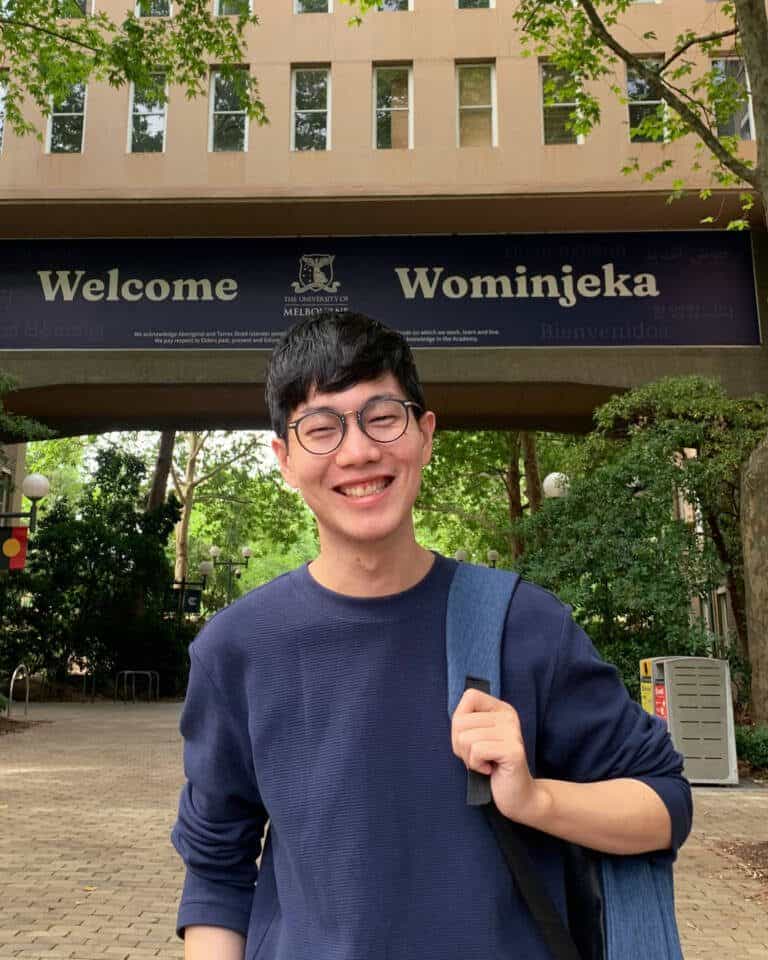
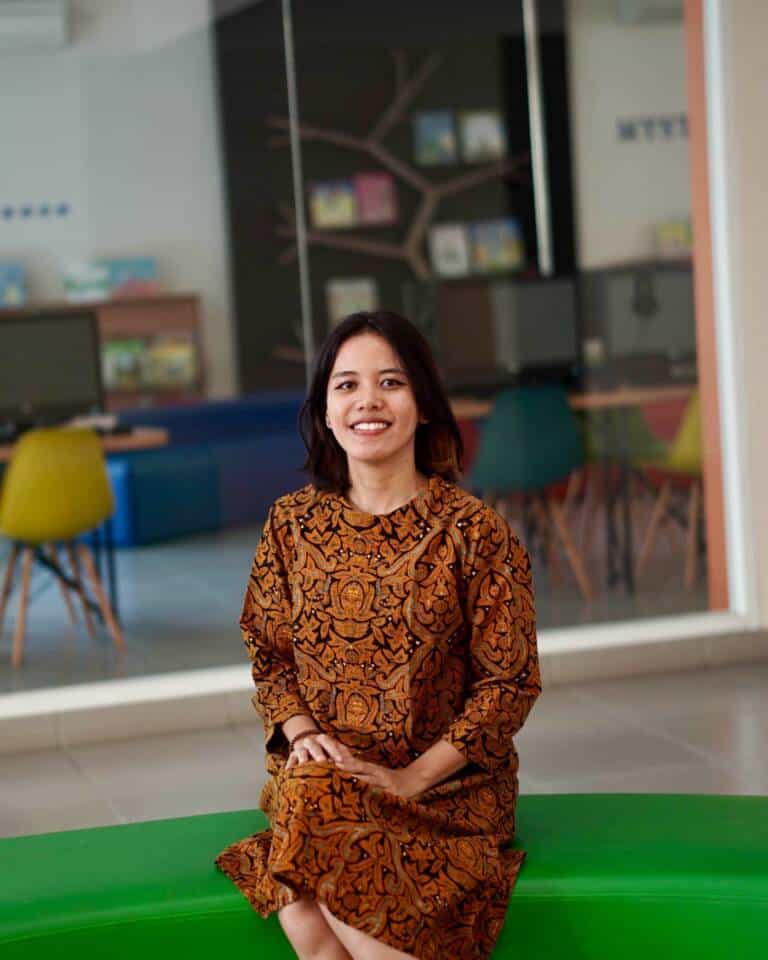
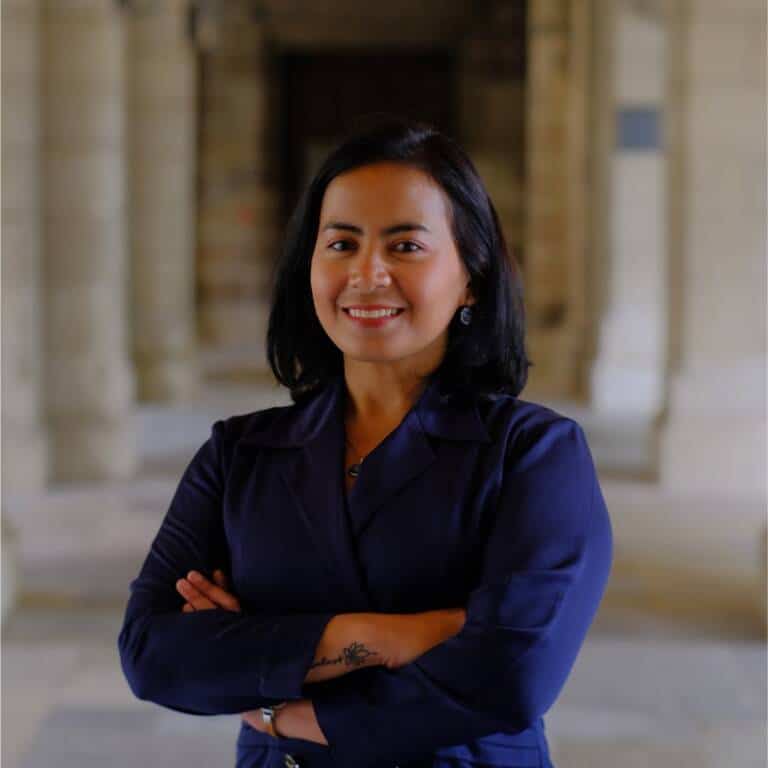


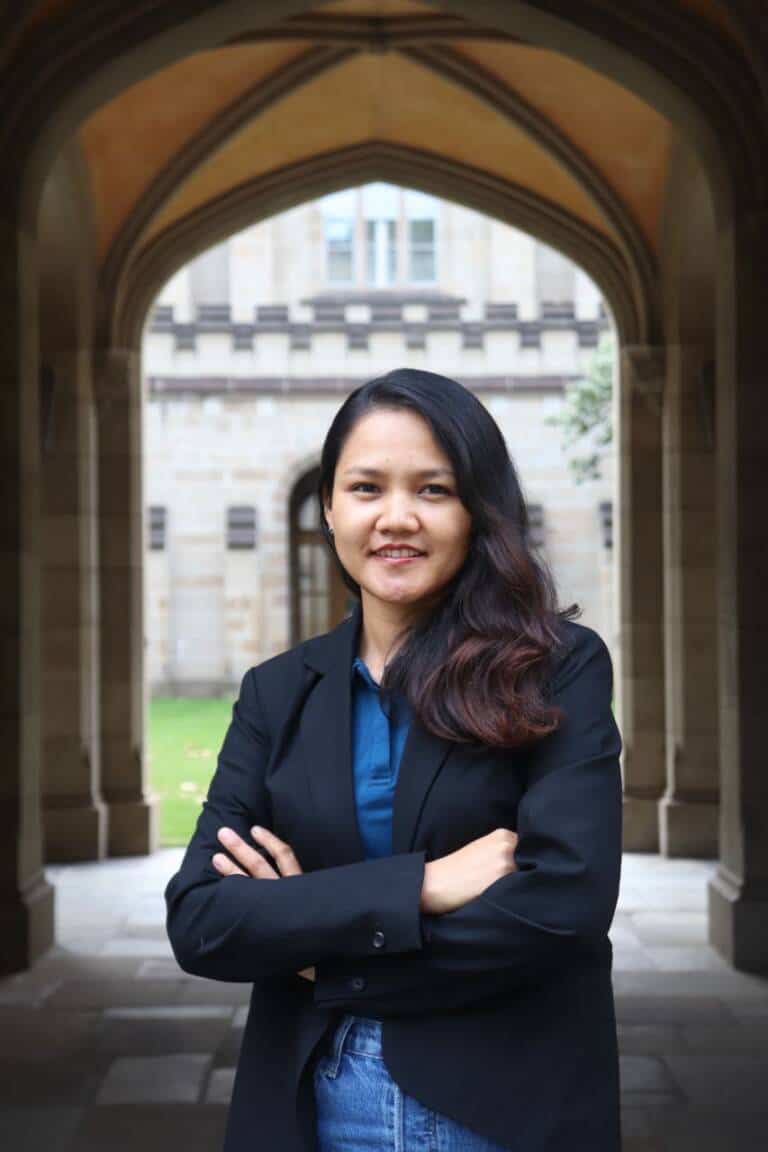
Scholarship Recipients and Their Study Backgrounds
These 28 published stories describe degree study supported by Australia Awards Scholarships, including undergraduate study and a wide range of master’s programmes.
| Nationalities | Stories per nationality |
|---|---|
| Indonesian | 11 |
| Pakistani | 7 |
| Cambodian | 6 |
| Fijian | 2 |
| Bhutanese, Timorese | 1 each |
| Degree level | Stories | Subjects |
|---|---|---|
| Bachelor’s | 1 | Biomedical Engineering (Honours) |
| Master’s | 27 | Atmospheric Science; Communication; Cultural and Creative Industries; Cybersecurity (Cloud Security); Development Studies; Entrepreneurship; Environment; Environment (Climate Change, Sustainability and Law); Environmental Management and Development; Information Systems; Information Technology and Information Technology Management; International Relations; International and Development Economics; MBA (Leadership and Enterprise); Pharmacy; Public Health; Public Policy; Public Policy and Management; Social Research Methods; Supply Chain Innovation; TESOL; Taxation |
Funding Reported by Recipients
| Recipient and degree/program | Reported coverage |
|---|---|
| Shavlin Singh — Bachelor’s in Biomedical Engineering (Honours) at RMIT University | Full tuition and a fortnightly stipend to help cover accommodation and living expenses. |
| Hangbou (Patrick) OENG (2025 intake) — Master’s in Entrepreneurship at University of Melbourne | Return airfare, AUD 5,000 establishment allowance, AUD 34,500 annual living allowance, tuition, introductory academic preparation and overseas health coverage. |
| Maudita Dwi Anbarani — Master’s in Public Health at University of New South Wales | Tuition, pre-departure English preparation, return airfare, medical and visa costs, overseas health cover, AUD 5,000 establishment allowance and approximately AUD 1,300 fortnightly living allowance. |
| Yusridar (Angie) Mustafa — Master’s in Development Studies at University of Melbourne | Reported more than AUD 110,000 over a 1.5-year programme, including tuition, monthly stipends, return airfare and health insurance. Additional academic and in-kind support sat outside that total. |
| Fendhi Birowo — Master’s in International and Development Economics at Australian National University | Reported more than AUD 189,000 over two years, including tuition, living and settlement costs, flights, insurance, pre-departure preparation and support for accompanying family travel. |
Examples of Featured Recipients’ Application Backgrounds
| Recipient and degree/program | Scholarship/application route | Reported background and preparation |
|---|---|---|
| Shavlin Singh — Bachelor’s in Biomedical Engineering (Honours) at RMIT University | Undergraduate Australia Awards application | Had started Medical Imaging Science at Fiji National University before moving into biomedical engineering. Used the second application as an opportunity to clarify the connection between the degree and Fiji’s healthcare needs. |
| Ilham Perdana — Master’s in Atmospheric Science at Monash University | Australia Awards scholarship application | Meteorology bachelor’s from STMKG, GPA 3.87/4.00 and top-graduate recognition; weather-analysis work at BMKG and remote-sensing early-warning projects. |
| Farwa Abbas — Master’s in Development Studies at University of Melbourne | Australia Awards scholarship application | Telecommunication bachelor’s, 12 years in public service and work with development partners through BISP. Connected IMF certifications and financial-inclusion experience to a plan for women’s digital and financial literacy. |
| Francis Danny Gomas — Master’s in Cybersecurity at University of Sydney | Australia Awards scholarship application | Cybersecurity postgraduate diploma, GPA 4.25/4.5, and a Computer Science and Information Systems bachelor’s, GPA 3.92/4.5, from University of the South Pacific. Web-engineering work at ANZ Bank provided practical security context. |
| Duonglina Dam — Master’s in Development Studies at University of Melbourne | Australia Awards scholarship application | Education and International Relations degrees with reported GPAs of 3.10 and 3.38. Brought more than five years of development-sector work and community volunteering dating back to high school. |
How Recipients Met Language Requirements
| Language requirement route | Stories / total funded degree-study stories | Recipients and examples |
|---|---|---|
| IELTS across scholarship and degree-entry applications | 18/28 | 7.5 (Baiq Nabila Tazkya, Dany Koem, and 2 others); 8.0 (Fendhi Birowo); IELTS taken for the application (Aisha, Farwa Abbas, and 11 others). |
| Academic English course before degree entry | 1/28 | Accepted a two-month academic English course in Australia before commencing university study (Zahoor Ahmed). |
Application Timelines Reported by Recipients
| Recipient and degree/program | Application or scholarship route | Reported application timeline |
|---|---|---|
| Baiq Nabila Tazkya — Master’s in Cultural and Creative Industries at Monash University | Australia Awards Indonesia | Awarded in August 2022 after an interview and IELTS retake; completed five weeks of pre-departure training and left for Melbourne in January 2023. |
| Arum Dyah Rinjani (completed 2023) — Master’s in International Relations at University of Melbourne | Australia Awards Indonesia | After a rejected application in 2020, spent two to three months revising the essays for the successful 2021 application, in addition to preparing the other documents. |
| Hangbou (Patrick) OENG (2025 intake) — Master’s in Entrepreneurship at University of Melbourne | Australia Awards Cambodia | Started scholarship preparation in 2023, attended a Cambodia information session and reviewed the handbook before securing the award for the 2025 intake. |
Interview Experiences and Preparation Lessons
| Recipient and degree/program | Reported experience or lesson |
|---|---|
| Baiq Nabila Tazkya — Master’s in Cultural and Creative Industries at Monash University | An interviewer asked how she had accumulated so much work experience as a fresh graduate. She drew on freelance and related work to explain her preparation. |
| Thalia — Master’s in Development Studies at University of Melbourne | Alumni reviewed her application and ran mock interviews. In the selection interview, she focused on honest accounts of her experience, learning and commitment to Timor-Leste. |
| Zahoor Ahmed — Master’s in Development Studies at University of Melbourne | The panel assessed his communication and potential after he had struggled to reach his desired IELTS result, then offered the pre-degree academic English course. |
| Rhema Wijaya — Master’s in Environmental Management and Development at Australian National University | Looking back, she would reflect more carefully on her educational challenges and achievements and prepare a stronger closing statement for the interview. |
What Recipients Pursued After Their Scholarship-Funded Studies
| Recipient | Scholarship-funded degree/program | Reported outcome or current status |
|---|---|---|
| Shavlin Singh | Bachelor’s in Biomedical Engineering (Honours) at RMIT University | Ongoing study: described being in the third year of the programme. |
| Ainol Mardhiah | Master’s in TESOL at Flinders University | Current role: lecturer at Universitas Bumi Persada in Lhokseumawe, Indonesia. |
| Shahzad Khalil (2014–2015) | Master’s in Public Policy and Management at University of Melbourne | After the degree, led UNDP work on localising the Sustainable Development Goals and later pursued further master’s study at University College London. |
| Fendhi Birowo | Master’s in International and Development Economics at Australian National University | Continued a fiscal-policy career as a policy analyst at Indonesia’s Ministry of Finance. |
| Zahoor Ahmed | Master’s in Development Studies at University of Melbourne | Returned to development practice, including UNDP work with government departments on SDG policy, budgeting and monitoring; later pursued a Chevening Scholarships-funded master’s at London School of Economics and Political Science. |
| Stefanus Eduard Adrian (completed 2024) | Combined master’s in Information Technology and Information Technology Management at University of Sydney | Moved into a higher IT professional position after completing the combined degree. |
| Taufan | MBA in Leadership and Enterprise at University of Sydney | Moved from software engineering into Product Management after the MBA. |
| Mehak Masood | Master’s in Environment at University of Melbourne | Returned to Pakistan; reported work as National Project Officer at UN-IOM, leading climate-mobility work, and co-founding Green Women Pakistan. |
Other Offers in Featured Applicants’ Journeys
| Recipient | Reported alternative | Decision described in the story |
|---|---|---|
| Farwa Abbas — Master’s in Development Studies | Seoul National University scholarship offer. | Chose University of Melbourne and Australia Awards Scholarships, citing concern about a possible language barrier in Korea. |
| Wirdah Kaif — Master’s in Public Policy and Management | Chinese Government Scholarship for a Master of Public Administration at Huazhong University of Science and Technology; master’s admissions at University of Islamic International Indonesia and Hitotsubashi University; an International Excellence Scholarship at University of Southampton. | Explicitly did not accept those offers and pursued Australia Awards Scholarships at University of Melbourne. |
Applicants Who Declined This Scholarship
| Applicant and intended degree/program | Offer from Australia Awards Scholarships | Alternative chosen | Reason described in the story |
|---|---|---|---|
| Dr. Albert Muleke — Master’s study in Australia | A fully funded master’s scholarship offer. | NZAID scholarship for master’s study in New Zealand. | Better fit with his study interests and long-term career goals. |
| Dr. Ishtiaq Ahmed — Postgraduate study in Australia | An Australia Awards Scholarship offer. | Fulbright Foreign Student Program for doctoral study in Language, Education and Society at Ohio State University. | The interdisciplinary approach and research opportunities aligned more closely with his long-term goals. |
What Australia Awards Scholars Say
Advice and reflections from scholars about the Australia Awards application process and programme.
"I was supported by this prestigious, fully-funded scholarship throughout my studies. The Australia Awards Scholarship is funded by the Australian Government’s Department of Foreign Affairs and Trade (DFAT) and aims to support the development priorities of Australia’s partner countries through education and leadership."
"I received a full scholarship from the Australian Government through the Australia Awards Scholarship (AAS). This scholarship provides full funding for postgraduate studies (Master’s and PhD) at public universities across Australia."
"The most important thing to win Australia Awards is to be authentic to yourself and be confident in any academic and professional achievements you possess."
"Unimelb was an incredible place for me to study. Academically, it offers strong support systems, including academic assistance programs that were especially helpful during my first semester as I adjusted to a new environment. My lecturers were also highly supportive, and I thoroughly enjoyed learning from them."
Frequently asked questions
Common questions about Australia Awards Scholarships, eligibility, funding, and applications.
Yes. The Australia Awards is fully funded and lists tuition fees, a fortnightly living contribution, health insurance, return airfare, a one-time establishment payment, and fieldwork support for eligible research components among the benefits. According to Maudita Dwi Anbarani, “I received a full scholarship from the Australian Government through the Australia Awards Scholarship (AAS).”
Global Scholarships notes that the award can include living support, overseas health cover, return economy airfare, and a one-time payment for initial expenses. Recipient stories add more detail depending on the country program and university. For example, Fendhi Birowo said Australia Awards “covers everything from pre-departure training” to OSHC, living allowance, tuition, settlement allowance, flights, and reintegration support.
Usually, recipients describe the scholarship-first process as one of the major advantages of Australia Awards. According to Shahzad Khalil, “applicants do not need to secure admission themselves.” He explains that once you receive a conditional award, the Australia Awards team helps arrange admission based on your university preferences. Rhema Wijaya shared a similar experience, noting that once selected, Australia Awards assists recipients with applying to their proposed institutions.
Recipient stories show that English proficiency is often part of the process, with IELTS, TOEFL, or similar tests depending on the country program. Maudita Dwi Anbarani explained that a minimum English score was required in her application. At the same time, Rhema Wijaya noted that “the scholarship provides an English for academic preparatory program” for selected applicants who still need language support before starting their degree.
The cycle can change by year and country, so applicants should always verify the latest intake. Still, recipient stories give a useful pattern. According to Rhema Wijaya, the scholarship “opens annually, usually between February and April.”
It is highly competitive. Several recipient stories describe a rigorous selection process involving essays, supporting documents, and interviews. Fendhi Birowo called it “a very competitive scholarship,” and shared that in his year he was selected as one of 50 scholars from more than 6,500 applicants. Rhema Wijaya also said her cohort’s acceptance rate in Indonesia was around 3–5%.
Australia Awards prioritizes study that supports sustainable development and regional cooperation, and recipient stories consistently show that strong applications connect past experience, future goals, and home-country impact. Fendhi Birowo said candidates are assessed on academic competence, development impact, and leadership, and advised applicants to “be authentic to yourself.”
Yes. The general scholarship overview says the program is designed to help recipients return home and apply their skills to development priorities. Recipient stories strongly reinforce that purpose. For example, Duonglina Dam described the scholarship as an initiative that helps scholars build knowledge and skills “to influence their home country’s development.”
There are many eligible Australian institutions, and the recipient stories show scholars studying at universities such as the Australian National University, the University of Melbourne, the University of New South Wales, the University of Sydney, and Griffith University. Your exact options can depend on the scholarship guidelines for your country and intake.
Recipient stories describe both academic and personal support. According to Arum Dyah Rinjani, “Unimelb was an incredible place for me to study.” She highlighted academic assistance, supportive lecturers, and a wide range of student clubs. Fendhi Birowo also described ANU as a place that helped him grow academically, professionally, and through international networks.
There are many degrees that are open to international students right now — find yours.

I would like to see the scholarship program for my daughter who will complete her Advanced level. I am looking for bachelor in science or degree in physiotherapy for high level,
Hello, check out the Bachelor’s Scholarship Database!
İ want to know the next application period for 2026
It’s April 30th!
It is not a kind act to send mails to your email subscribers with past or old scholarship oppurtunities. I subscribed to your email listing because i want access to up to date scholarship information. Please, check dates before sending out mails. Thank You