
DAAD Helmut-Schmidt-Programme 2027 (Fully Funded)
The Helmut Schmidt Programme, funded by the German government and administered by DAAD, is a fully funded scholarship designed for future leaders from developing and emerging countries who aim to promote democracy, social justice, and good governance in their home countries. It supports selected candidates in pursuing a Master’s degree in public policy, governance, development studies, and related fields at top German institutions. The program combines academic training with practical experience and networking opportunities, helping scholars build the skills needed for impactful careers in the public sector, NGOs, or international organizations.
Looking for general study options in Germany? You can explore courses in Germany. Please note that these programs are not automatically eligible for the Helmut Schmidt Programme, so you should verify eligibility on the official scholarship website.
DAAD Helmut-Schmidt-Programme Coverage
This government fully funded scholarship for international students covers the following:
-
Full tuition fee waiver
-
Health Insurance
-
A monthly stipend of €934
-
one-time research allowance
-
Family benefits
-
Monthly rent subsidy under certain circumstances
-
Language Course Funding
DAAD Helmut-Schmidt-Programme Eligibility Criteria
To be eligible for DAAD Helmut-Schmidt-Programme, you need to meet the following criteria:
- Graduates with a bachelor’s degree in social sciences, political science, law, economics, or related fields
- Students from developing or emerging countries
For detailed requirements, refer to the official eligibility page .
Eligible degree levels
Eligible programmes
Eligible nationalities
How to Apply
In this section, we'll provide a clear general overview of requirements and steps to guide you through the application process for DAAD Helmut-Schmidt-Programme.
To apply for DAAD Helmut-Schmidt-Programme, please follow these steps:
-
Choose up to two eligible master’s programs under the Helmut Schmidt Programme
-
Apply directly to the selected universities (not through DAAD portal)
-
Apply directly to the selected universities (not through DAAD portal)
Important Note: The application procedures and required documents for DAAD Helmut-Schmidt-Programme may vary depending on your degree, program, nationality and other factors. For specific details regarding the requirements, kindly visit the official website of DAAD Helmut-Schmidt-Programme.
Application Deadlines
Now that you’re familiar with the application procedure, it’s time to know the application dates! Knowing the dates for DAAD Helmut-Schmidt-Programme will help you prepare early and it will also give you the time you need to put together a competitive application.
Application deadlines vary
The application deadlines for DAAD Helmut-Schmidt-Programme vary. It’s important to review official guidelines on the official website or contact administrators for specific deadlines. Make sure to regularly check the DAAD Helmut-Schmidt-Programme page for the latest and most accurate information on application deadlines.
DAAD Helmut-Schmidt-Programme Eligible Institutions
The eligible institutions for DAAD Helmut-Schmidt-Programme are listed below:
DAAD Helmut-Schmidt-Programme Recipients
Meet students who have received DAAD Helmut-Schmidt-Programme and learn how they secured their award.

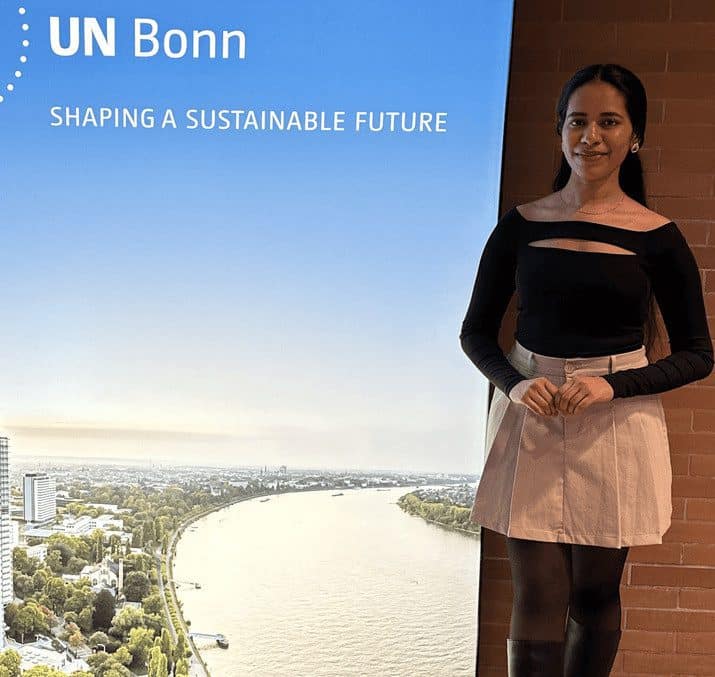
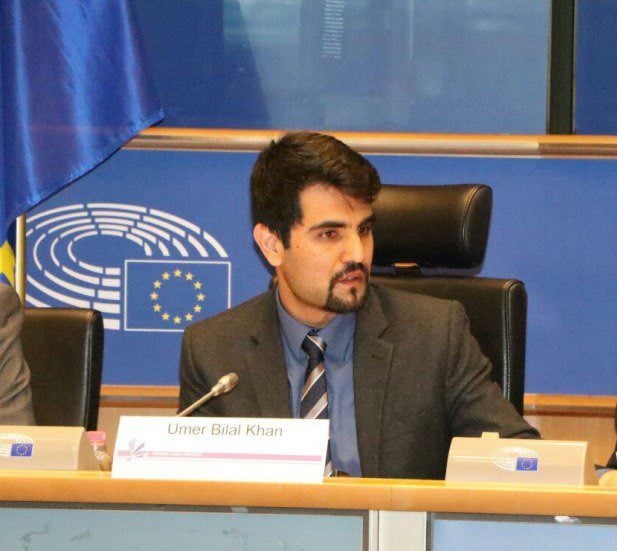

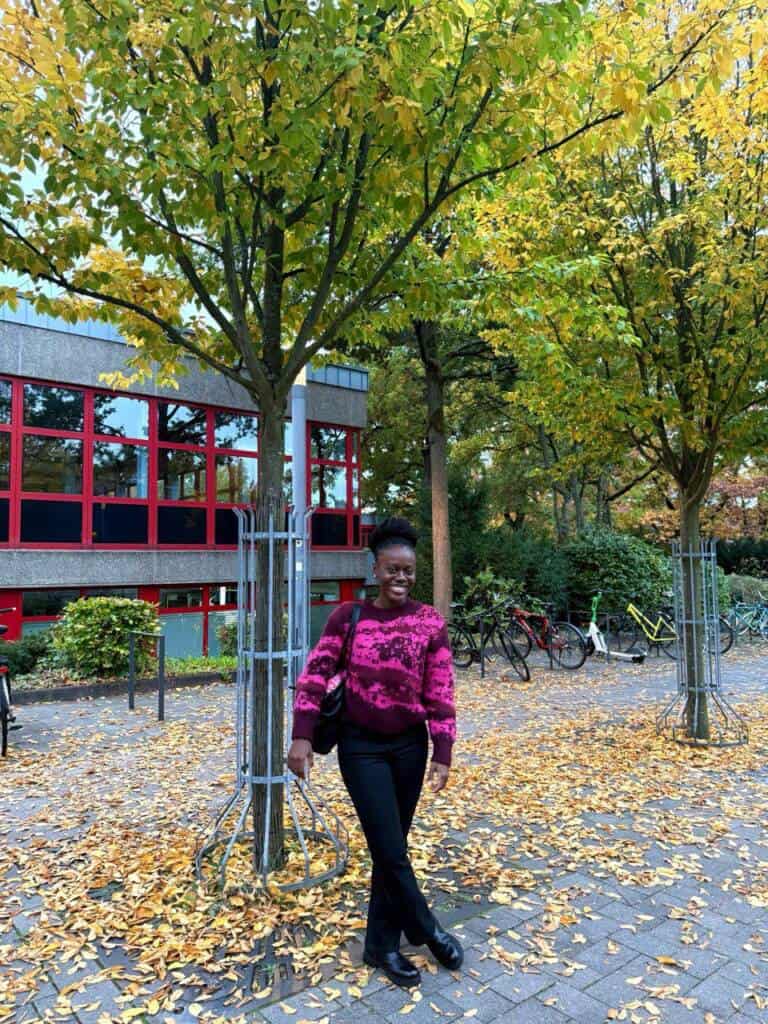

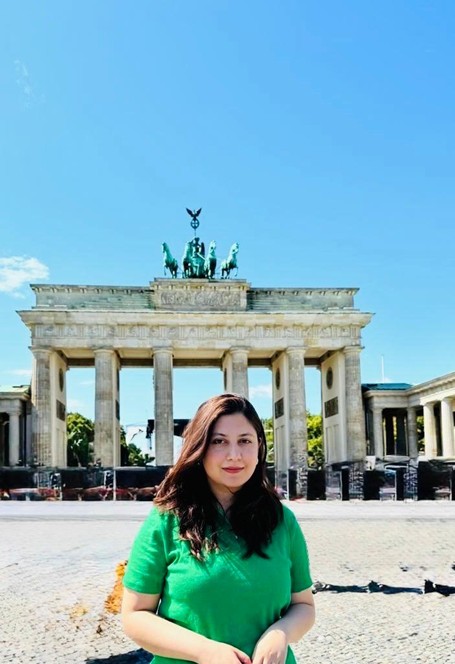

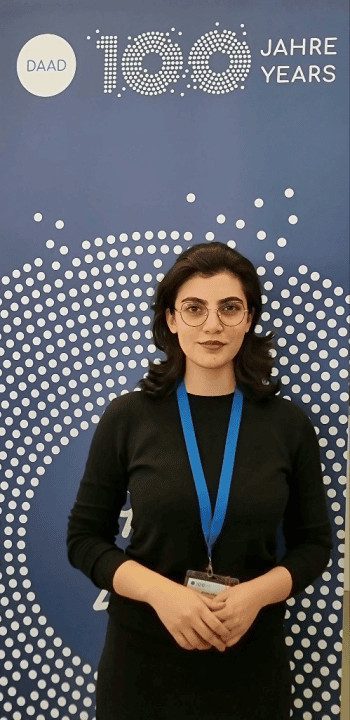
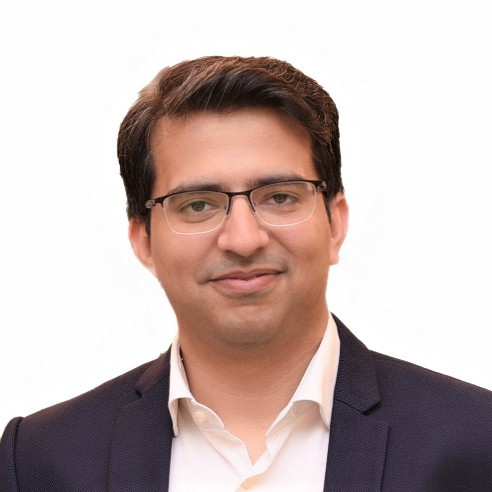
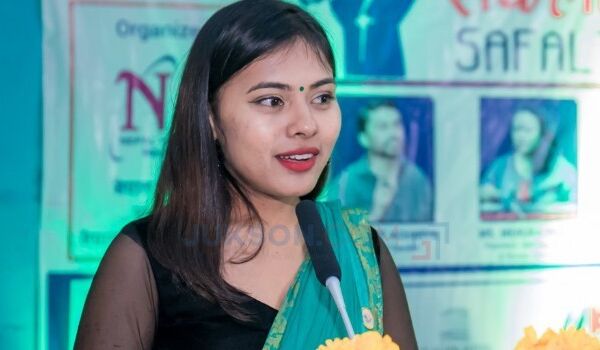
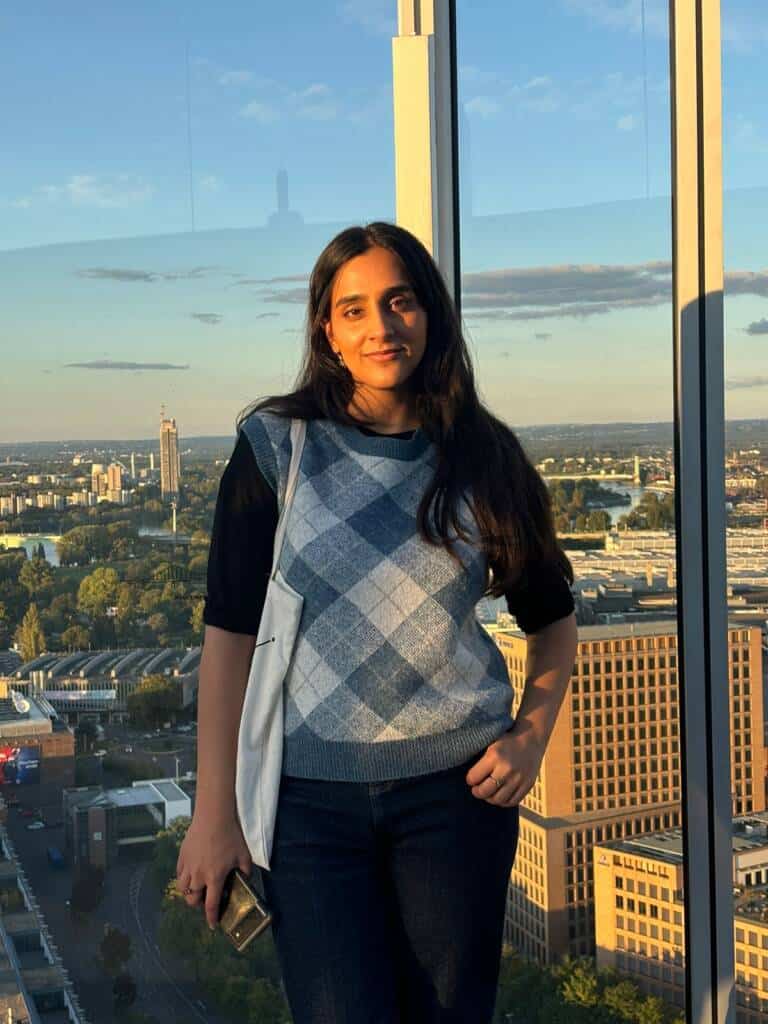

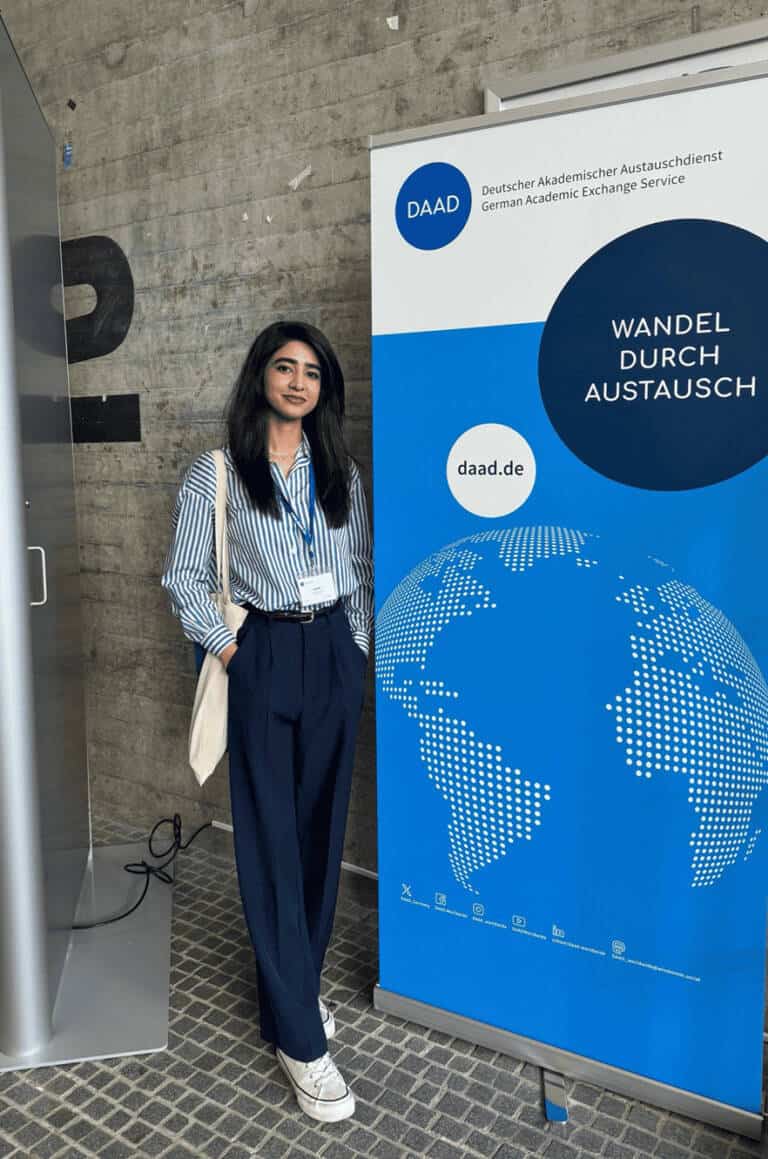
The recipient stories include 21 accounts of degree study supported by DAAD Helmut-Schmidt-Programme.
Nationalities Represented in the Recipient Stories
| Nationalities | Stories per nationality |
|---|---|
| Pakistani | 9 |
| Colombian | 2 |
| Afghan, Bangladeshi, Brazilian, Egyptian, Ethiopian, Gambian, Ghanaian, Kyrgyz, Nepali, Zambian | 1 each |
Degree Study Reported by Recipients
| Degree level | Stories | Subjects |
|---|---|---|
| Master’s | 21 | Governance and Public Policy; Social Protection; Development Studies; Development and Governance; Public Management; Public Policy; Peace and Conflict Studies |
Funding Reported by Recipients
| Recipient and degree/program | Reported coverage |
|---|---|
| Hamza Ijaz (2013–2016) — Master’s in Governance and Public Policy, University of Passau | €750 per month, health insurance, travel support and a tuition waiver, plus a fully funded six-month German course at the Goethe-Institut. |
| Hareem Aqdas (2021 award) — Master’s in Development and Governance, University of Duisburg-Essen | €860 per month for her one-year award, with flights and insurance support. |
| Hanna Tesfaye — Master’s in Public Policy, University of Erfurt | €992 per month, health insurance and a tuition exemption; a four-month preparatory German course was also funded. She paid semester contributions of approximately €320–€340 from her resources. |
| Victória Martins (Completed March 2026) — Master’s in Peace and Conflict Studies, Otto von Guericke University Magdeburg | €992 per month, flight and insurance support, and a €460 annual study and research grant. |
| Madeline J. Colley (September 2024–August 2026) — MSc in Social Protection, Bonn-Rhein-Sieg University of Applied Sciences | €992 per month, alongside insurance and other scholarship support. |
Examples of Featured Recipients’ Application Backgrounds
| Recipient and degree/program | Scholarship/application route | Reported background and preparation |
|---|---|---|
| Nawshin Tabassum (2021 award) — Master’s in Social Protection Systems, Bonn-Rhein-Sieg University of Applied Sciences | Helmut-Schmidt-Programme | Women and Gender Studies bachelor’s at University of Dhaka, CGPA 3.78/4 and first in class; gender and social-exclusion research and UNDP Bangladesh experience. |
| Hareem Aqdas (2021 award) — Master’s in Development and Governance, University of Duisburg-Essen | Helmut-Schmidt-Programme | International Relations bachelor’s at Quaid-i-Azam University, CGPA 4.0/4.0; publications, women’s empowerment and youth-development projects, and work involving public-sector policy issues. |
| Ariba Khan Waheed — Master’s in Social Protection, Bonn-Rhein-Sieg University of Applied Sciences | Helmut-Schmidt-Programme | Public Administration and Governance bachelor’s at NUML, CGPA 3.92/4.00 and second in the cohort; spent months revising her application and preparing for selection. |
| Madeline J. Colley (September 2024–August 2026) — MSc in Social Protection, Bonn-Rhein-Sieg University of Applied Sciences | Helmut-Schmidt-Programme | Human Resource and Labour Management bachelor’s; experience at The Gambia’s Department of Labour and as Executive Assistant to the National Human Rights Commission Chairperson. Sought mentorship from an earlier scholarship recipient. |
| Maame Adwoa Kyeremaa Ntow — MA in Development and Governance, University of Duisburg-Essen | Helmut-Schmidt-Programme | Honours bachelor’s in Political Science and Linguistics at University of Ghana, Legon, and experience with a development corporation. |
How Recipients Met Language Requirements
| Language requirement route | Stories / total funded degree-study stories | Recipients and examples |
|---|---|---|
| IELTS | 11/21 | 7.5 (Ariba Khan Waheed); 8.0 (Hareem Aqdas, Khadijah Saeed, Nawshin Tabassum); IELTS taken for the application (Chabala Luswili, Dr. Umer Bilal Khan, and 5 others). |
| German proficiency at entry | 1/21 | German proficiency not required at scholarship entry (Nawshin Tabassum). |
| English tests optional for the application | 1/21 | Optional English test for the reported scholarship or host application (Mahnoor Zubair). |
| TOEFL | 1/21 | 118 (Hamza Ijaz). |
| English-medium education accepted | 3/21 | Prior English-medium education or an official medium-of-instruction certificate accepted (Dr. Dina Elsayed, Maame Adwoa Kyeremaa Ntow, Madeline J. Colley). |
| Accepted TOEFL evidence | 1/21 | TOEFL proficiency accepted for the reported admission (Wahidullah Azizi). |
Application Timelines Reported by Recipients
| Recipient and degree/program | Application or scholarship route | Reported application timeline |
|---|---|---|
| Hamza Ijaz (2013–2016) — Master’s in Governance and Public Policy, University of Passau | Helmut-Schmidt-Programme preparatory phase | Undertook a fully funded six-month German course at the Goethe-Institut before the degree-study phase. |
| Hanna Tesfaye — Master’s in Public Policy, University of Erfurt | Helmut-Schmidt-Programme | Learned of the opportunity a week before the application deadline; later undertook four months of funded German study before academic classes began. |
Interview Experiences Reported by Recipients
| Recipient and degree/program | Reported interview experience |
|---|---|
| Ariba Khan Waheed — Master’s in Social Protection, Bonn-Rhein-Sieg University of Applied Sciences | Prepared to explain her motivations and goals naturally, emphasizing that she avoided memorized scripts. |
Teaching Language Reported by Recipients
| Recipient and degree/program | Reported teaching language |
|---|---|
| Hamza Ijaz (2013–2016) — Master’s in Governance and Public Policy, University of Passau | Core courses and a wider selection of electives were provided in English for the scholarship cohort. |
| Maame Adwoa Kyeremaa Ntow — MA in Development and Governance, University of Duisburg-Essen | English was the language of instruction for the international cohort. |
| Chabala Luswili — Master’s in Social Protection, Bonn-Rhein-Sieg University of Applied Sciences | The master’s was entirely in English; preparatory German lessons were separate from degree instruction. |
What Recipients Pursued After Their Scholarship-Funded Studies
| Recipient | Scholarship-funded degree/program | Reported outcome or current status |
|---|---|---|
| Dr. Umer Bilal Khan (2015–2017) | Master’s in Governance and Public Policy, University of Passau | Later worked in Balochistan government policy research and development on CPEC/BRI, then pursued an FNF-supported doctorate at University of Rostock. |
| Dr. Dina Elsayed | Master’s in Development and Governance, University of Duisburg-Essen | Later pursued a self-funded Political Science doctorate at University of Duisburg-Essen, working in Egypt and visiting Germany before returning for the final doctoral year. |
| Victória Martins (Completed March 2026) | Master’s in Peace and Conflict Studies, Otto von Guericke University Magdeburg | Completed the degree and continued freelance reporting and communications for human-rights and socio-environmental advocacy. |
| Juan David Abella Osorio (2019–2020 scholarship) | Master’s in Development and Governance, University of Duisburg-Essen | Current role: career diplomat at Colombia’s Ministry of Foreign Affairs; also reported founding Nebelwald Horizons and coordinating Asian Studies at PIPEC. |
| Madeline J. Colley (September 2024–August 2026) | MSc in Social Protection, Bonn-Rhein-Sieg University of Applied Sciences | During-study professional experience: GIZ Global Programme on Social Protection internship in Bonn, March–September 2026, partly overlapping her master’s. |
Other Offers in Featured Applicants’ Journeys
| Recipient | Reported alternative | Decision described in the story |
|---|---|---|
| Hareem Aqdas (2021 award) — Master’s in Development and Governance, University of Duisburg-Essen | Commonwealth Scholarship offer for Durham University. | Did not accept it; studied Development and Governance in Germany. |
What DAAD Helmut-Schmidt-Programme Scholars Say
Advice and reflections from scholars about the DAAD Helmut-Schmidt-Programme application process and programme.
"This scholarship covered my full tuition, living expenses, health insurance, and travel costs over the course of my program."
"The scholarship amount comprised of full tuition fee waiver and a living allowance amounting to close to Eur. 30000."
"Carefully check all required documents before submission, making sure that everything listed in the official checklist is complete and correctly formatted."
"Do not rely too much on others, seek out information on the scholarship proactively, and read as much as possible."
"The academic approach in Germany offered a transformative learning experience."
"The class is made up entirely of international students, so English is the language of instruction."
Frequently asked questions
Common questions about DAAD Helmut-Schmidt-Programme, eligibility, funding, and applications.
Yes. The DAAD Helmut-Schmidt-Programme is a full-funding government scholarship for master’s study in Germany. The coverage includes a full tuition fee waiver, health insurance, a monthly stipend, a one-time research allowance, family benefits, a rent subsidy in some cases, and language-course funding. According to Khadijah Saeed, a recipient studying Development and Governance at the University of Duisburg-Essen, “the scholarship is fully funded, it covers tuition, health insurance, rent.”
In the recipient stories from Bonn-Rhein-Sieg and Universität Duisburg-Essen, classes were taught in English. For example, Aiana said, “All of my classes were conducted in English.” Similarly, Maame Adwoa Kyeremaa Ntow explained that “English is the language of instruction for the programme.” That said, several recipients still note that German is helpful for daily life, and Hareem Aqdas shared that the scholarship includes a mandatory six-month intensive German course before the degree begins.
Applicants choose up to two eligible master’s programs under the Helmut Schmidt Programme and apply directly to the selected universities rather than through the DAAD portal. The usual application materials is the application form, CV, motivation letter, bachelor’s documents, proof of English proficiency, recommendation letters, proof of relevant work experience if applicable, and an APS certificate for certain countries. Mahnoor Zubair said she prepared by “reviewing both the DAAD website and the university websites,” which is a strong reminder to double-check university-specific requirements carefully.
Across recipient stories, the motivation letter comes up again and again as one of the most important parts of the application. Aruba Irfan said that “the motivation letter is the heart of your application.” Likewise, Nawshin Tabassum described it as “the single most important document” in her file.
Recipient stories suggest that strong applications clearly connect academic background, work experience, and long-term public-policy goals with the scholarship’s mission. Khadijah Saeed said her application stood out because it was “harmonious and consistent,” with a clear policy focus throughout. Monika Ranabhat also said her profile reflected a “deep commitment to public service,” supported by research, leadership, and policy-related experience.
It is very important in many recipient stories, although applicants should still verify exact requirements for their chosen program because the scholarship overview says proof of relevant work experience is required only “if applicable.” Nawshin Tabassum said that “community involvement and job experience are crucial.” Maame Adwoa Kyeremaa Ntow likewise said her “past professional experience” contributed to her selection.
The available universities are Hochschule Bonn-Rhein-Sieg, the University of Duisburg-Essen, Otto von Guericke University Magdeburg, Osnabrück University, and the University of Passau as eligible institutions. When deciding where to apply, fit matters. Maame Adwoa Kyeremaa Ntow said she chose a program with modules “relevant to my future career aspirations.”
As early as possible. The scholarship page says deadlines vary by institution, and recipient stories repeatedly stress the value of giving yourself enough time for essays, recommendations, and document checks. Maame Adwoa Kyeremaa Ntow put it simply: “Start early. The earlier you start, the better.” Khadijah Saeed also advised applicants to begin early because the motivation letter usually takes multiple drafts.
There are many degrees that are open to international students right now — find yours.

Leave A Comment