
How Madeline J. Colley, a Gambian Scholar, Secured a Funded Master's in Social Protection Through the DAAD Helmut-Schmidt-Programme
University: Hochschule Bonn-Rhein-Sieg University of Applied Sciences (Master’s completed)
Degree: Master’s in Social Protection
Previous Education: Bachelor’s in Human Resource and Labour Management at American International University of West Africa
Scholarship: DAAD Helmut-Schmidt-Programme (PPGG) – Financial Support (Monthly Stipend of €992, Insurance Support and Other Scholarship Benefits)
Social Media
The Journey
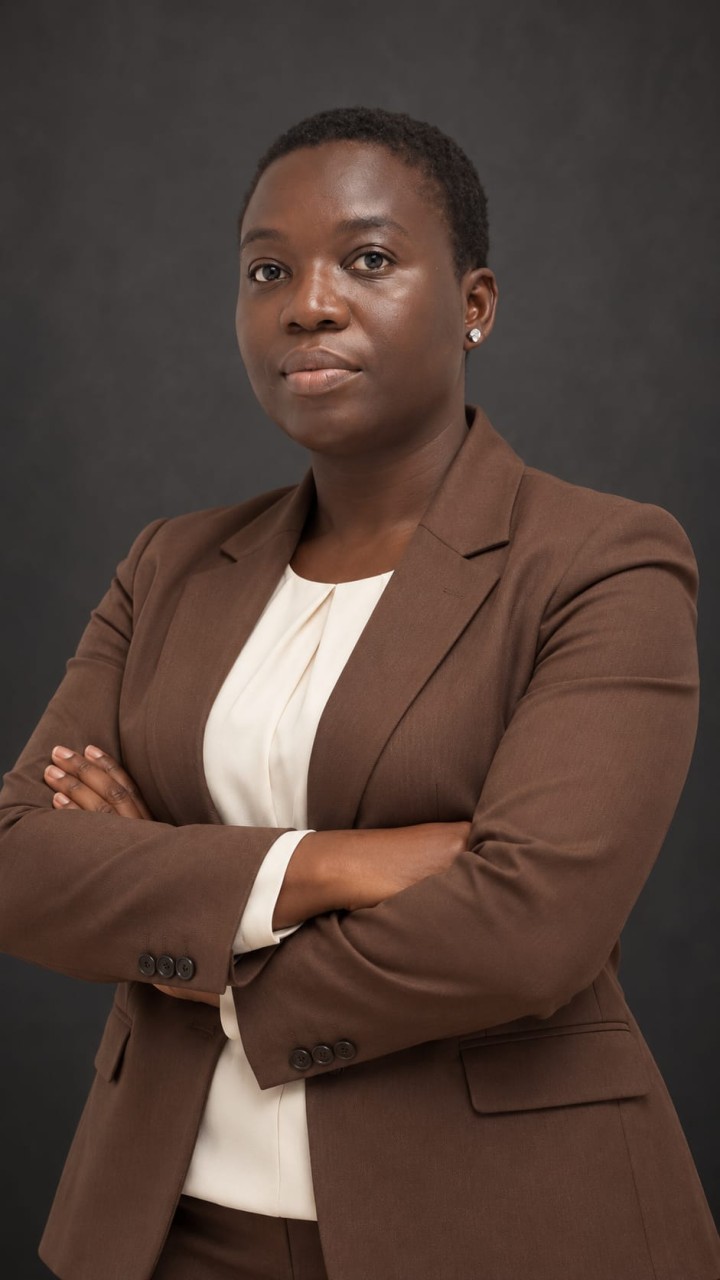
My name is Madeline J. Colley, and I come from The Gambia, a small West African country affectionately known as the Smiling Coast of Africa. I am a mother, a development professional, and a passionate advocate for social justice, human rights, inclusive social protection, and sustainable development.
My journey from The Gambia to Germany is a story of determination, resilience, sacrifice, and the transformative power of education. It reflects my belief that education is not simply a means of personal advancement but also a powerful instrument for addressing inequality and improving people's lives.
In 2024, I was awarded the prestigious DAAD Helmut-Schmidt-Programme scholarship to pursue a Master of Science in Social Protection at Hochschule Bonn-Rhein-Sieg University of Applied Sciences in Germany.
My decision to pursue this degree was deeply influenced by my professional experiences in The Gambia, particularly my work with the Department of Labour and the National Human Rights Commission. These experiences exposed me to the challenges faced by workers in both the formal and informal sectors, including inadequate social security coverage, precarious employment conditions, and limited access to social and economic protection.
I became increasingly interested in understanding how governments could design and implement policies that protect vulnerable populations, promote decent work, and reduce inequalities.
My academic journey also broadened my interests to include the relationship between social protection, climate change, and development finance. Through my subsequent professional experience, particularly at GIZ, I developed a deeper appreciation of how climate finance could contribute to strengthening social protection systems and building resilience among populations exposed to climate-related risks.
As a mother, the decision to pursue postgraduate education abroad required courage, careful planning, and personal sacrifices. However, I believed that investing in my education would not only create better opportunities for my family but also strengthen my ability to contribute meaningfully to society.
Looking back, the scholarship has been one of the most transformative opportunities of my life, shaping both my professional aspirations and my understanding of the interconnected challenges facing developing countries.
Which Scholarship Did You Receive?
I was awarded the DAAD Helmut-Schmidt-Programme, also known as the Master's Scholarships for Public Policy and Good Governance (PPGG).
The programme is funded by the German Federal Foreign Office and administered by the German Academic Exchange Service (DAAD). It supports qualified graduates from developing and emerging countries who demonstrate a commitment to promoting good governance, social justice, and sustainable development.
DAAD Helmut-Schmidt-Programme Details
- Scholarship provider: German Academic Exchange Service (DAAD)
- Scholarship programme: Helmut-Schmidt-Programme (PPGG)
- Host institution: Hochschule Bonn-Rhein-Sieg University of Applied Sciences, Germany
- Degree programme: Master of Science in Social Protection
- Study period: September 2024 to August 2026
- Scholarship duration: Two years
- Monthly stipend: 992 euros
The scholarship provided financial support that enabled me to concentrate on my studies and professional development. The programme also offered support arrangements relating to insurance and other scholarship-related benefits.
For me, the scholarship represented much more than financial assistance. It provided access to quality education, international networks, interdisciplinary learning, and opportunities to explore the relationship between social policy, governance, economic development, and environmental sustainability.
It also created a foundation for my subsequent research interests in climate-responsive social protection and the role of climate finance in strengthening resilience.
Were You Offered Any Other Scholarships?
No. The DAAD Helmut-Schmidt-Programme was the only scholarship I was offered.
Educational Background
Before pursuing my master's degree in Germany, I completed my previous education in The Gambia and developed professional experience in labour administration, public service, and human rights.
Previous academic qualification: BSc. Human Resource and Labour Management, American International University of West Africa, The Gambia.
My professional journey included working with The Gambia's Department of Labour and subsequently serving as Executive Assistant to the Chairperson of the National Human Rights Commission.
At the Department of Labour, I gained practical insights into employment relations, labour administration, and the challenges faced by workers, particularly those with limited access to formal social protection arrangements.
My experience at the National Human Rights Commission strengthened my understanding of institutional governance, human rights protection, policy processes, and stakeholder engagement.
These experiences helped me recognise the relationship between labour rights, social security, human dignity, and sustainable development.
They also motivated me to explore how social protection policies could respond to emerging development challenges, including climate-related vulnerabilities and economic insecurity.
I believe my combination of academic preparation and professional experience provided a strong foundation for postgraduate studies. It also enabled me to connect theoretical discussions with the practical realities of policy implementation.
How Did You Prepare to Apply to Bonn-Rhein-Sieg University of Applied Sciences?
How Did You Find Information About DAAD Helmut-Schmidt-Programme and Bonn-Rhein-Sieg University of Applied Sciences?
My preparation began with researching international scholarship opportunities and identifying postgraduate programmes aligned with my professional experience and long-term career aspirations.
I was particularly interested in programmes addressing public policy, governance, development, labour markets, and social protection.
The DAAD Helmut-Schmidt-Programme attracted my attention because of its focus on preparing future leaders and professionals committed to promoting good governance, social justice, and sustainable development.
I carefully reviewed the scholarship's eligibility requirements, application procedures, academic expectations, and the postgraduate programmes offered by participating universities.
The Master of Science in Social Protection at Hochschule Bonn-Rhein-Sieg stood out because of its emphasis on the design, financing, governance, and implementation of social protection systems.
These areas were directly relevant to the challenges I had encountered in my professional work in The Gambia.
I encourage prospective applicants to consult official scholarship websites, university admission pages, and programme-specific guidelines to obtain reliable information about available opportunities.
Did You Take Any Standardized Tests? If So, How Did You Prepare for Them?
I did not take IELTS or TOEFL because I qualified for an exemption based on my previous education, which had been conducted in English.
However, I was required to submit an official certificate from my previous university confirming that English was the language of instruction.
This document served as evidence of my English-language proficiency.
My advice to prospective applicants is to carefully review the language requirements of their chosen institutions. Some universities accept a Medium of Instruction certificate, while others require internationally recognised English-language tests.
How Did You Prepare to Apply for the DAAD Helmut-Schmidt-Programme?
Preparing my DAAD scholarship application required careful planning, research, reflection, and guidance.
One of the most valuable aspects of my preparation was receiving mentorship from a previous scholarship recipient. Having someone who had successfully navigated the application process helped me better understand the expectations and approach the opportunity with greater confidence.
I devoted considerable attention to understanding the objectives of the Helmut-Schmidt-Programme and demonstrating how my professional experiences and future aspirations aligned with its mission.
My motivation was not simply to study abroad or obtain another academic qualification. I wanted to acquire the knowledge and analytical skills necessary to contribute to more inclusive and effective social protection policies.
I focused on explaining how my experiences in labour administration and human rights had shaped my understanding of social and economic vulnerability and motivated me to pursue further education.
I also emphasised my interest in strengthening social protection systems in developing countries, particularly The Gambia.
An important part of my preparation was ensuring that my academic background, professional experience, motivation, and career objectives formed a coherent narrative.
For future applicants, I strongly recommend investing time in developing a genuine and convincing motivation letter. Rather than merely listing achievements, applicants should explain the experiences that shaped their interests, the challenges they hope to address, and how the selected programme will equip them to contribute to meaningful change.
How is Your Experience at Bonn-Rhein-Sieg University of Applied Sciences?
My experience at Hochschule Bonn-Rhein-Sieg was academically enriching, intellectually stimulating, and personally transformative.
The Master of Science in Social Protection provided an opportunity to examine social protection systems from multiple perspectives, including social policy, labour markets, social insurance, social assistance, governance, financing, and institutional development.
One of the most valuable aspects of the programme was its international learning environment. Studying alongside students from different countries and professional backgrounds exposed me to diverse perspectives on social protection and development challenges.
The programme encouraged critical thinking, comparative analysis, independent research, and the application of academic knowledge to real-world policy problems.
As my studies progressed, I became increasingly interested in the relationship between social protection and broader development challenges, including climate change, economic vulnerability, and the financing of social policies.
This interest was further strengthened through my subsequent research experience at GIZ, where I explored the potential of climate finance mechanisms to support social protection systems and climate resilience.
My master's thesis, titled "Social Protection for Migrant Workers: Legal Status, Migration Pathways, and Access to Protection Among Gambian Migrant Workers in Spain and Germany," provided an opportunity to investigate an issue of particular importance to me.
Through this comparative research, I examined how migration pathways, legal status, employment conditions, and institutional barriers influence migrant workers' access to social protection.
The research strengthened my understanding of the challenges faced by migrant communities and reinforced my commitment to advancing inclusive, rights-based social protection systems.
Beyond academics, studying in Germany required significant personal adjustment. Navigating a new environment, managing family responsibilities, and meeting academic expectations demanded resilience, discipline, and adaptability.
Completing the programme represented more than an academic achievement. It was a significant personal milestone and an important step towards my long-term professional ambitions.
How Do You Rate Bonn-Rhein-Sieg University of Applied Sciences Academically?
I would rate Hochschule Bonn-Rhein-Sieg highly for its international outlook, practice-oriented teaching, and emphasis on critical thinking and applied research.
The Social Protection programme encouraged students to examine complex policy challenges, compare institutional approaches, and develop evidence-based perspectives on social and economic development.
I particularly appreciated the opportunity to explore social protection from interdisciplinary perspectives, including its financing, governance, and relationship with sustainable development.
These perspectives became especially relevant during my professional experience researching climate finance and social protection.
The programme helped me recognise that effective social protection systems must respond not only to traditional social and economic risks but also to emerging challenges, including climate-related shocks.
How Does Bonn-Rhein-Sieg University of Applied Sciences Support International Students?
Hochschule Bonn-Rhein-Sieg provides an international academic environment and offers information and support services to help students navigate university life in Germany.
The opportunity to interact with fellow international students was particularly valuable. Sharing experiences with people from different countries created opportunities for cultural exchange, professional networking, and mutual support.
Nevertheless, international students should prepare for the practical realities of living abroad.
Finding accommodation, arranging health insurance, managing residence documentation, understanding administrative procedures, and adjusting to a new cultural environment can be demanding.
I encourage prospective students to familiarise themselves with these requirements before travelling and to make use of the university's international student support services.
Is the Master's Programme Tuition-Free?
Yes. The Master of Science in Social Protection at Hochschule Bonn-Rhein-Sieg did not require regular tuition fees during my studies.
However, students were required to pay a semester contribution covering university services and other applicable costs.
During my studies, the semester contribution was approximately €369, although the amount may vary from semester to semester.
Prospective students should consult the university's official website for the latest information about fees and financial requirements.
Are Your Classes Conducted in English or German?
My master's programme was taught entirely in English.
This made the programme accessible to international students who did not yet have advanced German-language proficiency.
However, I strongly encourage international students to learn German, even when their academic programmes are conducted in English.
German-language skills are valuable for everyday communication, social integration, navigating administrative procedures, and accessing employment opportunities.
What Did You Pursue After the DAAD Helmut-Schmidt-Programme?
Receiving the DAAD scholarship marked the beginning of an important phase of academic and professional development. Beyond completing my master's degree, I was determined to gain practical experience that would allow me to apply the knowledge acquired during my studies to real-world development challenges.
During my studies, I had the opportunity to undertake research and programme-related internships with two internationally recognised development institutions: the United Nations Research Institute for Social Development (UNRISD) and the Deutsche Gesellschaft für Internationale Zusammenarbeit (GIZ).
These experiences significantly broadened my professional interests and strengthened my commitment to evidence-based policymaking, social justice, and sustainable development.
Research Internship at UNRISD: Social Justice, Gender Equality, and Sustainable Development
From September to December 2025, I completed a research internship with the United Nations Research Institute for Social Development (UNRISD) in Bonn, Germany.
My internship provided valuable exposure to international policy research and knowledge development, particularly in the areas of social justice, gender equality, environmental sustainability, and inclusive development.
My responsibilities extended across several research and knowledge-development activities, particularly within the Eco-Social Contract (ESC) and Feminist Foreign and Development Policies (FFDP) workstreams.
Under the Eco-Social Contract research, I contributed to the development and analysis of case studies examining approaches to inclusive and sustainable development. These included research relating to green entrepreneurship opportunities for migrant returnees in Senegal and Ethiopia's Productive Safety Net Programme.
This work deepened my understanding of how social protection, employment, environmental sustainability, and development policies intersect.
Another significant component of my internship involved research on Feminist Foreign and Development Policies. I contributed to comparative policy research, analytical summaries, and the preparation and editing of research materials examining how feminist approaches are incorporated into foreign and development policies across different countries.
I also developed visual knowledge products, including a global timeline illustrating the evolution of feminist foreign and development policies, and supported the synthesis of findings from the Feminist Foreign Policy Index developed by the International Center for Research on Women.
Beyond research, I participated in international knowledge-sharing activities, workshops, training sessions, and institutional meetings. I supported meeting documentation, coordination activities, research presentations, and the preparation of materials designed to communicate complex policy issues to diverse audiences.
These responsibilities strengthened my analytical, research, communication, and organisational skills while providing practical experience within a United Nations research institution.
Most importantly, the internship broadened my understanding of the interconnected nature of contemporary development challenges. It demonstrated that addressing inequality requires approaches that bring together social protection, gender equality, human rights, environmental sustainability, and inclusive governance.
Internship at GIZ: Social Protection, Climate Finance, and International Development Cooperation
From March to September 2026, I completed a six-month internship with the Deutsche Gesellschaft für Internationale Zusammenarbeit (GIZ) in Bonn, Germany, where I worked with the Global Programme on Social Protection.
This experience provided an opportunity to gain practical insights into international development cooperation, programme coordination, policy research, and stakeholder engagement.
A particularly significant aspect of my internship was my involvement in research exploring the intersection of climate finance and social protection.
Climate change increasingly threatens livelihoods, food security, employment, and household resilience, particularly in developing countries where vulnerable populations often have limited access to formal social protection systems.
My research examined how climate finance mechanisms could contribute to strengthening social protection systems and supporting climate adaptation and resilience-building initiatives.
I contributed to the development of a background research paper, a literature repository, and analytical resources examining climate finance mechanisms, institutional arrangements, and opportunities for integrating social protection into climate-related financing initiatives.
My work also involved stakeholder mapping, reviewing country-level approaches, analysing available evidence, and identifying gaps and opportunities in the relationship between climate finance and social protection.
Through this experience, I developed a deeper understanding of the challenges associated with accessing climate finance, coordinating institutions, and ensuring that financial resources reach populations most vulnerable to climate-related risks.
I also explored the importance of integrating social protection considerations into broader climate adaptation programmes rather than treating social protection and climate finance as entirely separate policy areas.
Beyond climate finance, I supported programme coordination, stakeholder engagement, international knowledge exchange, and activities aimed at strengthening social protection systems.
These experiences demonstrated the value of interdisciplinary approaches to development and reinforced my belief that effective social protection systems must be inclusive, financially sustainable, and responsive to emerging social, economic, and environmental risks.
Can Students Succeed Academically in Germany Without Speaking German?
Yes, particularly when enrolled in an English-taught programme.
In my case, German-language proficiency was not a barrier to academic participation because lectures, coursework, and assessments were conducted in English.
However, academic life and everyday life are different experiences.
Outside the university, language barriers can make activities such as communicating with public authorities, understanding official correspondence, finding accommodation, accessing services, and seeking employment more challenging.
My recommendation is to begin learning German as early as possible, preferably before arriving in Germany.
Even basic conversational skills can make a significant difference in building confidence and navigating everyday life.
For students who intend to remain in Germany after graduation, German-language proficiency can be particularly important for professional integration.
What Do You Think Made Your Application Stand Out?
Although I cannot speak for the selection committee, I believe the strongest aspect of my application was the clear connection between my professional experiences, academic interests, and future aspirations.
My work in labour administration and human rights had exposed me to the realities of social and economic vulnerability.
These experiences gave me a concrete reason for wanting to study Social Protection. I was not simply interested in earning another degree; I wanted to acquire the expertise necessary to understand and contribute to solutions for challenges I had encountered professionally.
I believe my application demonstrated a clear sense of purpose, relevant professional experience, and a commitment to contributing to development.
My subsequent experiences in climate finance research further reinforced the relevance of my academic choice and expanded my understanding of how social protection can contribute to addressing emerging development challenges.
Another important aspect of my journey was my determination to pursue higher education while fulfilling my responsibilities as a mother.
For me, the scholarship represented an opportunity not only for academic advancement but also for personal growth and the possibility of making a meaningful contribution to society.
I encourage applicants to recognise that their individual experiences, including the challenges they have overcome, can form an important part of their story when presented genuinely and connected to their academic goals.
What Would You Have Done Differently if You Were Going Through the Process Again?
If I had the opportunity to go through the process again, I would place greater emphasis on preparing for life beyond the academic programme.
First, I would begin learning German earlier. Although my studies were conducted in English, German-language skills are extremely useful for everyday life and professional opportunities.
Second, I would plan even more carefully for the financial and administrative aspects of living abroad. A scholarship provides invaluable support, but students must still prepare for unexpected expenses and practical challenges.
Third, I would begin building professional networks and exploring post-graduation career opportunities much earlier.
My experiences at UNRISD and GIZ demonstrated the importance of professional exposure, interdisciplinary learning, and networking.
They also helped me recognise emerging opportunities at the intersection of social protection, climate finance, sustainable development, and international policy.
I have learned that international education is not only about completing a degree. It is also about building relationships, developing transferable skills, adapting to new environments, and preparing for the next stage of one's professional journey.
Finally, I would remind myself to appreciate the journey more fully. Sometimes, the pressure to succeed can make it difficult to recognise how much progress one is making.
Every challenge, lesson, and achievement forms part of the experience.
What Advice Would You Give Those Looking to Apply for a Similar Scholarship?
My first piece of advice is simple: Do not reject yourself before the selection committee has had the opportunity to consider your application.
Too often, talented and capable individuals hesitate to apply for competitive scholarships because they believe their academic results are not exceptional enough, their backgrounds are not impressive enough, or the competition is simply too strong.
I believe applicants should approach the process with preparation, confidence, and a genuine understanding of their purpose.
Start by researching the scholarship thoroughly. Understand what the programme aims to achieve, who it seeks to support, and how your academic and professional experiences align with those objectives.
Prepare your documents early and pay close attention to the application requirements.
A strong application is not necessarily the one with the longest motivation letter or the greatest number of achievements. It is one that communicates a clear, convincing, and authentic story.
I would also encourage applicants to seek mentorship. The guidance I received from a previous scholarship recipient was valuable, and it reminded me that we do not have to navigate every opportunity alone.
Be intentional about your choice of programme. Explain why it matters to you, how it connects to your previous experiences, and what you hope to accomplish with the knowledge you gain.
I would also encourage students to remain open to new areas of learning and professional development.
When I began my master's studies, my primary interests were labour rights, human rights, and social protection. Through my academic and professional experiences, particularly my work at GIZ, I developed a growing interest in climate finance and its potential contribution to strengthening social protection systems.
This taught me that education can open doors to opportunities and areas of expertise that we may not initially have imagined.
Most importantly, remain persistent and believe that your aspirations are worth pursuing.
To women, especially mothers who may feel that their responsibilities have placed their educational dreams beyond reach, I want to offer a special message:
Motherhood and ambition are not mutually exclusive.
Pursuing higher education while carrying family responsibilities may require difficult decisions, sacrifices, and extraordinary determination. However, becoming a mother does not mean abandoning one's dreams.
My journey has taught me that growth often requires stepping beyond familiar circumstances and having the courage to pursue opportunities despite uncertainty.
Coming from The Gambia to study in Germany has broadened my worldview, strengthened my professional aspirations, and reinforced my belief in the transformative power of education.
The DAAD scholarship did not simply provide an opportunity to earn a master's degree. It opened doors to international learning, professional development, meaningful connections, and a renewed sense of what is possible.
If my story can encourage even one person to apply for a scholarship they previously believed was beyond their reach, then sharing it will have been worthwhile.
To every aspiring scholar, I would say: Your starting point does not define your destination. Prepare yourself, seek guidance, believe in your abilities, and have the courage to apply. The opportunity that changes your life may begin with a single application.
Want to submit your
scholarship journey?
Submit Your Story Here!
More Scholarship Recipients
My name is Fahim Faisal, and I am from Brahmanbaria, Bangladesh. I am a Master’s student in Control Science and Engineerin .... Read more
My name is Catarina Teixeira, and I am from Portugal. I studied Genetics and Biotechnology at the University of Trás-os-Mon .... Read more

Hi, I'm Ushna from Pakistan. I recently completed my M.Sc. in Chemistry at the School of Science, Tianjin University, China, .... Read more
Leave A Comment