
University of Duisburg-Essen Scholarships for International Students 2027
University of Duisburg-Essen offers access to scholarships that can reduce tuition burden and sometimes support additional costs. Below are top options prioritized by funding level.
When reviewing university scholarships connected to University of Duisburg-Essen, these are often the first awards worth checking due to the typical scale of support. Free Tuition is usually considered full tuition, and typical coverage can include full tuition fees for four years for bachelors degrees and two years for masters degrees.
If you are building a wider scholarship strategy for University of Duisburg-Essen, external and government programs can be important additions. Here are a few to consider. DAAD Scholarships is fully funded and typically covers €992 for master's and €1,300 for Ph.D. students, health insurance, and one-time research allowance. DAAD Helmut-Schmidt-Programme is commonly categorized as fully funded support, and coverage that often includes full tuition fee waiver, health insurance, and a monthly stipend of €934. With Konrad Adenauer Stiftung Grant (KAS), students may receive partially funded support, and coverage frequently includes up to 992 euros per month for Bachelor's, master's, and or postgraduate study, up to 1,400 euros per month for PhD study, and health insurance subsidy of up to 120 euros per month.
For more opportunities beyond these highlights, explore the scholarship listings below on this page.
University of Duisburg-Essen Scholarships for International Students
The scholarships at University of Duisburg-Essen can help fund your study expenses. There are currently 7 scholarships being offered to international students at the University of Duisburg-Essen, all with varying requirements, benefits, and application processes. We have compiled them in this list to help you find the scholarship that best fits you.
Undergraduate Scholarships
Graduate Scholarships
External Scholarships
There are many degrees that are open to international students right now — find yours.
University of Duisburg-Essen Admissions
Here are the official admission pages for University of Duisburg-Essen:
| Degree | Admissions Pages |
|---|---|
| Bachelor's | International Students Admissions Page |
| Master's | International Students Admissions Page |
University of Duisburg-Essen Application Deadlines
| Degree | Admission Deadline |
|---|---|
| Bachelor's and Master's (Winter) | July 15, 2026 |
| Bachelor's and Master's (Summer) | January 31, 2027 |
Tuition Fees at University of Duisburg-Essen for International Students
Indicative annual tuition fee ranges for international students at University of Duisburg-Essen. Exact fees vary by program, so always confirm the current cost on the university's official tuition fee pages.
| Degree Level | Typical Annual Range |
|---|---|
| Bachelor's Tuition | Free |
| Master's Tuition | Free |
Please note that tuition fees can vary based on the specific program you choose. For the most accurate and current fee information, consult the official tuition fee pages linked above.
University of Duisburg-Essen Scholarship Recipients
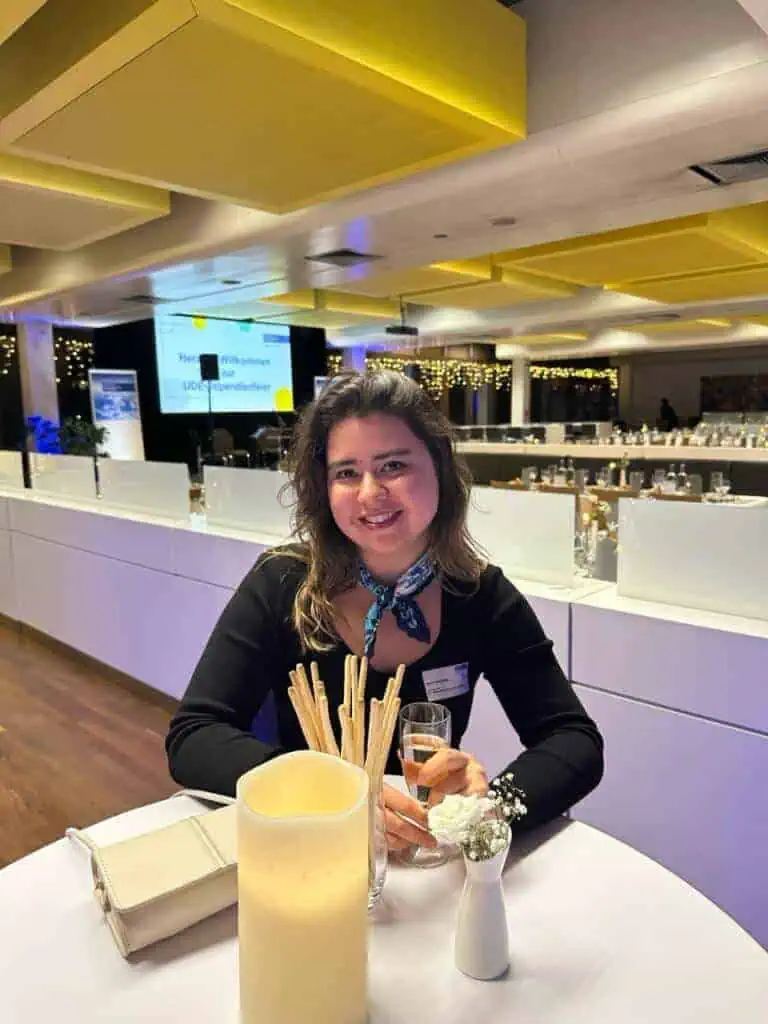
International students who received scholarships to study at University of Duisburg-Essen, documented by Global Scholarships.
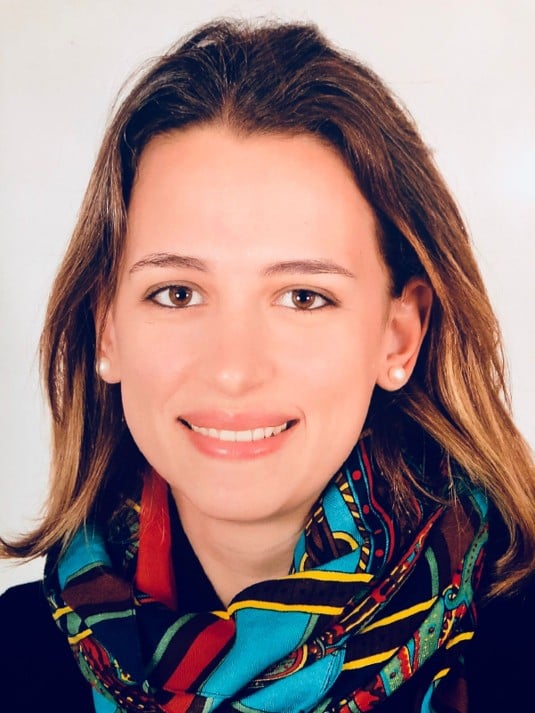
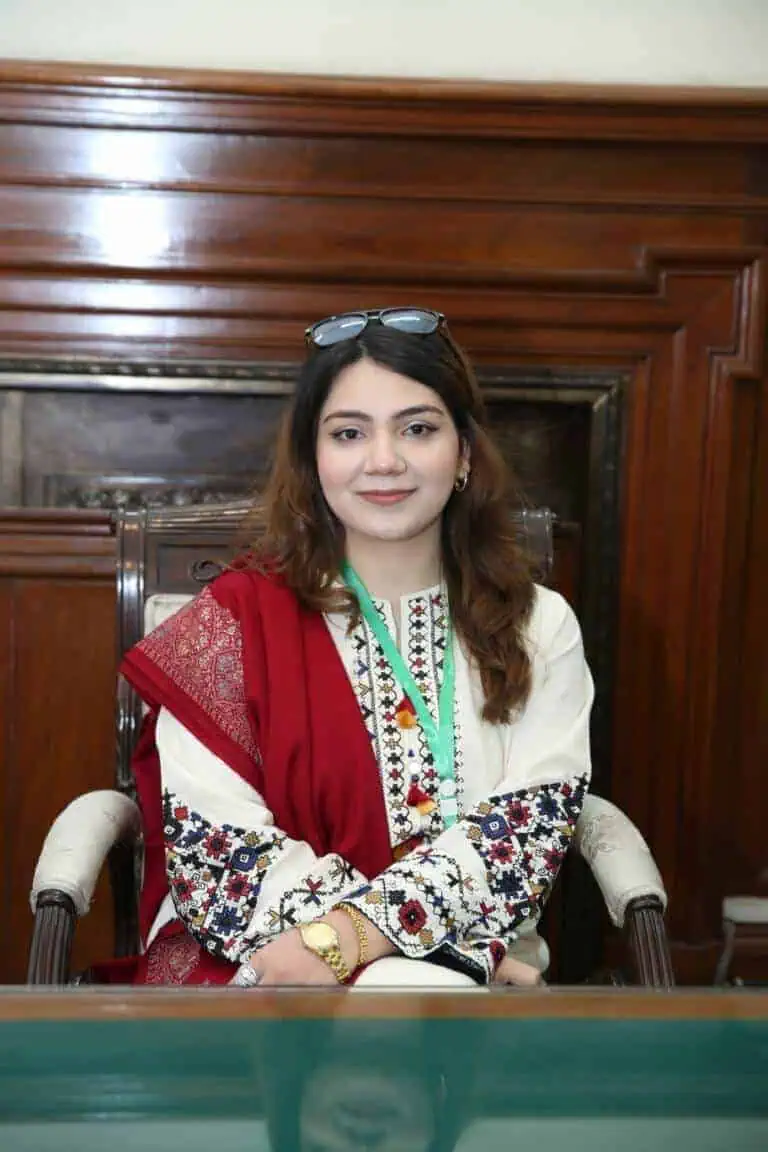
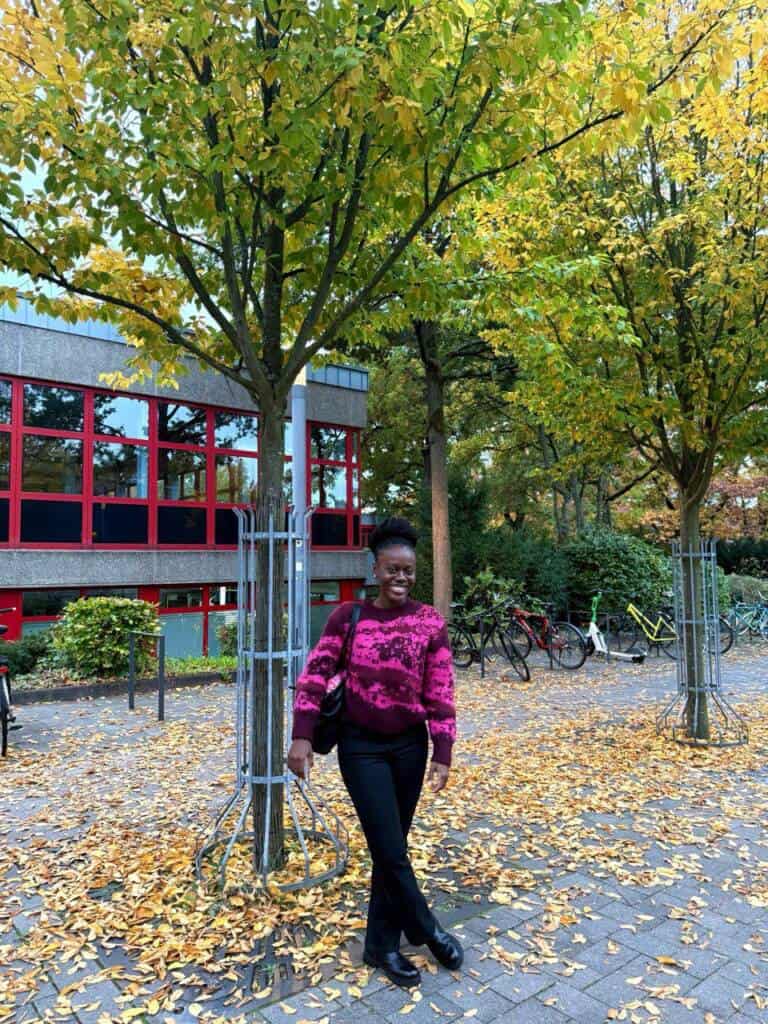
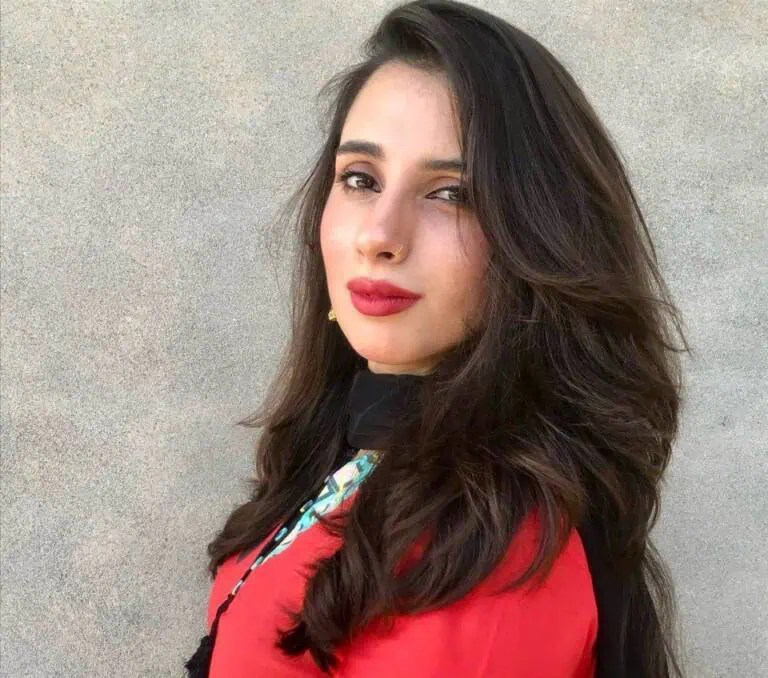
What Scholarship Recipients Say
Advice and insights from international students who successfully secured funding to study at University of Duisburg-Essen.
"The scholarship is fully funded, it covers tuition, health insurance, rent, and provides a monthly stipend of 992 euros."
"Start as early as possible. Your motivation letter will take a few drafts. Know the program well, understand the requirements and make sure your documents reflect that clearly. Talk to alumni and your mentors to get any guidance needed."
"My name is Ayse Yaren Bato, and I am originally from Canakkale, Turkey. I am currently studying Computer Engineering with a focus on Software Engineering (Bachelor's) at Duisburg-Essen University in Germany."
"I chose Germany because of its strong reputation for high-quality education, especially in engineering and technology. The opportunity to study with low or no tuition fees and to gain hands-on experience in a country known for innovation were key factors in my decision. Additionally, the multicultural environment in Germany allows international students to grow academically and personally."
"My experience at Duisburg-Essen University has been very positive and enriching. The professors are supportive and highly knowledgeable, and the university provides excellent academic and research facilities for engineering students. I am currently enrolled in the ISE (International Studies in Engineering) program, where the education is conducted partly in German and partly in English."
"One of the main challenges I faced as an international student in Germany was managing living expenses, as accommodation and daily costs can be quite high compared to Turkey. However, international students in Germany are legally allowed to work part-time for up to 20 hours per week, and I was able to take advantage of this opportunity. Working part-time not only helped me support my living costs but also allowed me to experience the German work culture firsthand."
Frequently asked questions
Common questions about scholarships, admissions, and studying at University of Duisburg-Essen.
Most scholarships connected to UDE are designed for students who are formally enrolled at UDE (and often studying on-campus in Germany).
UDE is primarily German-taught, but it also has English-taught (and sometimes bilingual) options depending on the programme. A very concrete example is Ayse Yaren Bato, who studied engineering in a bilingual track and said “the education is conducted partly in German and partly in English.”
Many scholarships commonly used at UDE do not have a fixed age limit. The Deutschlandstipendium (which UDE runs as the “UDE Scholarship”) is generally not age-capped, and major DAAD routes also typically do not have a strict age cap.
That said, some programmes use “recency” rules instead of age rules. For example, Helmut-Schmidt (Public Policy and Good Governance) is often described as having no age limit, but your last degree should usually be recent (commonly within the last six years at the time of application).
Many UDE-linked scholarships are not restricted to one subject and can apply across disciplines (STEM and humanities alike). UDE’s Deutschlandstipendium/UDE Scholarship is an example of broad funding where selection considers strong performance plus engagement and personal context, rather than being tied to a single department.
Engineering / STEM: Ayse Yaren Bato pursued Computer Engineering and highlighted how she strengthened her profile with “online courses and earning certificates… such as leadership, management, and programming.”
Business: Business students often compete for the same university-wide merit scholarships (like Deutschlandstipendium-style awards) plus external foundations; the key is matching your academic record + leadership + engagement to what donors value.
Humanities / Social Sciences: Khadijah Saeed (Peace & Conflict Studies background) won a public-policy scholarship and emphasized fit: “What made my application stand out was how harmonious and consistent it was.”
Medicine: Medicine is available at UDE and is highly competitive (often admission-restricted) and typically German-taught. International students can apply, but should expect strict language and selection requirements. Notably, UDE’s scholarship rules explicitly mention medicine (e.g., medicine is treated as an exception in at least one eligibility rule for the UDE Scholarship), so medical students should still check UDE’s scholarship calls rather than assuming they’re excluded.
Many UDE-related scholarships are open regardless of nationality as long as you are eligible and enrolled (or about to enroll) at UDE. In real recipient stories, UDE scholarship winners have come from multiple countries. For instance, Ayse Yaren Bato is from Turkey, and Khadijah Saeed and Hareem Aqdas are from Pakistan.
Some external scholarships connected to studying at UDE do restrict by nationality/region. For example, the DAAD Helmut-Schmidt Programme is aimed at “future leaders” from developing countries, so eligibility depends on your country list/category.
Often, yes, because it depends on your programme’s language. For German-taught programmes, applicants commonly need a German certificate (frequently around DSH-2 / TestDaF-equivalent standards). For English-taught or bilingual programmes, you may need English proof as well (or instead).
In recipient stories, English testing was a clear step for scholarship-and-admissions readiness: Khadijah Saeed said “I took the IELTS Academic test and scored 8.0 overall,” and Hareem Aqdas similarly noted: “I took IELTS and scored an overall 8 bands.”
There isn’t one single university-wide minimum grade that applies to every programme. Instead, it depends on whether your programme is admission-restricted (NC) and on the programme’s specific requirements (especially at master’s level, where subject-specific aptitude is evaluated).
Still, strong grades clearly help both admission and scholarships. In the scholarship stories for UDE, the academic records were strong: Ayse Yaren Bato reported a high-school GPA of 95.3/100, and Khadijah Saeed shared a CGPA of 3.76.
A strong academic record plus a “story” that matches the scholarship’s purpose is a common pattern. Khadijah Saeed described her edge as consistency: “What made my application stand out was how harmonious and consistent it was.”
UDE-leaning merit scholarships also value engagement and initiative. Ayse Yaren Bato shared that she built her profile by taking “online courses and earning certificates,” and Hareem Aqdas highlighted substantial professional experience spanning “scientific editing, journalism, and project management.”
Document requirements depend on your level (bachelor vs master), your nationality pathway (e.g., uni-assist vs university portal), and whether you’re applying for a German-language course first. Commonly requested items include: passport/ID scan, university entrance qualification, degree certificates (if applicable), full transcripts, and language certificates (German and/or English, depending on programme).
For scholarships, documentation can be even more detailed. Khadijah Saeed emphasized preparation and listed items like “transcripts, degree certificates, and official attestations” and added: “Germany is big on paperwork, and even a tiny mistake like a missing date or signature can affect your application.”
Yes, the application route can create costs: many bachelor applications (including Medicine) go through uni-assist, and uni-assist charges handling fees (commonly €75 for the first application and €30 for each additional application in the same semester). Check the latest guidelines for the updated information.
There are many degrees that are open to international students right now — find yours.
About the Author: Hyun Lee


Leave A Comment